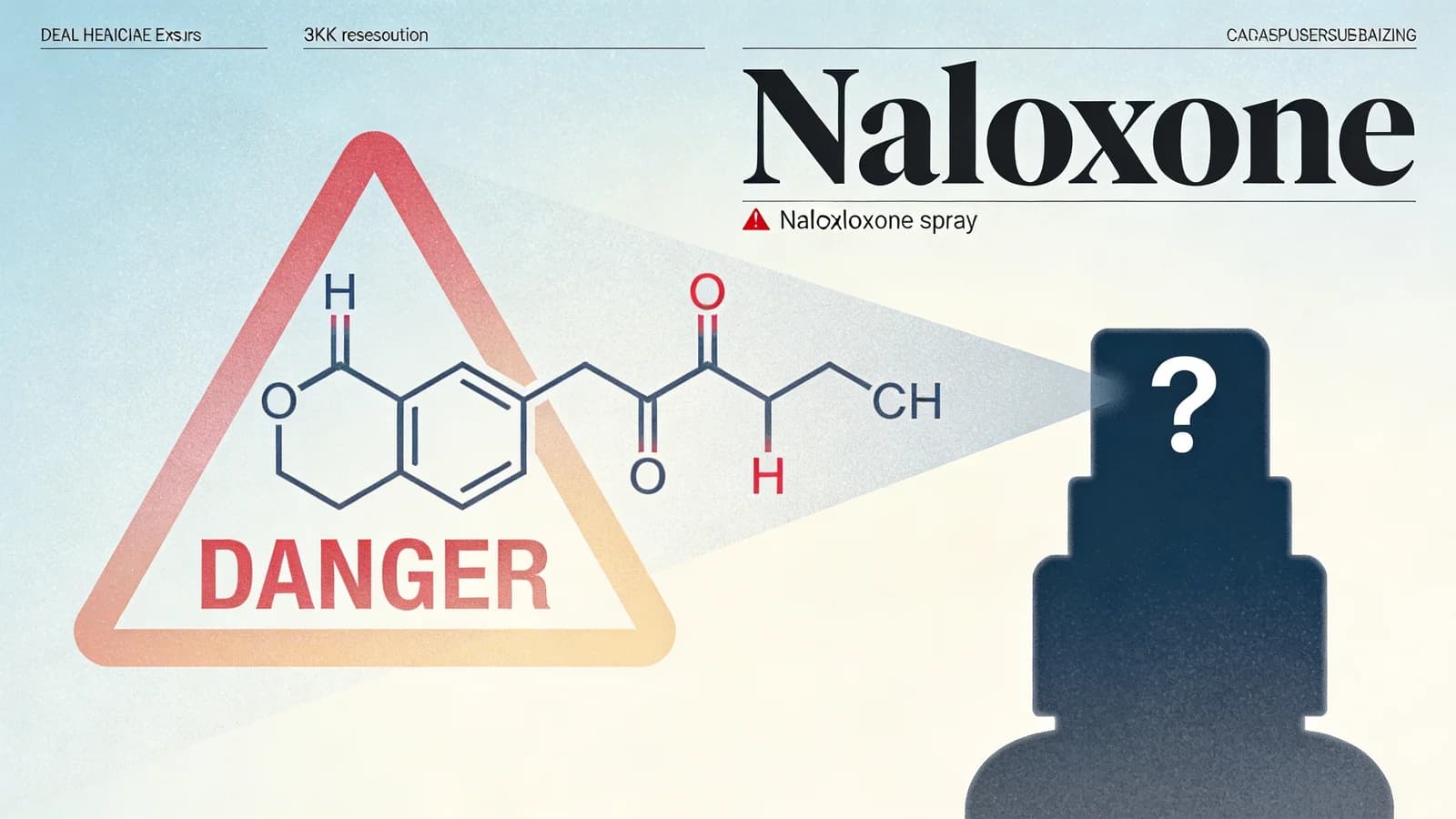
New Mexico Fentanyl Incident Exposes Growing Danger of Para-Fluorofentanyl to First Responders
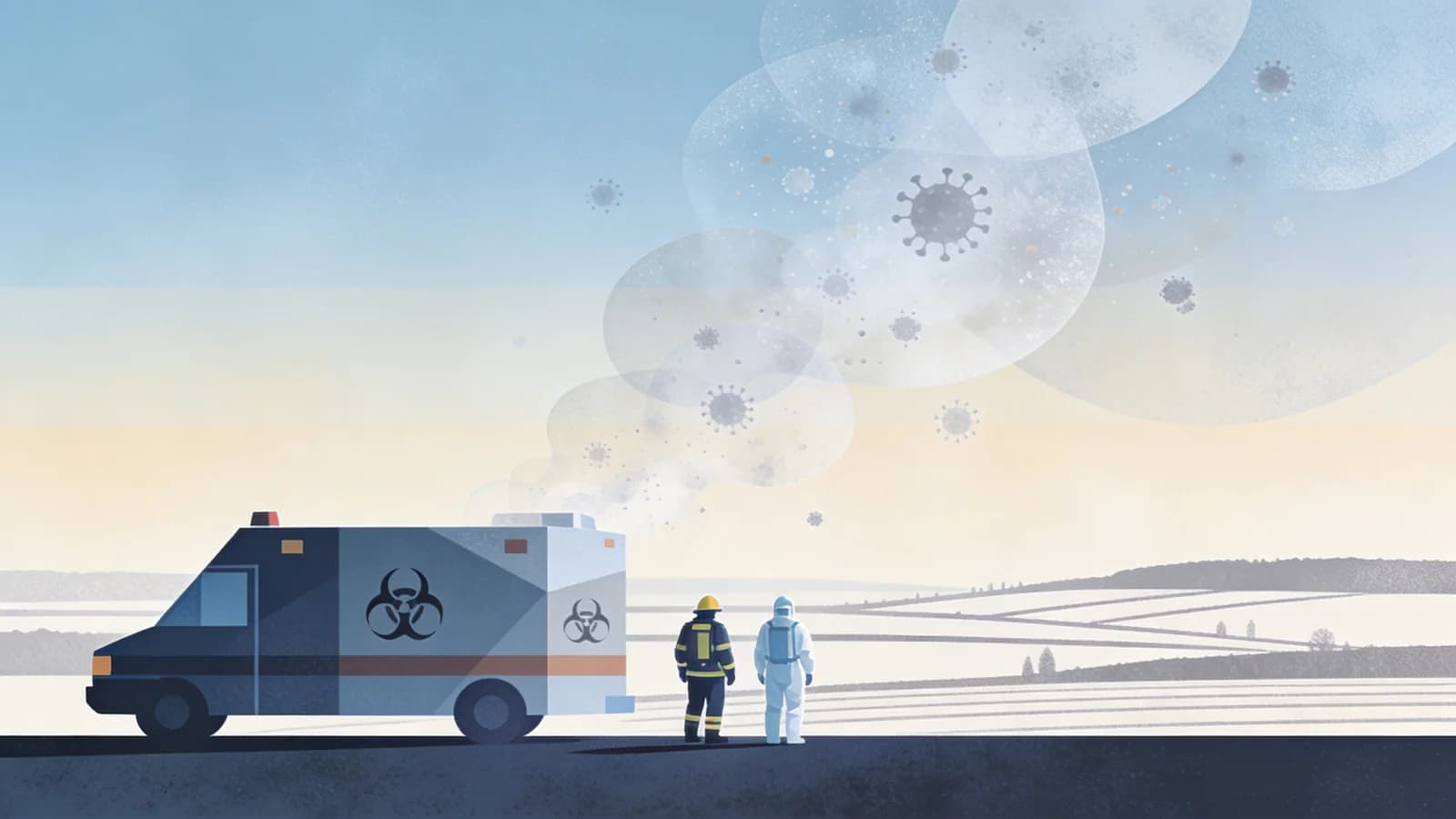
Three dead and 25 exposed including 18 first responders in Mountainair, New Mexico, revealing the escalating risks of potent fentanyl analogs

Editorial Board
LADC, LCPC, CASAC
The Rainier Rehab editorial team consists of licensed addiction counselors, healthcare journalists, and recovery advocates dedicated to providing accurate, evidence-based information about substance abuse treatment and rehabilitation.

Three dead and 25 exposed including 18 first responders in Mountainair, New Mexico, revealing the escalating risks of potent fentanyl analogs


Single dose of psilocybin with therapy support produced rapid, sustained reductions in suicidal thoughts among treatment-resistant patients

The Department of Veterans Affairs begins groundbreaking clinical trial testing MDMA-assisted therapy for veterans struggling with PTSD and alcohol use disorder, marking a significant federal investment in psychedelic medicine.

The Virginia Harm Reduction Coalition deploys distinctive purple dispensing boxes across Southwest Virginia, making life-saving naloxone freely available in communities with some of the state's highest overdose rates.

New research reveals how cAMP signaling in brain neurons drives GLP-1 weight loss effects, opening pathways to enhance addiction treatments.

University of Reading study finds single psilocybin dose reduces neuropathic pain for weeks and makes standard painkillers work better.

While overdose deaths fell 15% nationwide, Colorado and several Western states saw increases driven by fentanyl-methamphetamine combinations.

New real-world evidence shows extended-release buprenorphine significantly outperforms other medication-assisted treatments in preventing relapse and reducing healthcare costs.

Research published in the American Journal of Preventive Medicine reveals rising barriers to timely care for adolescents with cannabis use disorder, with younger teens and males most affected.

University of Cincinnati study demonstrates that embedding addiction treatment into primary care residency training expands patient access and boosts physician confidence in treating SUDs.

State insurance regulators find Aetna, Anthem, Cigna, ConnectiCare, and UnitedHealthcare systematically underpaid mental health providers and restricted access to care.

Researchers create a new class of compounds that activate serotonin receptors linked to brain healing without causing hallucinations, potentially opening addiction treatment to broader populations.

MSDH becomes one of few state health departments offering direct clinic-based SUD care, using technology to identify risk earlier and reduce barriers.

New NIH-funded research shows oral GLP-1 drugs like orforglipron reach the central amygdala, opening potential pathways for treating substance use disorders.

Law enforcement reports fentanyl increasingly combined with xylazine, medetomidine, nitazenes and cychlorphine—substances that resist naloxone reversal.

First randomized double-blind study in Sweden finds psilocybin provides clinically meaningful depression relief within days, with 53% remission rate at six weeks.

Senate Bill 249 decriminalizes drug paraphernalia possession and expands sterile supply distribution, sparking disagreement over public safety and addiction treatment approaches.

UC San Francisco and Imperial College London researchers discover that one 25mg dose of psilocybin creates measurable anatomical brain changes lasting at least a month.
Michigan Attorney General Dana Nessel unveils comprehensive spending guidance and public reporting tools to ensure opioid settlement funds reach communities in need.

Despite rapid expansion of telehealth mental health services, a major JAMA study reveals only modest gains in reaching rural and underserved patients.

State auditor finds Arizona Department of Corrections may have unlawfully spent opioid settlement money without proving inmates contracted hepatitis C from IV drug use.

CDC reports nearly 70,000 overdose deaths in 2025, a 14% drop and the longest sustained decline in decades, though challenges remain in several states.

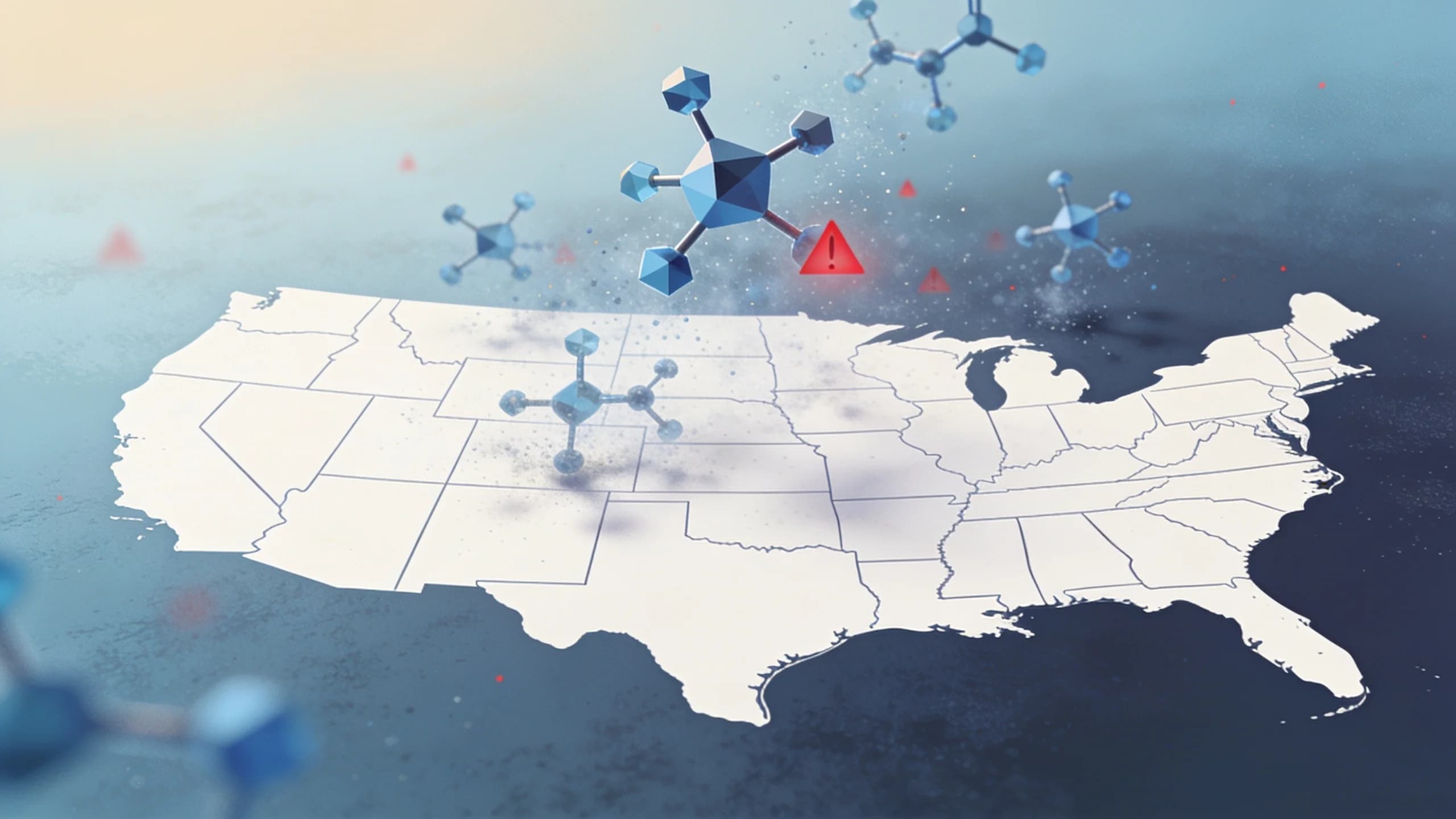
As overdose deaths finally begin to fall, a new class of ultra-potent synthetic opioids is emerging in the US drug supply, presenting unprecedented challenges for detection and treatment.

A legal battle over Philadelphia's plan to use opioid settlement funds for neighborhood revitalization raises fundamental questions about how communities should spend billions in recovery dollars.

Achieve Life Sciences assembles veteran pharmaceutical leadership team from Verona Pharma ahead of FDA decision on cytisinicline, the first novel smoking cessation therapy since 2006.

NIH-funded research reveals how oral GLP-1 medications penetrate deep into brain reward circuits, offering new pathways for treating substance use disorders beyond weight loss.

CDC study reveals gabapentin detection in overdose deaths increased significantly, with 85-90% of cases also involving opioids

Kentucky reports lowest overdose death toll since 2014, with 1,101 fatalities representing 50% decrease from 2021 peak

New research reveals 21% of opioid overdose survivors experience repeat overdoses within a year—far exceeding previous estimates—as fentanyl transforms the crisis landscape.

Forty-two addiction specialists establish consensus best practices for initiating medications for opioid use disorder in hospitals, adapting protocols for the fentanyl era.

Research identifies novel mechanism where oral GLP-1 medications penetrate deep into brain's reward center, opening potential pathways for treating addiction

JAMA study finds psychedelic-assisted therapy produced higher abstinence rates and longer relapse prevention than standard treatment

State commission recommends expanding low-barrier treatment and harm reduction as xylazine gives way to medetomidine in the illicit drug supply.

Tennessee becomes latest state to legalize FDA-approved ibogaine research, joining Texas and Arizona in studying the psychedelic for PTSD and opioid addiction treatment.

New Hampshire will receive $29.5 million over 10 years from the Purdue Pharma settlement to fund prevention, treatment, and recovery programs.

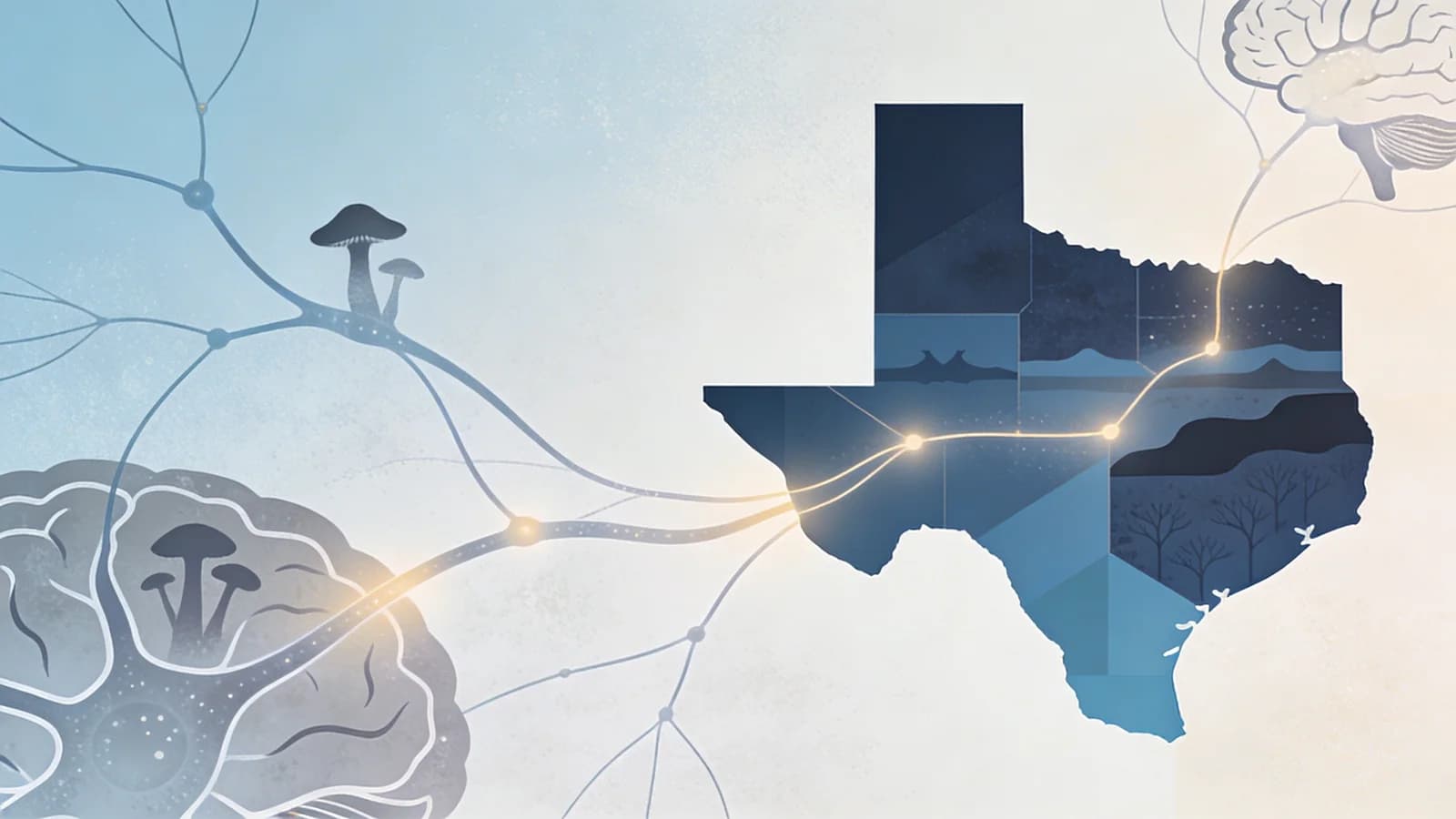
Texas is developing a medical psilocybin program to treat depression, PTSD, and substance use disorders, with support from Trump's executive order and FDA fast-tracking.

FDA grants Fast Track designation to CS-1103, a first-in-class molecule that binds and clears fentanyl from the body, potentially revolutionizing overdose treatment.

The White House releases its 2026 National Drug Control Strategy, introducing controversial new surveillance tools and emphasizing faith-based approaches to addiction treatment.

Landmark settlement bans Sackler family from U.S. opioid sales permanently and delivers $7.4 billion for addiction treatment, prevention, and recovery over 15 years.

American Hospital Association urges federal investment in loan repayment and training programs to address severe provider shortages affecting 75% of rural health professional shortage areas.

Trump administration reverses harm reduction policy, prohibiting federal funds for drug testing supplies and sterile syringes while emphasizing abstinence-based recovery approaches.

NIH-funded trial shows GLP-1 drug combined with cognitive behavioral therapy significantly reduces heavy drinking days in patients with alcohol use disorder and obesity.

Trump administration's new drug control strategy includes national wastewater monitoring, artificial intelligence cargo screening, and expanded faith-based treatment options.

Allegheny County's innovative program uses GLP-1 medications like Ozempic and Wegovy to reduce substance use and keep parents with their children.

Trump administration's new SAMHSA guidance blocks federal funds for fentanyl test strips, syringes, and smoking supplies while allowing naloxone and wound care.

Local governments in South Dakota have spent less than half of $9.6 million in opioid settlement funds, raising questions about accountability and effective crisis response.

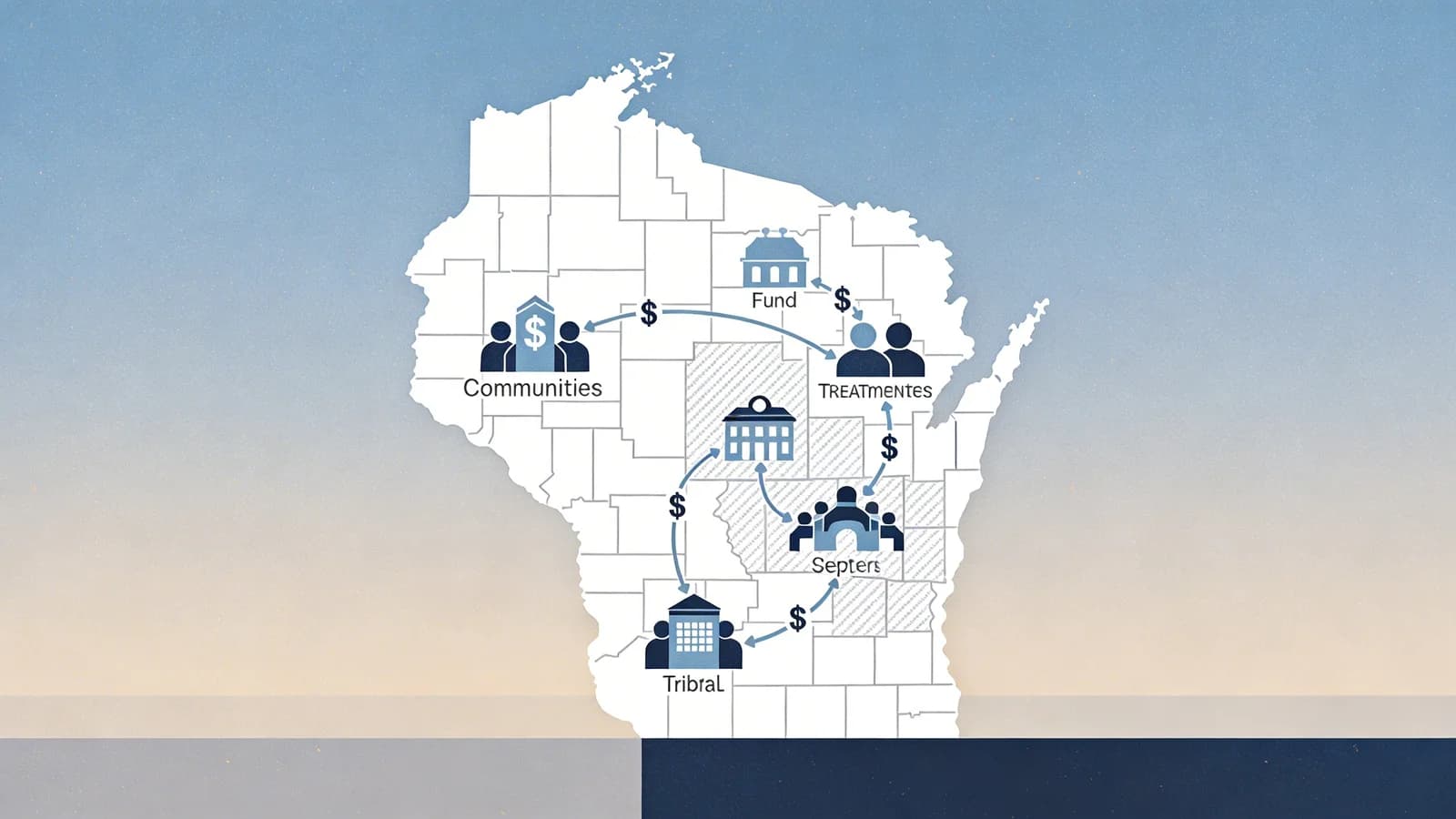
Despite federal relaxations, Wisconsin's restrictive methadone regulations force patients to visit clinics seven days a week, creating barriers to treatment access.

Georgia's Opioid Crisis Abatement Trust launches Year 3 funding with $20 million in grants, bringing total allocation to $90 million for addiction treatment and prevention.

New research shows natural disasters disrupt access to buprenorphine and methadone, prompting calls for emergency policy reforms to protect patients in recovery.

New research reveals 40% of Americans face mental health provider shortages, with rural and low-income communities hardest hit. States respond with loan repayment programs, pipeline initiatives, and data-driven workforce planning.

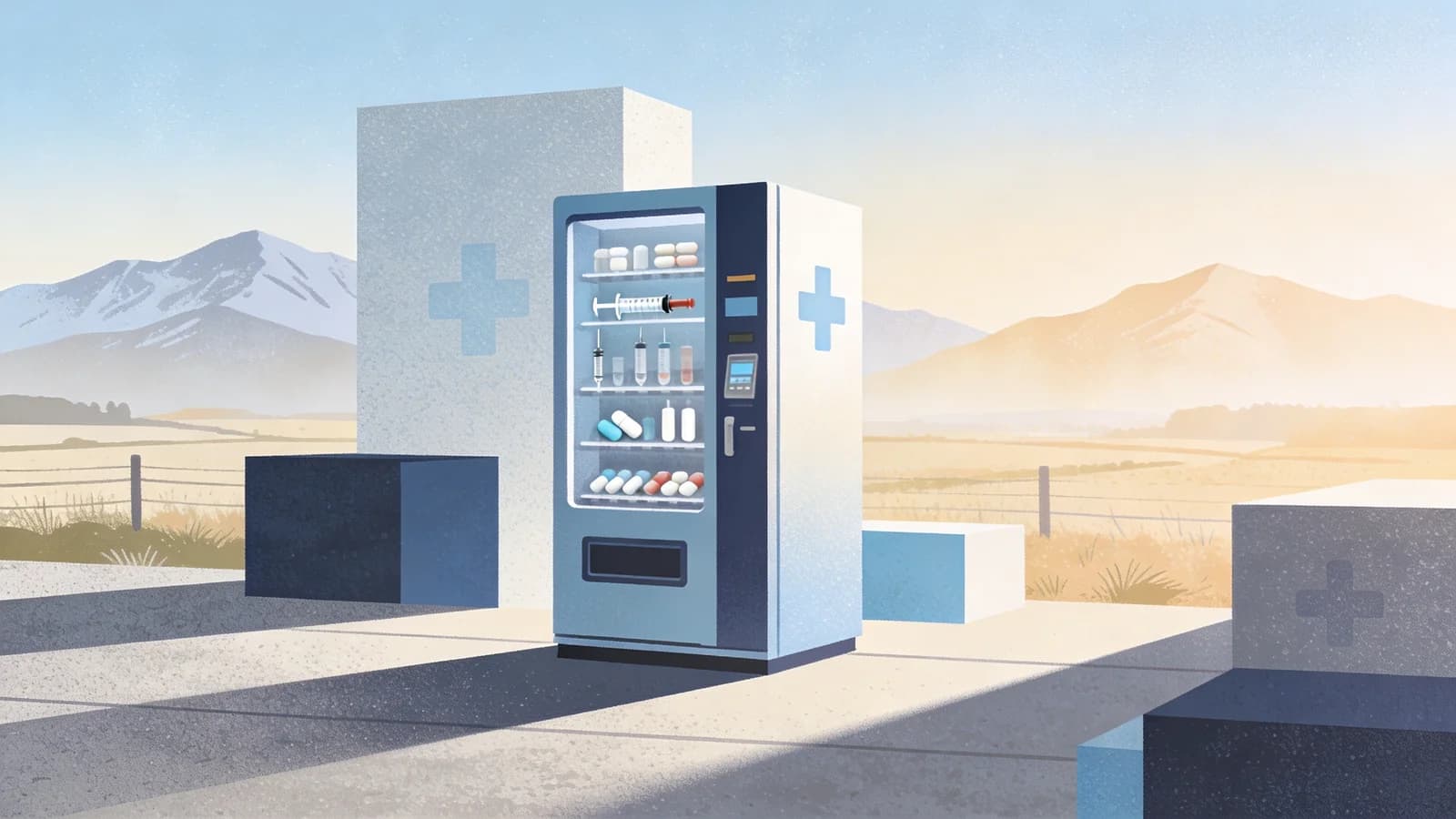
Innovative 'Health to Go' vending machine in Millersburg offers free naloxone, drug checking strips, and health supplies while connecting users to community services through an interactive touchscreen interface.

Kentucky's Opioid Abatement Advisory Commission announces largest settlement distribution yet, funding prevention, treatment, and recovery programs across the state.

Togus VA Medical Center opens Maine's first residential substance use disorder program for veterans, ending years of out-of-state travel for inpatient care.

Agency accelerates regulatory action on psilocybin, methylone, and noribogaine following Trump executive order, issuing priority vouchers and clearing Phase 1 studies.

In a historic first, the FDA clears DemeRx's noribogaine hydrochloride for Phase I study, marking the first US clinical trial of an ibogaine-derived compound for addiction treatment.

Tens of thousands of individuals harmed by OxyContin will receive nothing from Purdue's $7.4 billion bankruptcy settlement after strict eligibility changes and documentation requirements.

State Department deploys economic sanctions against sophisticated supply chain providing precursor chemicals to Sinaloa Cartel, implementing Executive Order designating fentanyl as Weapon of Mass Destruction.

Leaked details reveal DEA plans to limit telehealth prescriptions for controlled substances, requiring 50% in-person visits and affecting buprenorphine access for opioid use disorder treatment.

Study of 600,000 U.S. veterans finds GLP-1 drugs like Ozempic and Wegovy associated with dramatic reductions in substance use disorder complications, overdoses, and deaths.

White House drug policy leaders meet with DHS, DOJ, and intelligence agencies to align operations against fentanyl trafficking and sign updated committee charter.

New research reveals 20% of U.S. pharmacies refuse to dispense buprenorphine, creating critical barriers to opioid addiction treatment despite federal expansion efforts.

New Jersey will receive $1.1 billion through 2038 from opioid settlements, with funds split between state programs and 262 local governments.

President Trump signed an executive order accelerating psychedelic drug research, directing FDA priority vouchers, Right to Try access, and $50 million in federal-state partnerships.

After years of delay, Mississippi lawmakers finally appropriated opioid settlement funds—but the process exposed deep tensions between community input and political control.

Missouri legislators cut $3 million from naloxone distribution programs, sparking debate over whether lifesaving harm reduction measures have become victims of their own success.

New transparency tool reveals patients face 24-83% fewer in-network options for mental health care, while clinicians earn 16-59% less than physical health providers.

New Pew research reveals 40% of Americans face provider shortages, with rural counties three times more likely to lack psychologists. States respond with loan repayment and pipeline programs.

DEA reports tenfold increase in carfentanil seizures as Chinese precursor crackdown pushes Mexican cartels toward deadlier alternative.

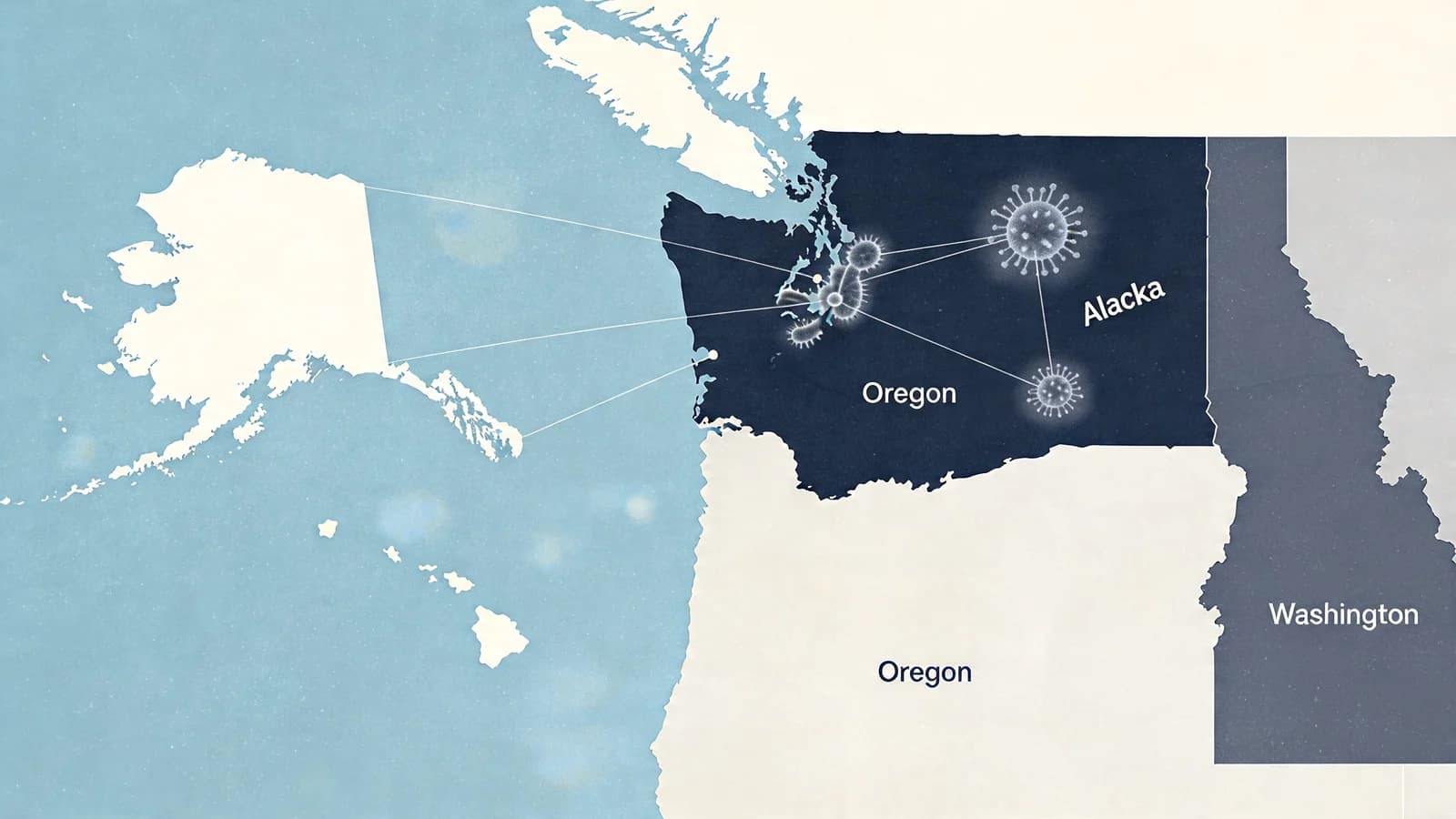
CDC MMWR report reveals 44 cases of invasive Haemophilus influenzae type b disease in Alaska, Oregon, and Washington, predominantly affecting adults using substances or experiencing homelessness.

New JAMA study shows Medicaid expansion significantly increased access to buprenorphine for opioid use disorder, with Oklahoma seeing 43% drop in overdose deaths.

White House prepares executive order to fund research into ibogaine for PTSD and traumatic brain injury, potentially opening new avenues for addiction treatment research.

Federal funding cuts to SAMHSA grants put overdose prevention, naloxone distribution, and peer recovery programs at risk across the United States.

Grocery chain settlement brings Colorado's total opioid settlement recovery past $912 million as state continues negotiating injunctive relief terms with remaining defendants.

Agency will now require only one adequate clinical trial supported by confirmatory evidence, a change officials say reflects advances in biomedical science and could accelerate development of addiction treatments.

CDC data shows historic 37% decline in drug deaths since 2023 peak, but medetomidine, cychlorphine, and nitazenes threaten progress.

ONDCP, SAMHSA, and HUD launch two-day summit to develop national toolkit for treating substance use disorders among homeless populations.

Drug 5-10 times more potent than fentanyl detected in Georgia and Missouri, as new study reveals standard naloxone doses may be insufficient for reversing synthetic opioid overdoses.

With PDUFA date set for June 20, 2026, cytisinicline could become the first novel smoking cessation pharmacotherapy approved by FDA in nearly 20 years.

Lykos Therapeutics slashes workforce by 75% after Complete Response Letter reveals FDA concerns about trial design and durability, forcing psychedelic research firms to reconsider regulatory strategy.

Iowa launches competitive grant program directing 75% of opioid settlement funds toward prevention, treatment, and recovery services across the state.

Phase 3 study of 339 adults finds cheap, widely available medication cuts meth use by seven days per month, offering first pharmacological treatment option for stimulant use disorder.

State health officials announce two-year spending plan prioritizing disproportionately impacted populations, room and board assistance for residential treatment, and naloxone distribution as overdose deaths decline 42.5%.

Federal health officials alert providers to medetomidine, a potent animal sedative spreading through the illegal opioid supply, causing naloxone-resistant overdoses and life-threatening withdrawal.

National Institute on Drug Abuse researchers transform a dangerous synthetic opioid class into a potential therapeutic, creating a compound that relieves pain without causing tolerance, dependence, or fatal overdose risk.
Explore the various addiction treatment options available, from detox and inpatient rehab to outpatient programs and aftercare support.

New clinical criteria establish age-specific guidelines for patients under 18 and transition-aged youth 16-25, emphasizing family involvement and developmentally appropriate care.

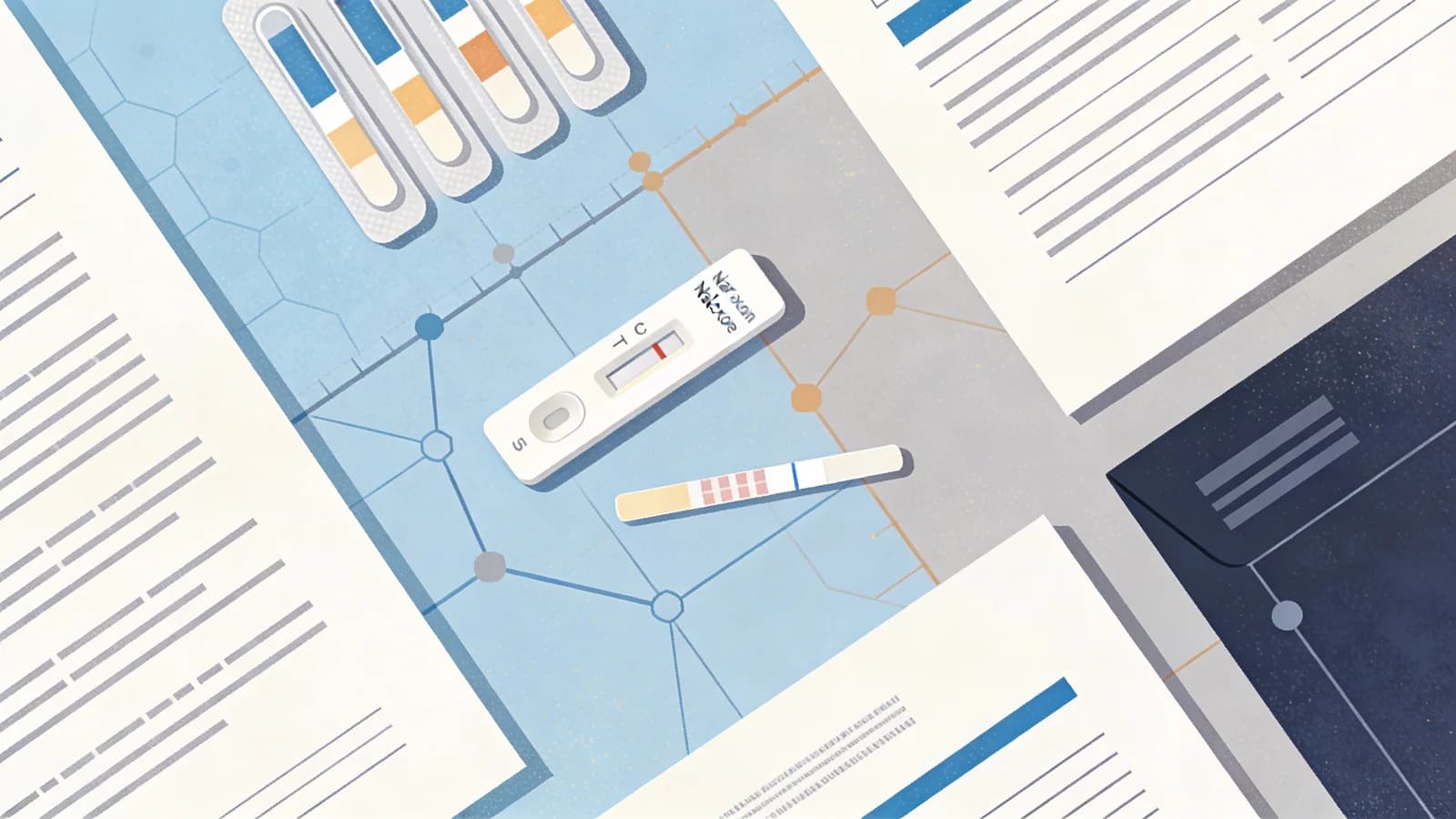
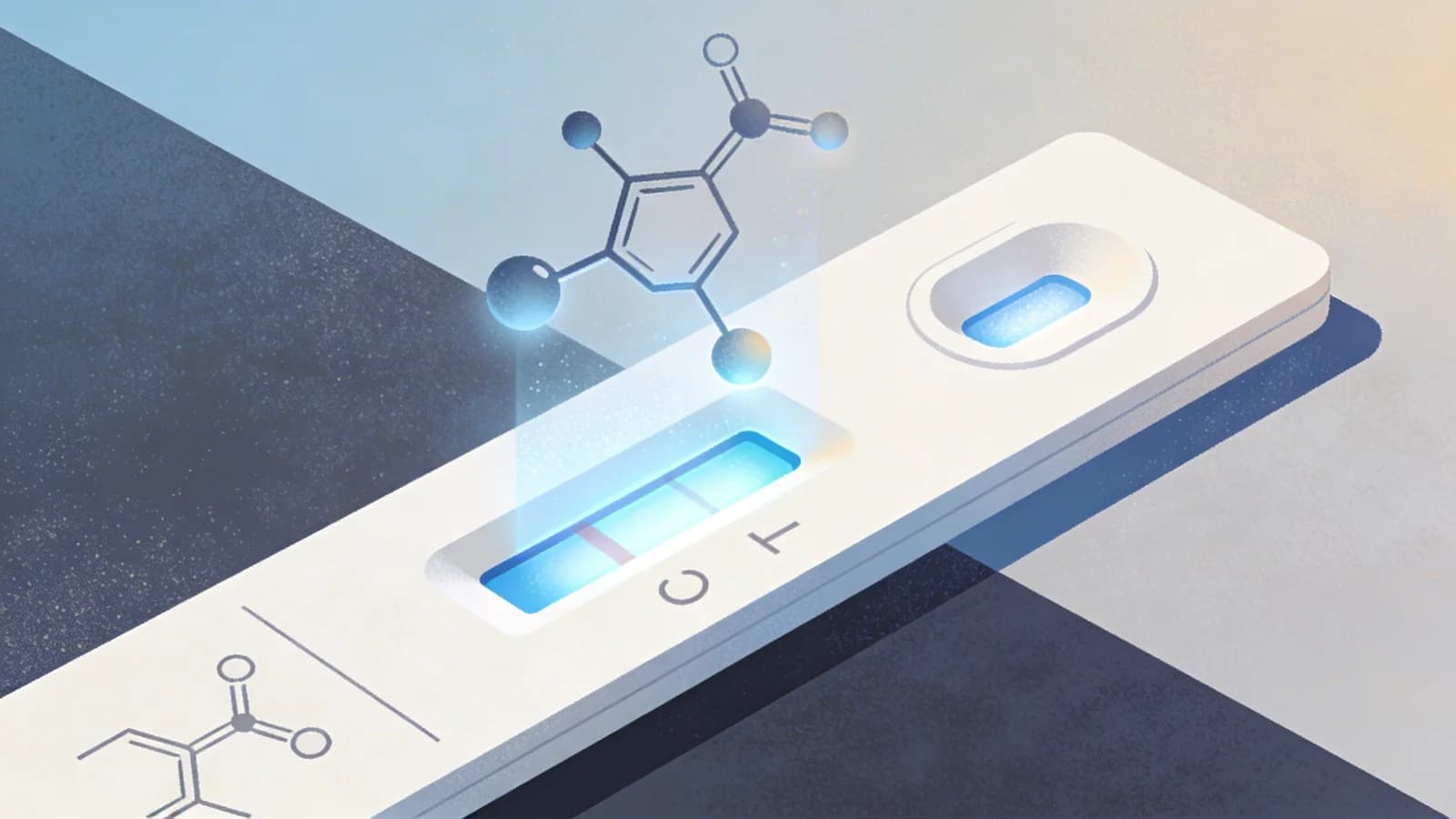
New rapid test detects fentanyl at 7 picograms per milliliter, approaching lab-grade sensitivity in a field-deployable strip that could reshape harm reduction and forensic toxicology.

More than 15 clinical trials are testing whether semaglutide and other GLP-1 receptor agonists can reduce cravings by altering dopamine pathways in the brain's reward system.

University of Kentucky researchers find that experimental Alzheimer's medication MW150 could reduce brain inflammation and neural damage during alcohol withdrawal, potentially lowering relapse rates.

Maryland's new public dashboard tracks $747 million in opioid settlement funds, setting a new standard for accountability in how states distribute restitution dollars from pharmaceutical companies.