Overdose Deaths Fall Nationwide But Surge in Western States, CDC Data Shows
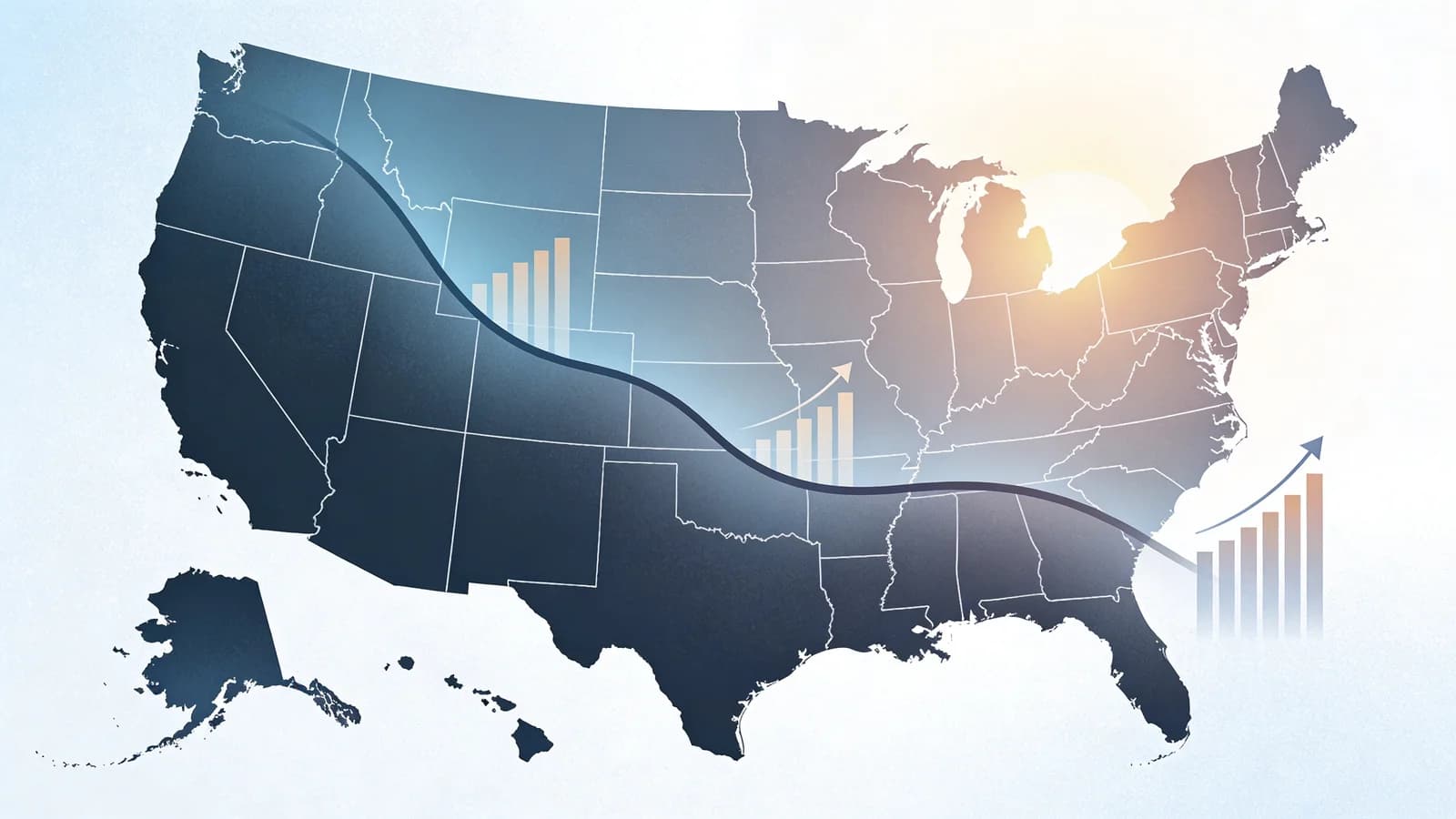
While U.S. overdose deaths dropped 14% in 2025, Arizona, New Mexico and North Dakota saw sharp increases amid evolving drug supply threats.
34 articles found
Browse Rainier Rehab's editorial coverage of Opioid-crisis. Our writers track federal and state policy, peer-reviewed research, treatment innovations, and frontline reporting from the addiction recovery field. Each article in this collection cites primary sources — government datasets (SAMHSA, NIH, CDC), Medicaid and Medicare bulletins, JAMA and Lancet studies, and on-the-record statements from clinicians, regulators, and people in recovery — so readers can verify claims and dig deeper.
We update this tag whenever new opioid-crisis reporting publishes. If you're a researcher, journalist, or family member trying to make sense of substance use disorder treatment, this is the working archive. For a directory of accredited treatment facilities, visit our facilities directory; to compare modalities, see our treatments overview and levels of care guide.


While U.S. overdose deaths dropped 14% in 2025, Arizona, New Mexico and North Dakota saw sharp increases amid evolving drug supply threats.

Federal drug enforcement officials warn that illicit fentanyl increasingly mixed with veterinary sedatives and ultra-potent synthetic opioids is creating unprecedented challenges for overdose reversal.

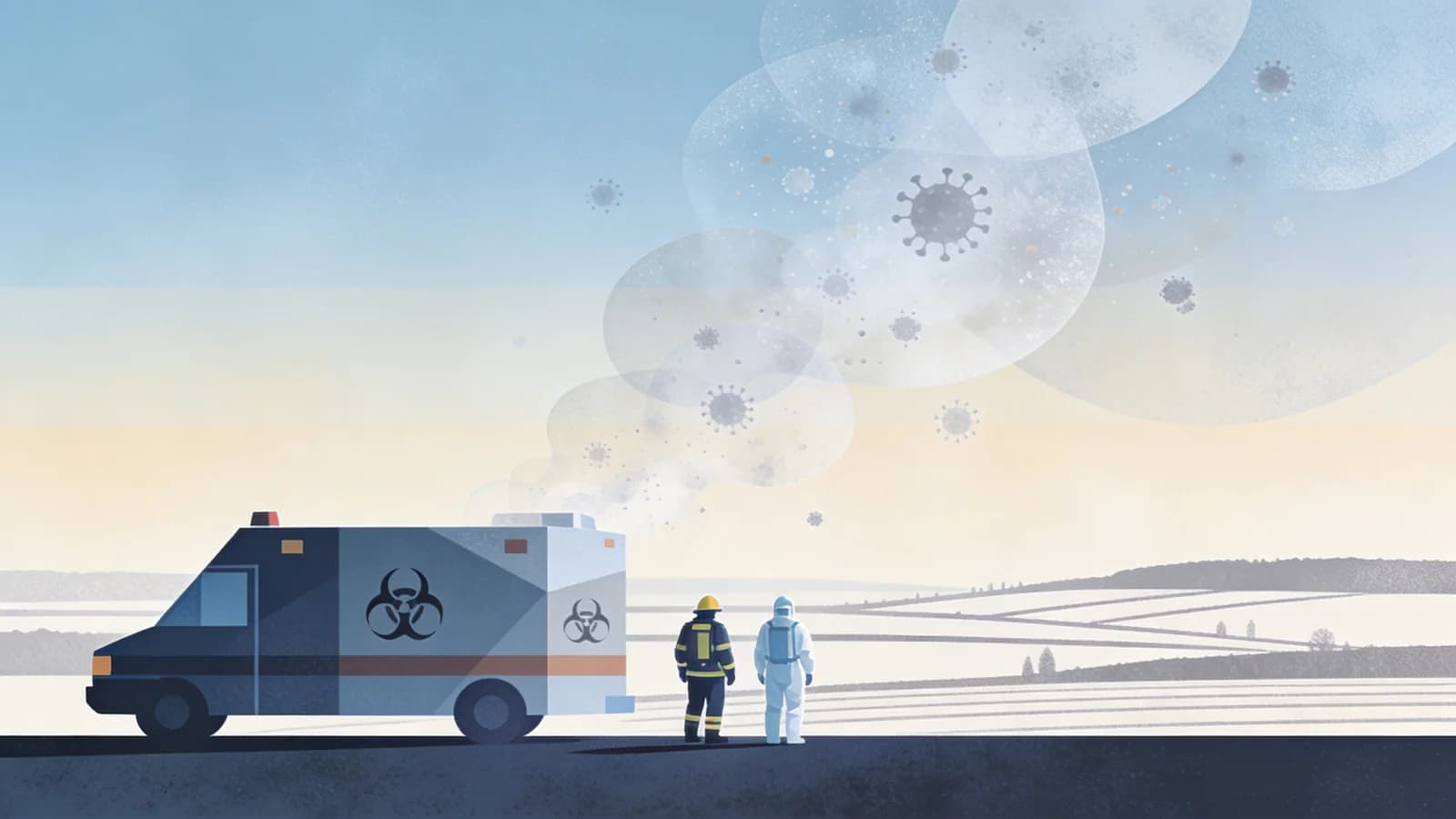
Three dead and 25 exposed including 18 first responders in Mountainair, New Mexico, revealing the escalating risks of potent fentanyl analogs

While overdose deaths fell 15% nationwide, Colorado and several Western states saw increases driven by fentanyl-methamphetamine combinations.
Michigan Attorney General Dana Nessel unveils comprehensive spending guidance and public reporting tools to ensure opioid settlement funds reach communities in need.

State auditor finds Arizona Department of Corrections may have unlawfully spent opioid settlement money without proving inmates contracted hepatitis C from IV drug use.

CDC reports nearly 70,000 overdose deaths in 2025, a 14% drop and the longest sustained decline in decades, though challenges remain in several states.

New research reveals 21% of opioid overdose survivors experience repeat overdoses within a year—far exceeding previous estimates—as fentanyl transforms the crisis landscape.

Trump administration's new drug control strategy includes national wastewater monitoring, artificial intelligence cargo screening, and expanded faith-based treatment options.

Preliminary CDC data shows approximately 70,000 Americans died of drug overdoses in 2025, the lowest since before the pandemic, though experts caution the crisis is far from over.

Maryland's new public dashboard tracks $747 million in opioid settlement funds, setting a new standard for accountability in how states distribute restitution dollars from pharmaceutical companies.

KFF Health News investigation reveals systemic gaps in accountability as billions in opioid settlement dollars flow to states with minimal oversight.

Six patients with refractory back pain went from 9.5 to zero on the pain scale after a targeted spinal artery infusion, and two stopped opioids entirely.

A Penn State study in PNAS found opioid overdose deaths rose 26% in Appalachian counties after severe floods and stayed elevated for as long as a decade.

A University of Manchester study of 32,909 hospital patients ranked opioids by respiratory depression risk, finding fentanyl 3.36 times riskier than codeine.

The National Institute on Drug Abuse awarded Ensysce a $5.3 million installment to advance PF614-MPAR, an opioid engineered to limit its own release during overdose.

State ranks near bottom in national accountability as opioid settlement funds prove difficult to track
KFF's new tracker reveals how the second Trump administration is reshaping federal mental health and substance use policy through law-and-order approaches and treatment-focused initiatives.

The Substance Abuse and Mental Health Services Administration unveils $281 million in funding across 15 grant programs to expand medication-assisted treatment, overdose prevention, and recovery services nationwide.

New report finds 90% of Kentucky's local opioid settlement funds remain unspent as overdose deaths continue, raising questions about accountability and urgency.

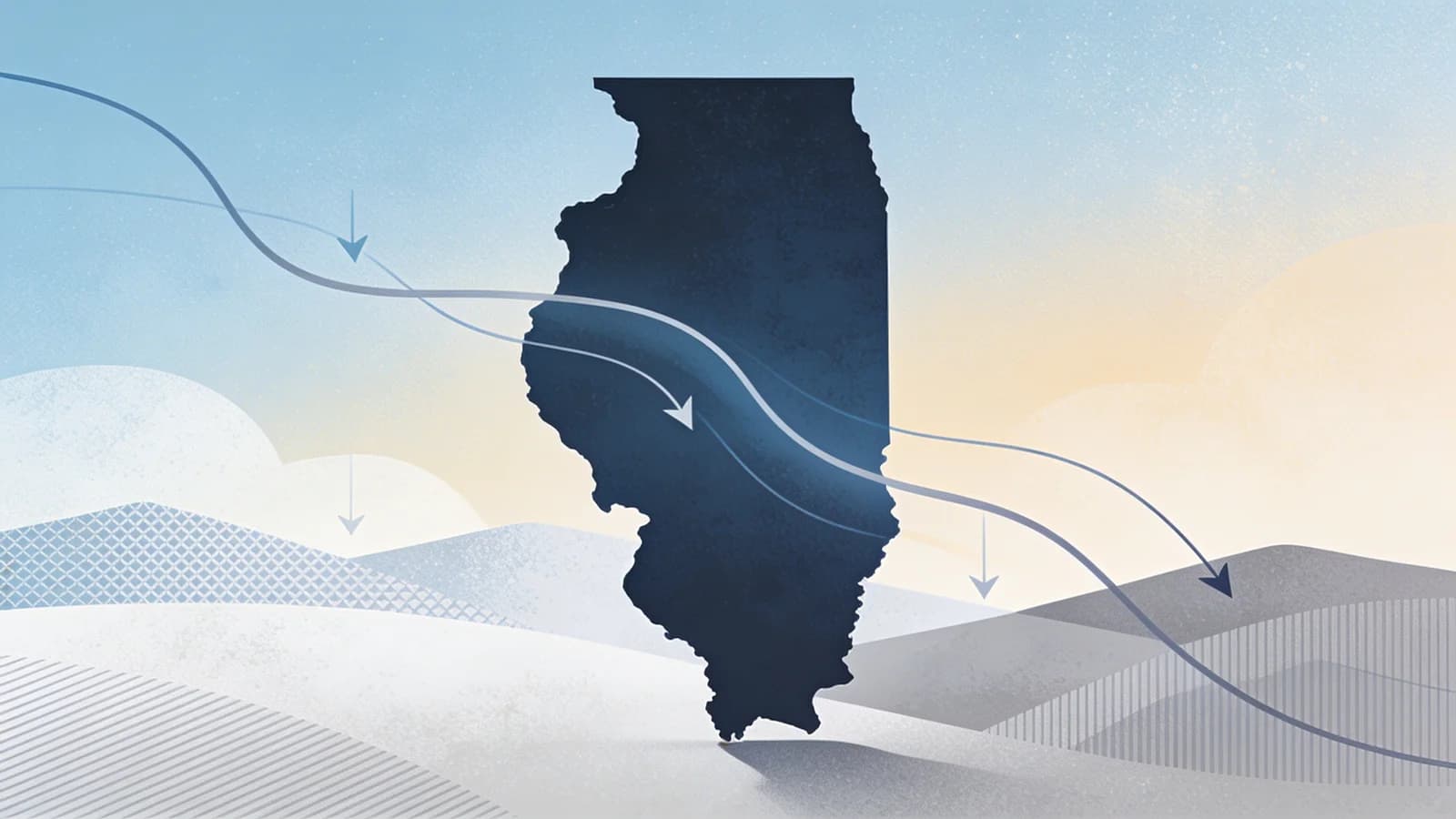
New state data reveals significant decline in opioid overdose deaths across Illinois, with Cook County and Chicago leading the reduction through expanded treatment access and harm reduction initiatives.

A powerful veterinary tranquilizer mixed with fentanyl is causing excruciating, complex withdrawal symptoms that many correctional facilities are unprepared to handle.

New CDC data reveals 9,651 drug overdose deaths in U.S. hotels and motels from 2022-2024, with bystanders present but failing to respond in most cases.

Missouri county announces distribution of opioid settlement money to nine local organizations for prevention, treatment, and recovery services.

LA County reports 2,298 accidental drug overdose deaths in 2025, down 6% from previous year and 29% from 2022 peak, driven by harm reduction investments

North Carolina's Wake County invites residents to help shape how opioid settlement funds will be invested over 17 years to combat the overdose crisis

As New Mexico records the nation's highest overdose death increase, a whistleblower reveals DEA agents permitted massive fentanyl shipments to build larger cases.

Five rural Arizona sheriff's offices will receive $2 million each to expand reentry services for formerly incarcerated individuals battling addiction.

Super-potent synthetic opioids called nitazenes are flooding the U.S. drug supply, causing hundreds of deaths and overwhelming harm reduction efforts.

Metro's Office of Internal Audit identifies governance gaps, interference in review process, and insufficient performance tracking in $23 million opioid settlement program

New TOPS initiative replaces scare tactics with evidence-based behavioral change strategies, video games, and graphic novels created by teens

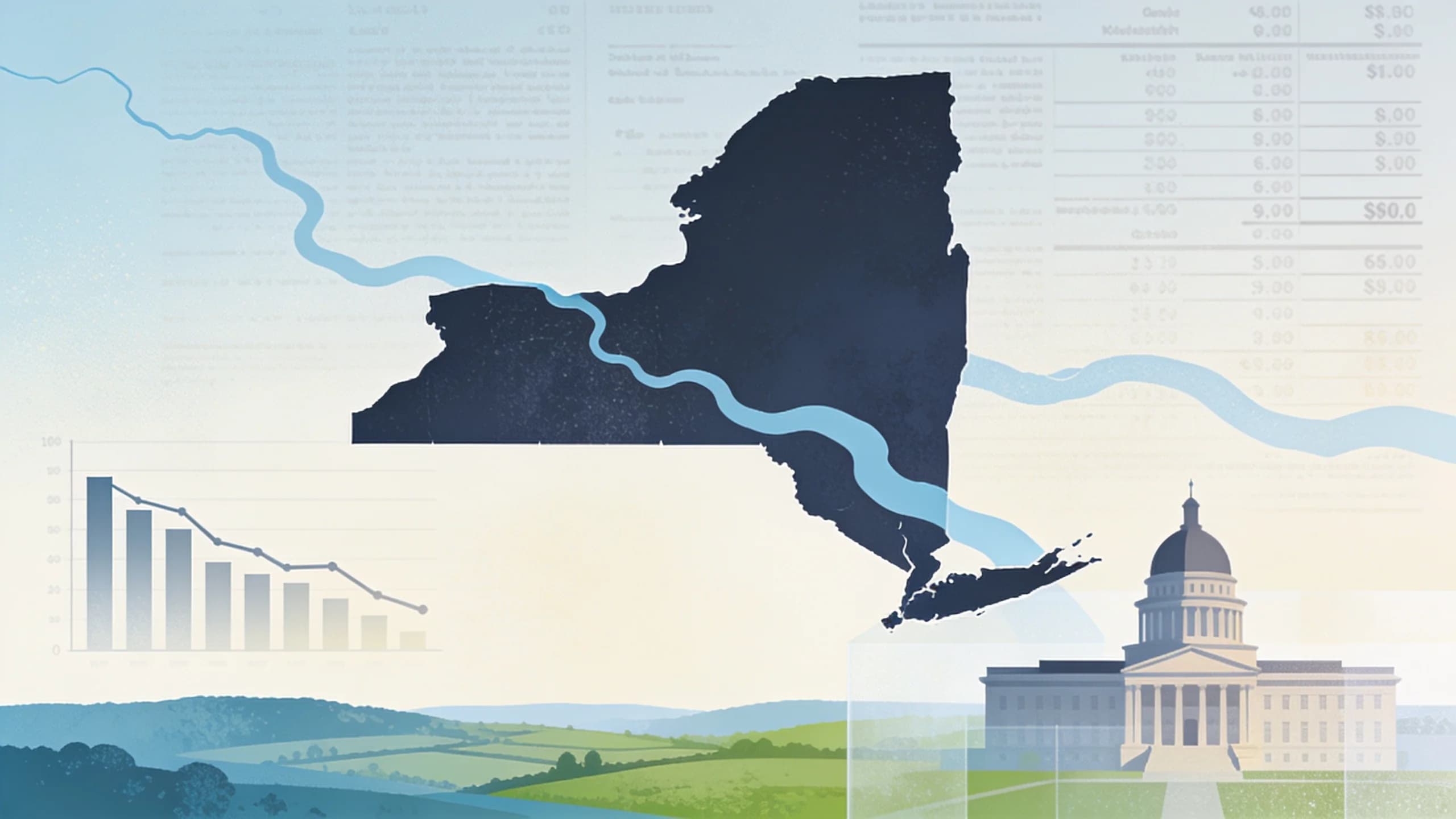
Columbia County, New York releases its first comprehensive report tracking opioid settlement funds, revealing declining annual payments and detailed spending priorities for addiction treatment.

Rhode Island overdose deaths fell to 219 in 2025, a 50% decline from 2022, surpassing the state's 2030 reduction goal. Learn how harm reduction and naloxone distribution contributed.

A new federal Request for Information invites patients, providers and researchers to tell HHS which addiction programs work — with comments due July 5, 2026.