
Drug & Alcohol Rehab Centers in New Mexico
New Mexico's addiction treatment system operates in a state that has been at the epicenter of America's substance use crisis for decades. With roughly 250 licensed treatment facilities, the state offers services from medical detoxification and residential treatment to intensive outpatient programs and telehealth-delivered recovery services. The New Mexico Human Services Department, Behavioral Health Services Division (BHSD), oversees substance use disorder treatment licensing, funding, and quality standards. New Mexico has consistently ranked among the top states nationally for drug overdose death rates — a crisis driven by the convergence of heroin trafficking corridors from Mexico, widespread prescription opioid misuse, and the arrival of fentanyl.
The state's substance use landscape reflects its unique geography and demographics. Heroin has been deeply embedded in northern New Mexico communities — particularly along the Rio Grande corridor from Albuquerque through Santa Fe to Espanola and Taos — for generations, predating the broader national opioid crisis. Fentanyl has now infiltrated these same supply chains, dramatically increasing overdose fatality rates. Methamphetamine is a major threat, especially in rural and border communities. Alcohol use disorder remains devastatingly prevalent, with New Mexico consistently recording among the highest alcohol-related death rates in the nation. Native American communities — comprising nearly 11% of the state's population across 23 tribal nations and pueblos — face disproportionately severe substance use challenges, as do Hispanic/Latino communities that make up nearly half the population.
New Mexico's treatment infrastructure includes culturally adapted programs that reflect the state's diverse population. The University of New Mexico (UNM) Health Sciences Center in Albuquerque operates one of the nation's leading addiction medicine programs, including Project ECHO — which originated at UNM to extend specialist consultation to rural providers worldwide. Evidence-based modalities including medication-assisted treatment (MAT), cognitive behavioral therapy (CBT), motivational interviewing, and 12-step facilitation are complemented by culturally grounded approaches incorporating traditional healing practices for Native American and Hispanic communities.
Addiction Treatment Landscape in New Mexico
New Mexico's substance use crisis has deep historical roots. The state's proximity to the Mexican border creates direct heroin and fentanyl trafficking corridors, while poverty, rural isolation, and generational trauma in Native American and Hispanic communities compound vulnerability. BHSD administers state and federal funding for substance use disorder services, coordinating with managed care organizations through the Centennial Care Medicaid program and with tribal behavioral health programs that serve sovereign Native nations.
Key statistics:
- Approximately 850 drug overdose deaths in 2022 (New Mexico Department of Health)
- Roughly 250 licensed substance use treatment facilities statewide (SAMHSA N-SSATS)
- New Mexico has historically ranked #1-3 nationally for per-capita overdose death rate
- Native American overdose death rates are 3-5 times the statewide average
The heroin and opioid crisis in New Mexico has a geographic signature unlike most states. The "Heroin Highway" — the corridor from the Mexican border through Albuquerque to northern New Mexico — has supplied communities for decades. Rio Arriba County (Espanola) has at times recorded the highest per-capita overdose death rate of any county in the United States. Methamphetamine has surged in border communities and rural areas, while alcohol exacts a staggering toll — New Mexico consistently leads the nation in alcohol-related deaths per capita, with Native American communities bearing a disproportionate burden.
New Mexico expanded Medicaid under the ACA through its Centennial Care managed care program, covering adults earning up to 138% of the federal poverty level. This expansion has been critical for treatment access in a state where poverty rates are among the highest nationally. UNM's addiction medicine program, including the globally recognized Project ECHO model, has transformed how rural and underserved communities access specialist care. The state has also invested in culturally adapted treatment for Native American and Hispanic populations, harm reduction services, and peer support specialist certification.
Types of Treatment Available in New Mexico
New Mexico offers addiction treatment across the levels of care defined by the American Society of Addiction Medicine (ASAM), with increasing emphasis on culturally responsive and telehealth-delivered services:
- Medical Detoxification: Hospital-based and standalone detox programs are available in Albuquerque, Las Cruces, Santa Fe, and Farmington. UNM Hospital in Albuquerque operates the state's most comprehensive withdrawal management service. Tribal health facilities provide detox services on some reservations.
- Residential Treatment: Programs ranging from 30 to 90 days operate in Albuquerque, Santa Fe, Las Cruces, and other communities. Shadow Mountain, Hoy Recovery Program, and UNM-affiliated providers offer residential options. Several programs specialize in culturally adapted treatment for Native American and Hispanic individuals.
- Partial Hospitalization (PHP): Structured day treatment programs providing intensive clinical services, primarily available in Albuquerque and Las Cruces through health system affiliates and specialty behavioral health providers.
- Intensive Outpatient (IOP): Programs meeting 3-5 days per week are available in urban centers and increasingly through telehealth for rural and tribal communities. IOP represents the most accessible intensive treatment option across the state.
- Standard Outpatient: Weekly individual and group therapy for ongoing recovery support, available through community behavioral health agencies and federally qualified health centers statewide.
- Telehealth Services: New Mexico is the birthplace of Project ECHO, which uses telehealth to extend specialist consultation to rural and tribal communities. Virtual treatment options are critical for communities across the state's vast and sparsely populated geography.
Medication-assisted treatment (MAT) with buprenorphine, naltrexone, and methadone is a critical component of New Mexico's treatment system, given the severity of the opioid crisis. UNM and community health centers have expanded MAT access through Project ECHO training and direct telehealth prescribing. 12-step programs, SMART Recovery, culturally grounded healing practices incorporating traditional Native American and Hispanic ceremonies, and peer recovery support services complement clinical treatment across the state.
Insurance & Centennial Care (Medicaid) Coverage in New Mexico
New Mexico expanded Medicaid under the ACA through Centennial Care, the state's comprehensive managed care program covering adults earning up to 138% of the federal poverty level. In a state with one of the highest poverty rates nationally, Medicaid expansion has been transformative for addiction treatment access. Approximately 900,000 New Mexicans — nearly 40% of the population — are enrolled in Medicaid, making it the single most important insurer for substance use disorder treatment in the state.
- Outpatient substance use disorder treatment and counseling
- Intensive outpatient programs (IOP)
- Residential treatment (with prior authorization through MCOs)
- Medically supervised detoxification and withdrawal management
- Medication-assisted treatment (MAT) including buprenorphine, naltrexone, and methadone
- Mental health services for co-occurring disorders
- Peer recovery support services
- Culturally adapted treatment programming
Centennial Care is administered through managed care organizations including Blue Cross Blue Shield of New Mexico, Presbyterian Health Plan, and Western Sky Community Care (Centene). Native American Medicaid enrollees may receive services through tribal health facilities, Indian Health Service (IHS), or urban Indian health organizations in addition to MCO-contracted providers.
Private insurance in New Mexico must comply with the federal Mental Health Parity and Addiction Equity Act (MHPAEA). Major insurers including Blue Cross Blue Shield of New Mexico, Presbyterian, UnitedHealthcare, and Cigna operate in the state. SAMHSA's National Helpline (1-800-662-4357) provides free referrals for anyone seeking treatment regardless of insurance or immigration status.
Want us to find the perfect facility for you?
Call now - it's completely free!
Showing 20 of 139 results
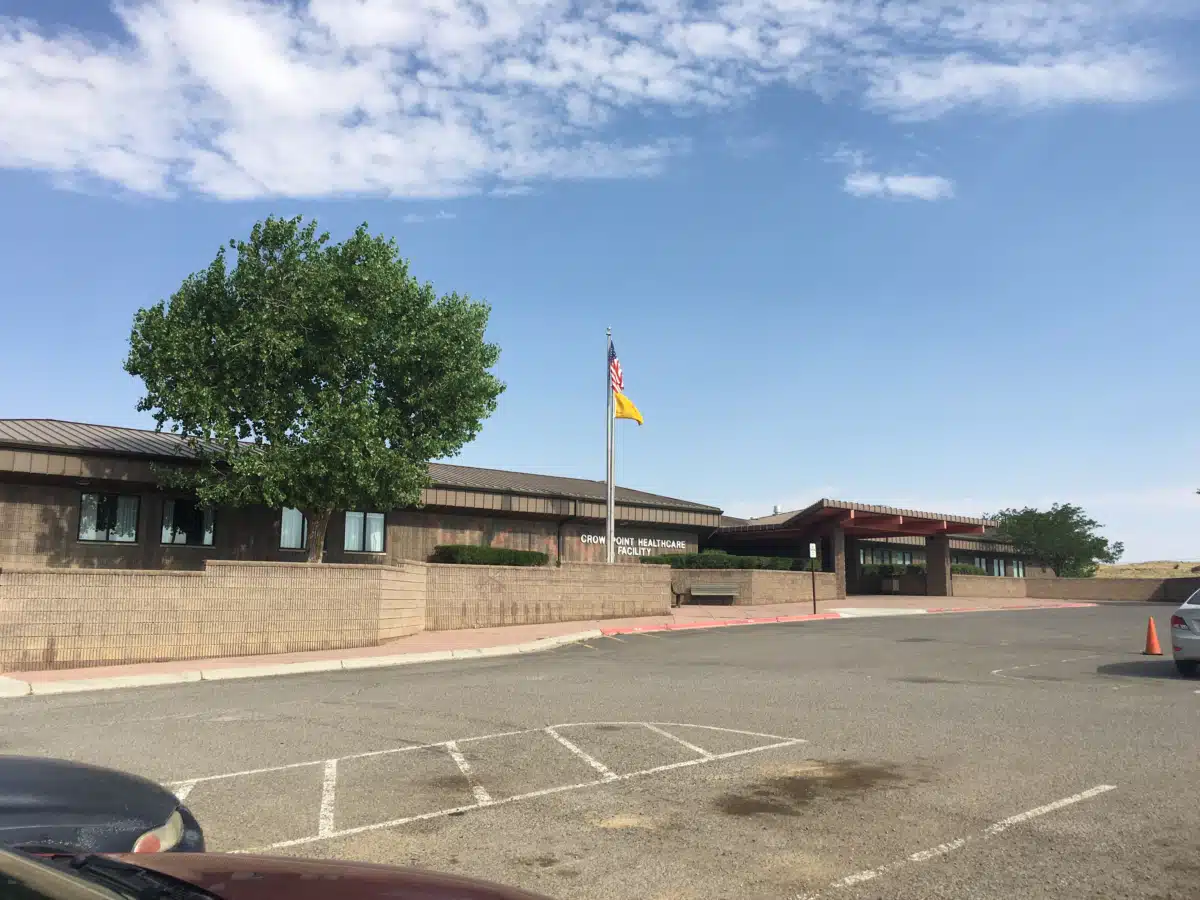
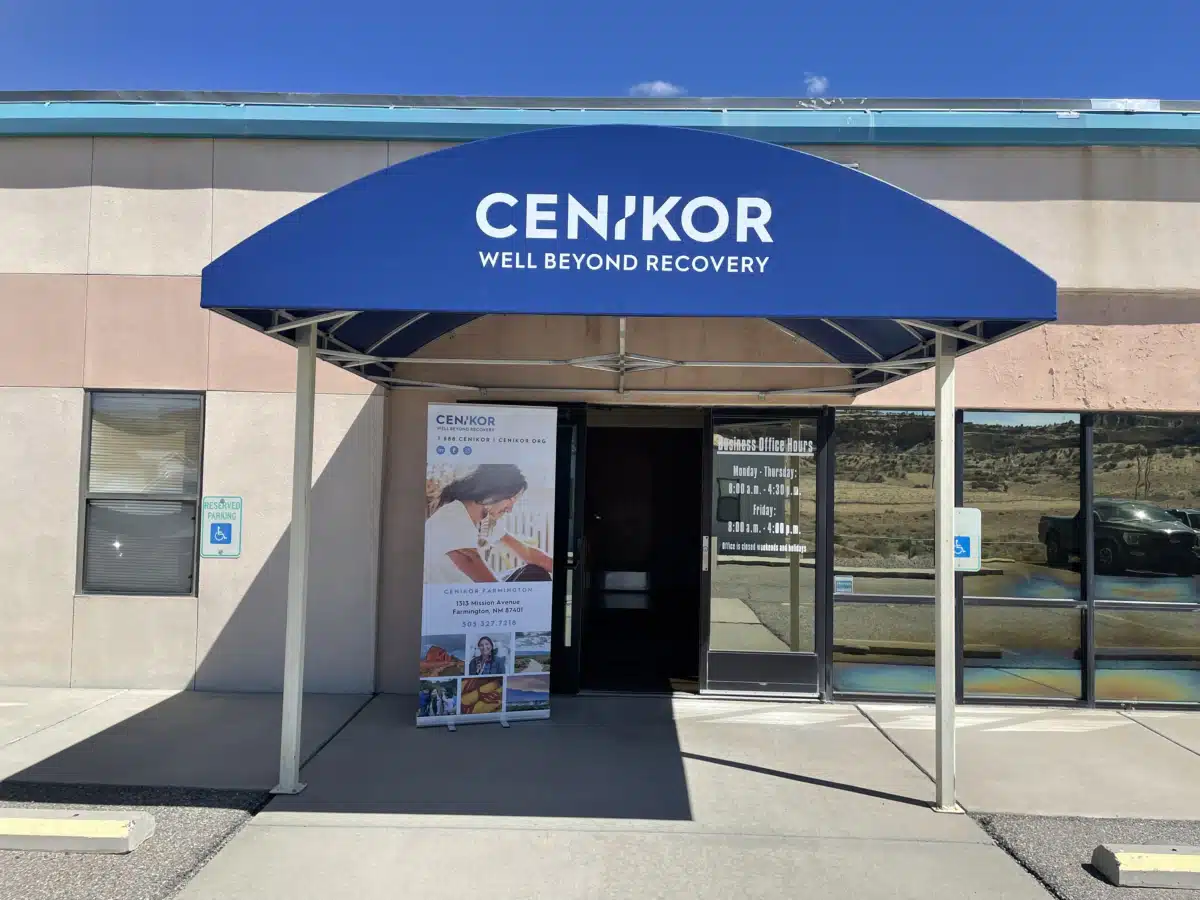
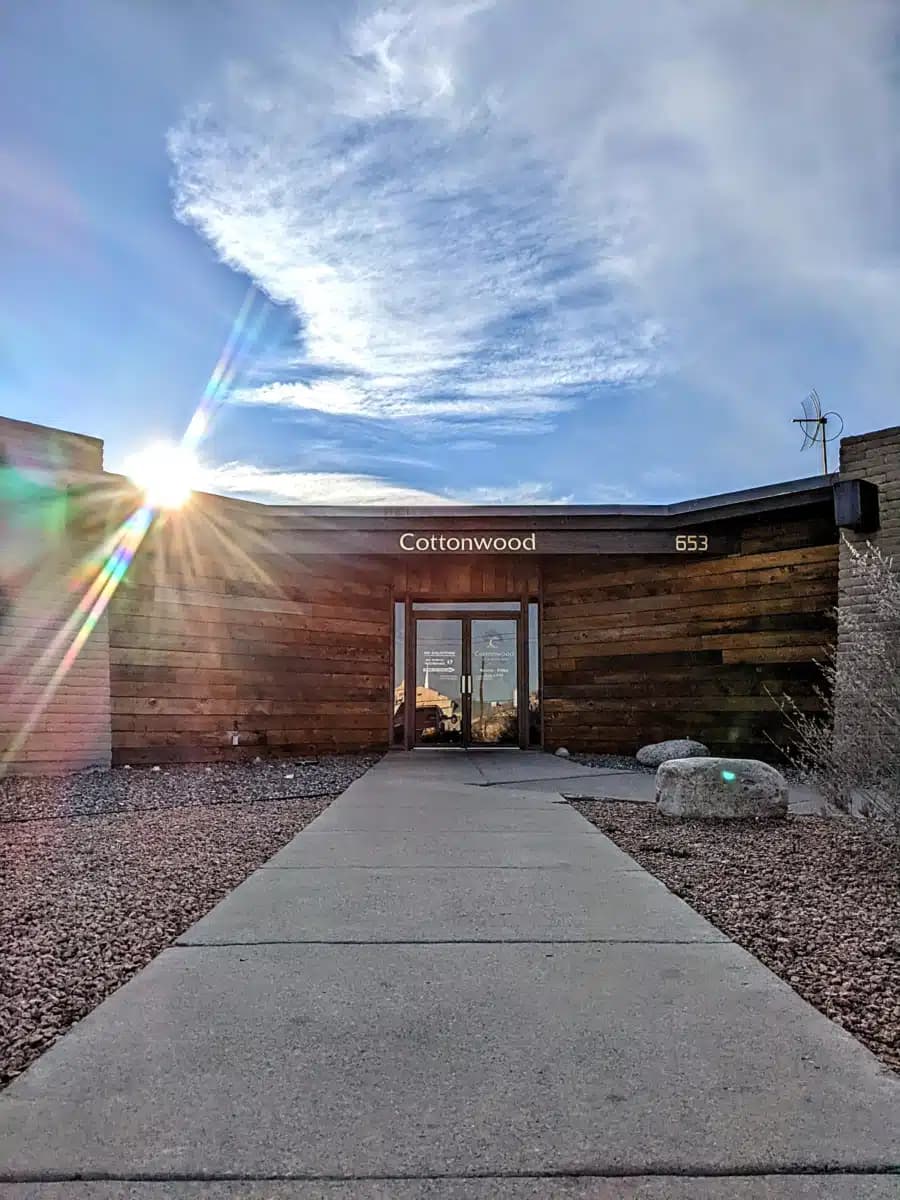
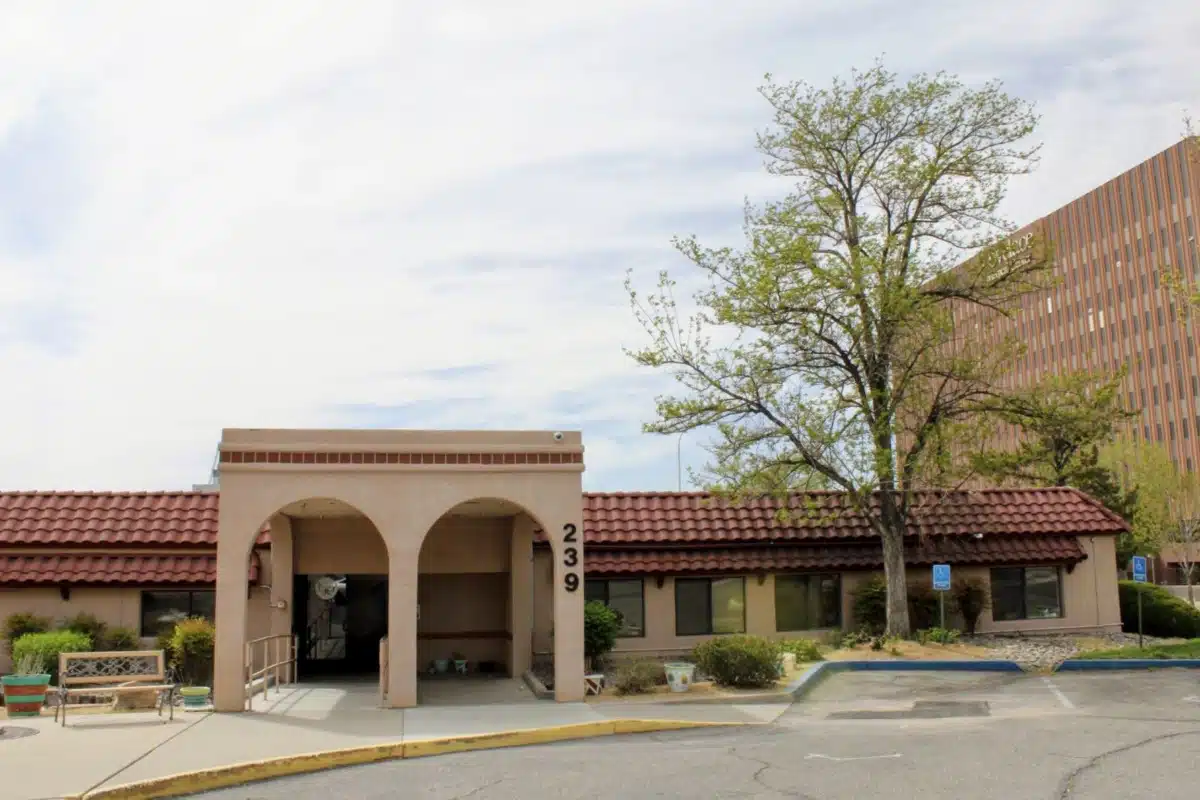
The Pavilion


Metro Treatment of New Mexico LP

Herstel Ranch
Villa de Esperanza
Recycled Man LLC
Behavioral Health Services CARE Campus
Telehealth
Treatment Highlights in New Mexico
Popular Cities in New Mexico
Albuquerque
36 centers
Las Cruces
11 centers
Espanola
8 centers
Gallup
6 centers
Santa Fe
6 centers
Rio Rancho
5 centers
Anthony
4 centers
Los Lunas
4 centers
View all 51 cities in New Mexico
Frequently Asked Questions About Treatment in New Mexico
Sources
Medical Disclaimer
The information on this page is for educational purposes and is not a substitute for professional medical advice. If you or someone you know is experiencing a substance use crisis, call the SAMHSA National Helpline at 1-800-662-4357 (free, confidential, 24/7). For immediate danger, call 911 or the 988 Suicide & Crisis Lifeline by dialing 988.