
Opioid Addiction Rehab Centers
The opioid epidemic has affected communities across America, making access to quality treatment more important than ever. Opioid addiction rehab centers offer life-saving medication-assisted treatment (MAT) using FDA-approved medications like buprenorphine, methadone, and naltrexone, combined with comprehensive behavioral therapies. These programs provide medical supervision during withdrawal, individual and group counseling, trauma-informed care, and relapse prevention strategies. Whether struggling with prescription opioids, heroin, or synthetic opioids like fentanyl, specialized opioid treatment programs can provide the foundation for sustainable recovery.
Found 42 rehab centers specializing in opioid addiction across the United States.
Want us to find the perfect facility for you?
Call now - it's completely free!
Showing 20 of 42 opioid addiction rehab centers

Nestled in Tyler, TX, the "Addiction Alternatives for Opioid" facility is dedicated to providing specialized outpatient services for those looking to detox and seek treatment for substance use issues. Their program encompasses a range of essential services, including outpatient detoxification, as well as medication-assisted treatments using methadone, buprenorphine, or naltrexone. What sets this facility apart is its commitment to evidence-based practices. They incorporate techniques like brief intervention, cognitive behavioral therapy, and motivational interviewing to create a supportive environment for recovery. Moreover, the center recognizes the unique needs of its clients by offering tailored programs for adult men and women, as well as those who have experienced intimate partner or domestic violence. This inclusive approach ensures that both adults and young adults, regardless of gender, receive personalized care that emphasizes quality and a holistic approach to recovery. Whether you or someone you know is seeking help, the dedicated team at this facility is ready to assist on the journey to wellness.
View Details
Located in Saint Louis, MO, CareSTL Health Riverview is dedicated to providing comprehensive outpatient treatment options for those grappling with substance use issues and co-occurring disorders. The facility caters to both adults and children, recognizing the diverse needs of its clientele. Understanding that different populations require different approaches, CareSTL Health Riverview offers specialized programs tailored for active-duty military personnel, adolescents, and adult men. This thoughtful segmentation ensures that each group receives the most appropriate support and guidance for their unique circumstances. At CareSTL Health Riverview, the treatment approaches are varied and designed to meet individual needs. This includes techniques such as anger management and cognitive behavioral therapy, alongside brief interventions that can make a significant impact on the recovery journey. The center is committed to providing personalized care that acknowledges the complexities of each person's experience. In addition to these therapeutic services, CareSTL Health Riverview offers outpatient treatment options that include methadone, buprenorphine, or naltrexone for those needing support with opioid dependency. Regular outpatient services are also available, catering to both men and women, reinforcing the center's commitment to accessible and quality care. With a focus on evidence-based practices, CareSTL Health Riverview stands out as a supportive environment for adults and seniors of all genders. The center aims not only to facilitate immediate recovery but also to lay down a foundation for long-lasting wellness in its patients.
View Details
Situated in Chester, IL, ComWell stands out as a well-rounded facility dedicated to rehabilitation services. Their primary focus is on substance use treatment, catering to those who are struggling with addiction while also addressing the complexities of mental health. This includes support for adults dealing with co-occurring serious mental health conditions and children facing significant emotional challenges. ComWell offers a variety of treatment options designed to fit different needs. These include intensive outpatient programs for those requiring more structured support, as well as standard outpatient care for individuals seeking flexibility. For those specifically battling opioid dependency, the facility provides outpatient treatment options that feature medications like methadone, buprenorphine, or naltrexone. The facility employs a diverse approach to treatment, integrating methodologies such as 12-step facilitation and anger management strategies, alongside brief interventions tailored to each individual’s situation. They particularly emphasize special programs that cater to trauma survivors and people managing both mental health and substance use disorders simultaneously. Importantly, ComWell is committed to delivering individualized care. Their services are thoughtfully designed for adults and children or adolescents of all genders, ensuring that everyone receives the quality support they need on their journey to recovery.
View Details
Daymark Recovery Services, located in Salisbury, NC, is dedicated to offering a broad range of treatment options for individuals grappling with substance use issues. They specialize not only in addressing substance use disorders but also in providing care for those who are facing severe mental health challenges alongside their addictions. This focus extends to children experiencing significant emotional disturbances as well. The facility provides an array of programs designed to meet different needs. These include intensive outpatient treatment and standard outpatient services, along with specialized outpatient options utilizing methadone, buprenorphine, or naltrexone for those seeking assistance with opioid dependence. Daymark Recovery Services also places a strong emphasis on various therapeutic approaches, such as anger management, brief interventions, and cognitive behavioral therapy. Their programs are tailored for adolescents and adults, with dedicated services for both men and women to ensure individualized care. When you choose Daymark Recovery Services, you can expect not just quality care, but also personalized treatment plans that reflect your unique circumstances. This renowned rehabilitation center is committed to fostering recovery through compassionate and effective care.
View Details
Situated in the heart of Geneva, NY, Finger Lakes Addictions Counseling offers a wide range of comprehensive treatment options for individuals grappling with substance use issues, including those facing concurrent mental health challenges. This facility provides outpatient services that incorporate a variety of effective methods, such as methadone and buprenorphine treatments—key components in addressing opioid addiction. At Finger Lakes, the focus is firmly on evidence-based practices, with a strong emphasis on cognitive behavioral therapy and anger management techniques. Understanding that addiction affects people from all walks of life, this center offers tailored programs specifically designed for both adult men and women, as well as for various age groups, including seniors. One of the standout features of this facility is its commitment to individualized care, nurturing a supportive atmosphere that encourages recovery for all clients, regardless of gender. If you're looking for quality addiction treatment that recognizes and respects your unique journey, Finger Lakes Addictions Counseling stands ready to assist you in your path to healing.
View Details
Nestled in the vibrant city of Chicago, IL, the Center for Addictive Problems is dedicated to helping individuals navigate the challenges of detoxification and substance use treatment through its specialized outpatient programs. The facility offers a range of services designed to provide thorough support during recovery, including outpatient detoxification aimed at easing the process of withdrawal and managing cravings effectively. One of the center's key services is outpatient treatment featuring medications like methadone, buprenorphine, or naltrexone, which can be vital for those battling opioid dependence. Alongside medication-assisted treatment, the center integrates several therapeutic approaches such as 12-step facilitation, brief intervention techniques, and cognitive behavioral therapy. These methods are employed to empower clients by addressing their unique needs and fostering sustainable recovery practices. What truly distinguishes the Center for Addictive Problems is its commitment to individualized care. The facility caters to a diverse clientele, serving both adults and young adults of all genders, and shapes its treatment plans to fit the personal experiences and circumstances of each individual. By focusing on high-quality addiction rehabilitation services in a supportive environment, the center helps pave the way for transformative healing and recovery journeys.
View Details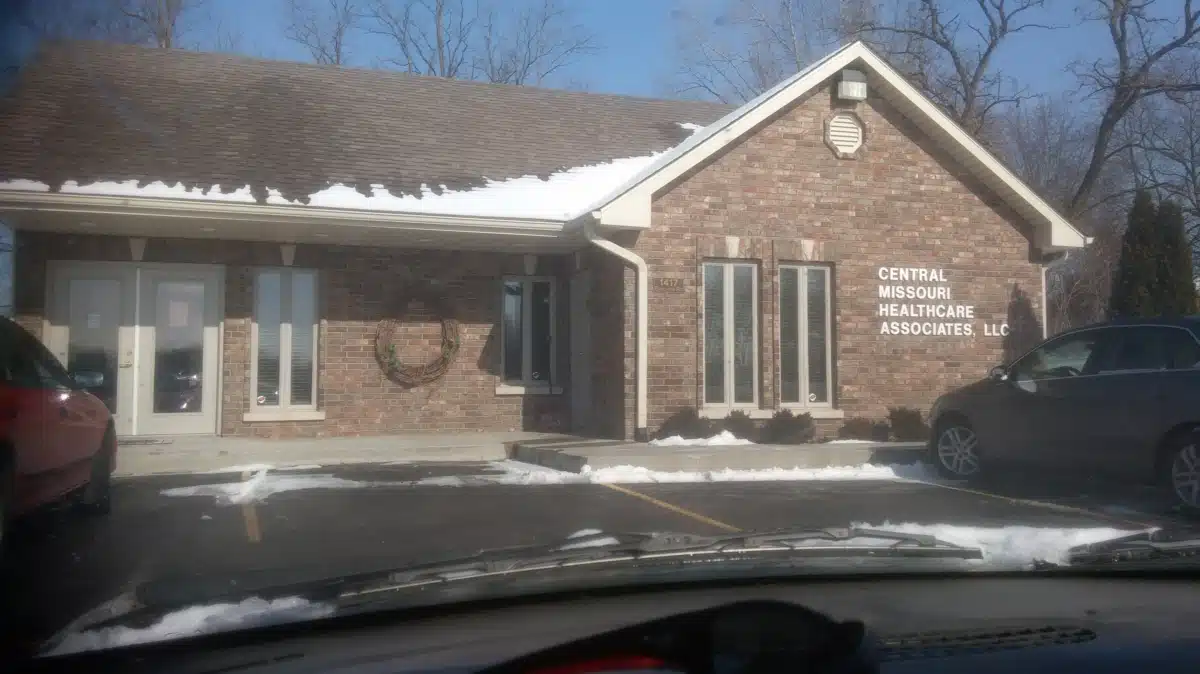
Nestled in the heart of Osage Beach, Missouri, Compass Health is a vital resource for those seeking outpatient treatment for substance use disorders, as well as co-occurring mental health challenges affecting both adults and children. The facility stands out for its range of specialized services, which include anger management programs, brief intervention strategies, and cognitive behavioral therapy tailored to meet individual needs. One of the key focuses at Compass Health is its commitment to supporting clients who have dual diagnoses. By offering personalized care plans, the facility ensures that adults and seniors of all genders receive the attention and treatment that best fits their specific circumstances. This individualized approach is essential for fostering a supportive environment where recovery can take root. In addition to its comprehensive outpatient services, Compass Health provides treatment options such as methadone and buprenorphine, as well as naltrexone therapies. These services are designed to assist those who may be struggling with opioid dependence, offering them a pathway to recovery through sustained support and evidence-based practices. At Compass Health, the mission is clear: to deliver high-quality treatment that empowers individuals on their journey towards recovery. With a dedicated team and a focus on holistic care, the center is a beacon of hope for those in need of assistance.
View Details
Nestled in the heart of Philadelphia, PA, Gaudenzia DRC Inc stands out as a dedicated provider for those in need of substance use treatment and support for co-occurring mental health disorders. The facility prides itself on offering a diverse range of specialized services designed to meet the varied needs of its clients. Among its offerings are intensive outpatient programs, standard outpatient care, and specialized treatment that includes methadone, buprenorphine, or naltrexone options for those struggling with opioid dependency. At Gaudenzia DRC Inc, clients benefit from a holistic approach to recovery, incorporating methods such as 12-step facilitation, anger management strategies, and brief intervention techniques. These programs are thoughtfully crafted to support both adult men and women, as well as individuals who have faced the challenges of intimate partner violence. With a clear commitment to serving adults and young adults, Gaudenzia DRC Inc prioritizes the delivery of quality care that is personalized to fit the unique experiences and needs of each individual. This dedication to crafting a comprehensive and tailored rehabilitation journey makes Gaudenzia DRC Inc a sought-after choice for those embarking on their path to recovery.
View Details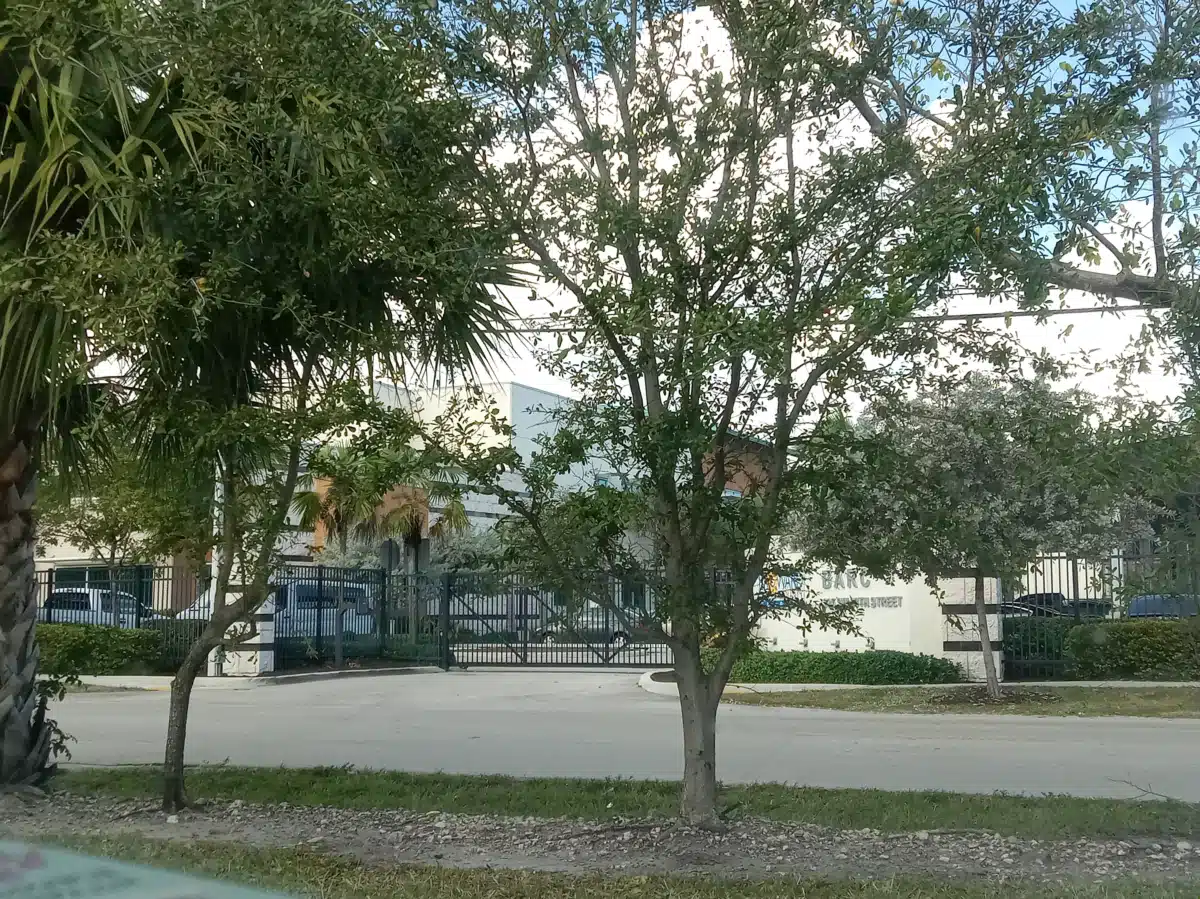
Nestled in the heart of Fort Lauderdale, Florida, the Broward Addiction Recovery Center presents a wide range of substance use treatment options tailored for both adults and young adults. This center isn't just about one-size-fits-all solutions; instead, it offers a variety of programs that include intensive outpatient treatment, traditional outpatient services, as well as specific treatments involving methadone, buprenorphine, or naltrexone for those seeking recovery from opioid dependency. At Broward Addiction Recovery Center, the emphasis is placed on individualized care that addresses the unique needs of each client. The facility employs a variety of evidence-based strategies to guide its therapeutic processes. Among these are 12-step facilitation, which helps clients connect with support groups, cognitive behavioral therapy that addresses harmful thought patterns, and the Matrix Model designed to assist those with stimulant use disorders. Additionally, the center understands that some individuals face distinct challenges. Consequently, they offer special programs aimed at specific populations, such as criminal justice or forensic clients, as well as dedicated resources for seniors and older adults. Importantly, Broward Addiction Recovery Center is inclusive, welcoming both male and female clients into a nurturing and supportive environment where everyone can work toward recovery at their own pace.
View Details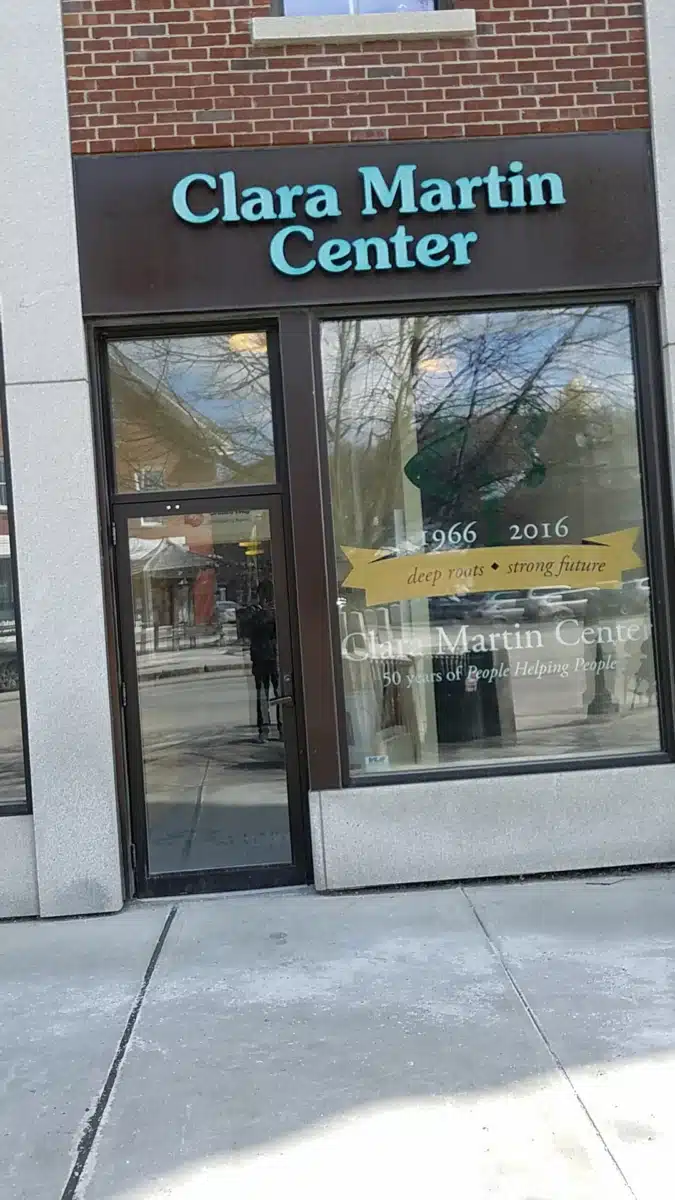
Nestled in Randolph, Vermont, the Clara Martin Center stands out for its extensive range of outpatient treatments aimed at helping both adults and children struggling with substance use and co-occurring disorders. What makes this facility particularly noteworthy is its commitment to tailoring programs to meet the unique needs of each individual. At the Clara Martin Center, clients can expect specialized services that include anger management techniques, cognitive behavioral therapy, and brief interventions designed to address various challenges they may face. The center places a strong emphasis on providing personalized care and support, ensuring that adults and seniors of all genders feel welcomed and valued in their journey toward recovery. Among the services available, the Center offers outpatient treatment options utilizing methadone, buprenorphine, or naltrexone, which are essential medications for individuals navigating the path of recovery from opioid dependency. This gender-responsive approach highlights the center's dedication to delivering high-quality care, fostering an environment where individuals can thrive and work towards lasting change in their lives.
View Details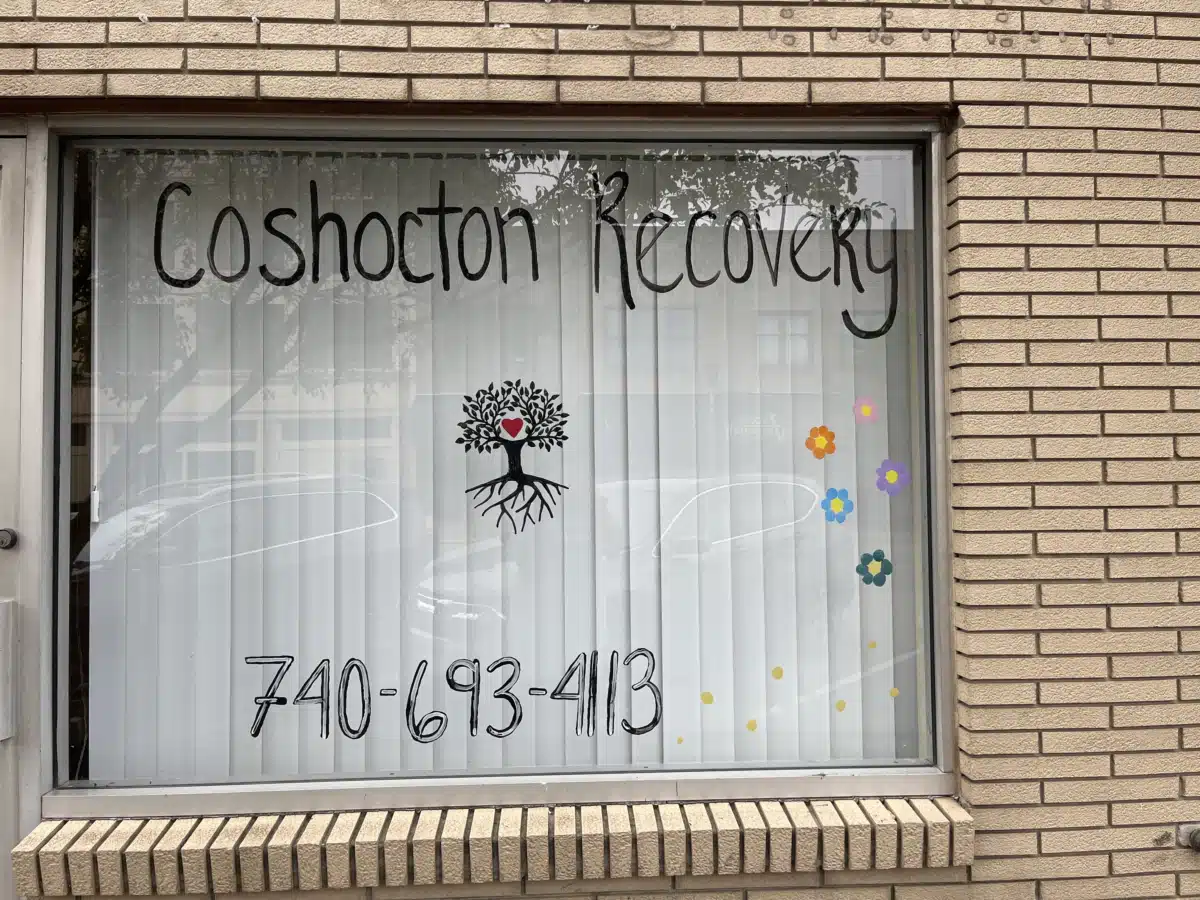
Coshocton Cnty Drug/Alc Council Inc is a vital resource located in Coshocton, Ohio, dedicated to addressing the complex challenges associated with substance use and mental health. This center stands out by offering a wide range of treatment services aimed at supporting individuals on their journey to recovery. One of the key components of their program is the availability of transitional housing and sober living options, which provide clients with a supportive and structured environment as they work through their recovery. The facility is also adept at treating co-occurring disorders, meaning they can effectively address both substance use issues and mental health conditions simultaneously, ensuring clients receive comprehensive care. Understanding that each individual’s journey is unique, Coshocton Cnty Drug/Alc Council Inc has tailored programs designed specifically for various populations. This includes specialized services for adolescents, survivors of trauma, and individuals involved in the criminal justice system, all aimed at addressing the unique challenges faced by these groups. In terms of treatment modalities, clients can access both intensive outpatient programs and outpatient therapy options, such as methadone and buprenorphine treatment, which are crucial for those dealing with opioid dependence. The center employs a range of therapeutic approaches, including 12-step facilitation, cognitive behavioral therapy, and anger management, all aimed at equipping clients with the necessary tools for recovery. Ultimately, the center provides a compassionate and inclusive environment for individuals seeking help. Their commitment to delivering customized care ensures that adults and seniors of all genders can find the support they need to navigate the path to recovery successfully.
View Details
Clarity Mental Health and Recovery, located in Bellingham, WA, provides a wide array of addiction treatment services designed for both adults and children. Their approach is particularly attentive to individuals grappling with not only substance use disorders but also significant mental health issues that often accompany them. At Clarity, you’ll find both intensive outpatient programs and standard outpatient options, allowing for flexibility depending on individual needs. A key component of their offerings includes specialized treatments for individuals using methadone or buprenorphine, which can be crucial for those struggling with opioid dependence. The center employs a variety of therapeutic strategies to ensure that everyone receives the support they need. These include 12-step facilitation programs and anger management resources, helping to address different aspects of recovery. Moreover, Clarity recognizes the unique challenges faced by specific groups, which is why they have introduced tailored programs for active duty military personnel, adolescents, and adult men. By providing a welcoming environment for all genders, Clarity Mental Health and Recovery emphasizes a commitment to delivering high-quality care. Their mission is to support individuals in navigating the complex journey toward healing from both substance use issues and related mental health challenges. If you or someone you know is seeking comprehensive support on the path to recovery, Clarity stands ready to help.
View Details
Situated in the heart of Rochester, NY, "Action for a Better Community" serves as a vital resource for those grappling with substance use issues and co-occurring serious mental health disorders. This facility is committed to providing an array of outpatient treatment programs designed to meet the diverse needs of its clients. Among these offerings are methadone and buprenorphine treatments, which are crucial for individuals dealing with opioid dependency. What sets "Action for a Better Community" apart is its holistic approach to healing. The center emphasizes 12-step facilitation, anger management strategies, and brief intervention techniques, ensuring that adult men and women, as well as children and adolescents who have faced intimate partner violence, receive the support they need. With a thoughtful emphasis on gender-specific services, this facility is dedicated to delivering quality care tailored to the unique experiences of each client. Their comprehensive programs aim not only to support recovery from substance use disorders but also to address related mental health challenges, fostering a path toward a healthier, more fulfilling life.
View DetailsLocated in the heart of Pittsburgh, PA, Alliance Medical Services Inc offers a vital lifeline for those seeking treatment for substance use issues. The center specializes in outpatient options, specifically focusing on methadone, buprenorphine, and naltrexone therapies. Whether you’re dealing with opioid dependence or seeking to regain control of your life, their programs are designed to meet varying needs. In addition to medication-assisted treatments, Alliance Medical Services Inc provides a range of therapeutic programs, including anger management, brief intervention strategies, and cognitive behavioral therapy. These services are tailored to support not just adult men and women, but they also specifically cater to pregnant and postpartum women, recognizing the unique challenges they face. The scope of care at Alliance Medical Services extends to both adults and young adults, ensuring that individuals of all genders find the support they require. With a dedicated focus on personalized rehabilitation services, the facility takes a comprehensive approach to addiction treatment, emphasizing quality care and individualized attention for each client. If you or someone you know is looking for effective recovery options, Alliance Medical Services Inc stands ready to offer the support and resources necessary for a successful journey toward healing.
View DetailsLocated in Berryville, AR, Arisa Health is dedicated to providing specialized outpatient services aimed at treating substance use issues as well as co-occurring serious mental health conditions in adults. The center also addresses significant emotional disturbances in children and adolescents, ensuring a broad scope of support for individuals and families. At Arisa Health, individualized care is at the forefront of their approach. They offer a variety of therapeutic services including anger management, brief interventions, and cognitive behavioral therapy, all tailored to meet the unique needs of each client. Additionally, for those struggling with opioid dependency, the facility provides outpatient treatments using methadone, buprenorphine, or naltrexone, giving clients several options to choose from based on their specific situations. Arisa Health serves both male and female clients, emphasizing a personalized approach that considers the distinct requirements and goals of every individual. With a strong commitment to delivering high-quality care, Arisa Health distinguishes itself through its comprehensive programs that not only facilitate recovery but also promote overall well-being and a healthier lifestyle.
View DetailsBluebonnet Trails Community Services, located in Seguin, TX, is dedicated to providing an array of treatment programs tailored for individuals grappling with substance use disorders and co-occurring mental health challenges. The center specializes in addressing the unique needs of both adults facing serious mental health illnesses and children dealing with emotional disturbances. Among the services offered, you'll find intensive outpatient and outpatient programs designed to help individuals navigate their recovery journey. The center also provides targeted treatments such as methadone and buprenorphine therapy, which can be crucial for those struggling with opioid dependency. To support recovery, Bluebonnet Trails employs various therapeutic techniques, including cognitive behavioral therapy and anger management strategies. These approaches are thoughtfully integrated into the treatment plans, addressing the diverse needs of both adults and adolescents. Notably, the facility recognizes the importance of tailored care, offering separate programs for men and women to ensure a supportive and understanding environment. With a steadfast commitment to delivering quality care through evidence-based practices, Bluebonnet Trails Community Services stands out as a vital resource for anyone seeking comprehensive and personalized rehabilitation services in their journey towards wellness.
View DetailsNestled in the coastal town of Seaside, Oregon, CODA Inc is committed to providing outpatient substance use treatment that meets the needs of a diverse clientele, including adult men, women, and young adults. The center stands out for its specialized focus on anger management, brief intervention tactics, and cognitive behavioral therapy, tailoring its programs to suit individuals who have faced traumatic experiences. At CODA Inc, personalization is key. The facility offers distinct programs specifically designed for adult men, adult women, and trauma survivors, guaranteeing that every client receives the individual support they need on their path to recovery. Moreover, for those seeking assistance with opioid dependence, CODA Inc provides outpatient treatment options that include methadone, buprenorphine, or naltrexone. The center places a strong emphasis on delivering high-quality care through evidence-based methods, ensuring that clients are not only supported but also empowered to achieve lasting recovery and a healthier future.
View DetailsNestled in the serene community of Truchas, New Mexico, El Centro Family Health specializes in outpatient substance use treatment designed for both adults and children grappling with co-occurring mental health challenges. The facility takes pride in offering a variety of specialized programs, particularly aimed at adult patients, pregnant and postpartum women, as well as tailored services that cater to the needs of seniors. At El Centro, you can expect a range of treatment methods that are thoughtfully designed to address various aspects of substance use and mental health. These include anger management sessions, brief intervention techniques, and cognitive behavioral therapy, all aimed at helping individuals gain control over their lives and make meaningful changes. One of the key focuses of El Centro Family Health is their opioid treatment program, which incorporates outpatient options for medications like methadone, buprenorphine, and naltrexone. This approach ensures that clients receive personalized care, whether they are male or female, addressing their unique needs and challenges in the recovery process. El Centro Family Health is distinguished by its unwavering dedication to providing high-quality and effective rehabilitation services. For individuals seeking a comprehensive approach to addiction treatment, it has earned a reputation as a reliable and supportive choice in the Truchas area.
View DetailsNestled in Albion, NY, the Genesee/Orleans Council on Alcoholism and Substance Abuse stands out as a premier provider of substance use treatment, catering to both adults and seniors. This facility offers a wide array of outpatient services, ensuring that clients receive the support they need on their path to recovery. Among the options available is outpatient treatment using methadone, buprenorphine, or naltrexone, which are essential medications for those battling opioid addiction. In addition to this, the center also provides regular outpatient treatment, which includes various therapeutic approaches designed to address different aspects of addiction. Clients can engage in anger management sessions, brief interventions, and cognitive behavioral therapy—methods that have proven effective in fostering recovery. What makes this center particularly noteworthy is its commitment to catering to a diverse clientele with specialized programs. Whether you are an adolescent, an adult man, or an adult woman, there’s a tailored approach that fits your unique circumstances and challenges. Both male and female clients will find a welcoming environment that emphasizes individualized care. The Genesee/Orleans Council on Alcoholism and Substance Abuse is dedicated to delivering high-quality services for those seeking help with addiction. Its comprehensive treatment options and focus on holistic recovery make it an invaluable resource for individuals striving to overcome the obstacles of substance use.
View DetailsIf you’re in Nashville, TN, and seeking help for substance use issues, Groups Recover Together provides a welcoming and supportive environment with specialized outpatient treatment programs designed for both adults and young adults. At this facility, you'll find a range of services tailored to meet individual needs, including relapse prevention strategies, counseling for substance use disorders, and convenient telemedicine and telehealth therapy options. With a strong emphasis on creating personalized treatment plans, the center strives to address the unique challenges faced by each client, whether they identify as male or female. One of the key offerings at Groups Recover Together is their outpatient treatment for opioid dependency, utilizing medications like methadone, buprenorphine, or naltrexone. This flexibility allows individuals to receive effective care while still being able to manage daily responsibilities. Whether you're just beginning your recovery journey or looking for additional support, Groups Recover Together is committed to empowering individuals in Nashville to achieve lasting recovery and improve their lives. Their dedicated staff is focused on providing the resources and support necessary to help each person make meaningful progress on their path to wellness.
View DetailsAbout Opioid Addiction Treatment
The opioid epidemic remains one of the most severe public health crises in the United States. The CDC reported over 81,000 opioid-involved overdose deaths in 2022, encompassing prescription painkillers, heroin, and synthetic opioids like fentanyl. Opioid Use Disorder (OUD) is a treatable medical condition, and evidence-based approaches — particularly Medication-Assisted Treatment (MAT) — have been shown to reduce overdose deaths by over 50% and significantly improve long-term recovery outcomes.
Understanding Opioid Addiction
Opioid addiction is a chronic brain disorder that can develop from using prescription painkillers, heroin, or synthetic opioids like fentanyl. The CDC reports that over 75% of drug overdose deaths in 2021 involved an opioid, highlighting the urgent need for effective treatment options.
Opioids commonly involved in addiction include:
- Prescription opioids: OxyContin, Vicodin, Percocet, morphine, codeine
- Heroin: Illegal opioid often mixed with fentanyl
- Synthetic opioids: Fentanyl, carfentanil (extremely potent)
Signs of Opioid Dependence
Recognizing opioid addiction early can save lives:
- Taking opioids in larger amounts or longer than prescribed
- Strong cravings and preoccupation with obtaining opioids
- Continuing use despite physical or psychological problems
- Withdrawal symptoms when reducing or stopping use
- Doctor shopping or seeking multiple prescriptions
- Social withdrawal and neglecting responsibilities
Medication-Assisted Treatment (MAT)
Medication-Assisted Treatment is the gold standard for opioid addiction treatment, combining FDA-approved medications with counseling and behavioral therapies.
FDA-Approved Medications
- Buprenorphine (Suboxone, Subutex): Reduces cravings and withdrawal symptoms
- Methadone: Long-acting medication provided through specialized clinics
- Naltrexone (Vivitrol): Blocks opioid effects and reduces cravings
Comprehensive Treatment Components
- Cognitive Behavioral Therapy: Addresses thought patterns and behaviors
- Trauma-Informed Care: Many with opioid addiction have underlying trauma
- Group Counseling: Peer support and shared recovery experiences
- Dual Diagnosis Treatment: Addresses co-occurring mental health conditions
- Relapse Prevention Planning: Strategies and support for long-term recovery
Treatment Levels and Settings
Opioid treatment is available at various intensity levels:
- Medical Detox - Safe, supervised withdrawal with medical support
- Residential Programs - Immersive 24/7 treatment environment
- Outpatient MAT Programs - Ongoing medication and counseling
What to Expect in Opioid Treatment
Opioid addiction treatment typically follows a structured progression tailored to the individual's substance use history, health status, and recovery goals.
- Assessment (Day 1): Comprehensive medical, psychiatric, and substance use evaluation to determine the appropriate level of care and whether MAT is indicated
- Medical Detox (Days 1–7): Medically supervised withdrawal management, often using buprenorphine or methadone taper to reduce withdrawal severity. Vital signs monitored around the clock
- Stabilization (Weeks 2–4): MAT medication dose optimization, introduction to individual and group therapy, development of a personalized treatment plan
- Active Treatment (Weeks 4–12+): Regular therapy sessions (CBT, trauma-informed care, group counseling), medication management, life skills development, and relapse prevention planning
- Step-Down & Aftercare: Transition from residential to IOP or outpatient, ongoing MAT maintenance, peer support groups, and regular check-ins
Treatment Outcomes
Research published in The Lancet demonstrates that patients receiving MAT for opioid use disorder have a 50% or greater reduction in overdose mortality. Studies show that longer retention in treatment — particularly MAT combined with behavioral therapy — is associated with significantly better long-term outcomes, including reduced illicit opioid use and improved social functioning.
Authoritative resources on opioid addiction:
Insurance & Payment for Opioid Addiction Treatment
Most health insurance plans are required to cover addiction and mental health treatment under the Mental Health Parity and Addiction Equity Act (MHPAEA) and the Affordable Care Act (ACA). This means treatment for opioid addiction is typically covered at the same level as other medical conditions.
Common insurance coverage for opioid addiction treatment includes:
- Medical detoxification services
- Inpatient/residential treatment programs
- Intensive outpatient programs (IOP)
- Outpatient therapy and counseling
- Psychiatric medication management
Coverage specifics vary by plan and provider. Contact your insurance company directly or call the treatment center to verify benefits before enrolling. Many facilities offer free insurance verification.
For those without insurance, options include state-funded programs through SAMHSA, Medicaid (eligibility varies by state), sliding-scale payment programs, and nonprofit treatment centers. Learn more about insurance coverage for addiction treatment.
Related Conditions & Treatments
Understanding the connections between conditions, treatment methods, and levels of care can help you make more informed decisions about recovery.
Levels of Care
Related Conditions
Medical Disclaimer
The information on this page is intended for educational purposes only and should not replace professional medical advice, diagnosis, or treatment. Always consult a qualified healthcare provider before making decisions about addiction treatment. If you or someone you know is in crisis, call the 988 Suicide & Crisis Lifeline or the SAMHSA National Helpline (1-800-662-4357).