
Drug & Alcohol Rehab Centers in Nevada
Nevada is home to approximately 300 licensed addiction treatment facilities, serving a state where the gaming and hospitality economy creates unique substance use challenges. The Nevada Division of Public and Behavioral Health (DPBH), within the Department of Health and Human Services, oversees licensing, funding, and regulation of substance use disorder treatment programs statewide. Nevada's treatment system addresses not only traditional substance use disorders but also the co-occurrence of gambling addiction with alcohol and stimulant use disorders — a pattern particularly prevalent among those connected to the gaming and entertainment industries.
In 2022, Nevada recorded approximately 1,200 drug overdose deaths, with fentanyl and synthetic opioids accounting for the majority of fatalities. Methamphetamine use remains a serious concern statewide, with meth-involved deaths rising sharply in both the Las Vegas and Reno metropolitan areas. Alcohol use disorder is the most prevalent substance use condition, exacerbated by Nevada's 24-hour hospitality culture, widespread alcohol availability, and tourism-driven nightlife. Opioid-related admissions have shifted from prescription painkillers to heroin and fentanyl, with Clark County (Las Vegas) reporting the vast majority of the state's overdose fatalities.
Nevada's treatment landscape ranges from luxury executive rehabs and residential treatment programs in Las Vegas and Henderson to community-based intensive outpatient (IOP) services and telehealth options reaching rural Nevada. Evidence-based approaches including cognitive behavioral therapy (CBT), medication-assisted treatment (MAT), dialectical behavior therapy (DBT), and specialized gambling disorder interventions are available across the state. Programs targeting tourism and hospitality industry workers address the occupational risk factors unique to Nevada's workforce.
Addiction Treatment Landscape in Nevada
Nevada's substance use crisis is deeply intertwined with the state's gaming and tourism economy. The Division of Public and Behavioral Health (DPBH) administers state and federal funding, licenses treatment providers, and operates the Nevada 988 Suicide & Crisis Lifeline alongside substance use crisis referral services. The state's treatment system must address the unique pressures of a 24/7 hospitality economy, where alcohol, nightlife, and gaming environments create persistent relapse triggers.
Key statistics:
- Approximately 1,200 drug overdose deaths in 2022 (Nevada DHHS)
- Roughly 300 licensed substance use treatment facilities statewide (SAMHSA N-SSATS)
- Fentanyl involved in over 65% of opioid-related overdose deaths
- Clark County (Las Vegas) accounts for over 75% of the state's overdose fatalities
The opioid crisis in Nevada is concentrated in the Las Vegas metropolitan area, where fentanyl-laced counterfeit pills and illicit drug use have driven overdose deaths upward. Methamphetamine use has risen significantly across both urban and rural Nevada, with rural communities in Nye, White Pine, and Elko Counties facing particular challenges due to geographic isolation and limited treatment access. Nevada's position along Interstate 15 and Interstate 80 corridors facilitates drug trafficking from southern California and Mexico.
Nevada has responded with expanded naloxone distribution, increased funding for MAT access, and programs targeting hospitality and tourism workers who face elevated substance use risks. The state also directs opioid settlement funds toward treatment expansion, recovery housing, and harm reduction. Nevada's treatment system uniquely addresses gambling disorder as a co-occurring condition — recognizing that problem gambling and substance use frequently coexist, particularly among casino employees and frequent gamblers. Co-occurring mental health disorder treatment is a priority across the state's treatment network.
Types of Treatment Available in Nevada
Nevada offers the full ASAM continuum of addiction care:
- Medical Detoxification: Hospital-based and standalone detox programs in Las Vegas, Henderson, Reno, and Carson City. Sunrise Health System, Valley Health System, and Renown Health operate medically managed withdrawal programs addressing opioid, alcohol, and benzodiazepine dependence.
- Residential Treatment: Programs range from 30-day to 90+ day options, including luxury executive rehabs in Las Vegas and Henderson, clinical programs in the Reno-Tahoe area, and desert-environment therapeutic communities. Many facilities specialize in treating professionals from the gaming and hospitality industries.
- Partial Hospitalization (PHP): Structured day programs offering 5-7 days per week of intensive clinical treatment, concentrated in the Las Vegas metro area and Reno.
- Intensive Outpatient (IOP): Flexible programs meeting 3-5 days per week available throughout the Las Vegas valley, Henderson, and Reno, with scheduling options designed for shift workers in the hospitality industry.
- Standard Outpatient: Weekly individual and group therapy for sustained recovery, including specialized tracks for gambling co-addiction, dual-diagnosis clients, and entertainment industry professionals.
- Telehealth Services: Virtual treatment options have expanded significantly in Nevada, providing critical access for rural communities in northern and eastern Nevada where in-person treatment providers are extremely limited.
Nevada treatment programs frequently incorporate medication-assisted treatment (MAT) using buprenorphine, naltrexone, and methadone for opioid use disorder. UNLV School of Medicine and UNR's medical programs contribute to addiction medicine training in the state. CBT, motivational interviewing, and specialized gambling disorder therapies are widely used, alongside 12-step programs, SMART Recovery, and Gamblers Anonymous meetings that address co-occurring addictions.
Insurance & Nevada Medicaid Coverage
Nevada Medicaid provides comprehensive coverage for substance use disorder treatment. Nevada expanded Medicaid under the Affordable Care Act, extending eligibility to adults earning up to 138% of the federal poverty level. This expansion significantly increased treatment access for low-income residents, many of whom work in the state's hospitality and service industries. Nevada also operates the Silver State Health Insurance Exchange for residents seeking subsidized private coverage.
- Outpatient substance use disorder treatment and counseling
- Intensive outpatient programs (IOP)
- Residential treatment (with prior authorization)
- Medically supervised detoxification and withdrawal management
- Medication-assisted treatment (MAT) including buprenorphine and methadone
- Mental health services for co-occurring disorders
- Peer support specialist services
- Crisis intervention and stabilization services
Private insurance plans in Nevada are subject to the federal Mental Health Parity and Addiction Equity Act (MHPAEA), requiring equivalent coverage for substance use disorder treatment and medical/surgical benefits. Major insurers including Anthem Blue Cross Blue Shield, Aetna, Cigna, UnitedHealthcare, and Health Plan of Nevada (HPN) operate in the Nevada marketplace.
For uninsured or underinsured individuals, Nevada's DPBH funds treatment through community-based providers and federal block grants. The state operates crisis stabilization centers in Las Vegas and Reno for individuals in acute substance use crises. SAMHSA's National Helpline (1-800-662-4357) offers free referrals to local treatment providers and support groups.
Want us to find the perfect facility for you?
Call now - it's completely free!
Showing 20 of 82 results

American Addiction Centers
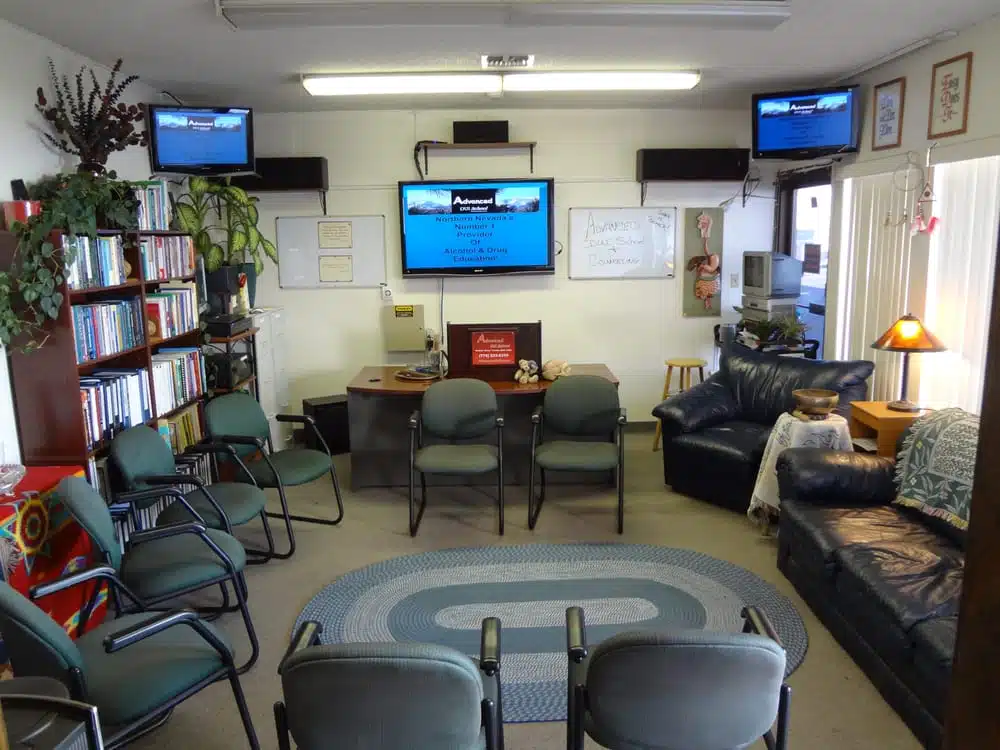

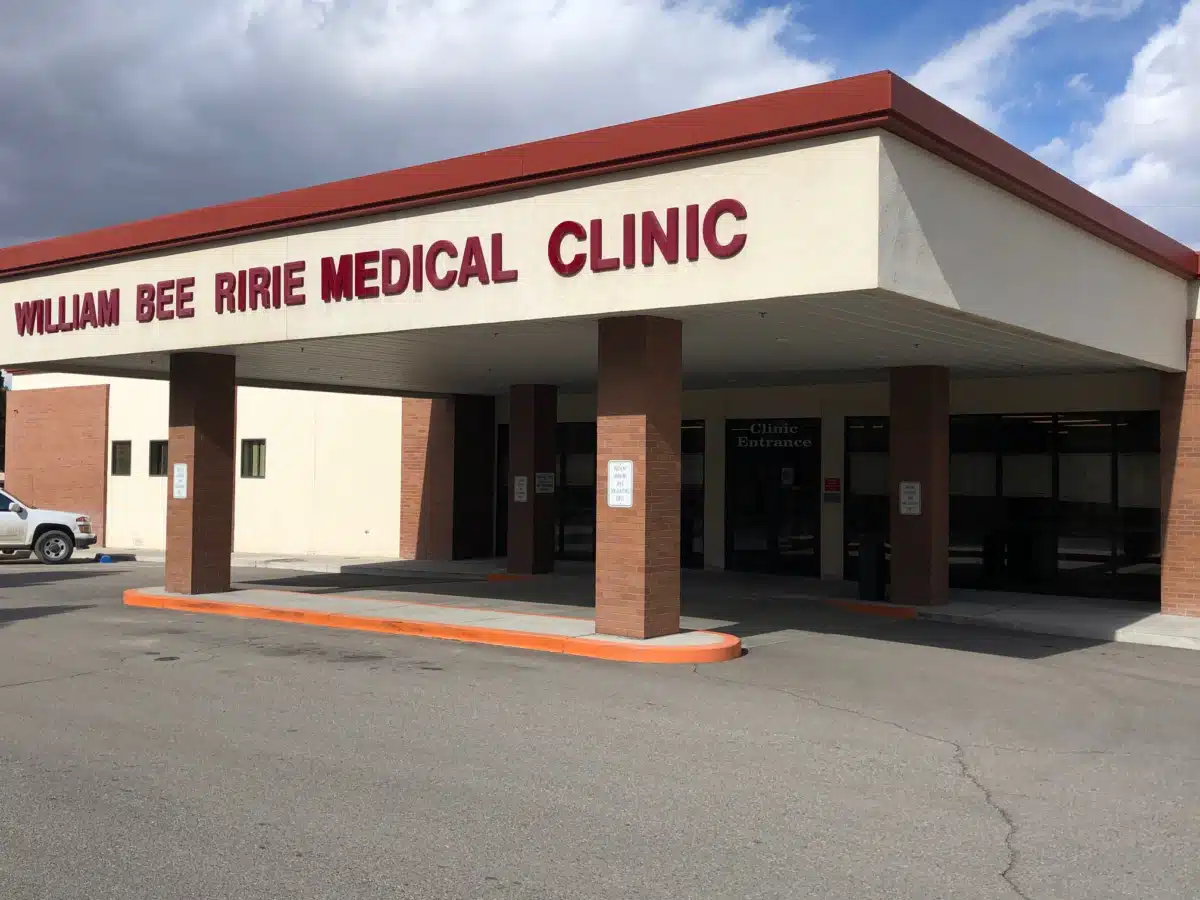

Desert Inn
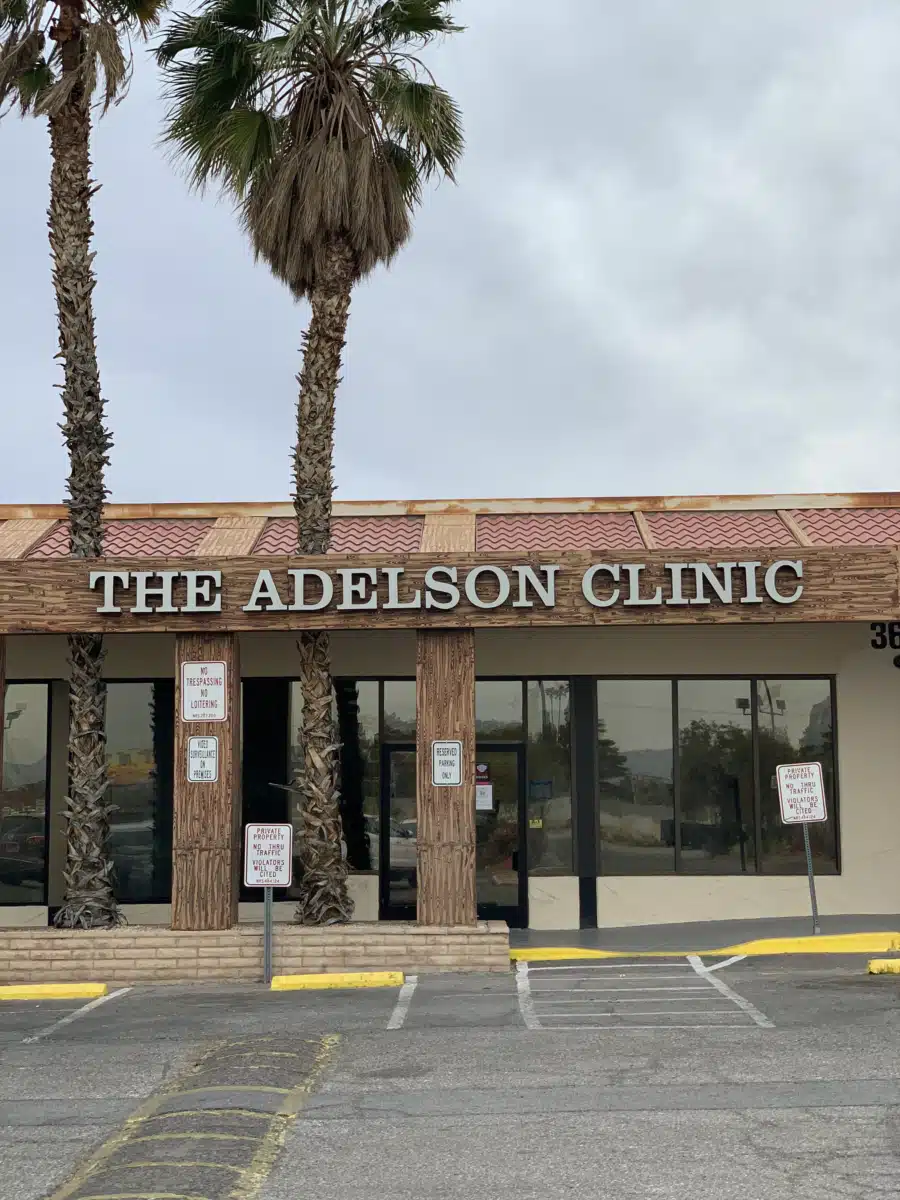
Adelson Drug Abuse Trt/Research Inc
North Las Vegas
North Las Vegas
Regional Wellness Center
DBA CrossRoads
Treatment Highlights in Nevada
Popular Cities in Nevada
Las Vegas
38 centers
Reno
12 centers
Carson City
6 centers
North Las Vegas
4 centers
Elko
3 centers
Henderson
3 centers
Pahrump
3 centers
Dayton
2 centers
View all 18 cities in Nevada
Frequently Asked Questions About Treatment in Nevada
Sources
Medical Disclaimer
The information on this page is for educational purposes and is not a substitute for professional medical advice. If you or someone you know is experiencing a substance use crisis, call the SAMHSA National Helpline at 1-800-662-4357 (free, confidential, 24/7). For immediate danger, call 911 or the 988 Suicide & Crisis Lifeline by dialing 988.