
Stimulant Addiction Rehab Centers
Stimulant addiction presents unique challenges that require specialized treatment approaches. Cocaine and methamphetamine use can cause significant changes to brain chemistry and function, making professional rehabilitation essential for recovery. Treatment centers specializing in stimulant addiction offer intensive behavioral therapies, including the Matrix Model, Cognitive Behavioral Therapy, and contingency management, which have shown effectiveness for stimulant use disorders. Programs typically include medical monitoring, mental health support for co-occurring conditions like depression and anxiety, nutritional rehabilitation, and comprehensive aftercare planning to address the complex needs of individuals recovering from stimulant addiction.
Found 1 rehab centers specializing in stimulant addiction across the United States.
Want us to find the perfect facility for you?
Call now - it's completely free!
Showing 1 of 1 stimulant addiction rehab centers
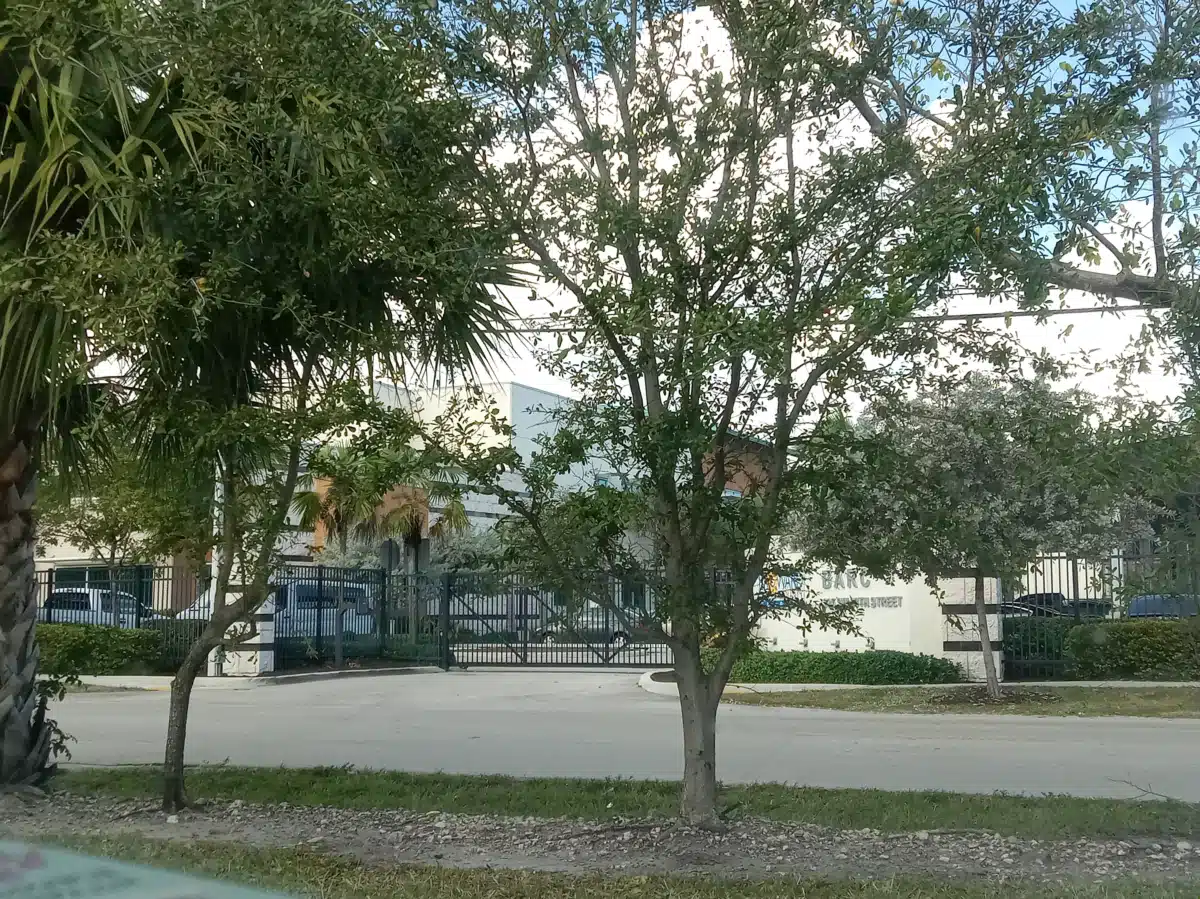
Nestled in the heart of Fort Lauderdale, Florida, the Broward Addiction Recovery Center presents a wide range of substance use treatment options tailored for both adults and young adults. This center isn't just about one-size-fits-all solutions; instead, it offers a variety of programs that include intensive outpatient treatment, traditional outpatient services, as well as specific treatments involving methadone, buprenorphine, or naltrexone for those seeking recovery from opioid dependency. At Broward Addiction Recovery Center, the emphasis is placed on individualized care that addresses the unique needs of each client. The facility employs a variety of evidence-based strategies to guide its therapeutic processes. Among these are 12-step facilitation, which helps clients connect with support groups, cognitive behavioral therapy that addresses harmful thought patterns, and the Matrix Model designed to assist those with stimulant use disorders. Additionally, the center understands that some individuals face distinct challenges. Consequently, they offer special programs aimed at specific populations, such as criminal justice or forensic clients, as well as dedicated resources for seniors and older adults. Importantly, Broward Addiction Recovery Center is inclusive, welcoming both male and female clients into a nurturing and supportive environment where everyone can work toward recovery at their own pace.
View DetailsAbout Stimulant Addiction Treatment
Stimulant Use Disorder encompasses addiction to cocaine, methamphetamine, amphetamines, and prescription stimulants like Adderall. SAMHSA data indicates that approximately 1.4 million Americans aged 12 and older had a cocaine use disorder in 2021, and methamphetamine-involved overdose deaths have tripled since 2015. Unlike opioid addiction, there are currently no FDA-approved medications for stimulant use disorder, making behavioral therapies — particularly Contingency Management and CBT — the primary evidence-based treatment approaches.
Understanding Stimulant Addiction
Stimulant drugs increase activity in the central nervous system, producing intense feelings of energy, euphoria, and alertness. These effects make stimulants highly addictive, and regular use can lead to significant changes in brain structure and function.
Common stimulants involved in addiction:
- Cocaine: Powder cocaine and crack cocaine
- Methamphetamine: Crystal meth, speed, ice
- Prescription stimulants: Adderall, Ritalin, Vyvanse (when misused)
- MDMA: Ecstasy, Molly
Signs and Symptoms of Stimulant Abuse
Recognizing stimulant addiction is crucial for getting help:
- Increased energy, talkativeness, and decreased need for sleep
- Significant weight loss and decreased appetite
- Paranoia, anxiety, or agitation
- Dental problems (especially with methamphetamine use)
- Financial problems or engaging in risky behaviors to obtain drugs
- Intense cravings followed by "crash" periods of fatigue and depression
- Neglecting work, school, or family responsibilities
Treatment Approaches for Stimulant Addiction
Unlike opioid addiction, there are currently no FDA-approved medications specifically for stimulant use disorder. However, highly effective behavioral treatments have been developed:
Evidence-Based Therapies
- The Matrix Model: A comprehensive 16-week outpatient program combining individual therapy, family education, group sessions, and relapse prevention
- Cognitive Behavioral Therapy (CBT): Helps identify and change negative thought patterns and behaviors
- Contingency Management: Uses positive reinforcement to encourage sobriety
- Motivational Interviewing: Builds motivation for change and commitment to recovery
Comprehensive Care Components
- Medical monitoring for physical health complications
- Treatment for depression and anxiety that often accompany stimulant withdrawal
- Nutritional rehabilitation and sleep hygiene
- Stress management and healthy coping skills
- Aftercare planning and ongoing support
Choosing the Right Treatment Program
Consider these factors when selecting a stimulant addiction treatment center:
- Experience with stimulant-specific treatment protocols
- Availability of mental health services for co-occurring conditions
- Length of program (longer treatment often yields better outcomes)
- Comprehensive aftercare and alumni support programs
What to Expect in Stimulant Addiction Treatment
Because no FDA-approved medications exist for stimulant use disorder, treatment relies heavily on structured behavioral interventions.
- Assessment & Stabilization (Days 1–7): Medical evaluation, management of "crash" symptoms (fatigue, depression, increased appetite). Unlike opioid or alcohol withdrawal, stimulant withdrawal is generally not medically dangerous but can involve severe depression and suicidal ideation requiring monitoring
- Intensive Treatment (Weeks 2–8): Daily or near-daily therapy — The Matrix Model (16-week structured program), CBT, and Contingency Management with tangible incentives for clean drug screens
- Physical Recovery (Weeks 2–12): Nutritional rehabilitation, sleep restoration, exercise programs. Methamphetamine and cocaine cause significant physical depletion that requires sustained attention
- Mental Health Treatment: Screening and treatment for depression, anxiety, and PTSD — which co-occur at very high rates with stimulant use disorder
- Aftercare (Ongoing): Step-down to IOP or outpatient, relapse prevention, peer support groups, and long-term follow-up
Treatment Outcomes
NIDA-funded research demonstrates that Contingency Management produces the strongest evidence for treating stimulant use disorder, with abstinence rates approximately double those of standard counseling. The Matrix Model has shown significant reductions in stimulant use, with improvements maintained at 6-month and 12-month follow-ups. Longer treatment duration is consistently associated with better outcomes.
Authoritative resources on stimulant addiction:
Insurance & Payment for Stimulant Addiction Treatment
Most health insurance plans are required to cover addiction and mental health treatment under the Mental Health Parity and Addiction Equity Act (MHPAEA) and the Affordable Care Act (ACA). This means treatment for stimulant addiction is typically covered at the same level as other medical conditions.
Common insurance coverage for stimulant addiction treatment includes:
- Medical detoxification services
- Inpatient/residential treatment programs
- Intensive outpatient programs (IOP)
- Outpatient therapy and counseling
- Psychiatric medication management
Coverage specifics vary by plan and provider. Contact your insurance company directly or call the treatment center to verify benefits before enrolling. Many facilities offer free insurance verification.
For those without insurance, options include state-funded programs through SAMHSA, Medicaid (eligibility varies by state), sliding-scale payment programs, and nonprofit treatment centers. Learn more about insurance coverage for addiction treatment.
Related Conditions & Treatments
Understanding the connections between conditions, treatment methods, and levels of care can help you make more informed decisions about recovery.
Levels of Care
Related Conditions
Medical Disclaimer
The information on this page is intended for educational purposes only and should not replace professional medical advice, diagnosis, or treatment. Always consult a qualified healthcare provider before making decisions about addiction treatment. If you or someone you know is in crisis, call the 988 Suicide & Crisis Lifeline or the SAMHSA National Helpline (1-800-662-4357).