
Alcohol Addiction Rehab Centers
Alcohol addiction is one of the most prevalent substance use disorders in the United States, affecting millions of individuals and their families. Professional alcohol rehab centers provide medically supervised detoxification to safely manage withdrawal symptoms, followed by evidence-based therapies including Cognitive Behavioral Therapy (CBT), group counseling, and family therapy. Treatment programs address both the physical dependency and underlying psychological factors, offering personalized care plans that may include medication-assisted treatment, nutritional support, and comprehensive aftercare planning to support lasting sobriety.
Found 194 rehab centers specializing in alcohol addiction across the United States.
Want us to find the perfect facility for you?
Call now - it's completely free!
Showing 20 of 194 alcohol addiction rehab centers

Alcohol Services of Kentucky, located in Florence, KY, is committed to providing outpatient substance use treatment specifically designed for adults and young adults. This facility employs a variety of effective techniques, including brief intervention, cognitive behavioral therapy, and motivational interviewing, to ensure that each individual receives care that is customized to their unique needs. Understanding that each person's journey is different, Alcohol Services takes a tailored approach, providing specialized attention to both male and female clients. The center prides itself on fostering a supportive environment which is essential for individuals seeking guidance in overcoming addiction. If you find yourself in need of comprehensive treatment delivered by experienced professionals who truly care, Alcohol Services of Kentucky could be the welcoming place you've been searching for.
View Details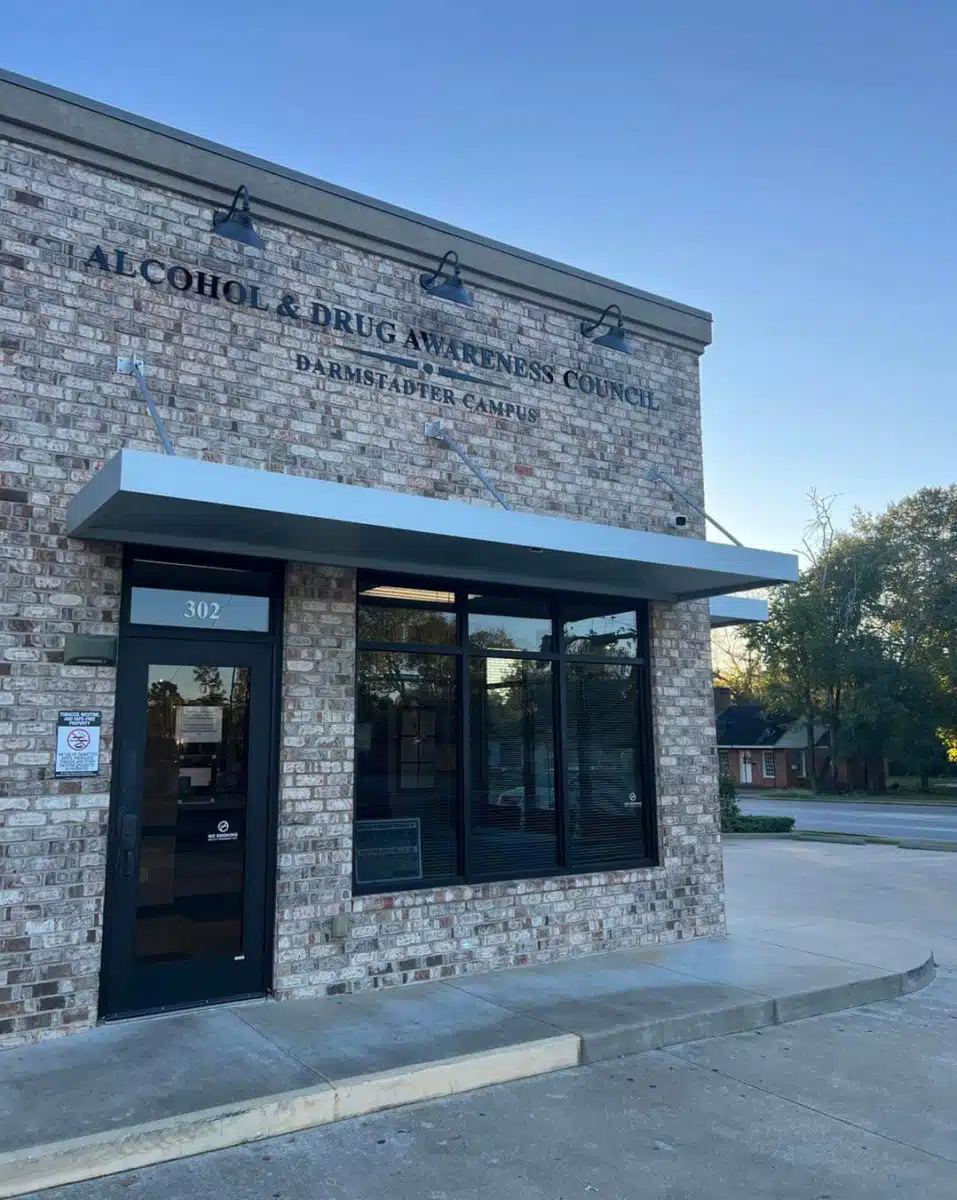
The Alcohol and Drug Abuse Council, situated in Lufkin, Texas, is committed to providing outpatient treatment for substance use to both adults and adolescents. The center employs a variety of effective methodologies, including brief intervention, the Matrix Model, and motivational interviewing, tailored to meet the diverse needs of its clients. Recognizing that recovery is not one-size-fits-all, the facility offers specialized programs specifically designed for adult men, adult women, and teenagers, ensuring that individuals from different backgrounds receive the support they need. This gender-sensitive approach enhances the quality of care, creating a more comfortable environment for those seeking help in overcoming addiction to alcohol and drugs. At the heart of their services is a commitment to developing personalized treatment plans for each client. This tailored approach not only promotes healing but also empowers individuals on their unique journeys toward sobriety. If you or someone you care about is in need of professional support for addiction, the comprehensive programs provided by the Alcohol and Drug Abuse Council could very well be the step towards recovery that you're looking for.
View DetailsSituated in Jasper, TX, the Alcohol and Drug Abuse Council stands as a beacon of support for those battling substance use challenges, offering outpatient treatment tailored for both adults and adolescents. This facility employs a variety of evidence-based methodologies, including Brief Intervention, the Matrix Model, and Motivational Interviewing, ensuring that clients receive care that resonates with their personal experiences and needs. The center is dedicated to serving specific populations, with specialized programs designed for adult men, adult women, and clients engaged with the criminal justice system. With a strong emphasis on personalized care, it embraces both male and female clients who are on their journey to recovery. This individualized approach underscores the center's commitment to fostering an environment that promotes healing and growth. For individuals seeking to break free from the grips of addiction and reclaim control over their lives, the Alcohol and Drug Abuse Council is an invaluable resource. Their dedication to quality treatment not only aids in recovery but also helps pave the way toward a healthier, more fulfilling future.
View Details
Nestled in the heart of Ottawa, IL, 7th Fire Alcohol and Drug Counseling specializes in providing outpatient treatment for adults and seniors struggling with substance use issues. The center offers a range of services, including 12-step facilitation, anger management, and brief intervention techniques, all designed to meet the unique needs of each individual. At 7th Fire, the commitment to personalized care is evident, as the facility warmly welcomes clients of all genders, ensuring an inclusive and supportive environment. Their focus on quality services highlights their dedication to tackling addiction through various evidence-based approaches, making them a standout option for those seeking assistance. If you, or someone you care about, are on the lookout for effective and tailored treatment for substance use, 7th Fire Alcohol and Drug Counseling could be an excellent choice to support you on your path to recovery.
View DetailsNestled in Nacogdoches, TX, the Alcohol and Drug Abuse Council is dedicated to providing specialized outpatient treatment for those grappling with substance use disorders. This facility emphasizes a personalized approach, offering regular outpatient services that utilize evidence-based methods. Among these techniques, you'll find brief intervention, the Matrix Model, and motivational interviewing; all designed to foster recovery in a supportive environment. The center is committed to serving a diverse clientele, tailoring its programs to meet the unique needs of adolescents and adults, regardless of gender. Whether you’re a young person facing challenges or an adult seeking help, the Alcohol and Drug Abuse Council provides comprehensive support for individuals of all ages. Visitors to this esteemed rehabilitation center can expect not only quality care but also treatment plans that are customized to resonate with their individual experiences. It's a place where the journey to recovery is supported with compassion and a commitment to your personal goals.
View Details
Nestled in the heart of Lapeer, MI, the Alcohol Information and Counseling Center stands out as a vital resource for individuals seeking help with substance use issues. This facility is dedicated to providing a range of treatment options tailored for both adults and adolescents. At the center, you’ll find various programs, including intensive outpatient, outpatient, and regular outpatient treatments, designed to meet the diverse needs of its clients. The experienced team employs a variety of effective therapeutic approaches, such as anger management, brief interventions, and cognitive behavioral therapy. This ensures a comprehensive support system for all clients, regardless of gender. What’s particularly noteworthy is the center's commitment to specialized programs that cater specifically to adult men, adult women, and adolescents. This focus on individualized care reflects their understanding that each person’s journey toward recovery is unique. With its emphasis on quality and personalized treatment, the Alcohol Information and Counseling Center serves as a beacon of hope for many in the Lapeer community looking for effective addiction rehabilitation services. It's a place where both understanding and healing go hand in hand, guiding individuals toward a healthier future.
View Details
Nestled in the heart of Phoenix, AZ, Alcohol Recovery Solutions is dedicated to supporting adults and young adults who are facing substance use challenges alongside serious mental health issues. This facility understands that recovery is not one-size-fits-all, which is why it emphasizes a personalized approach to treatment. Clients benefit from a variety of therapeutic services, including cognitive behavioral therapy, relapse prevention strategies, and contingency management with motivational incentives. The center's focus on individualized care means that each program is crafted to address the specific needs and circumstances of every client. Both men and women find a welcoming and supportive atmosphere here, allowing them to engage in their recovery journey with comfort and purpose. At Alcohol Recovery Solutions, the commitment to providing high-quality care shines through, as the team works diligently to empower individuals on their path to healing and wellness.
View Details
Nestled in the heart of Muskegon, MI, Alcohol and Chemical Abuse Consultants has established itself as a vital resource for adults and young adults grappling with substance use issues. This facility stands out for its commitment to providing specialized outpatient services, which include innovative treatments like methadone and buprenorphine therapy. What truly sets Alcohol and Chemical Abuse Consultants apart is its dedicated approach to treatment. The center harnesses effective therapeutic techniques such as cognitive behavioral therapy, motivational interviewing, and comprehensive relapse prevention strategies. This multi-faceted approach ensures that every individual receives care tailored to their specific needs and circumstances, whether they are male or female. The emphasis on quality care within a supportive atmosphere makes this facility a preferred choice for those embarking on the challenging journey of addiction recovery. Their overall aim is not just to treat symptoms but to facilitate lasting recovery, guiding individuals towards healthier, more fulfilling lives. If you're in search of a nurturing environment that prioritizes personalized treatment, this center is ready to support you every step of the way on the path to recovery.
View DetailsNestled in the heart of Muskegon, MI, Alcohol and Chemical Abuse Consultants is dedicated to providing specialized treatment for those grappling with substance use issues, catering to both adults and young adults. This facility prides itself on offering a range of options, including outpatient programs, day treatment, and partial hospitalization, allowing clients the flexibility to choose what best fits their lives and schedules. At the core of their services is a commitment to individualized care. By utilizing evidence-based practices such as cognitive behavioral therapy, motivational interviewing, and relapse prevention techniques, the dedicated team ensures that each program is uniquely tailored to meet the specific needs of every client. This personalized approach is designed to foster a supportive environment where both men and women can feel empowered on their path to recovery. If you’re in search of comprehensive and effective rehabilitation services, look no further than Alcohol and Chemical Abuse Consultants. With their expertise and focus on quality treatment, they are here to assist individuals and guide them toward a healthier, substance-free life.
View DetailsLocated in Grand Rapids, MI, Alcohol and Chemical Abuse Consultants offers a variety of outpatient treatment options tailored for both adults and children/adolescents dealing with substance use issues. This center is dedicated to providing specialized care, utilizing approaches such as cognitive behavioral therapy, motivational interviewing, and effective relapse prevention techniques. What sets this facility apart is its commitment to personalization; treatment plans are crafted to meet the unique needs of each client, whether they are male or female. The focus here is not just on quantity but on quality, ensuring that all methods employed are evidence-based and geared towards fostering a supportive environment for recovery. If you or someone you care about is in search of comprehensive addiction treatment in a welcoming atmosphere, Alcohol and Chemical Abuse Consultants offers a compassionate and professional setting to embark on this crucial journey toward healing.
View DetailsLocated in Grand Rapids, MI, Alcohol and Chemical Abuse Consultants specializes in outpatient treatment for both adults and young adults grappling with substance use issues. The center is dedicated to offering personalized care through a variety of evidence-based strategies, including cognitive behavioral therapy, motivational interviewing, and relapse prevention techniques. Recognizing that every individual’s journey is unique, this facility prioritizes an individualized approach to treatment, ensuring that both male and female clients receive the support they need. Their commitment to high-quality care reflects a genuine desire to empower individuals as they work to overcome addiction and build a foundation for long-lasting recovery. For anyone searching for effective treatment within a nurturing environment, Alcohol and Chemical Abuse Consultants proves to be a valuable resource. Their dedicated staff and comprehensive programs can assist you on your path to sobriety and a healthier future.
View DetailsNestled in Livingston, TX, the Alcohol and Drug Abuse Council is dedicated to providing outpatient treatment for individuals grappling with substance use issues, whether they are adults or children and adolescents facing co-occurring mental health challenges. This facility employs a range of effective methods, including brief intervention, the Matrix Model, and motivational interviewing, to deliver regular outpatient services that effectively meet the unique needs of its clients. Understanding that different demographics require distinct approaches, the council has developed specialized programs specifically designed for adolescents, as well as for adult men and women. This thoughtful division ensures that both male and female clients receive care that is attuned to their specific circumstances and recovery journeys. What truly sets the Alcohol and Drug Abuse Council apart is its commitment to creating personalized treatment plans for each individual. This tailored approach highlights their dedication to providing high-quality care and support, making it a vital resource for those seeking a path to recovery from substance use disorders.
View DetailsSituated in the heart of Port Allegany, PA, Alcohol and Drug Abuse Services Inc is dedicated to offering a wide range of substance use treatment programs designed specifically for adults and seniors. Their services include intensive outpatient, outpatient, and regular outpatient treatment options, ensuring that they can cater to varying levels of care based on the needs of each individual. The facility employs a variety of therapeutic approaches, drawing on effective methodologies like 12-step facilitation, brief intervention techniques, and cognitive behavioral therapy. This diverse toolkit enables the center to customize its care to align with the unique requirements of each client, enhancing the likelihood of successful outcomes. One of the standout features of Alcohol and Drug Abuse Services Inc is its commitment to supporting individuals who have faced traumatic experiences. They are especially mindful of gender differences, offering specialized programs tailored for both males and females. This thoughtful approach not only fosters a comfortable environment but also maximizes the effectiveness of the treatment provided. With an unwavering focus on quality care and personalized support, Alcohol and Drug Abuse Services Inc is a valuable resource for anyone looking to navigate their journey toward recovery. The center is truly dedicated to empowering individuals to reclaim their lives and achieve lasting change.
View DetailsLocated in Bradford, PA, Alcohol and Drug Abuse Services Inc is dedicated to providing a wide range of substance use treatment programs in a nurturing and supportive setting. The facility caters to diverse needs by offering several types of treatment, including long-term residential, 24-hour residential, and short-term residential options. One of the standout features of this center is its incorporation of 12-step facilitation, anger management, and brief intervention strategies, which are designed to address the various challenges faced by individuals in recovery. Additionally, the program takes a unique approach by placing an emphasis on supporting clients who have experienced trauma, recognizing the profound impact that such experiences can have on the recovery process. Whether you are an adult or a young adult seeking support, you'll find that the center offers personalized care tailored to the needs of each individual. With a strong commitment to quality treatment, Alcohol and Drug Abuse Services Inc is devoted to guiding individuals toward successful recovery from substance abuse, ensuring that every client feels understood and supported on their journey.
View DetailsLocated in Coudersport, PA, Alcohol and Drug Abuse Services Inc is dedicated to providing specialized treatment for substance use disorders. This facility offers a range of services designed to cater to different needs, including intensive outpatient programs, general outpatient services, and regular outpatient options. A key aspect of their approach is rooted in 12-step facilitation, alongside supportive therapies such as anger management and brief intervention techniques. This ensures that clients—whether adults or seniors and regardless of gender—receive care tailored to their unique circumstances. One of the center’s notable offerings is a specialized program designed for individuals who have endured trauma, providing essential support for those facing complex challenges in their recovery journey. With a steadfast commitment to delivering quality care, Alcohol and Drug Abuse Services Inc stands out as a compassionate and effective resource for individuals seeking assistance with addiction. Their individualized treatment plans reflect a deep understanding of each person's journey, making them a vital part of the community's support network.
View DetailsSituated in Ridgway, PA, Alcohol and Drug Abuse Services Inc is dedicated to providing a wide range of substance use treatment options specifically designed for adults and seniors. Their offerings include intensive outpatient programs, general outpatient treatments, and regular outpatient services, ensuring that there’s a suitable path for everyone seeking help. At the heart of their approach is a commitment to fundamental principles like 12-step facilitation, anger management, and brief intervention techniques. These methodologies are tailored to serve both men and women, ensuring that every client receives the support they need on their journey to recovery. One particularly noteworthy aspect of this facility is its specialized program specifically designed for individuals who have experienced trauma. This reflects a deep understanding of the complexities surrounding addiction and the importance of addressing underlying issues that may contribute to substance use. With an unwavering focus on quality care and the creation of personalized treatment plans, Alcohol and Drug Abuse Services Inc has established itself as a reliable and compassionate resource for those who are seeking effective rehabilitation from addiction. Whether you or a loved one are looking for help, you can trust that this center is equipped to provide the necessary support and guidance.
View DetailsSituated in the heart of Kane, PA, Alcohol and Drug Abuse Services Inc is dedicated to providing outpatient treatment for adults and seniors grappling with substance use. This facility stands out for its expertise in 12-step facilitation, anger management, and brief interventions, tailoring its approach to meet the unique needs of individuals on their paths to recovery. What truly differentiates this center is its commitment to clients who have faced trauma, ensuring that their healing processes are handled with the utmost care and understanding. With programs thoughtfully designed for both men and women, Alcohol and Drug Abuse Services Inc fosters a supportive atmosphere where everyone feels welcomed. Anyone in search of a comprehensive, evidence-based treatment experience will discover a rich array of specialized programs here, all delivered in a warm and inviting environment. The dedicated team is focused on helping individuals navigate their recovery journeys, making this center a valuable resource for those seeking assistance.
View DetailsNestled in the heart of Fort Collins, Colorado, Alcohol Counseling offers exceptional substance use treatment through its comprehensive outpatient programs. The facility prides itself on delivering regular outpatient services, with a strong emphasis on effective methods such as 12-step facilitation, cognitive behavioral therapy, and motivational interviewing. Recognizing that everyone’s journey is unique, Alcohol Counseling has crafted tailored programs to meet the specific needs of both adult men and women, including specialized options for young adults. This personalized approach underscores the center's commitment to providing quality care that respects the individual experiences of clients, regardless of gender. Whether someone is looking for specialized support or evidence-based strategies, Alcohol Counseling stands ready to assist individuals in their recovery journey, dedicated to guiding each person toward a healthier future.
View DetailsLocated in Jackson, MS, Alcohol Services Center Inc. provides outpatient treatment services designed to address substance use challenges with a unique emphasis on anger management, brief intervention strategies, and cognitive behavioral therapy. The center proudly offers specialized programs tailored specifically for active duty military personnel, as well as for adult men and women. Engaging individuals of all ages, the center's services extend to both adults and young adults, ensuring a welcoming environment for everyone. Committed to delivering high-quality care, Alcohol Services Center Inc. implements evidence-based practices aimed at fostering effective recovery pathways for all clients. No matter if you are in search of a personalized program or wish to explore general outpatient treatment options, clients can consistently rely on the comprehensive support provided by the skilled professionals at Alcohol Services Center Inc. Here, the focus is on empowering individuals on their journey towards recovery, with a strong foundation built on expertise and compassionate care.
View DetailsNestled in the heart of Oklahoma City, OK, Alcohol Training and Education Inc specializes in outpatient treatment for individuals grappling with substance use issues, encompassing both adults and young adults. The programs they offer are thoughtfully designed, incorporating a blend of cognitive behavioral therapy, contingency management with motivational incentives, and the innovative Matrix Model approach. What truly distinguishes this facility is its focus on individualized care, ensuring that each client—whether male or female—receives the support and attention they need. Their dedication to fostering a nurturing environment not only enhances the quality of treatment but also makes it a welcoming space for those embarking on their journey toward effective recovery from addiction. If you’re seeking a place that prioritizes personalized services and compassionate support, this center could be an excellent fit for you.
View DetailsAbout Alcohol Addiction Treatment
Alcohol Use Disorder (AUD) is a chronic, relapsing brain condition that affects approximately 29.5 million Americans aged 12 and older, according to the 2022 National Survey on Drug Use and Health. Professional treatment significantly improves outcomes: research from the National Institute on Alcohol Abuse and Alcoholism (NIAAA) shows that about one-third of people treated for alcohol problems have no further symptoms after one year, and many others substantially reduce their drinking.
Understanding Alcohol Use Disorder
Alcohol Use Disorder (AUD) is a chronic medical condition characterized by an impaired ability to stop or control alcohol use despite negative consequences. According to the National Institute on Alcohol Abuse and Alcoholism (NIAAA), approximately 29.5 million Americans ages 12 and older had AUD in 2021.
Common signs of alcohol addiction include:
- Drinking more or longer than intended
- Unsuccessful attempts to cut down or stop drinking
- Spending significant time obtaining, using, or recovering from alcohol
- Experiencing strong cravings or urges to drink
- Continuing to drink despite relationship, work, or health problems
- Developing tolerance (needing more alcohol for the same effect)
- Experiencing withdrawal symptoms when not drinking
What to Expect from Alcohol Rehab
Professional alcohol rehabilitation provides a structured, supportive environment for recovery. Here's what treatment typically includes:
Medical Detoxification
Alcohol withdrawal can be dangerous and even life-threatening. Medical detox provides 24/7 supervision and, when necessary, medications to manage withdrawal symptoms safely. This typically lasts 5-7 days and is the crucial first step in treatment.
Evidence-Based Therapies
Effective alcohol treatment includes multiple therapeutic approaches:
- Cognitive Behavioral Therapy (CBT): Identifies triggers and develops healthy coping strategies
- Motivational Enhancement Therapy: Builds internal motivation for change
- Group Therapy: Provides peer support and shared learning experiences
- Family Therapy: Heals relationships and creates a supportive home environment
- 12-Step Facilitation: Introduces principles of AA and builds recovery community
Medication-Assisted Treatment
FDA-approved medications like naltrexone, acamprosate, and disulfiram can help reduce cravings and support long-term sobriety when combined with therapy.
Levels of Care for Alcohol Treatment
Depending on the severity of addiction and individual needs, different levels of care are available:
- Medical Detoxification - Supervised withdrawal management
- Residential Treatment - 24/7 live-in care for 30-90 days
- Partial Hospitalization (PHP) - Intensive day programs
- Intensive Outpatient (IOP) - Flexible treatment while living at home
Long-Term Recovery Outcomes
NIAAA research indicates that about one-third of people treated for alcohol problems have no further symptoms after one year, and many others substantially reduce their drinking and report fewer alcohol-related problems. Outcomes improve with treatment duration — completing a full program and engaging in aftercare significantly increases the likelihood of sustained recovery. Participation in mutual support groups like AA following formal treatment has been associated with improved 3-year abstinence rates.
Authoritative resources on alcohol use disorder:
Insurance & Payment for Alcohol Addiction Treatment
Most health insurance plans are required to cover addiction and mental health treatment under the Mental Health Parity and Addiction Equity Act (MHPAEA) and the Affordable Care Act (ACA). This means treatment for alcohol addiction is typically covered at the same level as other medical conditions.
Common insurance coverage for alcohol addiction treatment includes:
- Medical detoxification services
- Inpatient/residential treatment programs
- Intensive outpatient programs (IOP)
- Outpatient therapy and counseling
- Psychiatric medication management
Coverage specifics vary by plan and provider. Contact your insurance company directly or call the treatment center to verify benefits before enrolling. Many facilities offer free insurance verification.
For those without insurance, options include state-funded programs through SAMHSA, Medicaid (eligibility varies by state), sliding-scale payment programs, and nonprofit treatment centers. Learn more about insurance coverage for addiction treatment.
Related Conditions & Treatments
Understanding the connections between conditions, treatment methods, and levels of care can help you make more informed decisions about recovery.
Treatment Methods
Levels of Care
Related Conditions
Medical Disclaimer
The information on this page is intended for educational purposes only and should not replace professional medical advice, diagnosis, or treatment. Always consult a qualified healthcare provider before making decisions about addiction treatment. If you or someone you know is in crisis, call the 988 Suicide & Crisis Lifeline or the SAMHSA National Helpline (1-800-662-4357).