
Drug & Alcohol Rehab Centers in Virginia
Virginia has approximately 600 licensed addiction treatment facilities, providing care across a state with geographic and demographic diversity that shapes distinct treatment needs. The Virginia Department of Behavioral Health and Developmental Services (DBHDS) licenses and regulates substance use disorder treatment providers, coordinates state-funded services through 40 Community Services Boards (CSBs), and administers the Virginia CONNECT helpline (1-855-972-4456) — connecting individuals to treatment, recovery support, and crisis intervention 24 hours a day.
In 2022, Virginia recorded approximately 2,700 drug overdose deaths, with illicitly manufactured fentanyl accounting for the vast majority of opioid-related fatalities. The crisis is particularly severe in Southwest Virginia's Appalachian region, where opioid prescribing rates were historically among the highest in the nation and the transition to fentanyl has been devastating. Alcohol use disorder remains the most common substance use condition statewide, affecting an estimated 500,000 Virginians. Methamphetamine use has surged in rural western and southwestern counties, while cocaine-related deaths have increased in Northern Virginia and the Hampton Roads metro area.
Virginia's treatment network covers the full ASAM continuum of care. The state benefits from nationally recognized academic medical centers — the University of Virginia (UVA) Health System in Charlottesville and Virginia Commonwealth University (VCU) Health in Richmond — which anchor addiction medicine research and clinical innovation. From medical detoxification and residential treatment to intensive outpatient (IOP) programs and telehealth services reaching remote Appalachian communities, Virginia offers diverse recovery options. Evidence-based treatments including medication-assisted treatment (MAT), cognitive behavioral therapy (CBT), and dialectical behavior therapy (DBT) are widely integrated into the state's licensed programs.
Addiction Treatment Landscape in Virginia
Virginia's addiction treatment system is coordinated by the Department of Behavioral Health and Developmental Services (DBHDS), which licenses providers, distributes state and federal funding, and oversees the state's 40 Community Services Boards (CSBs) — local agencies that serve as the front door to publicly funded behavioral health services in every region of the Commonwealth. Governor Youngkin's administration has continued to prioritize opioid response, building on previous executive orders that expanded naloxone access and MAT availability.
Key statistics:
- Approximately 2,700 drug overdose deaths in 2022 (Virginia Department of Health)
- About 600 licensed treatment facilities statewide (SAMHSA N-SSATS)
- Fentanyl involved in over 80% of opioid-related overdose deaths
- Southwest Virginia Appalachian counties have overdose death rates 2-4 times the state average
The Appalachian opioid crisis has shaped Virginia's treatment priorities. Southwest Virginia — including counties like Lee, Dickenson, Buchanan, and Russell — experienced some of the nation's earliest and most severe prescription opioid epidemics, driven by coal industry injuries and aggressive pharmaceutical marketing. The region's transition to fentanyl has sustained high overdose rates despite expanded treatment capacity. DBHDS and the Virginia Opioid Abatement Authority are directing opioid settlement funds toward treatment beds, MAT expansion, and recovery support in underserved areas.
Regional treatment patterns are distinct across the Commonwealth. Northern Virginia (Fairfax, Arlington, Loudoun) has a dense treatment network tied to the Washington, D.C., metro area. Richmond and Central Virginia are anchored by VCU Health's addiction medicine programs. The Hampton Roads region (Norfolk, Virginia Beach, Newport News) serves a large military and veteran population through VA medical centers and military-connected treatment programs. Charlottesville benefits from UVA Health's addiction research and clinical services. Telehealth has become essential for serving rural Southwest and Southside Virginia, where in-person treatment options remain limited. Co-occurring mental health disorders are addressed through integrated treatment at many facilities statewide.
Types of Treatment Available in Virginia
Virginia offers the full ASAM continuum of addiction care through its licensed treatment network:
- Medical Detoxification: Hospital-based and standalone withdrawal management programs in major metros including Richmond, Northern Virginia, Norfolk, and Roanoke. UVA Health and VCU Health operate medically managed detox services for complex cases.
- Residential Treatment: Programs from 30 to 90+ days across the state, including retreat-style facilities in the Shenandoah Valley and Blue Ridge Mountains, clinical programs in Richmond and Northern Virginia, and extended care in rural settings. Virginia licenses both short-term and long-term residential providers.
- Partial Hospitalization (PHP): Structured day programs available in Richmond, Northern Virginia, Virginia Beach, and Roanoke, offering 5-7 days per week of intensive treatment.
- Intensive Outpatient (IOP): Flexible 3-5 day per week programs available across every major Virginia metro. IOP is the most widely utilized level of care in the state, allowing clients to maintain employment and family obligations during treatment.
- Standard Outpatient: Weekly individual and group therapy through Community Services Boards, private practices, and federally qualified health centers in all regions.
- Telehealth Services: Virginia permanently expanded telehealth coverage for addiction treatment, which is critical for Southwest Virginia and other rural areas. Virginia Medicaid and most private insurers cover telehealth-delivered MAT consultations, individual therapy, and group counseling.
Virginia is also known for its military and veteran-focused treatment programs. The Hampton Roads region (Norfolk, Virginia Beach, Newport News) — home to the world's largest naval base and multiple military installations — has a concentration of programs specializing in PTSD, combat-related trauma, and substance use disorders among active duty, veterans, and military families. Academic affiliations with UVA and VCU provide access to clinical research and innovative treatment approaches. 12-step programs, SMART Recovery, and faith-based recovery options are widely available. Many facilities integrate CBT and trauma-informed care with MAT.
Insurance & Virginia Medicaid Coverage
Virginia Medicaid expanded under the Affordable Care Act in January 2019, extending coverage to adults earning up to 138% of the federal poverty level. This expansion was a landmark event for addiction treatment access in the Commonwealth, covering an estimated 500,000 previously uninsured Virginians. Virginia Medicaid covers comprehensive substance use disorder services including:
- Screening, assessment, and diagnosis
- Inpatient detoxification and residential treatment
- Partial hospitalization programs
- Outpatient and intensive outpatient treatment
- Medication-assisted treatment (methadone, buprenorphine, naltrexone)
- Peer recovery support services
- Case management and care coordination
- Crisis intervention and stabilization
Virginia Medicaid is administered through managed care organizations including Anthem HealthKeepers, Aetna Better Health of Virginia, Molina Healthcare, Optima Health, UnitedHealthcare Community Plan, and Virginia Premier. The state has worked to reduce barriers to MAT access through Medicaid managed care requirements.
Private insurance plans in Virginia must comply with the federal Mental Health Parity and Addiction Equity Act (MHPAEA), requiring coverage of addiction treatment at parity with medical and surgical benefits. Major insurers including Anthem Blue Cross Blue Shield, Aetna, Cigna, UnitedHealthcare, and Optima Health cover the full continuum of addiction care.
For uninsured individuals, Virginia's 40 Community Services Boards (CSBs) provide publicly funded treatment through state and federal block grants. DBHDS also distributes State Opioid Response (SOR) grant funding and opioid settlement funds to community providers. Contact the Virginia CONNECT helpline at 1-855-972-4456 or SAMHSA's National Helpline at 1-800-662-4357 for referrals to free and low-cost treatment.
Want us to find the perfect facility for you?
Call now - it's completely free!
Showing 20 of 179 results

Residential Program Center
BHG XLII LLC

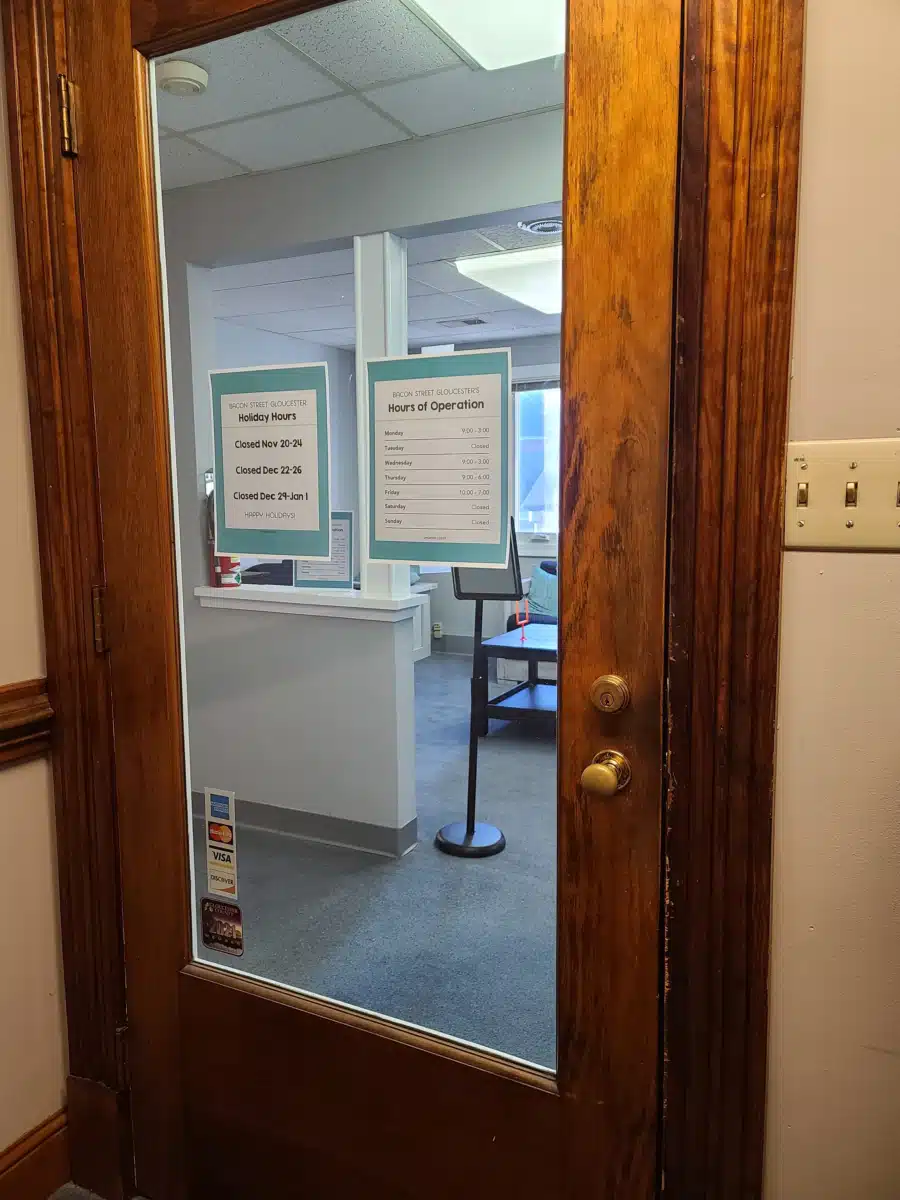
Gloucester Location
BHG XLII LLC

BHG XLII LLC


Staunton Treatment Center LLC


BHG XLI LLC

BHG XLII LLC
Guinan Center
Treatment Highlights in Virginia
Popular Cities in Virginia
Richmond
10 centers
Arlington
8 centers
Winchester
7 centers
Charlottesville
5 centers
Galax
5 centers
Virginia Beach
5 centers
Culpeper
4 centers
Fredericksburg
4 centers
View all 90 cities in Virginia
Frequently Asked Questions About Treatment in Virginia
Sources
- Virginia DBHDS — Department of Behavioral Health and Developmental Services
- Virginia Department of Health — Drug Overdose Data
- SAMHSA National Survey on Drug Use and Health (NSDUH) 2022
- Virginia Medicaid — Behavioral Health Services
- Virginia CONNECT Helpline — 1-855-972-4456
- SAMHSA National Helpline — 1-800-662-4357
Medical Disclaimer
The information on this page is for educational purposes and is not a substitute for professional medical advice. If you or someone you know is experiencing a substance use crisis, call the SAMHSA National Helpline at 1-800-662-4357 (free, confidential, 24/7). For immediate danger, call 911 or the 988 Suicide & Crisis Lifeline by dialing 988.