
Drug & Alcohol Rehab Centers in Massachusetts
Massachusetts is home to approximately 800 licensed addiction treatment facilities, anchored by the highest concentration of academic medical centers in the United States. The Bureau of Substance Addiction Services (BSAS), within the Massachusetts Department of Public Health (DPH), licenses and funds treatment providers, sets clinical standards, and administers the state's continuum of publicly funded addiction services. Harvard Medical School, Boston University School of Medicine, and their affiliated hospitals have made Massachusetts a global leader in addiction medicine research and clinical innovation.
The state has been at the epicenter of the opioid crisis in New England. In 2022, Massachusetts recorded approximately 2,300 confirmed opioid-related overdose deaths, with illicitly manufactured fentanyl involved in the vast majority of fatalities. While the state's overdose death rate has stabilized relative to its 2016 peak, fentanyl's dominance in the illicit supply continues to drive high mortality. Alcohol use disorder remains the most prevalent substance use disorder statewide, and cocaine and stimulant-related deaths have risen sharply in recent years, particularly in the Boston metro area and Gateway Cities like Fall River, New Bedford, and Lowell.
Massachusetts' treatment infrastructure spans the full ASAM continuum from medical detoxification and residential treatment to intensive outpatient (IOP) and telehealth services. The state is a national pioneer in harm reduction — Massachusetts was the first state to authorize a naloxone distribution program and has consistently led in evidence-based policy. Treatment modalities integrate medication-assisted treatment (MAT), cognitive behavioral therapy (CBT), dialectical behavior therapy (DBT), and motivational interviewing with holistic approaches. Cape Cod has developed a nationally recognized recovery community, and the Berkshires offer retreat-style residential treatment in western Massachusetts.
Addiction Treatment Landscape in Massachusetts
Massachusetts' addiction treatment system is overseen by the Bureau of Substance Addiction Services (BSAS) within the Department of Public Health. BSAS licenses treatment programs, manages the state's publicly funded treatment network, operates the Massachusetts Substance Abuse Information and Education Helpline, and coordinates with MassHealth (Medicaid) managed care organizations to ensure access to the full continuum of care. The state's approach to addiction has been shaped by its academic medical infrastructure and progressive public health tradition.
Key statistics:
- Approximately 2,300 confirmed opioid-related overdose deaths in 2022 (MA DPH)
- About 800 licensed treatment facilities statewide (SAMHSA N-SSATS)
- Fentanyl present in over 90% of opioid-related overdose deaths
- Massachusetts was the first state to authorize a public naloxone distribution program
Massachusetts has been a trailblazer in addiction policy. Chapter 258 of the Acts of 2010 established one of the nation's strongest insurance parity laws for substance use disorder treatment, requiring private insurers to cover addiction services without discriminatory limitations. The state's Section 35 civil commitment law allows involuntary commitment for individuals with substance use disorders who pose a risk of serious harm — a controversial but widely used tool that reflects the severity of the crisis. In 2018, Massachusetts became the first state to require hospital emergency departments to offer MAT to patients presenting with opioid use disorder, through the MA BRIDGE program.
Regional treatment patterns reflect the state's geography. Greater Boston has the densest treatment network, with Harvard-affiliated programs at Massachusetts General Hospital, McLean Hospital, and Brigham and Women's, alongside Boston University's Clinical Addiction Research and Education (CARE) Unit and Boston Medical Center's pioneering MAT programs. The Gateway Cities — Lowell, Lawrence, Fall River, New Bedford, Springfield — face disproportionately high overdose rates and are priorities for state treatment funding. Cape Cod has developed a robust recovery community with residential programs, dual-diagnosis treatment, and sober living options drawing clients from across the Northeast. The Berkshires in western Massachusetts offer retreat-style residential programs in mountain settings. Telehealth has expanded access across the state, particularly for rural western Massachusetts communities.
Types of Treatment Available in Massachusetts
Massachusetts offers every ASAM level of addiction care through BSAS-licensed providers:
- Medical Detoxification: Hospital-based and freestanding Acute Treatment Services (ATS) — Massachusetts' term for medical detox — available in Boston, Worcester, Springfield, and throughout the state. Massachusetts General Hospital, McLean Hospital, and AdCare Hospital operate major detox programs.
- Residential Treatment: Programs ranging from Clinical Stabilization Services (CSS, typically 14-30 days) to Transitional Support Services (TSS, up to 90+ days). Cape Cod, the Berkshires, and the Boston suburbs offer diverse residential options from clinical to retreat settings.
- Partial Hospitalization (PHP): Structured day programs offering 5-7 days per week of intensive treatment, available in Boston, Worcester, Springfield, and surrounding communities.
- Intensive Outpatient (IOP): Flexible 3-5 day per week programs widely available across the state. IOP is a cornerstone of the Massachusetts treatment continuum, often used as a step-down from residential care or as primary treatment.
- Standard Outpatient: Weekly individual and group therapy through BSAS-licensed providers, community health centers, and the state's extensive network of Federally Qualified Health Centers (FQHCs).
- Telehealth Services: Massachusetts expanded telehealth for addiction treatment and has made many flexibilities permanent, including telehealth-based MAT prescribing and virtual group therapy sessions.
- Opioid Treatment Programs (OTPs): Massachusetts has an extensive methadone clinic network, with programs concentrated in Boston, Worcester, Springfield, and the Gateway Cities.
Massachusetts is also known for specialty treatment tracks including Harvard and BU-affiliated academic programs with cutting-edge research integration, collegiate recovery programs, LGBTQ+-affirming treatment (Boston has a robust LGBTQ+ recovery community), veteran-specific services, and programs for young adults. The state pioneered recovery high schools — Northshore Recovery High School was the first in the nation — providing continued education with integrated recovery support. 12-step programs and SMART Recovery meetings are widely available, and Cape Cod's recovery community model has become a national example of community-based long-term recovery support.
Insurance & MassHealth Coverage in Massachusetts
Massachusetts' Medicaid program, MassHealth, provides comprehensive coverage for substance use disorder treatment. Massachusetts expanded Medicaid under the ACA and currently covers approximately 2.3 million residents — about one-third of the state's population. MassHealth SUD services are delivered through managed care organizations and include:
- Acute Treatment Services (ATS / medical detoxification)
- Clinical Stabilization Services (CSS / short-term residential)
- Transitional Support Services (TSS / extended residential)
- Partial hospitalization and day programs
- Outpatient and intensive outpatient treatment
- Medication-assisted treatment (MAT) — buprenorphine, methadone, naltrexone
- Recovery support services and peer recovery coaching
- Case management and care coordination
MassHealth does not require prior authorization for MAT initiation, and the state mandates that all MassHealth managed care plans provide access to the full BSAS continuum of care. Massachusetts' landmark Chapter 258 insurance parity law requires private insurers to cover substance use disorder treatment without discriminatory limitations — including matching medical/surgical benefits for annual and lifetime dollar limits, treatment visit limits, and copayment amounts.
Private insurance plans in Massachusetts must comply with both federal MHPAEA parity requirements and the state's Chapter 258 parity law, which is considered one of the strongest in the nation. The Division of Insurance actively investigates parity violations. Major insurers including Blue Cross Blue Shield of Massachusetts, UnitedHealthcare, Cigna, Aetna, Harvard Pilgrim Health Care, and Tufts Health Plan cover the full continuum of addiction care.
For uninsured individuals, BSAS funds treatment through its network of contracted providers and administers SAMHSA block grant funding for free and sliding-scale programs. The Massachusetts Substance Abuse Information and Education Helpline (1-800-327-5050) provides free referrals 24/7, and SAMHSA's national helpline (1-800-662-4357) offers additional assistance.
Want us to find the perfect facility for you?
Call now - it's completely free!
Showing 20 of 329 results
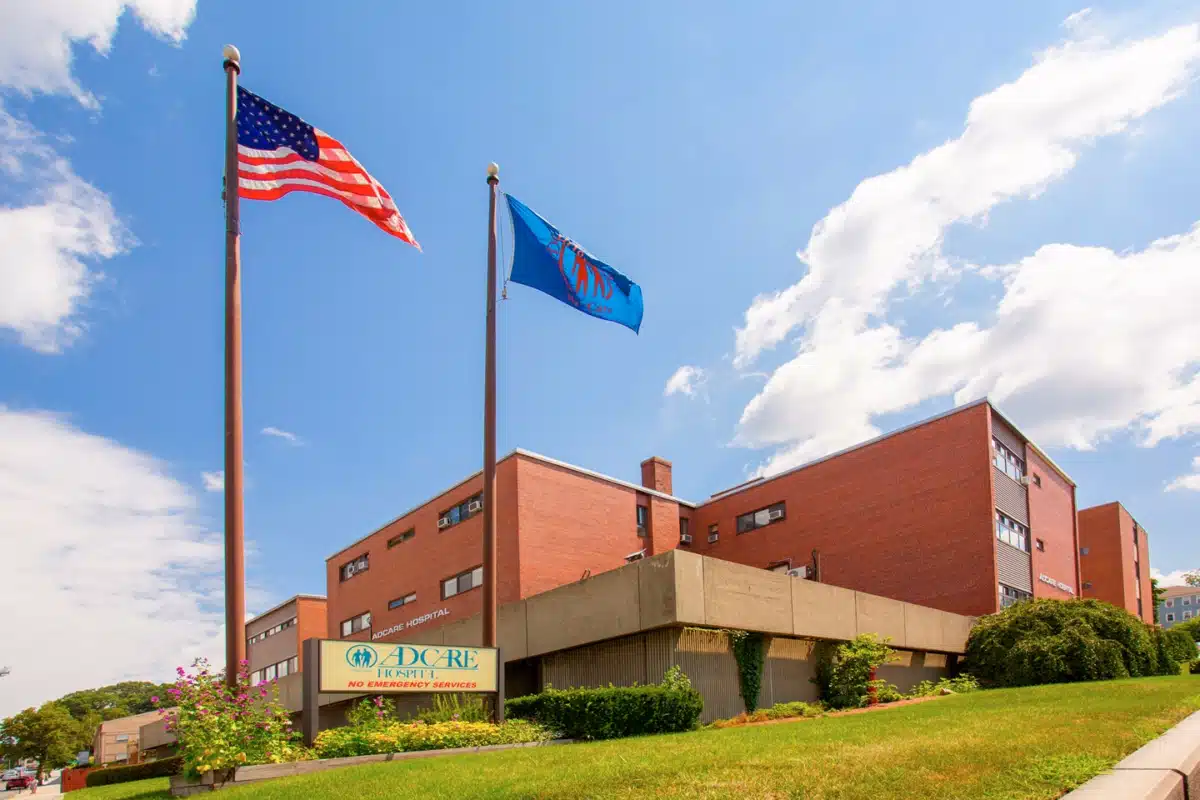
Worcester
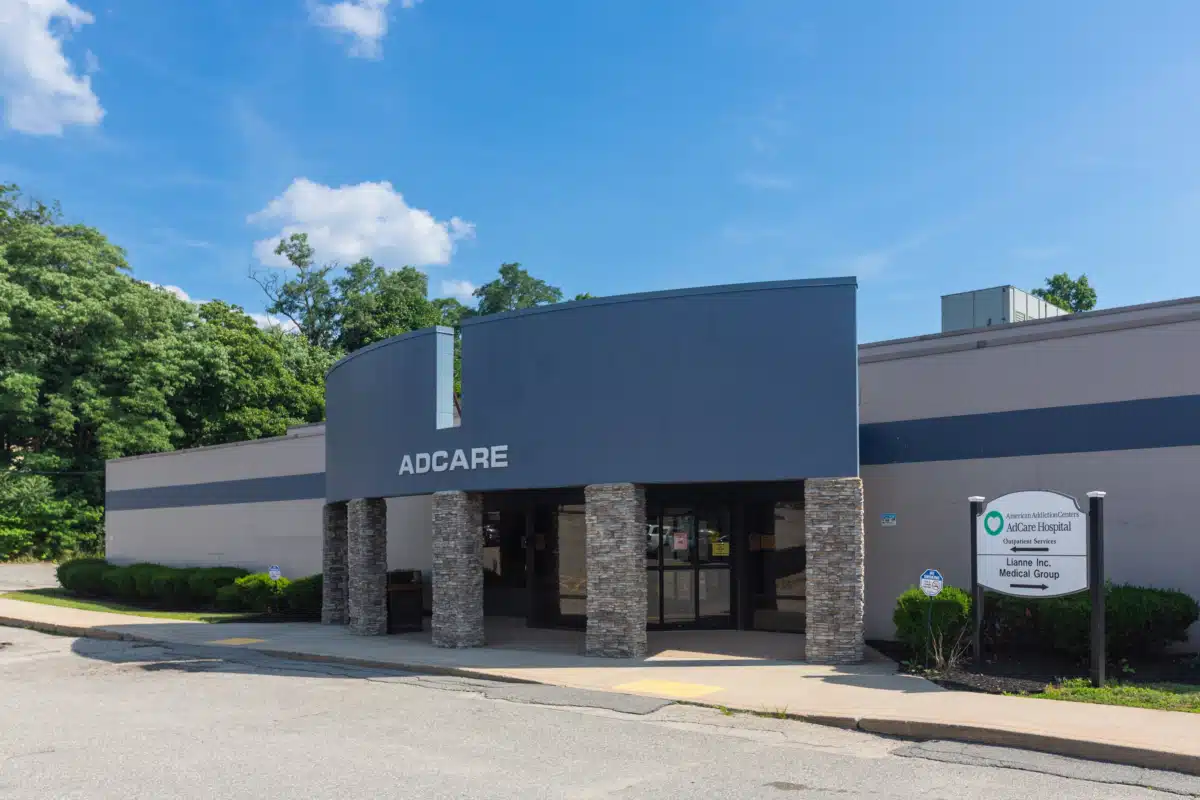
Worcester

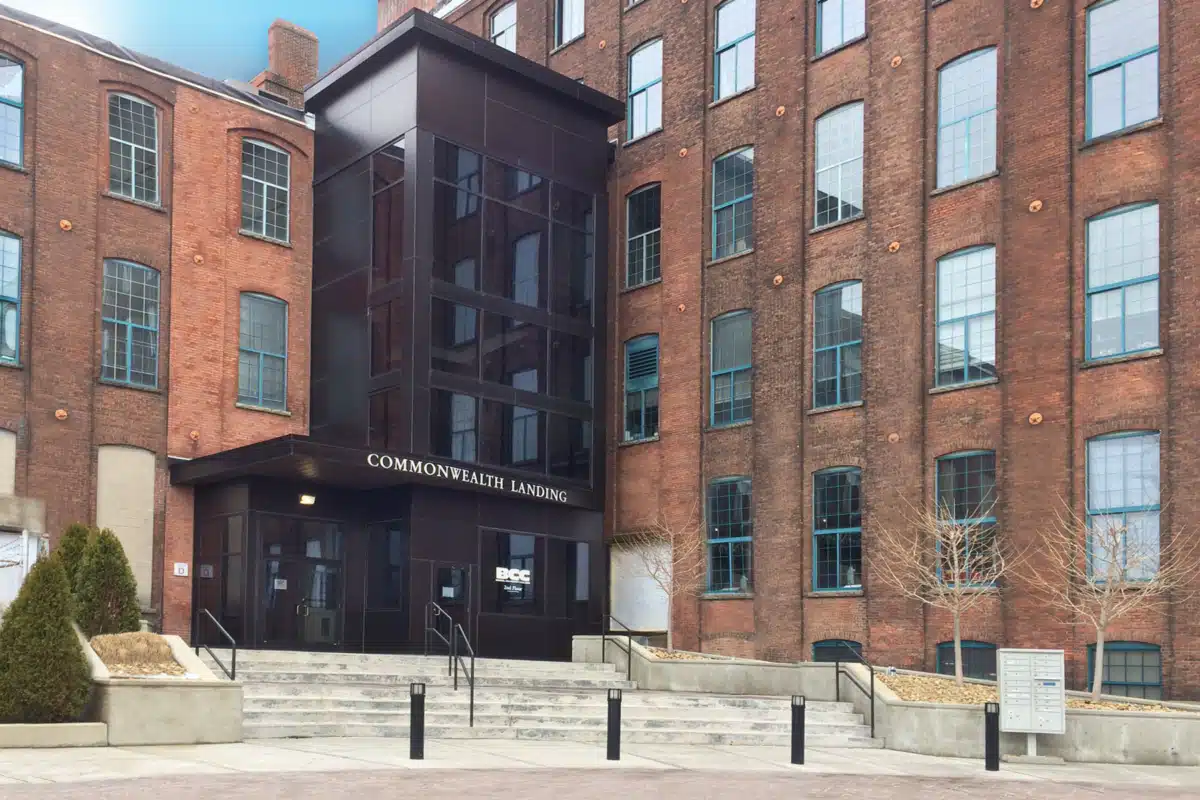
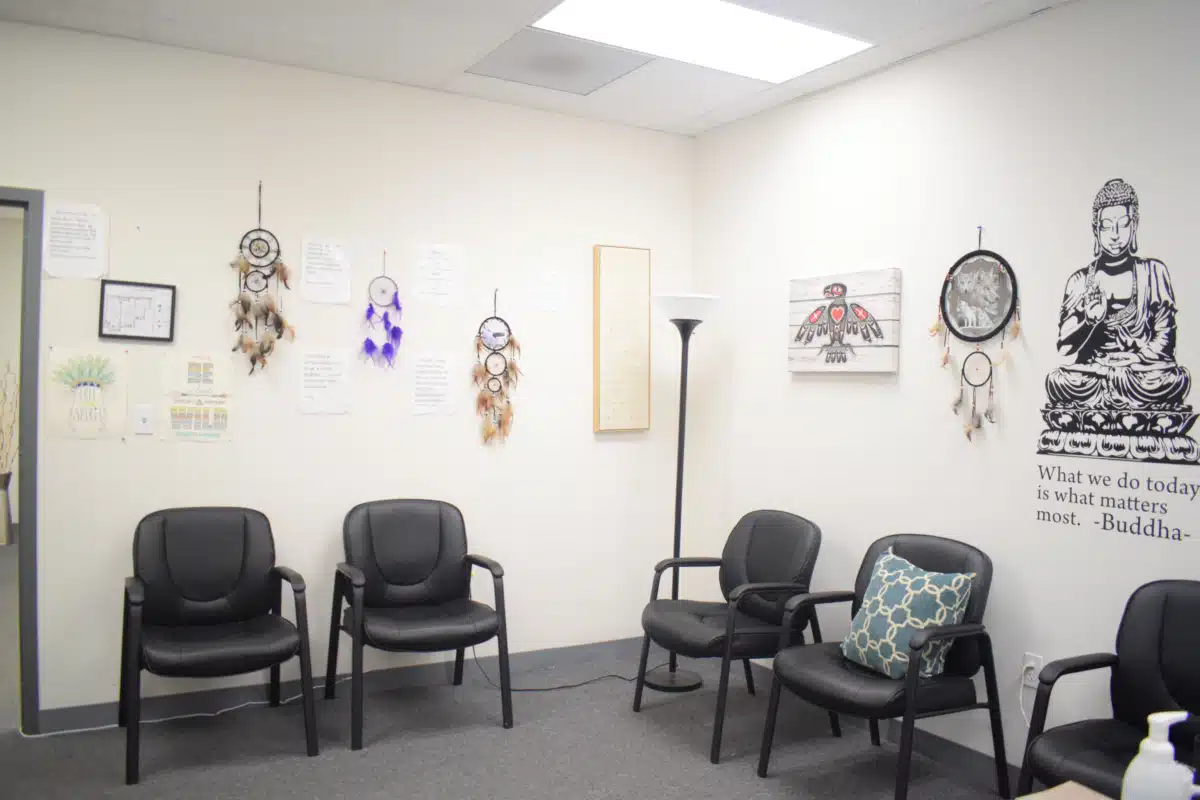
ATS


Treatment Services Satellite
Jamaica Plain
Marlborough
DBA Spring Hill Recovery Center
Enhanced Residential Rehab Services
Treatment Highlights in Massachusetts
Popular Cities in Massachusetts
Boston
17 centers
Fall River
11 centers
Brockton
10 centers
Lowell
9 centers
Springfield
9 centers
Framingham
8 centers
Lynn
8 centers
Quincy
8 centers
View all 113 cities in Massachusetts
Frequently Asked Questions About Treatment in Massachusetts
Sources
- Massachusetts Department of Public Health — Opioid-Related Overdose Deaths
- Bureau of Substance Addiction Services (BSAS)
- SAMHSA National Survey of Substance Abuse Treatment Services (N-SSATS)
- Massachusetts General Laws — Chapter 258 (Insurance Parity)
- MA Substance Abuse Information and Education Helpline
- CDC WONDER — Drug Overdose Mortality by State
Medical Disclaimer
The information on this page is for educational purposes and is not a substitute for professional medical advice. If you or someone you know is experiencing a substance use crisis, call the SAMHSA National Helpline at 1-800-662-4357 (free, confidential, 24/7). For immediate danger, call 911 or the 988 Suicide & Crisis Lifeline by dialing 988.