
Drug & Alcohol Rehab Centers in Vermont
Vermont's addiction treatment system serves a small, rural New England state that has earned national recognition for its innovative approach to the opioid crisis. With approximately 100 licensed treatment facilities, the state provides services from medical detoxification and residential treatment to intensive outpatient programs and telehealth-based recovery support. Vermont's Alcohol and Drug Abuse Programs (ADAP), within the Department of Health, oversees substance use disorder treatment policy and funding, coordinating a system that punches well above its weight in treatment innovation.
Vermont was among the first states to sound the alarm about opioid addiction as a public health emergency. In 2014, then-Governor Peter Shumlin devoted his entire State of the State address to the heroin and opioid crisis — the first governor in the nation to do so. Vermont responded with the hub-and-spoke model, a systematic approach to medication-assisted treatment (MAT) that has become the national gold standard. Under this model, regional "hubs" (opioid treatment programs) provide intensive MAT services, while community "spokes" (physician offices, health centers) offer ongoing buprenorphine maintenance. The result has been one of the most accessible MAT systems in the country relative to population.
Opioid use disorder remains Vermont's primary substance use challenge, with fentanyl increasingly dominating the drug supply. Alcohol use disorder is prevalent, with Vermont's craft brewery culture and rural isolation contributing to high consumption rates. Methamphetamine use has been a growing concern in recent years. Evidence-based treatment is the norm in Vermont, with cognitive behavioral therapy (CBT), motivational interviewing, dialectical behavior therapy (DBT), and 12-step facilitation widely available. Vermont Health Connect, the state's health insurance marketplace, and Green Mountain Care Medicaid provide strong insurance coverage for addiction treatment services.
Addiction Treatment Landscape in Vermont
Vermont's treatment landscape is defined by innovation out of necessity. As a small, rural state with limited resources, Vermont has developed treatment models that maximize reach and effectiveness. ADAP administers state and federal Substance Abuse Prevention and Treatment (SAPT) Block Grant funding through a network of designated treatment agencies and the hub-and-spoke MAT system.
Key statistics:
- Approximately 210 drug overdose deaths in 2022 (Vermont Department of Health)
- Roughly 100 licensed substance use treatment facilities statewide (SAMHSA N-SSATS)
- Vermont's hub-and-spoke model serves approximately 8,000 Vermonters in MAT annually
- Fentanyl is involved in the majority of opioid-related overdose deaths in the state
The hub-and-spoke model is Vermont's signature contribution to addiction treatment nationally. Nine regional hubs — opioid treatment programs located across the state — provide comprehensive assessment, methadone and buprenorphine induction, counseling, and care coordination. Dozens of community-based "spokes" — physician offices, federally qualified health centers, and clinics — provide ongoing buprenorphine prescribing and monitoring. A team of nurses and counselors coordinates care between hubs and spokes, ensuring continuity. This model has been cited by SAMHSA and the National Governors Association as a best practice and has influenced treatment system design in other states.
Vermont's small size enables a level of coordination that larger states struggle to achieve. The state's designated treatment agencies — including Howard Center in Burlington, Brattleboro Retreat, and others — provide the bulk of clinical treatment services. Vermont has also invested in recovery centers, sober housing, and peer recovery coaching. The opioid crisis has not spared Vermont's rural communities, where geographic isolation, limited transportation, and poverty create treatment access barriers that the hub-and-spoke model and telehealth aim to address.
Types of Treatment Available in Vermont
Vermont offers addiction treatment across the levels of care recognized by the American Society of Addiction Medicine (ASAM), with a particularly strong MAT infrastructure:
- Medical Detoxification: Hospital-based detox programs are available in Burlington, Brattleboro, and other communities. The Brattleboro Retreat is one of New England's oldest behavioral health facilities, providing comprehensive medically managed withdrawal services.
- Residential Treatment: Programs ranging from short-term stabilization to extended stays operate across Vermont. The Brattleboro Retreat, Valley Vista in Bradford, and other programs serve adults, adolescents, and specialized populations.
- Partial Hospitalization (PHP): Structured day treatment programs available through hospital-affiliated and designated agency providers, primarily in the Burlington area and Brattleboro.
- Intensive Outpatient (IOP): Programs meeting 3-5 days per week are available through designated treatment agencies across Vermont, including in smaller communities like Rutland, Barre, and St. Albans.
- Standard Outpatient: Weekly individual and group therapy available through designated agencies statewide, community health centers, and private practitioners.
- Telehealth Services: Vermont has expanded telehealth for substance use disorder treatment, particularly important for reaching residents in the Northeast Kingdom and other rural areas with limited in-person providers.
Vermont's hub-and-spoke MAT system is the centerpiece of the state's treatment approach. Nine regional hubs provide methadone and buprenorphine induction, intensive counseling, and care coordination. Dozens of community spokes offer ongoing buprenorphine maintenance. This system serves approximately 8,000 Vermonters annually. 12-step programs, SMART Recovery, recovery centers, peer recovery coaching, and sober living homes complement the clinical treatment system across the state.
Insurance & Vermont Medicaid (Green Mountain Care) Coverage
Vermont Medicaid, operating under the Green Mountain Care umbrella and accessed through Vermont Health Connect, provides comprehensive coverage for substance use disorder treatment. Vermont expanded Medicaid under the Affordable Care Act, and the state has historically had some of the most generous Medicaid benefits for behavioral health in the nation.
- Outpatient substance use disorder treatment and counseling
- Intensive outpatient programs (IOP)
- Residential treatment (with prior authorization)
- Medically supervised detoxification and withdrawal management
- Medication-assisted treatment (MAT) including buprenorphine, methadone, and naltrexone
- Hub-and-spoke MAT services including counseling and care coordination
- Mental health services for co-occurring disorders
- Peer recovery support services
- Recovery housing support
Vermont's Medicaid program covers the full hub-and-spoke continuum, making MAT accessible to Medicaid enrollees across the state. This coverage has been instrumental in Vermont achieving one of the highest per-capita MAT utilization rates in the nation.
Private insurance plans in Vermont must comply with the federal Mental Health Parity and Addiction Equity Act (MHPAEA). Major insurers including Blue Cross Blue Shield of Vermont, MVP Health Care, and Cigna operate in the state. Vermont's small individual market means many residents access coverage through Vermont Health Connect. For uninsured individuals, ADAP funds treatment through designated agencies on a sliding-fee basis. SAMHSA's National Helpline (1-800-662-4357) offers free referrals regardless of insurance status.
Want us to find the perfect facility for you?
Call now - it's completely free!
Showing 20 of 49 results

Central Vermont Addiction Medicine

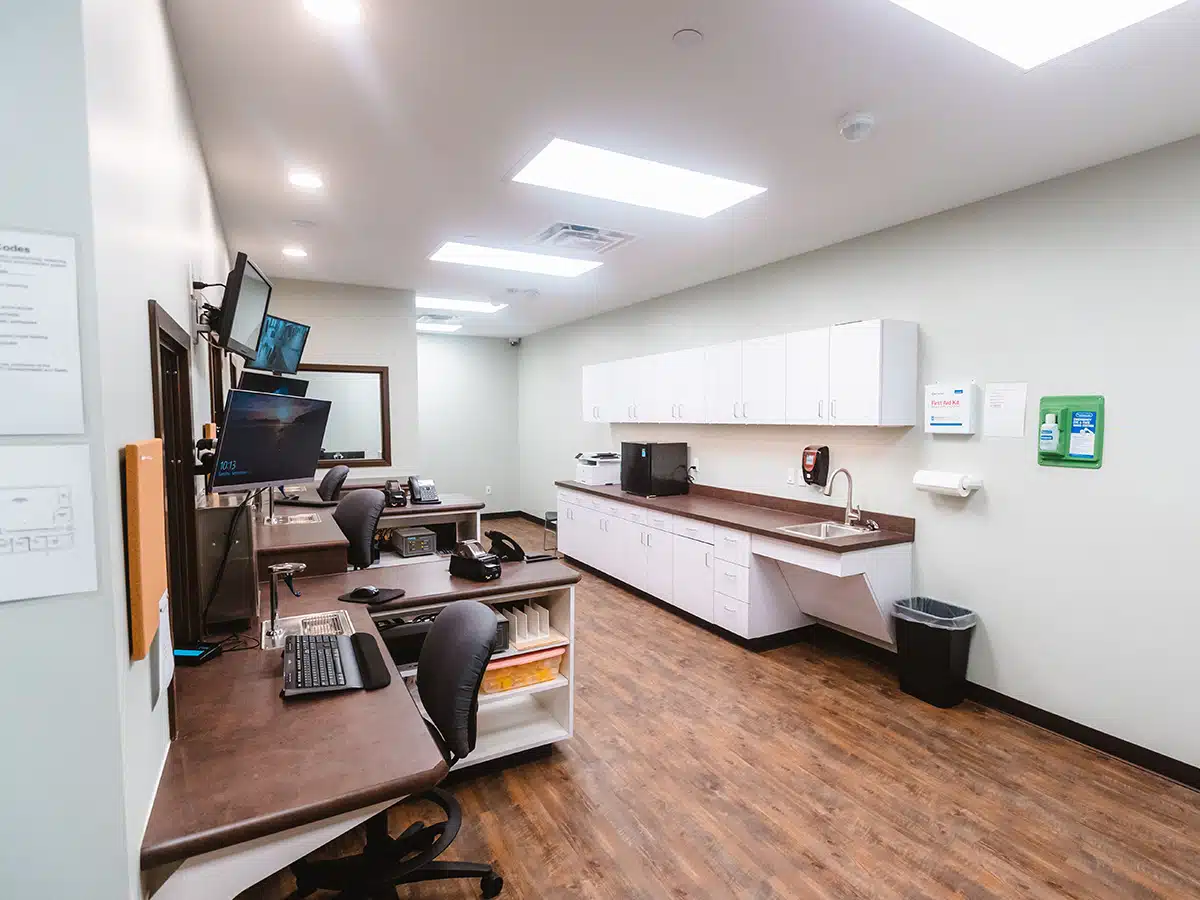
Habit Opco LLC
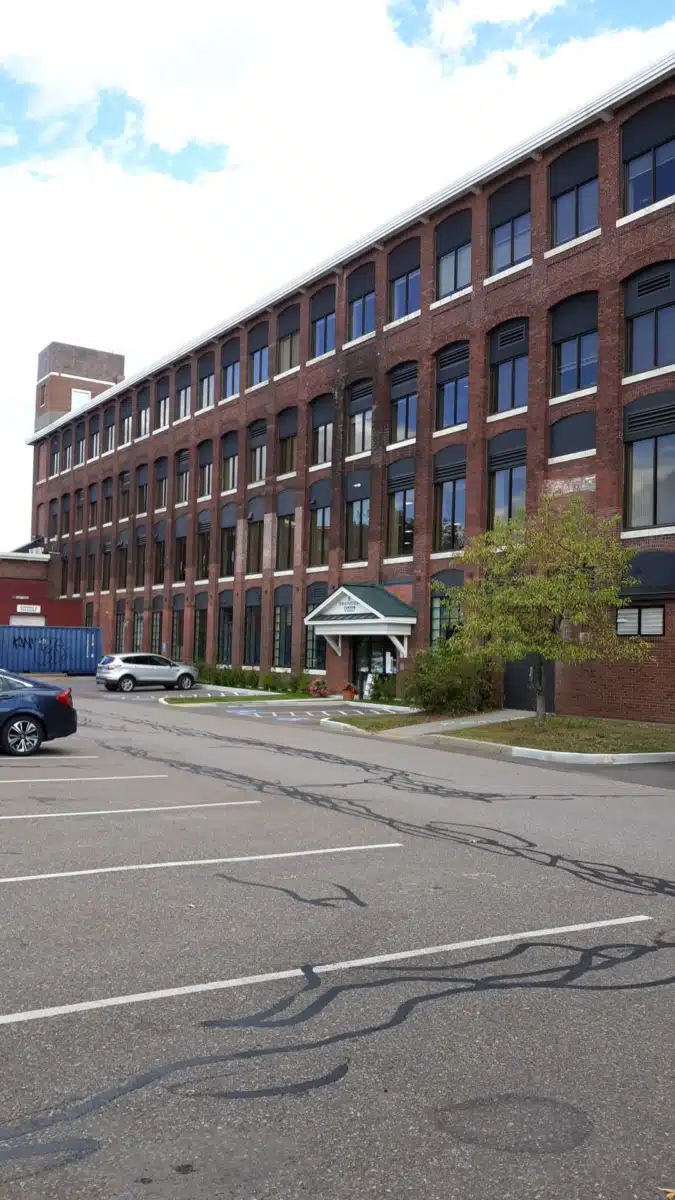
VA Mental Health Services
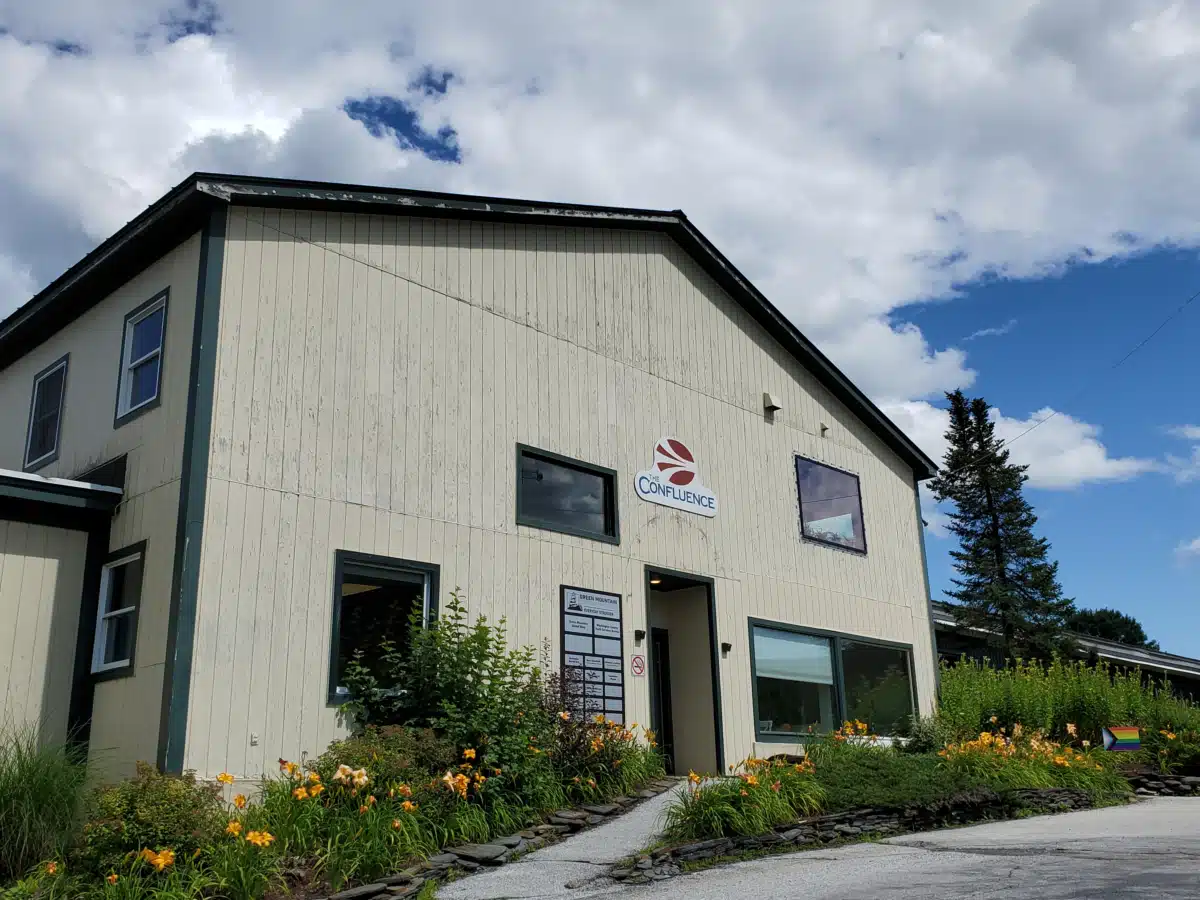

Lamoille Health Partners
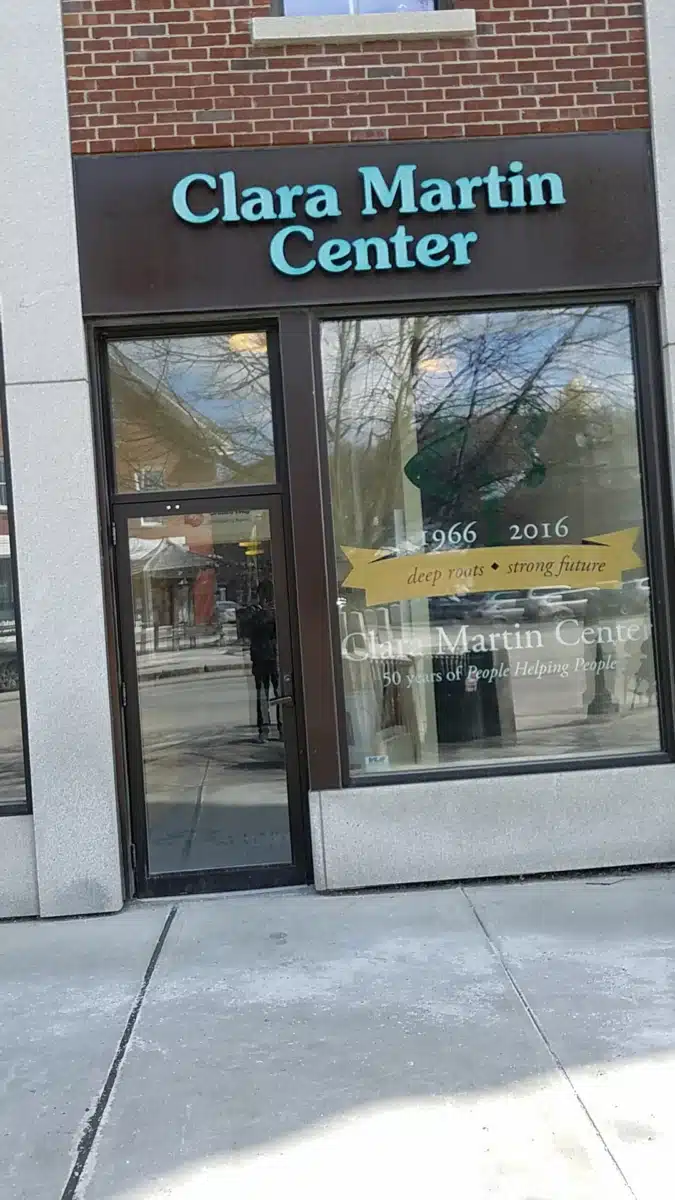


Quitting Time
Substance Abuse Services
Treatment Highlights in Vermont
Popular Cities in Vermont
Burlington
6 centers
Rutland
4 centers
Saint Albans
4 centers
Brattleboro
3 centers
Newport
3 centers
Saint Johnsbury
3 centers
Barre
2 centers
Bellows Falls
2 centers
View all 24 cities in Vermont
Frequently Asked Questions About Treatment in Vermont
Sources
Medical Disclaimer
The information on this page is for educational purposes and is not a substitute for professional medical advice. If you or someone you know is experiencing a substance use crisis, call the SAMHSA National Helpline at 1-800-662-4357 (free, confidential, 24/7). For immediate danger, call 911 or the 988 Suicide & Crisis Lifeline by dialing 988.