Liver Enzyme Discovery Could Transform Cocaine Addiction Treatment
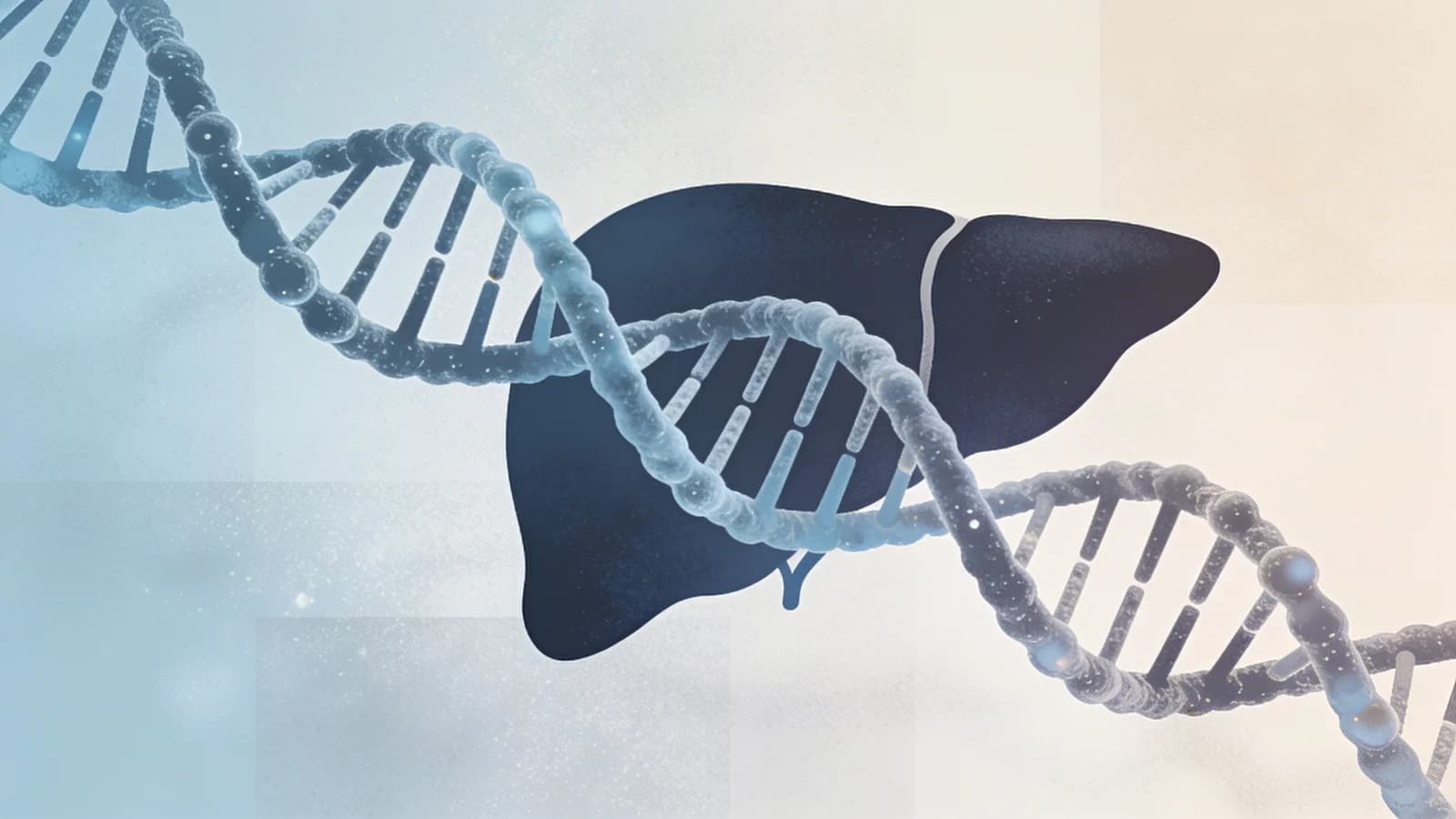
UC San Diego researchers identify liver-based genetic markers for cocaine addiction, opening new avenues for medication development beyond brain-targeting approaches.
16 articles found
Browse Rainier Rehab's editorial coverage of Federal-policy. Our writers track federal and state policy, peer-reviewed research, treatment innovations, and frontline reporting from the addiction recovery field. Each article in this collection cites primary sources — government datasets (SAMHSA, NIH, CDC), Medicaid and Medicare bulletins, JAMA and Lancet studies, and on-the-record statements from clinicians, regulators, and people in recovery — so readers can verify claims and dig deeper.
We update this tag whenever new federal-policy reporting publishes. If you're a researcher, journalist, or family member trying to make sense of substance use disorder treatment, this is the working archive. For a directory of accredited treatment facilities, visit our facilities directory; to compare modalities, see our treatments overview and levels of care guide.


UC San Diego researchers identify liver-based genetic markers for cocaine addiction, opening new avenues for medication development beyond brain-targeting approaches.

Eight new grant programs target child trauma, suicide prevention, and workforce development as part of the Great American Recovery Initiative.

A new federal Request for Information invites patients, providers and researchers to tell HHS which addiction programs work — with comments due July 5, 2026.

Federal scientists approve phase I study of mitragynine, opening new frontiers in opioid addiction research amid ongoing debates over kratom's safety and efficacy.

In a major policy shift, the FDA now advises that buprenorphine and methadone should not be withheld from patients taking benzodiazepines or other CNS depressants.

The Department of Veterans Affairs begins enrolling 80 veterans in a groundbreaking study combining MDMA with psychotherapy to treat co-occurring PTSD and alcohol use disorder.

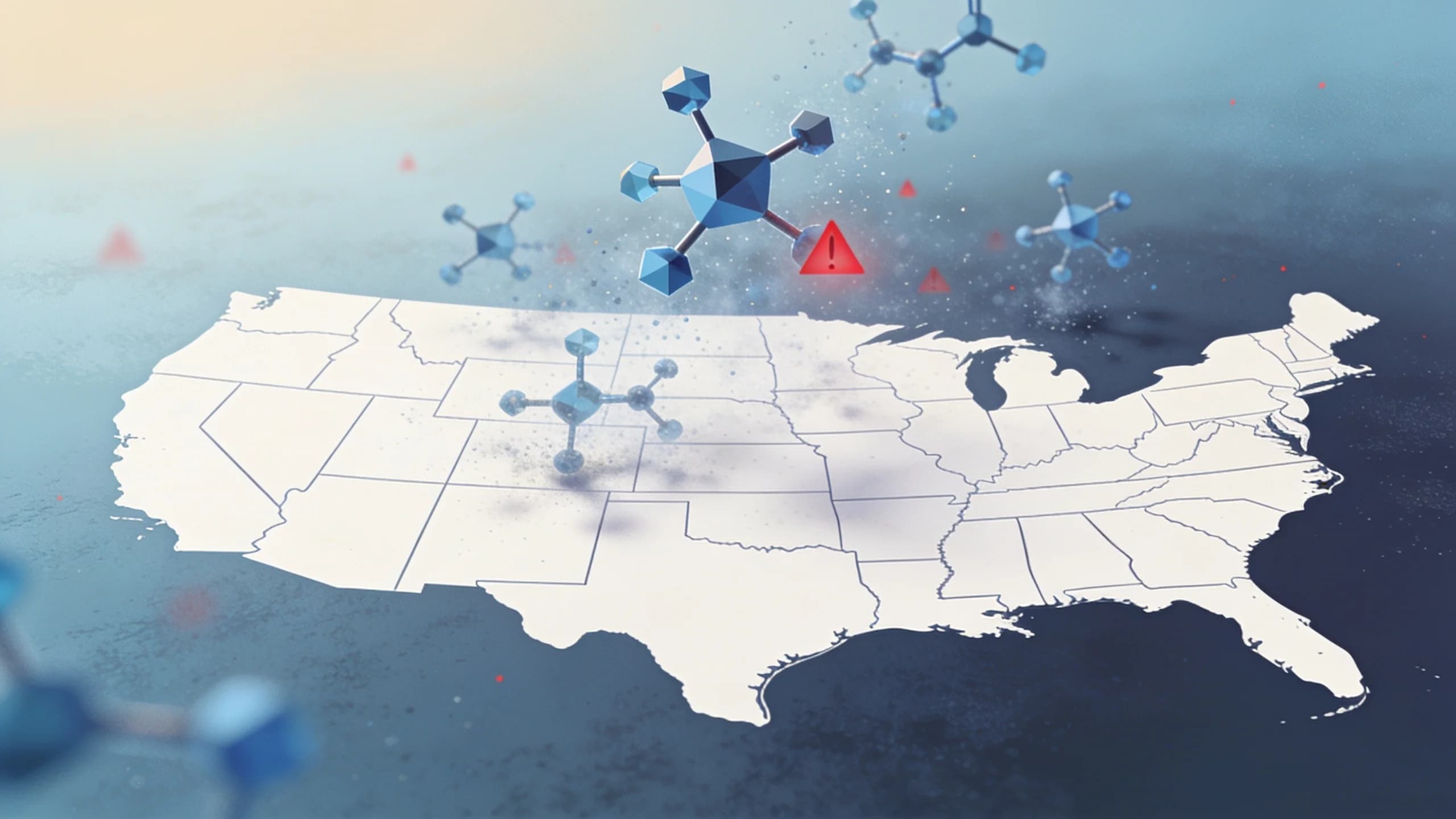
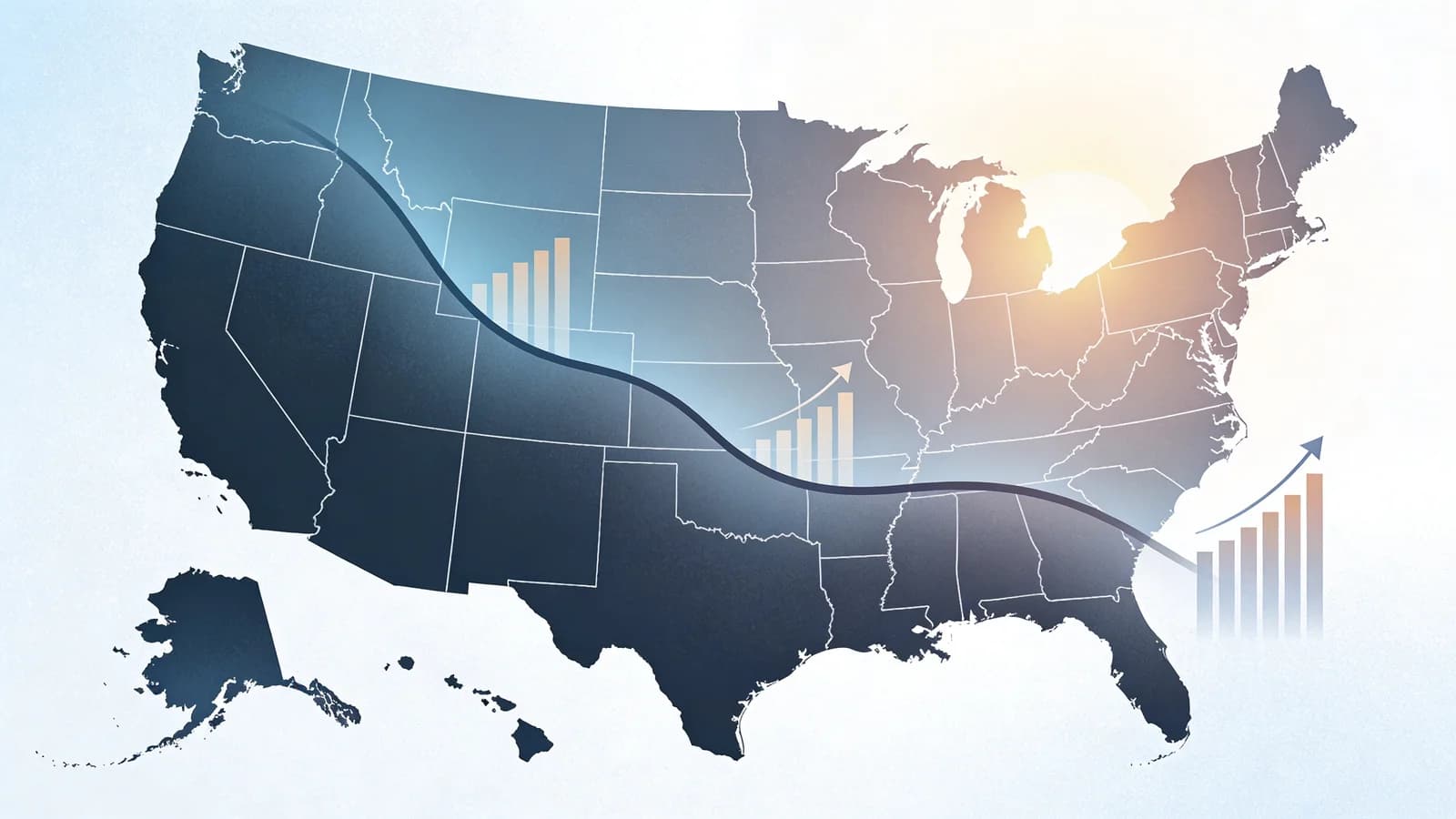
While U.S. overdose deaths dropped 14% in 2025, Arizona, New Mexico and North Dakota saw sharp increases amid evolving drug supply threats.

Federal drug enforcement officials warn that illicit fentanyl increasingly mixed with veterinary sedatives and ultra-potent synthetic opioids is creating unprecedented challenges for overdose reversal.

New research reveals how cAMP signaling in brain neurons drives GLP-1 weight loss effects, opening pathways to enhance addiction treatments.

New NIH-funded research shows oral GLP-1 drugs like orforglipron reach the central amygdala, opening potential pathways for treating substance use disorders.
Michigan Attorney General Dana Nessel unveils comprehensive spending guidance and public reporting tools to ensure opioid settlement funds reach communities in need.

Despite rapid expansion of telehealth mental health services, a major JAMA study reveals only modest gains in reaching rural and underserved patients.

State auditor finds Arizona Department of Corrections may have unlawfully spent opioid settlement money without proving inmates contracted hepatitis C from IV drug use.

Research identifies novel mechanism where oral GLP-1 medications penetrate deep into brain's reward center, opening potential pathways for treating addiction

Trump administration's new drug control strategy includes national wastewater monitoring, artificial intelligence cargo screening, and expanded faith-based treatment options.

Preliminary CDC data shows approximately 70,000 Americans died of drug overdoses in 2025, the lowest since before the pandemic, though experts caution the crisis is far from over.