

NIH Scientists Uncover Brain Mechanism That Could Extend GLP-1 Drug Effects for Addiction Treatment
The same class of medications transforming obesity treatment may soon revolutionize addiction care, thanks to new insights into how these drugs interact with the brain at the cellular level.
Researchers at the National Institutes of Health have identified a specific intracellular mechanism through which GLP-1 receptor agonists like semaglutide produce their effects, potentially opening the door to enhanced formulations that could benefit patients with substance use disorders.
Mapping the Cellular Machinery
Published in Nature Metabolism, the study reveals that GLP-1 drugs trigger weight loss through cyclic adenosine monophosphate (cAMP) signaling in the area postrema—a brain region containing circuits related to appetite and reward processing. Using advanced fluorescence imaging techniques, the research team observed how individual neurons respond to semaglutide exposure in real time.
The findings challenge the assumption that all neurons react uniformly to these medications. Instead, researchers discovered a continuum of cellular responses. Some neurons maintained elevated cAMP levels when exposed to the drug, while others showed only temporary increases, likely due to receptor internalization or degradation.
"We know much less about the nuts and bolts of what goes on within the neurons that these medications target," said co-corresponding author Andrew Lutas, Ph.D., an investigator at NIH's National Institute of Diabetes and Digestive and Kidney Diseases. "By digging into these mechanisms, we're beginning to answer why responses differ between patients and why effects eventually plateau."
Breaking Through the Plateau
The research team's most significant discovery involved the enzyme PDE4, which naturally degrades cAMP. When researchers inhibited PDE4 using the drug roflumilast, neurons shifted toward sustained cAMP responses rather than temporary ones.
This finding suggests a pathway to extend GLP-1 drug effects, potentially reducing dosing frequency while maintaining therapeutic benefits. For patients undergoing medication-assisted treatment for addiction, such advances could mean more consistent craving suppression and improved treatment adherence.
The implications extend beyond convenience. Many patients on GLP-1 medications for weight management experience a plateau effect where initial dramatic results taper off over time. Understanding cAMP modulation could provide strategies to overcome this limitation, keeping patients engaged in treatment longer.
From Appetite to Addiction
While the NIH study focused on weight loss mechanisms, the brain circuits involved overlap significantly with those implicated in addiction. The area postrema and related regions process not only hunger signals but also reward anticipation, impulse control, and habit formation—all critical factors in substance use disorders.
Previous research has already demonstrated GLP-1 drugs' potential for treating alcohol and opioid use disorders. Studies have shown that semaglutide can reduce heavy drinking by 41% when combined with cognitive behavioral therapy, and emerging data suggest benefits for opioid craving reduction as well.
The new understanding of cAMP signaling provides a mechanistic explanation for these effects and points toward optimization strategies. By enhancing sustained neuronal responses through PDE4 inhibition or similar approaches, future formulations might deliver more robust and durable benefits for addiction treatment.
Clinical Translation Challenges
Moving from mouse brain tissue to human addiction treatment requires navigating significant hurdles. The NIH researchers acknowledge that their current methods only allowed observation over hours, whereas addiction treatment operates on timescales of months and years.
Future studies aim to apply new techniques to examine intracellular GLP-1 effects over extended periods. Understanding how cAMP signaling evolves with chronic drug exposure will be essential for developing practical therapeutic enhancements.
Safety considerations also require careful evaluation. Roflumilast, the PDE4 inhibitor used in the study, is already FDA-approved for treating COPD flare-ups, which could accelerate clinical translation. However, combining it with GLP-1 agonists would require dedicated trials to establish efficacy and safety profiles specifically for addiction indications.
What This Means for Treatment
For individuals struggling with opioid addiction, the research offers hope that existing medication options may soon become more effective. Current medication-assisted treatments—including buprenorphine, methadone, and naltrexone—help many patients achieve recovery but leave significant room for improvement in craving control and relapse prevention.
GLP-1 drugs represent a fundamentally different approach, targeting the brain's reward circuitry rather than simply substituting for or blocking opioids. If the cAMP enhancement strategy proves effective in clinical trials, it could provide a powerful new tool in the addiction treatment arsenal.
The NIH findings also underscore the importance of continued federal investment in basic neuroscience research. Understanding cellular mechanisms often precedes clinical breakthroughs by years or decades, but without this foundational knowledge, progress in treating complex conditions like addiction stalls.
As pharmaceutical companies race to develop next-generation GLP-1 medications, the cAMP signaling pathway identified by NIH researchers may become a key target for drug optimization—potentially benefiting not only patients with obesity but also those battling substance use disorders across America.
Editorial Board
LADC, LCPC, CASAC
The Rainier Rehab editorial team consists of licensed addiction counselors, healthcare journalists, and recovery advocates dedicated to providing accurate, evidence-based information about substance abuse treatment and rehabilitation.
Related Articles
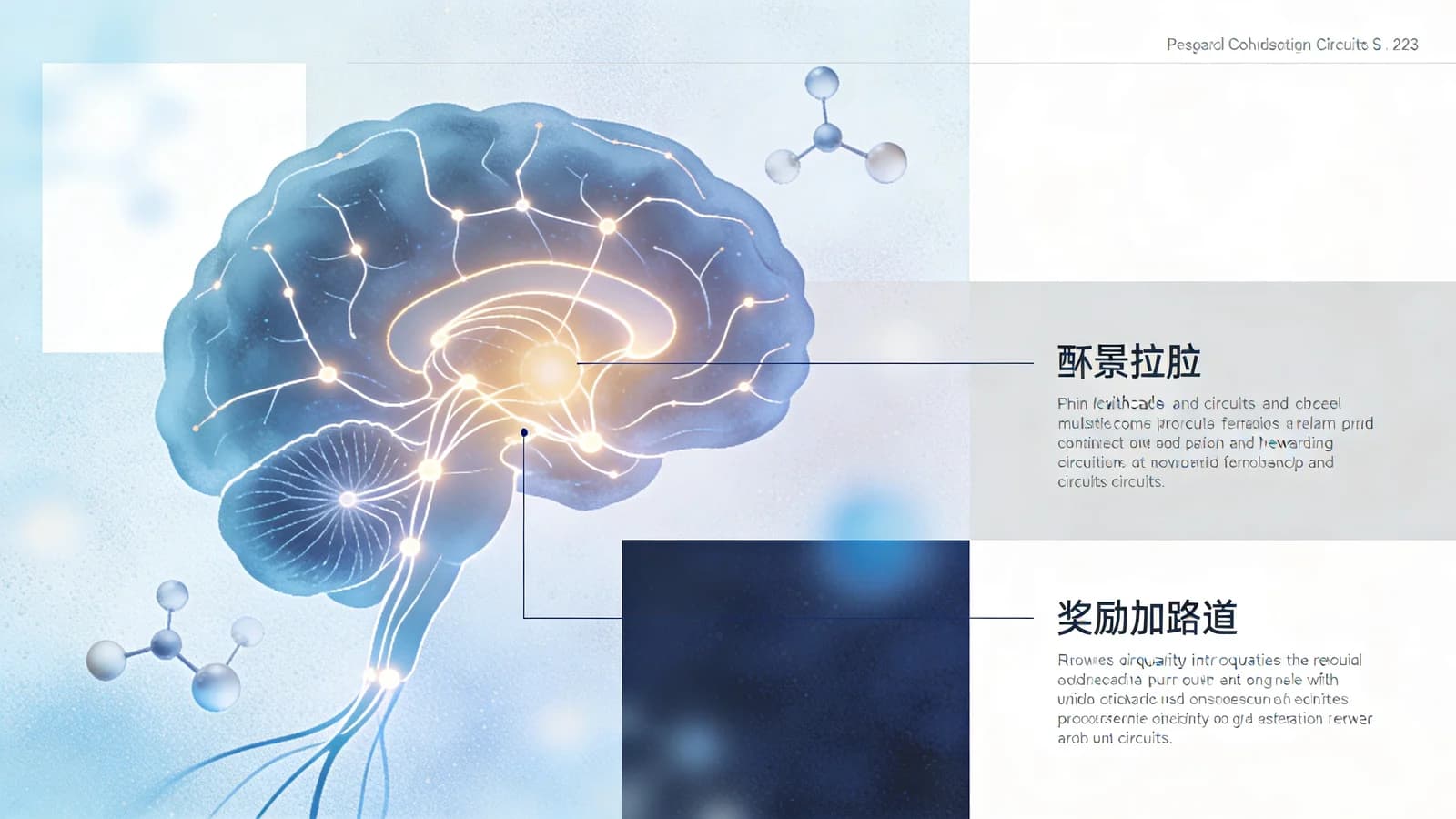
NIH Study Reveals How Small-Molecule GLP-1 Drugs Penetrate Deep Into Brain to Suppress Cravings
New NIH-funded research shows oral GLP-1 drugs like orforglipron reach the central amygdala, opening potential pathways for treating substance use disorders.
Liver Enzyme Discovery Could Transform Cocaine Addiction Treatment
UC San Diego researchers identify liver-based genetic markers for cocaine addiction, opening new avenues for medication development beyond brain-targeting approaches.

NIH Clears Kratom for First Human Trial: A Controversial Plant Enters the Scientific Mainstream
Federal scientists approve phase I study of mitragynine, opening new frontiers in opioid addiction research amid ongoing debates over kratom's safety and efficacy.