Liver Enzyme Discovery Could Transform Cocaine Addiction Treatment
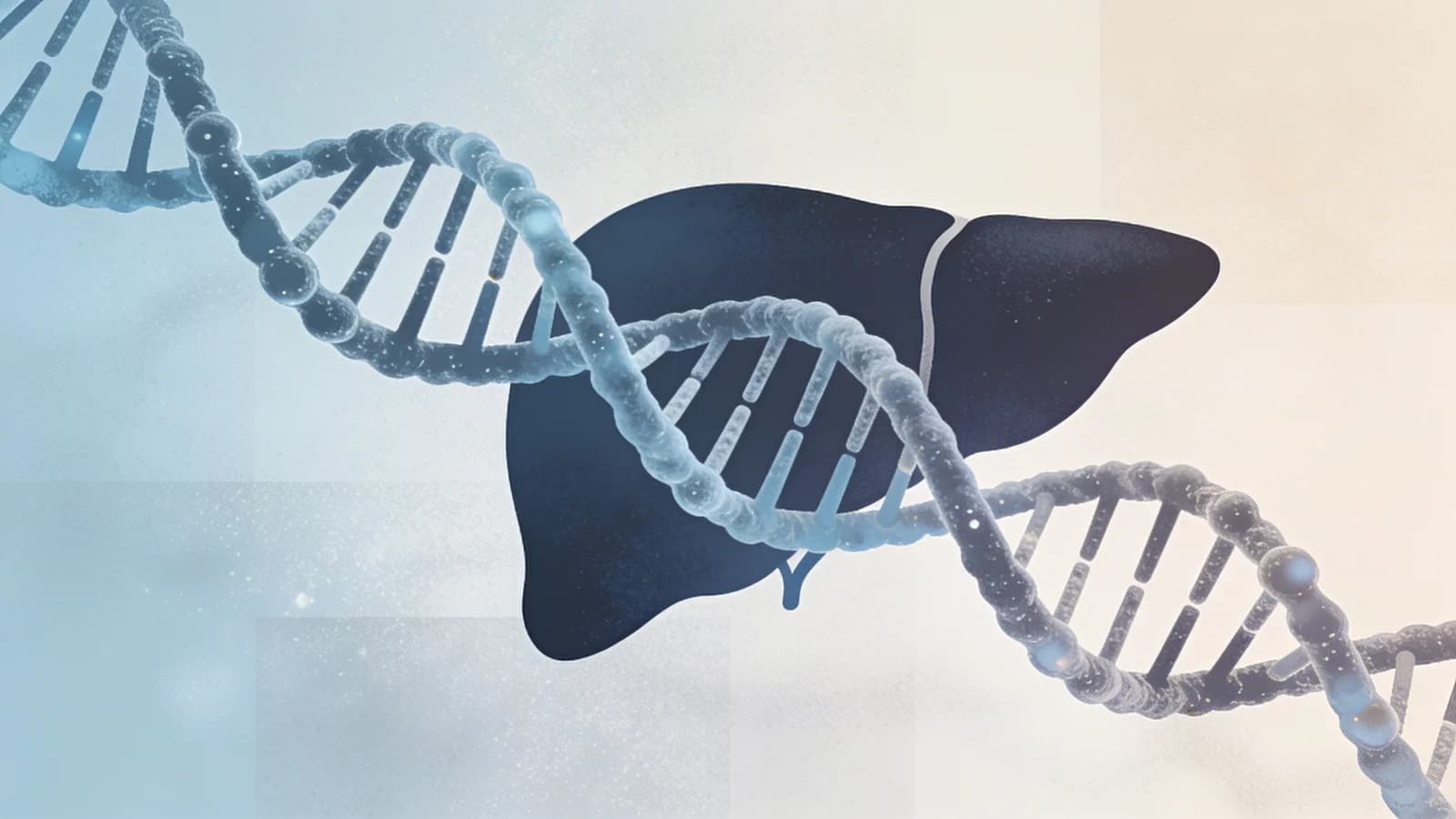
UC San Diego researchers identify liver-based genetic markers for cocaine addiction, opening new avenues for medication development beyond brain-targeting approaches.
15 articles found
Browse Rainier Rehab's editorial coverage of Clinical-research. Our writers track federal and state policy, peer-reviewed research, treatment innovations, and frontline reporting from the addiction recovery field. Each article in this collection cites primary sources — government datasets (SAMHSA, NIH, CDC), Medicaid and Medicare bulletins, JAMA and Lancet studies, and on-the-record statements from clinicians, regulators, and people in recovery — so readers can verify claims and dig deeper.
We update this tag whenever new clinical-research reporting publishes. If you're a researcher, journalist, or family member trying to make sense of substance use disorder treatment, this is the working archive. For a directory of accredited treatment facilities, visit our facilities directory; to compare modalities, see our treatments overview and levels of care guide.

UC San Diego researchers identify liver-based genetic markers for cocaine addiction, opening new avenues for medication development beyond brain-targeting approaches.

State lawmakers pass bill to study psychedelic-assisted therapy, joining growing national movement to explore alternative treatments for substance use disorders and mental health conditions.

University of Arkansas Medical Sciences convenes statewide summit as data reveals 60% of adolescents in substance use treatment have co-occurring mental illness.

Single dose of psilocybin with therapy support produced rapid, sustained reductions in suicidal thoughts among treatment-resistant patients

New research reveals how cAMP signaling in brain neurons drives GLP-1 weight loss effects, opening pathways to enhance addiction treatments.

University of Reading study finds single psilocybin dose reduces neuropathic pain for weeks and makes standard painkillers work better.

New real-world evidence shows extended-release buprenorphine significantly outperforms other medication-assisted treatments in preventing relapse and reducing healthcare costs.

Research published in the American Journal of Preventive Medicine reveals rising barriers to timely care for adolescents with cannabis use disorder, with younger teens and males most affected.

University of Cincinnati study demonstrates that embedding addiction treatment into primary care residency training expands patient access and boosts physician confidence in treating SUDs.

New NIH-funded research shows oral GLP-1 drugs like orforglipron reach the central amygdala, opening potential pathways for treating substance use disorders.

Despite rapid expansion of telehealth mental health services, a major JAMA study reveals only modest gains in reaching rural and underserved patients.

Forty-two addiction specialists establish consensus best practices for initiating medications for opioid use disorder in hospitals, adapting protocols for the fentanyl era.

JAMA study finds psychedelic-assisted therapy produced higher abstinence rates and longer relapse prevention than standard treatment

NIH-funded trial shows GLP-1 drug combined with cognitive behavioral therapy significantly reduces heavy drinking days in patients with alcohol use disorder and obesity.

University of Kentucky researchers find that experimental Alzheimer's medication MW150 could reduce brain inflammation and neural damage during alcohol withdrawal, potentially lowering relapse rates.