
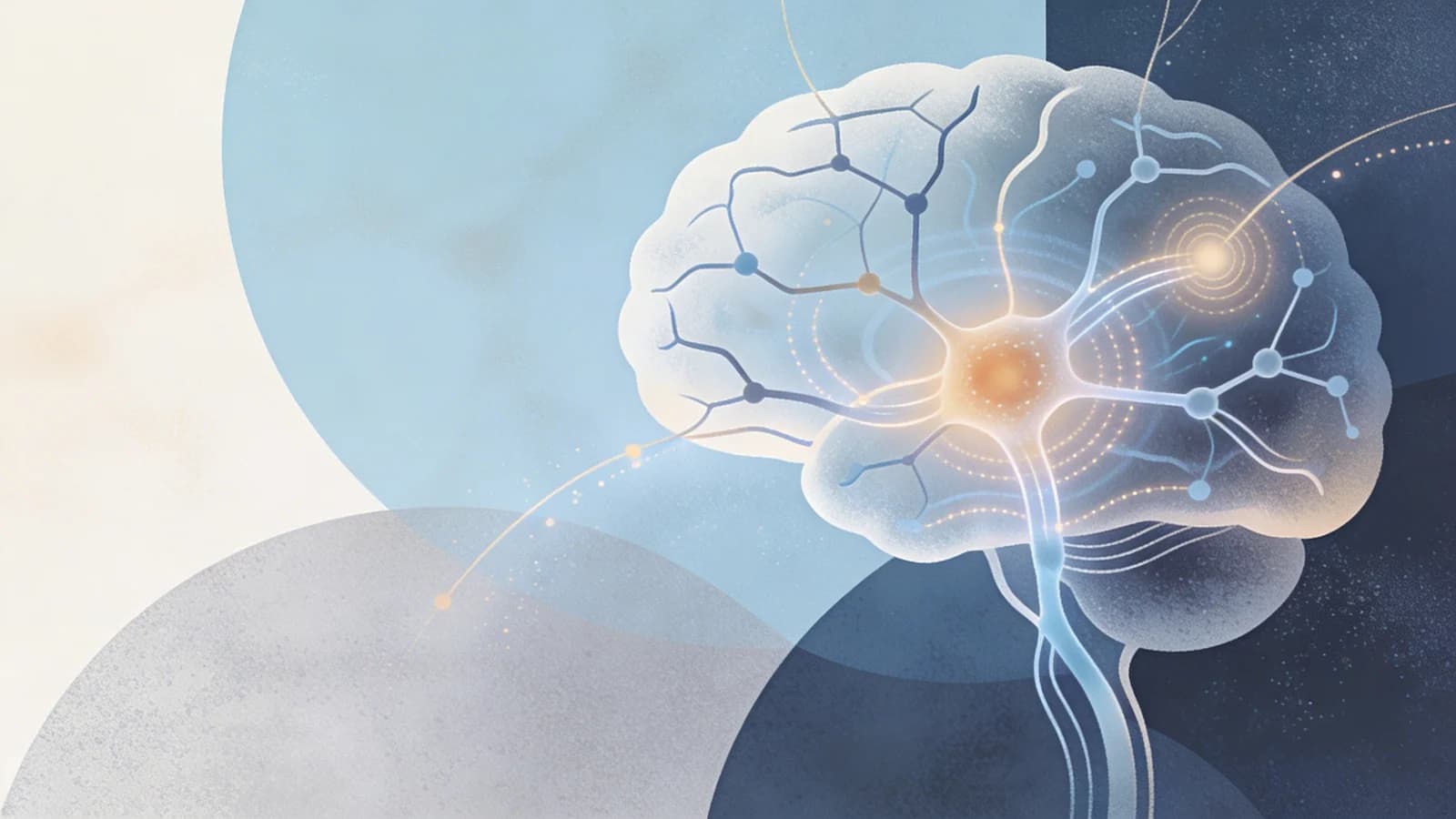
Psilocybin Shows Promise as Nerve Pain Treatment, Enhances Gabapentin Effectiveness
A single dose of psilocybin—the psychoactive compound found in certain mushrooms—can reduce nerve pain for up to a month while simultaneously making existing pain medications significantly more effective, according to new research from the University of Reading.
The findings, published in Communications Biology, suggest that psilocybin may work not merely as a painkiller but as a neural circuit reset that restructures how the brain processes pain signals. For the millions of Americans living with chronic neuropathic pain, particularly those at risk of opioid dependence, the implications could be transformative.
Rethinking Pain Treatment
Neuropathic pain affects approximately 10% of the global population, resulting from nerve damage caused by conditions like diabetes, shingles, chemotherapy, or physical injury. Unlike acute pain that signals tissue damage, neuropathic pain stems from malfunctioning pain-processing pathways in the nervous system itself.
Current first-line treatments include gabapentin and pregabalin, which between 30% and 50% of patients find inadequate. When these fail, doctors often turn to opioids—despite the well-documented risks of dependence, tolerance, and overdose that have fueled America's ongoing addiction crisis.
"Millions of people live with nerve pain that their medication simply does not control well enough, and the medicines we do have can cause serious side effects or lead to addiction," said Dr. Maria Maiarú, senior author of the study. "What is exciting here is that psilocybin does not just reduce pain on its own. It appears to reset the brain's pain networks in a way that makes existing treatments significantly more effective."
The Study Design
Researchers induced nerve damage in mice to create a model of chronic neuropathic pain, then administered a single dose of psilocybin. Rather than simply blocking pain signals like conventional analgesics, psilocybin appeared to fundamentally alter how pain-processing networks operate—a change that persisted long after the drug itself cleared the body.
Pain relief emerged approximately two hours after injection and lasted several weeks. This extended duration contrasts sharply with traditional pain medications that require daily or multiple daily doses to maintain effectiveness.
The most striking finding involved psilocybin's interaction with gabapentin. When researchers gave gabapentin to mice weeks after the psilocybin dose—after psilocybin's own pain-relieving effects had subsided—the combination produced pain relief lasting up to four days. In mice that had not received psilocybin, gabapentin's effects were substantially weaker and shorter-lived.
Mechanism of Action
The study suggests psilocybin works by restructuring brain pain-processing networks rather than through direct analgesic action. This neuroplastic effect aligns with growing research on psychedelics' ability to promote lasting changes in neural connectivity patterns.
Previous studies have shown psilocybin can increase brain entropy—measured flexibility in neural pathways—and enhance communication between brain regions that normally operate independently. In the context of chronic pain, which often involves rigid, self-reinforcing pain signaling loops, this plasticity-promoting effect may help break maladaptive patterns.
The research also confirmed these effects in both male and female mice, addressing a historical gap in pain research that often relied exclusively on male subjects. Given known sex differences in pain processing and psychedelic responses, this inclusive approach strengthens the findings' clinical relevance.
Implications for Addiction Prevention
The potential applications extend beyond pain management to addiction prevention. Chronic pain represents one of the most common pathways to opioid dependence, with many patients initially prescribed opioids for legitimate medical needs developing substance use disorders over time.
For individuals struggling with opioid addiction, psilocybin-assisted therapy is already being explored as a treatment approach. The new findings suggest benefits may extend to pain management specifically, potentially reducing reliance on opioids for chronic pain conditions.
If psilocybin can enhance gabapentin's effectiveness while providing its own sustained pain relief, the combination could offer a viable alternative to opioid therapy for many patients. This would address both the immediate suffering of chronic pain and the longer-term public health goal of reducing new opioid dependence cases.
Clinical Translation Pathway
Moving from mouse models to human pain treatment involves substantial challenges. Psilocybin remains a Schedule I controlled substance in the United States, creating regulatory barriers to research and clinical use despite growing evidence of therapeutic potential.
However, the regulatory landscape is shifting. The FDA has granted Breakthrough Therapy designation to psilocybin for treatment-resistant depression, and several states have enacted laws facilitating psychedelic research or therapeutic use. The Trump administration's recent executive order on psychedelics, which includes provisions for FDA priority vouchers and $50 million in federal research funding, signals potential federal policy evolution.
The study's use of an existing, widely prescribed medication (gabapentin) also simplifies clinical translation. Rather than requiring development of entirely new drug formulations, psilocybin enhancement could immediately improve outcomes for patients already taking standard neuropathic pain medications.
Future Directions
The University of Reading team plans follow-up studies to characterize the specific neural changes underlying psilocybin's pain-relieving effects and to optimize dosing protocols for potential human trials. Understanding how long the enhanced gabapentin response lasts, whether repeated psilocybin doses maintain benefits, and which patient characteristics predict best responses will be critical for clinical development.
For the addiction treatment field, these findings add to a growing body of evidence suggesting psychedelics may play important roles in addressing both substance use disorders directly and the chronic pain conditions that often precede them. As research progresses, psilocybin may emerge as a valuable tool not just for treating addiction, but for preventing it by addressing one of its most common root causes.
Editorial Board
LADC, LCPC, CASAC
The Rainier Rehab editorial team consists of licensed addiction counselors, healthcare journalists, and recovery advocates dedicated to providing accurate, evidence-based information about substance abuse treatment and rehabilitation.
Related Articles
NIH Scientists Uncover Brain Mechanism That Could Extend GLP-1 Drug Effects for Addiction Treatment
New research reveals how cAMP signaling in brain neurons drives GLP-1 weight loss effects, opening pathways to enhance addiction treatments.
NIH Study Reveals How Small-Molecule GLP-1 Drugs Penetrate Deep Into Brain to Suppress Cravings
New NIH-funded research shows oral GLP-1 drugs like orforglipron reach the central amygdala, opening potential pathways for treating substance use disorders.

Most People Who Hit "Rock Bottom" Say It Didn't Move Them to Recover
A Johns Hopkins study of 20 people in recovery from opioid use disorder found 70% described hitting rock bottom — but only two said it motivated them. The authors argue the trope delays care and deepens stigma.