
NIH Study Reveals How Small-Molecule GLP-1 Drugs Penetrate Deep Into Brain to Suppress Cravings
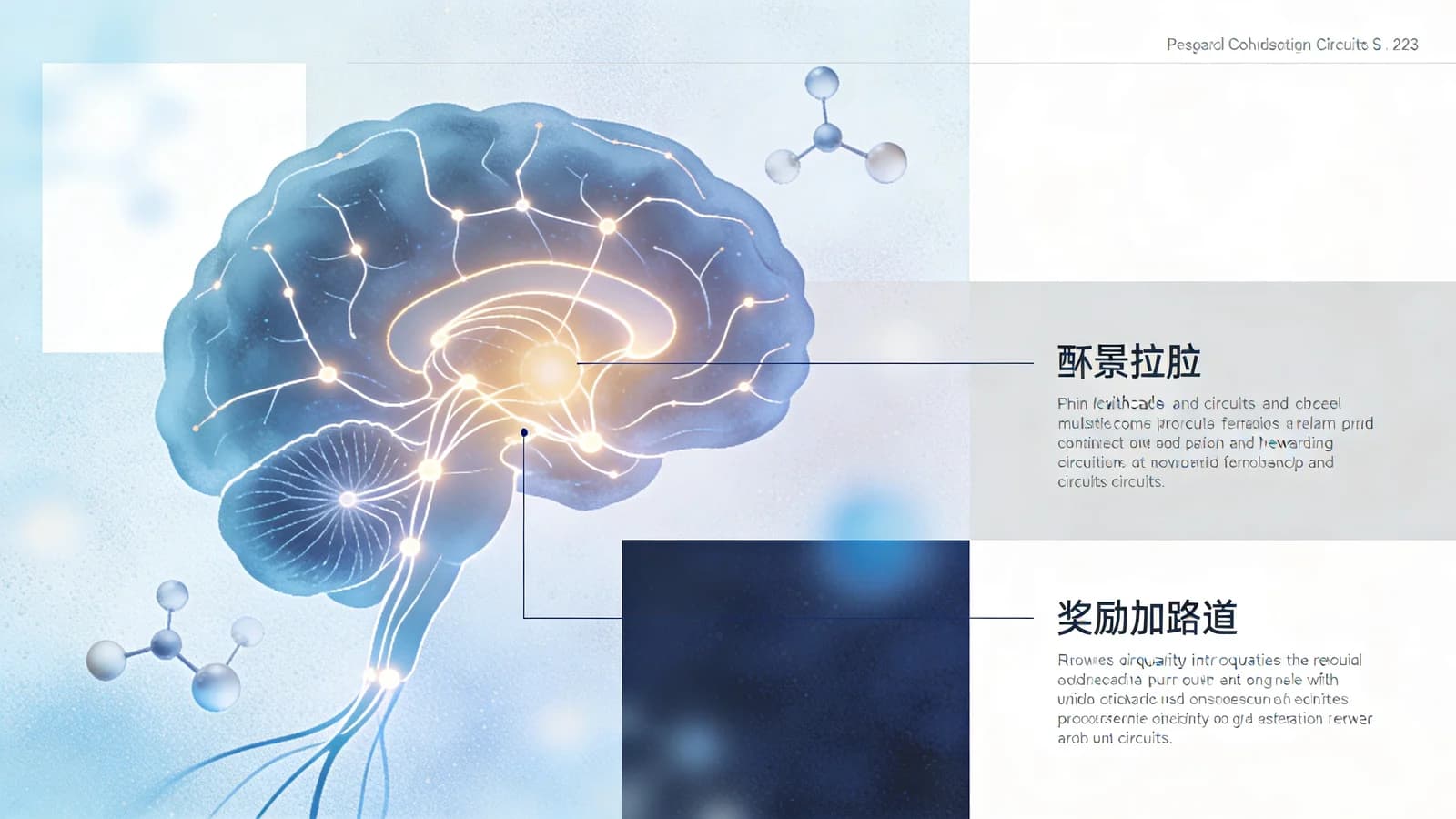
The next generation of weight-loss medications may hold unexpected promise for addiction treatment. A National Institutes of Health-funded study published in Nature has mapped how small-molecule GLP-1 receptor agonists—oral drugs like orforglipron and danuglipron—penetrate deeper into the brain than previously understood, engaging reward circuits that govern not just hunger but potentially cravings for substances.
This discovery marks a significant departure from what scientists knew about how GLP-1 medications work in the brain. While injectable drugs like semaglutide have been shown to suppress appetite through networks in the hypothalamus and hindbrain, the new research reveals that their small-molecule counterparts reach the central amygdala, a region associated with desire and reward processing that sits deeper in the brain than researchers thought these drugs could directly access.
A New Neural Pathway
Researchers at the University of Virginia, using gene-edited mice with more humanlike GLP-1 receptors, tracked where these oral medications induced activity after administration. The findings revealed activity not only in familiar appetite-regulating regions but crucially in the central amygdala, which plays a central role in processing reward and motivation.
Further experiments demonstrated that once activated, this brain region reduced dopamine release into key hubs of the brain's reward circuitry during hedonic feeding—eating for pleasure rather than energy needs. This newly charted pathway operates separately from mechanisms that broadly affect appetite, suggesting a distinct mode of action that could have broader therapeutic applications.
"We've known that GLP-1 drugs suppress feeding behavior driven by energy demand," said co-corresponding author Ali Guler, Ph.D., a professor of biology at the University of Virginia. "Now it seems oral small-molecule GLP-1s also dial back eating for pleasure by engaging a brain reward circuit."
Implications for Addiction Treatment
The natural extension of this research, according to scientists involved, is whether these next-generation GLP-1s can tone down cravings beyond food. The central amygdala's role in substance use disorders has been well-documented—this region becomes hyperactive during drug craving and plays a key part in the relapse cycle.
For people struggling with opioid addiction, the potential implications are significant. Current medications for opioid use disorder, while effective, don't work for everyone. Buprenorphine and methadone target opioid receptors directly, but they come with their own challenges around access, stigma, and side effects. A medication that could modulate the underlying reward circuitry driving cravings—without the same regulatory restrictions—could represent a paradigm shift.
"As the accessibility of these medications continues to rise and patient uptake increases, it's crucial that we understand the neural mechanisms underlying the effects we're seeing," said Lorenzo Leggio, M.D., Ph.D., clinical director of NIH's National Institute on Drug Abuse (NIDA).
The Accessibility Advantage
Small-molecule GLP-1 drugs offer practical advantages that could prove crucial for addiction treatment access. Unlike their injectable counterparts, these medications can be taken orally and are significantly cheaper to produce. This matters in a treatment landscape where cost and convenience often determine whether patients can maintain consistency with their medication regimen.
The FDA has already approved orforglipron under its National Priority Voucher program, signaling regulatory recognition of the drug's potential importance. With oral administration eliminating the need for injections and cold-chain storage, these medications could reach rural and underserved communities where medication-assisted treatment options remain limited.
From Mice to Humans
The University of Virginia study was conducted in mice with genetically modified GLP-1 receptors, a necessary step to understand mechanism but one that requires caution when extrapolating to human patients. The research team has indicated that follow-up studies will specifically investigate effects on substance use disorder, moving from mechanistic understanding to therapeutic application.
NIH supported this research through multiple institutes, including the National Institute of Neurological Disorders and Stroke, the National Institute of General Medical Sciences, and the National Heart, Blood, and Lung Institute—reflecting the cross-cutting nature of this work spanning neuroscience, metabolism, and cardiovascular health.
The Broader Context
This research arrives as the addiction treatment field grapples with a surge of interest in GLP-1 medications for substance use disorders. Multiple observational studies have already suggested that people taking semaglutide and similar drugs show reduced rates of alcohol and opioid use disorders compared to matched controls. What the new Nature study provides is a mechanistic explanation—an understanding of how these effects might occur at the neural level.
The distinction between peptide-based GLP-1s like semaglutide and small-molecule versions like orforglipron may prove clinically significant. If small-molecule drugs more effectively penetrate brain regions governing reward and craving, they could offer superior efficacy for addiction indications—even if their weight-loss effects are comparable to injectable alternatives.
For researchers and clinicians working to expand the pharmacological toolkit for substance use disorders, these findings offer both validation and direction. The central amygdala pathway represents a new target for therapeutic intervention, one that could be modulated not just through GLP-1 medications but potentially through other approaches that influence this same circuitry.
As clinical trials specifically testing GLP-1 drugs for alcohol and opioid use disorders get underway, this mechanistic understanding will help guide dosing strategies, patient selection, and combination approaches. The path from laboratory discovery to clinical application remains long and uncertain, but the neural roadmap provided by this research offers a clearer direction forward than addiction science has had in years.
Editorial Board
LADC, LCPC, CASAC
The Rainier Rehab editorial team consists of licensed addiction counselors, healthcare journalists, and recovery advocates dedicated to providing accurate, evidence-based information about substance abuse treatment and rehabilitation.
Related Articles

NIH Scientists Uncover Brain Mechanism That Could Extend GLP-1 Drug Effects for Addiction Treatment
New research reveals how cAMP signaling in brain neurons drives GLP-1 weight loss effects, opening pathways to enhance addiction treatments.
Liver Enzyme Discovery Could Transform Cocaine Addiction Treatment
UC San Diego researchers identify liver-based genetic markers for cocaine addiction, opening new avenues for medication development beyond brain-targeting approaches.
NIH Clears Kratom for First Human Trial: A Controversial Plant Enters the Scientific Mainstream
Federal scientists approve phase I study of mitragynine, opening new frontiers in opioid addiction research amid ongoing debates over kratom's safety and efficacy.