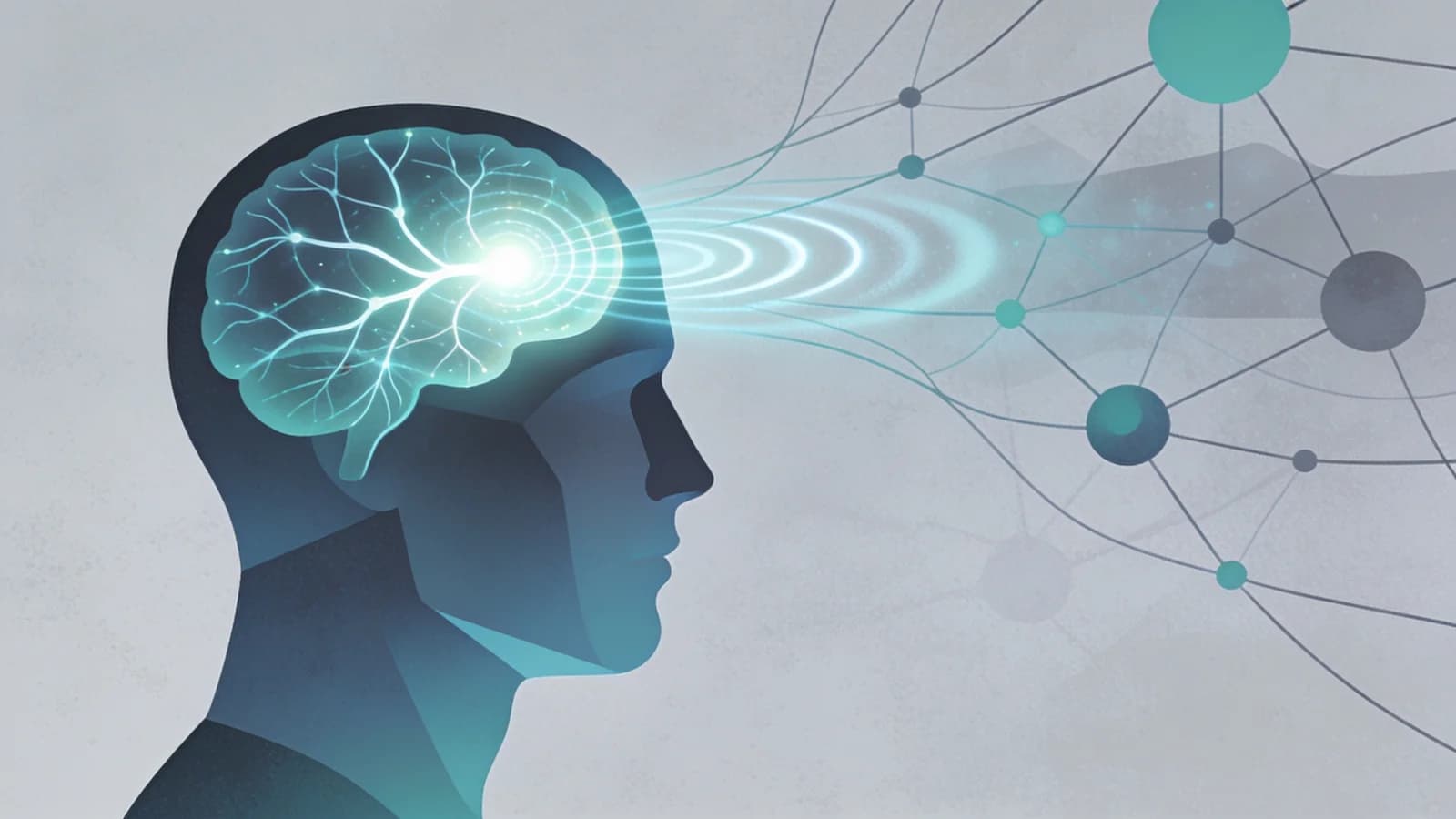
Brain Stimulation More Than Halved Alcohol Relapse Risk in Trial
A double-blind trial found theta-burst brain stimulation cut one-year relapse risk in alcohol use disorder patients by more than half (hazard ratio 0.43).
July 17, 20265 min read

12 articles found
Browse Rainier Rehab's editorial coverage of Clinical-trials. Our writers track federal and state policy, peer-reviewed research, treatment innovations, and frontline reporting from the addiction recovery field. Each article in this collection cites primary sources — government datasets (SAMHSA, NIH, CDC), Medicaid and Medicare bulletins, JAMA and Lancet studies, and on-the-record statements from clinicians, regulators, and people in recovery — so readers can verify claims and dig deeper.
We update this tag whenever new clinical-trials reporting publishes. If you're a researcher, journalist, or family member trying to make sense of substance use disorder treatment, this is the working archive. For a directory of accredited treatment facilities, visit our facilities directory; to compare modalities, see our treatments overview and levels of care guide.
A double-blind trial found theta-burst brain stimulation cut one-year relapse risk in alcohol use disorder patients by more than half (hazard ratio 0.43).
The National Institute on Drug Abuse awarded Ensysce a $5.3 million installment to advance PF614-MPAR, an opioid engineered to limit its own release during overdose.

Federal agencies announce unprecedented collaboration to research and deploy rapid-acting mental health treatments for veterans suffering from PTSD and serious mental health conditions.
Congress introduces IBOGAINE Act to protect veterans' access to psychedelic treatments for PTSD and addiction, building on Trump's executive order.
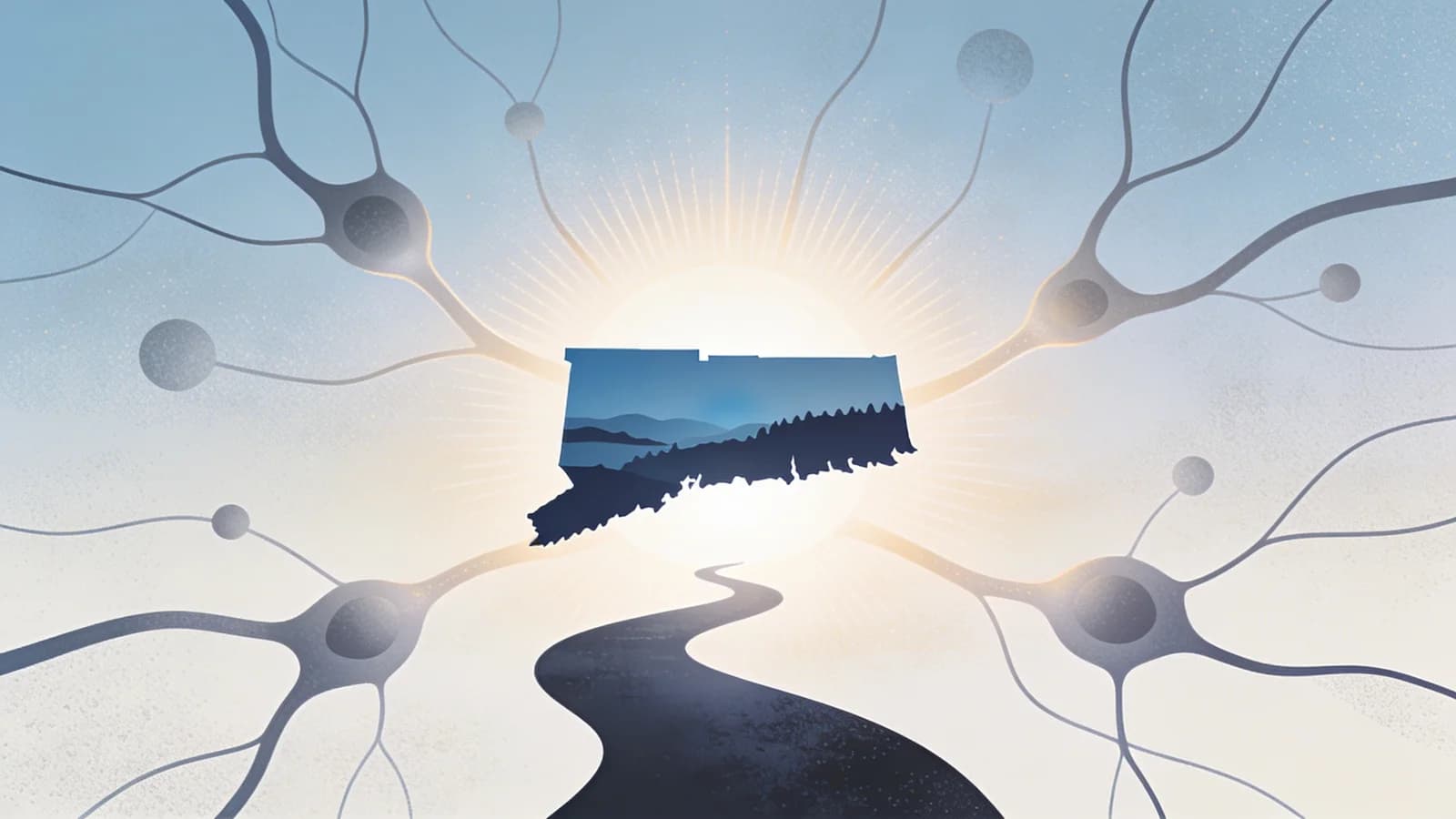
Starting July 1, Connecticut becomes one of the first states to offer state-funded psilocybin therapy through a regulated medical program, with high demand already evident.
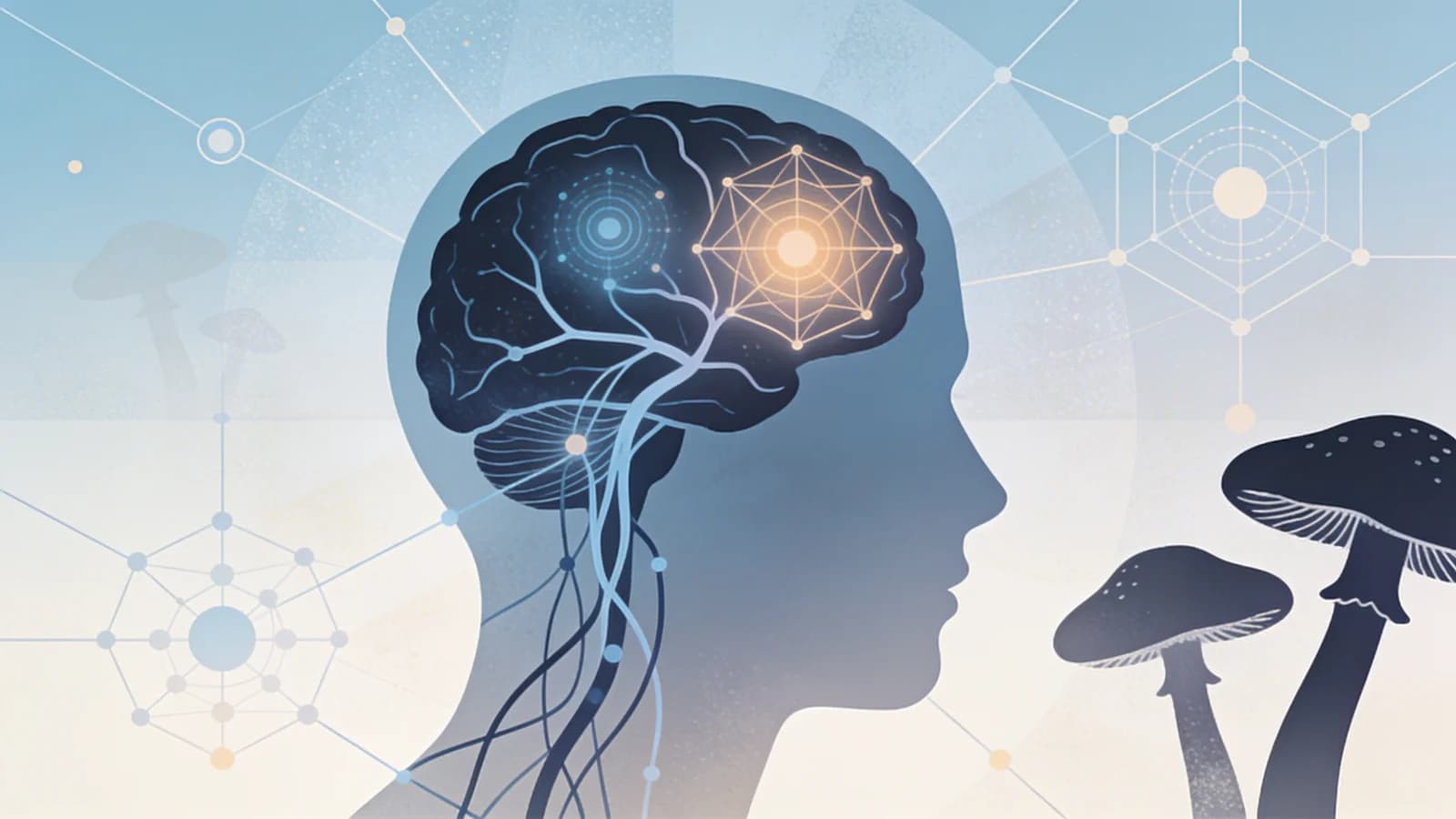
FDA priority review vouchers could bring first psychedelic-assisted therapies to market within months, potentially transforming treatment for depression, PTSD, and substance use disorders.
Federal scientists approve phase I study of mitragynine, opening new frontiers in opioid addiction research amid ongoing debates over kratom's safety and efficacy.

The Department of Veterans Affairs begins enrolling 80 veterans in a groundbreaking study combining MDMA with psychotherapy to treat co-occurring PTSD and alcohol use disorder.
Single dose of psilocybin with therapy support produced rapid, sustained reductions in suicidal thoughts among treatment-resistant patients

Forty-two addiction specialists establish consensus best practices for initiating medications for opioid use disorder in hospitals, adapting protocols for the fentanyl era.
JAMA study finds psychedelic-assisted therapy produced higher abstinence rates and longer relapse prevention than standard treatment
NIH-funded trial shows GLP-1 drug combined with cognitive behavioral therapy significantly reduces heavy drinking days in patients with alcohol use disorder and obesity.