

VA Launches First Federal MDMA-Assisted Therapy Trial for Veterans with PTSD and Alcohol Use Disorder
The Department of Veterans Affairs has taken a historic step into psychedelic medicine, launching the first federally sponsored clinical trial of MDMA-assisted therapy for veterans struggling with the devastating combination of post-traumatic stress disorder and alcohol use disorder. The study, which began enrolling participants this week, represents a significant shift in how the nation's largest healthcare system approaches treatment-resistant mental health conditions.
The randomized controlled trial will recruit approximately 80 veterans from VA healthcare facilities in Providence, Rhode Island, and West Haven, Connecticut. Participants will receive either MDMA-assisted therapy or an active placebo alongside identical psychotherapy protocols, allowing researchers to isolate the compound's specific therapeutic effects. This methodological rigor reflects the VA's commitment to generating evidence that could reshape treatment guidelines across the entire federal healthcare infrastructure.
Why This Population Matters
Veterans experience PTSD at rates significantly higher than the general population, with estimates suggesting that 11-20% of those who served in recent conflicts develop the condition. What makes this trial particularly significant is its focus on the intersection of trauma and addiction—a combination that has historically frustrated conventional treatment approaches. Research consistently shows that veterans with co-occurring PTSD and substance use disorders face worse outcomes than those with either condition alone, often cycling through multiple treatment attempts without sustained recovery.
The connection between combat trauma and problematic alcohol use is well-documented. Many veterans report initially using alcohol to manage hypervigilance, intrusive memories, and emotional numbness associated with PTSD. Over time, this self-medication pattern can evolve into alcohol use disorder, creating a treatment challenge where addressing one condition without the other often leads to relapse.
The Science Behind MDMA-Assisted Therapy
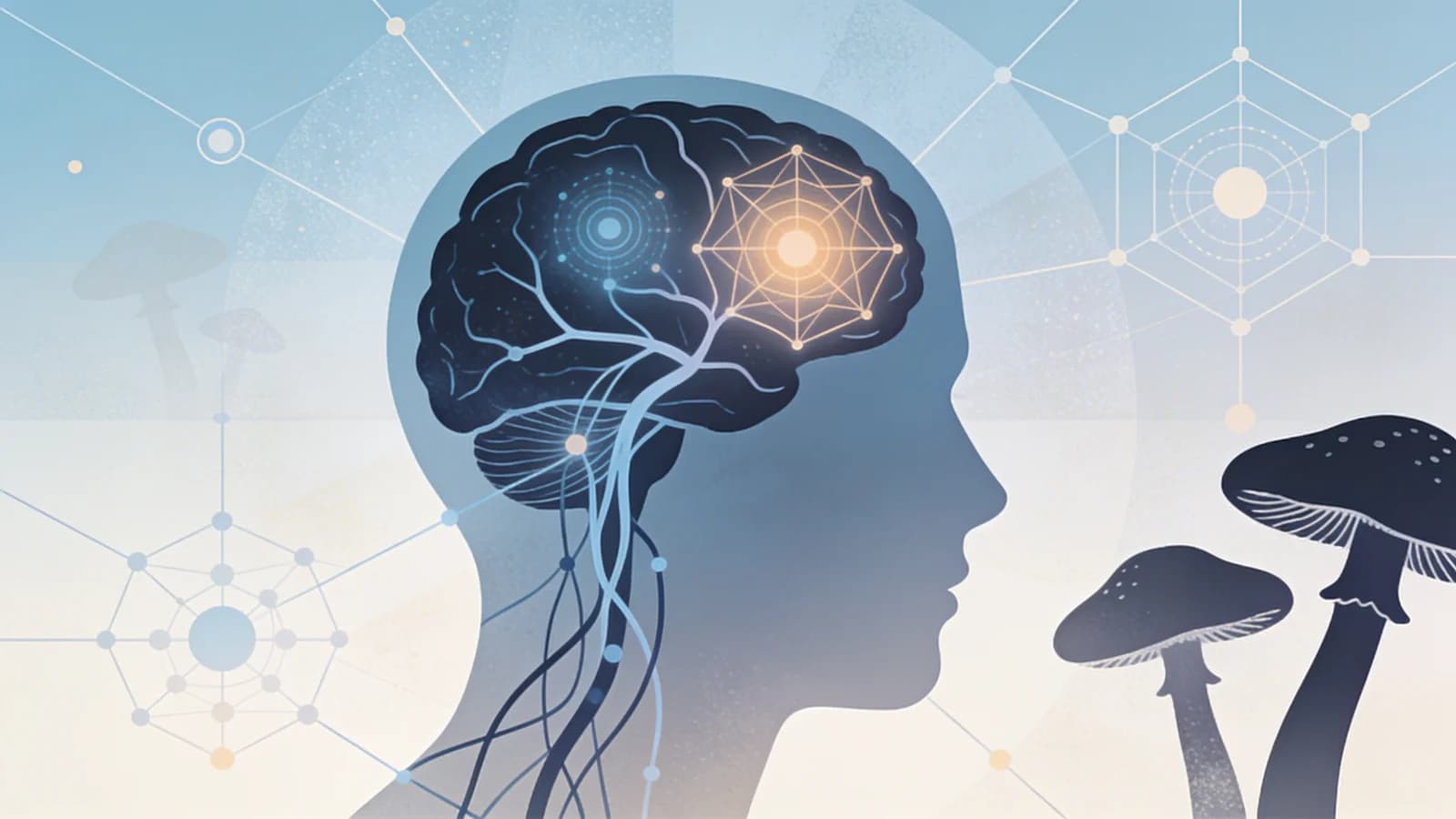
MDMA, commonly known as ecstasy in recreational contexts, produces effects that researchers believe create optimal conditions for therapeutic breakthrough. The compound reduces activity in the amygdala—the brain's fear center—while increasing release of serotonin, dopamine, and oxytocin. This neurochemical environment allows patients to revisit traumatic memories without becoming overwhelmed by the physiological stress response that typically makes such processing impossible.
Unlike traditional psychiatric medications that require daily dosing, MDMA-assisted therapy involves just two to three sessions spaced several weeks apart. During these sessions, patients lie comfortably with eye shades and headphones while therapists guide them through carefully structured therapeutic conversations. The MDMA acts as a catalyst, enabling patients to access and process material that might otherwise remain locked behind psychological defenses.
Previous Phase 2 trials conducted by the Multidisciplinary Association for Psychedelic Studies showed remarkable results, with 67% of participants no longer meeting PTSD criteria after treatment. However, those studies excluded individuals with active substance use disorders, leaving a critical gap in the evidence base. The VA trial specifically targets this excluded population, potentially expanding access to a group that desperately needs new options.
Federal Context and Broader Implications
The VA's decision to sponsor this research reflects growing momentum at the federal level for psychedelic medicine. Earlier this year, the Trump administration issued an executive order directing federal agencies to prioritize research into psychedelic therapies for veterans, including provisions for FDA priority review vouchers and $50 million in dedicated funding through ARPA-H. This policy shift recognized that conventional treatments are failing too many veterans, with suicide rates remaining stubbornly high despite increased investment in mental health services.
The timing also coincides with evolving FDA attitudes toward psychedelic compounds. While the agency rejected Lykos Therapeutics' MDMA application for PTSD in 2024—citing concerns about trial conduct rather than efficacy—it has since signaled openness to well-designed studies that address those methodological issues. The VA trial's rigorous protocol, developed with input from FDA officials, may provide the quality evidence needed to support future regulatory approval.
For the broader addiction treatment field, this study could have transformative implications. Current FDA-approved medications for alcohol use disorder—disulfiram, naltrexone, and acamprosate—help some patients but leave many others without effective options. If MDMA-assisted therapy proves effective for this population, it could represent the first truly novel approach to alcohol addiction treatment in decades, moving beyond the chronic disease management model toward something more closely resembling resolution.
What Happens Next
Enrollment is expected to continue through late 2026, with initial results anticipated in 2028. The VA has emphasized that this timeline reflects the careful, methodical approach necessary for research that could influence treatment for millions of veterans. Unlike the urgent desperation that often characterizes discussions around new treatments, federal researchers are taking the long view—prioritizing scientific rigor over speed.
For veterans interested in participating, the study is actively recruiting at the Providence and West Haven VA facilities. Eligibility criteria include documented PTSD, current alcohol use disorder, and failure to respond to at least one conventional treatment approach. Participants must also commit to the full protocol, which includes preparation sessions, the MDMA or placebo sessions, and integration therapy afterward.
The DAV, a major veterans service organization, has strongly endorsed the research. "Far too many veterans continue to struggle with the invisible wounds of war, often after exhausting traditional treatment options," the organization stated in a press release. "This study represents hope for those who have found little relief from existing therapies."
As the trial progresses, it will join a growing body of research exploring psychedelic compounds for substance use disorders. Studies at Johns Hopkins, NYU, and other institutions are examining psilocybin for alcohol and tobacco addiction, while ibogaine research is advancing rapidly following federal rescheduling efforts. Together, these studies may fundamentally reshape our understanding of addiction and recovery—moving from a model of perpetual management toward one of genuine transformation.
For a population that has sacrificed enormously in service to the nation, the promise of effective treatment for conditions that have stolen years of life represents more than medical progress. It represents a measure of the care and innovation that veterans deserve.
Editorial Board
LADC, LCPC, CASAC
The Rainier Rehab editorial team consists of licensed addiction counselors, healthcare journalists, and recovery advocates dedicated to providing accurate, evidence-based information about substance abuse treatment and rehabilitation.
Related Articles
FDA Fast-Tracks Psilocybin and MDMA Therapies, Setting Stage for Historic Mental Health Approvals
FDA priority review vouchers could bring first psychedelic-assisted therapies to market within months, potentially transforming treatment for depression, PTSD, and substance use disorders.

HHS and VA Forge Historic Partnership to Bring Psychedelic Therapies to Veterans
Federal agencies announce unprecedented collaboration to research and deploy rapid-acting mental health treatments for veterans suffering from PTSD and serious mental health conditions.
Bipartisan Bill Would Codify Trump's Psychedelic Therapy Executive Order Into Federal Law
Congress introduces IBOGAINE Act to protect veterans' access to psychedelic treatments for PTSD and addiction, building on Trump's executive order.