
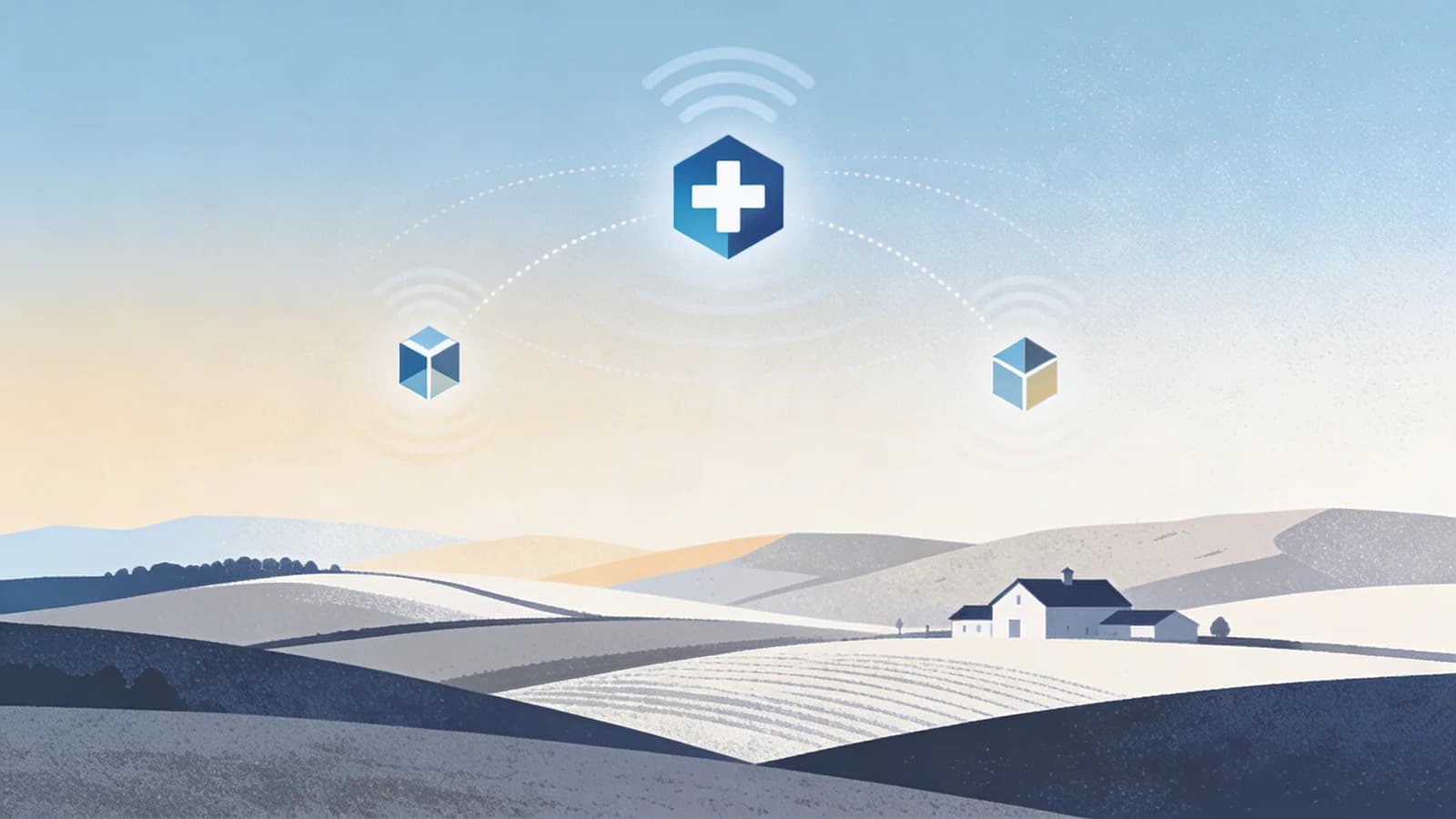
Telepsychiatry's Rural Promise Falls Short, JAMA Study Finds
The COVID-19 pandemic triggered an unprecedented expansion of telepsychiatry, with policymakers and healthcare leaders betting that virtual care could finally bridge the gap between mental health providers and the rural communities that need them most. A comprehensive new study published in JAMA Network Open suggests that bet hasn't paid off as hoped.
Researchers analyzing Medicare fee-for-service data from 17,742 mental health specialists between 2018 and 2023 found that despite widespread adoption of telemedicine, access to psychiatric care in rural and underserved areas improved only modestly. The findings challenge assumptions that technology alone can solve America's mental health workforce crisis.
The Telepsychiatry Boom
The study captures a period of dramatic transformation. Before the pandemic, telepsychiatry was a niche service used primarily in limited circumstances. Regulatory changes during the public health emergency removed many barriers, allowing mental health providers to see patients across state lines and bill for virtual visits at parity with in-person care.
The result was explosive growth. Psychiatrists, psychologists, licensed clinical social workers, and psychiatric nurse practitioners rapidly adopted virtual platforms. For patients in areas without local mental health providers, this seemed like a breakthrough moment.
But the data tells a more complicated story.
Modest Gains, Persistent Gaps
Clinicians with the highest telemedicine use saw less than a one percentage-point increase in visits with rural patients compared to those with lower telehealth adoption. Similar small gains appeared for patients living in mental health shortage areas and those traveling longer distances for care.
These findings are particularly striking given the baseline disparities. Approximately 80% of U.S. rural counties have no practicing psychiatrist. For millions of Americans, the nearest mental health provider may be hours away—a barrier that telehealth was supposed to eliminate.
The study suggests that simply making virtual care available doesn't automatically connect providers with the patients who need them most. Other barriers persist: broadband access in rural areas, digital literacy among older patients, and the simple reality that established provider-patient relationships often don't extend across geographic boundaries.
Licensing Barriers and Interstate Compacts
One factor limiting telepsychiatry's reach is the patchwork of state licensing requirements. While some states joined interstate compacts allowing providers to practice across borders, many did not. A psychiatrist licensed in New York could theoretically see patients in rural Montana via telehealth—but only if both states permitted it.
The National Governors Association highlighted this issue in a recent report on rural health workforce policy, noting that "workforce shortages, particularly in rural areas, reduce access to healthcare, impact health outcomes and harm local economies." Governors in multiple states have begun exploring solutions, but progress remains uneven.
The Workforce Reality
Telepsychiatry's limitations reflect a deeper truth: technology cannot create providers who don't exist. The United States faces a profound shortage of mental health professionals, with an estimated 137 million Americans living in mental health care deserts. Virtual care can redistribute existing capacity more efficiently, but it cannot manufacture new psychiatrists.
For patients with substance use disorders and co-occurring mental health conditions, this shortage has life-or-death implications. The overlap between addiction and mental illness is well-documented, yet integrated treatment remains difficult to access in much of the country.
What Actually Works
The JAMA study doesn't suggest abandoning telepsychiatry—rather, it argues for realistic expectations and complementary strategies. Virtual care has clear benefits: it eliminates travel time, reduces no-show rates, and can provide continuity of care for patients who relocate. For some populations, including younger patients and those with anxiety disorders, telehealth may even be preferable to in-person visits.
But closing rural access gaps requires more than technology. The study points to several evidence-based approaches:
Loan repayment programs that incentivize providers to practice in underserved areas have shown promise. The National Health Service Corps and similar state-level initiatives can make rural practice financially viable for mental health professionals carrying substantial educational debt.
Scope-of-practice expansion allows nurse practitioners and physician assistants to provide mental health care without physician supervision, effectively increasing the provider pool. States that have adopted these reforms have seen improved access in rural communities.
Integrated care models embed mental health services within primary care practices, where rural patients already receive treatment. This approach addresses both workforce constraints and the stigma that prevents some patients from seeking specialized psychiatric care.
Policy Implications
The findings carry weight for federal and state policymakers considering telehealth regulations. The DEA is currently preparing to restrict telehealth prescribing of controlled substances, including buprenorphine used in medication-assisted treatment for opioid use disorder. These proposed rules would require in-person visits for initial prescriptions—a requirement that could further limit rural access.
At the same time, the study suggests that maintaining pandemic-era telehealth flexibilities may not be sufficient to address rural disparities. More targeted interventions—such as funding for broadband infrastructure in underserved areas, incentives for providers to serve rural populations, and support for community health workers—may be necessary complements to virtual care expansion.
Looking Forward
Telepsychiatry remains a valuable tool in the mental health care arsenal. For many patients, it offers convenience and access that would otherwise be impossible. But the JAMA study serves as a necessary corrective to overblown promises: technology alone cannot solve structural healthcare disparities.
The path to equitable mental health access runs through workforce expansion, payment reform, and targeted investments in underserved communities—policies that require political will and sustained funding. Telepsychiatry can amplify these efforts, but it cannot replace them.
For rural Americans waiting months to see a psychiatrist, the study's message is both sobering and urgent. The tools for better access exist. What's needed now is the commitment to deploy them effectively.
Sources
Editorial Board
LADC, LCPC, CASAC
The Rainier Rehab editorial team consists of licensed addiction counselors, healthcare journalists, and recovery advocates dedicated to providing accurate, evidence-based information about substance abuse treatment and rehabilitation.
Related Articles

NIDA Funds $5 Million Study on How Social Isolation During Adolescence Shapes Addiction Risk
University of Chicago researchers investigate why isolation during teenage years may permanently alter brain development and increase vulnerability to substance use disorders.
Youth Substance Use Declines for Fourth Consecutive Year, Federal Survey Finds
SAMHSA's 2025 National Survey on Drug Use and Health shows fewer adolescents and young adults using alcohol, tobacco, marijuana, and other drugs.

NIH Invests $909,000 in Rural Maryland Youth Substance Use Research
University of Maryland researcher secures federal grant to expand school-based addiction treatment access in underserved rural communities