Arkansas Health Providers Confront Youth Substance Use Crisis at UAMS Summit
University of Arkansas Medical Sciences convenes statewide summit as data reveals 60% of adolescents in substance use treatment have co-occurring mental illness.
22 articles found
Browse Rainier Rehab's editorial coverage of Mental-health. Our writers track federal and state policy, peer-reviewed research, treatment innovations, and frontline reporting from the addiction recovery field. Each article in this collection cites primary sources — government datasets (SAMHSA, NIH, CDC), Medicaid and Medicare bulletins, JAMA and Lancet studies, and on-the-record statements from clinicians, regulators, and people in recovery — so readers can verify claims and dig deeper.
We update this tag whenever new mental-health reporting publishes. If you're a researcher, journalist, or family member trying to make sense of substance use disorder treatment, this is the working archive. For a directory of accredited treatment facilities, visit our facilities directory; to compare modalities, see our treatments overview and levels of care guide.


University of Arkansas Medical Sciences convenes statewide summit as data reveals 60% of adolescents in substance use treatment have co-occurring mental illness.

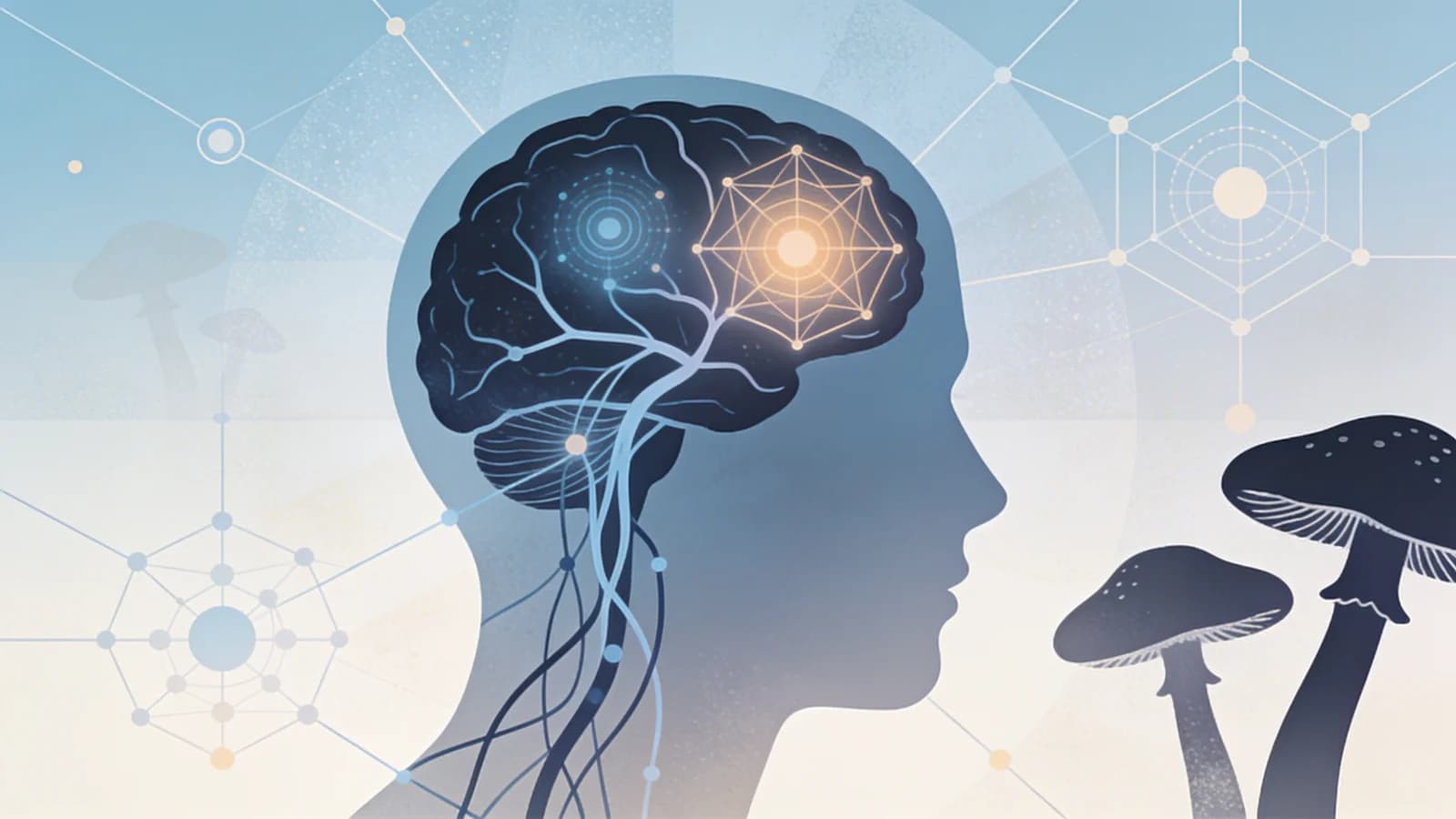
Single dose of psilocybin with therapy support produced rapid, sustained reductions in suicidal thoughts among treatment-resistant patients

Research published in the American Journal of Preventive Medicine reveals rising barriers to timely care for adolescents with cannabis use disorder, with younger teens and males most affected.

Despite rapid expansion of telehealth mental health services, a major JAMA study reveals only modest gains in reaching rural and underserved patients.

University of Chicago researchers investigate why isolation during teenage years may permanently alter brain development and increase vulnerability to substance use disorders.

SAMHSA's 2025 National Survey on Drug Use and Health shows fewer adolescents and young adults using alcohol, tobacco, marijuana, and other drugs.

A Glasgow review pooling 27 studies and 31,000 opioid-exposed children found consistent links to vision defects, ADHD-like attention problems and weaker learning.

A JAMA Network Open study of 11,286 US adolescents found that years of higher-than-usual problematic social media use were followed by increases in ADHD symptoms, especially in boys.

A double-blind trial found theta-burst brain stimulation cut one-year relapse risk in alcohol use disorder patients by more than half (hazard ratio 0.43).

Arizona State University researchers find opioid withdrawal suppresses two myelin-regulating genes in the prefrontal cortex, pointing to a new treatment target.

Federal agencies announce unprecedented collaboration to research and deploy rapid-acting mental health treatments for veterans suffering from PTSD and serious mental health conditions.
KFF's new tracker reveals how the second Trump administration is reshaping federal mental health and substance use policy through law-and-order approaches and treatment-focused initiatives.

New UNSW research shows peer workers with lived addiction experience bring unique expertise that transforms treatment outcomes and client trust.

Congress introduces IBOGAINE Act to protect veterans' access to psychedelic treatments for PTSD and addiction, building on Trump's executive order.

State awards opioid settlement funds to 12 organizations working to prevent substance use among school-aged children across Michigan.

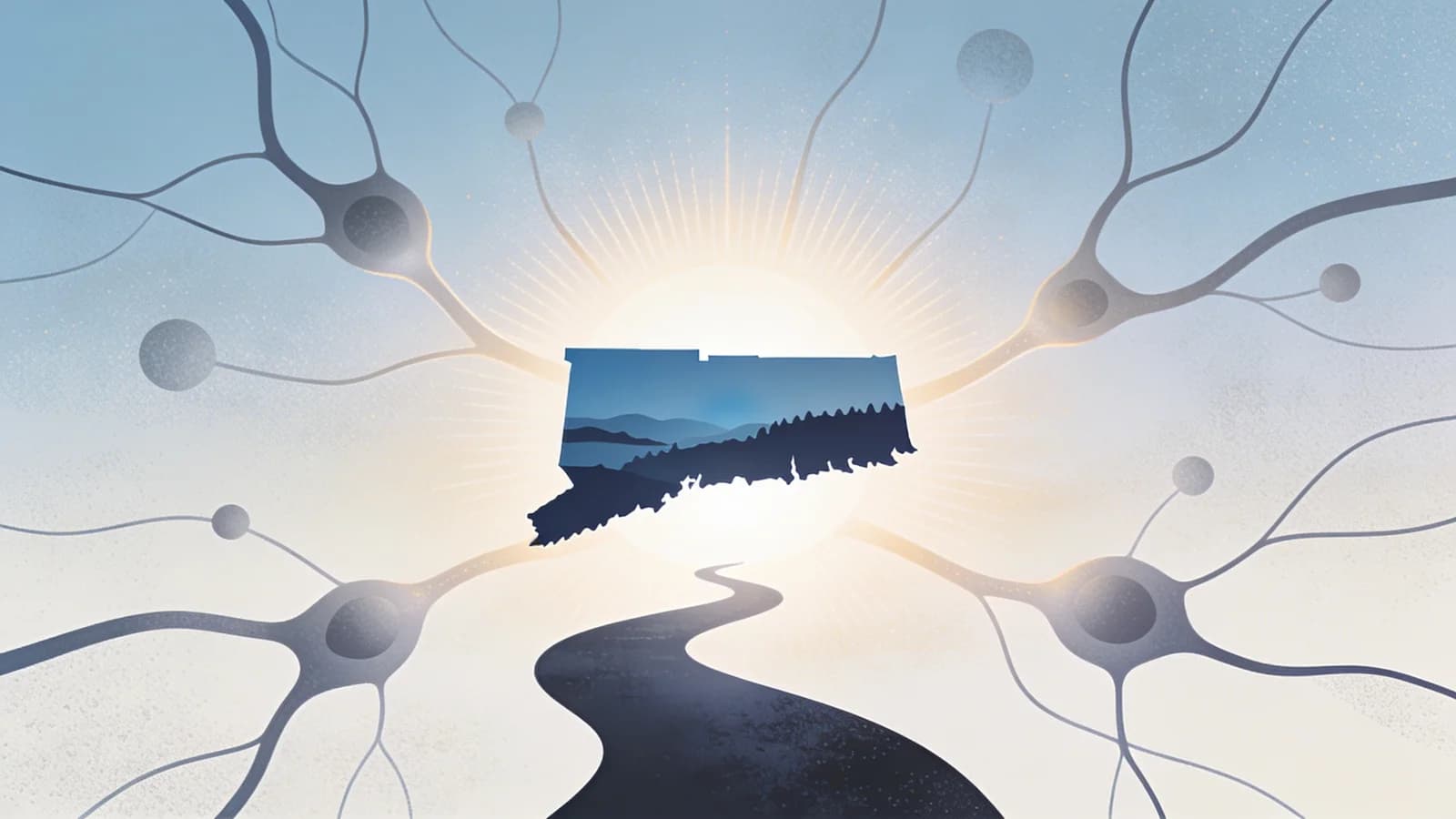
Starting July 1, Connecticut becomes one of the first states to offer state-funded psilocybin therapy through a regulated medical program, with high demand already evident.

FDA priority review vouchers could bring first psychedelic-assisted therapies to market within months, potentially transforming treatment for depression, PTSD, and substance use disorders.

Cabarrus County has no teen substance use treatment services. New state funding aims to change that as overdose ER visits jump 67%.

Eight new grant programs target child trauma, suicide prevention, and workforce development as part of the Great American Recovery Initiative.

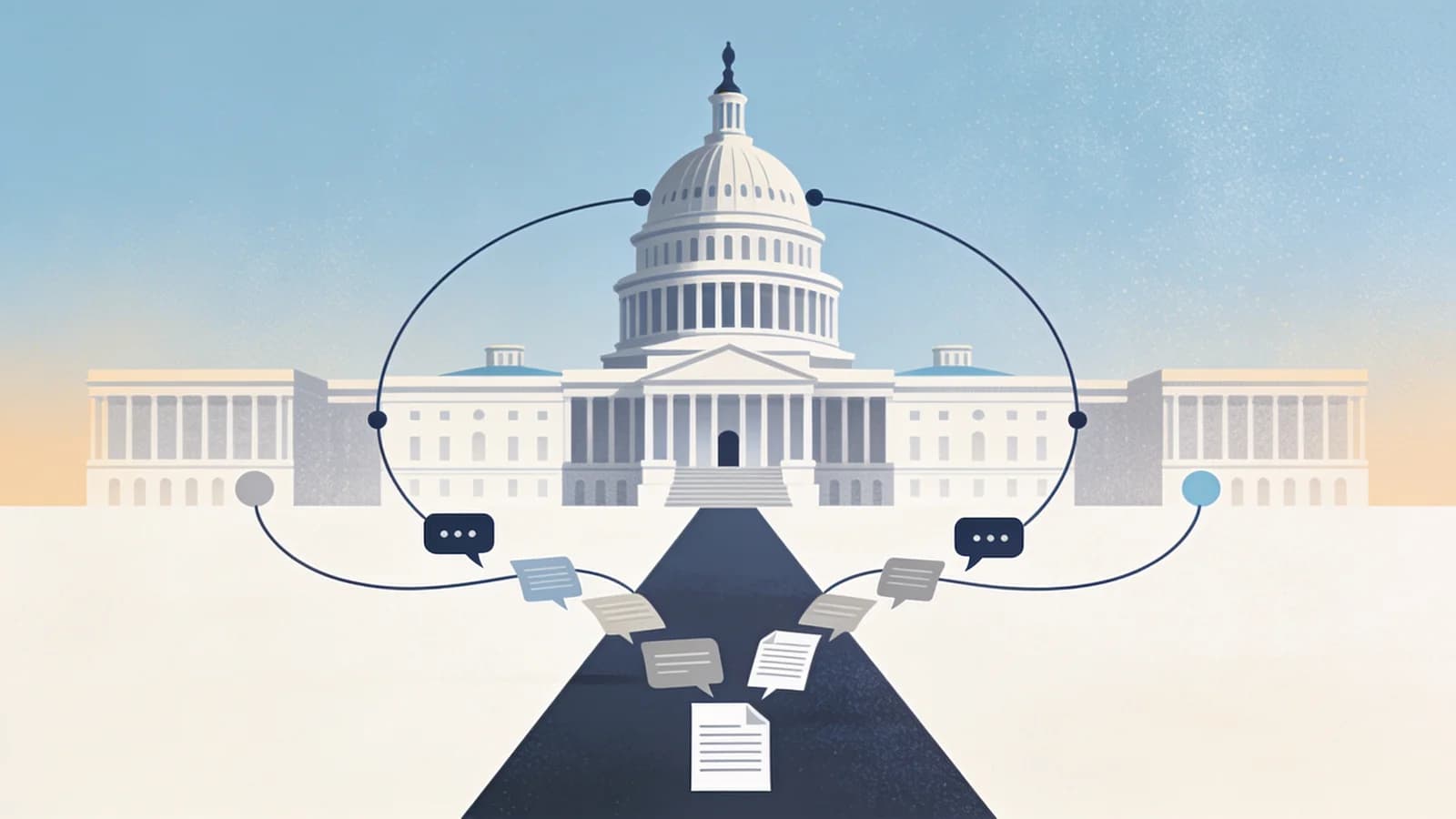
A new federal Request for Information invites patients, providers and researchers to tell HHS which addiction programs work — with comments due July 5, 2026.

State lawmakers pass bill to study psychedelic-assisted therapy, joining growing national movement to explore alternative treatments for substance use disorders and mental health conditions.

The Department of Veterans Affairs begins enrolling 80 veterans in a groundbreaking study combining MDMA with psychotherapy to treat co-occurring PTSD and alcohol use disorder.