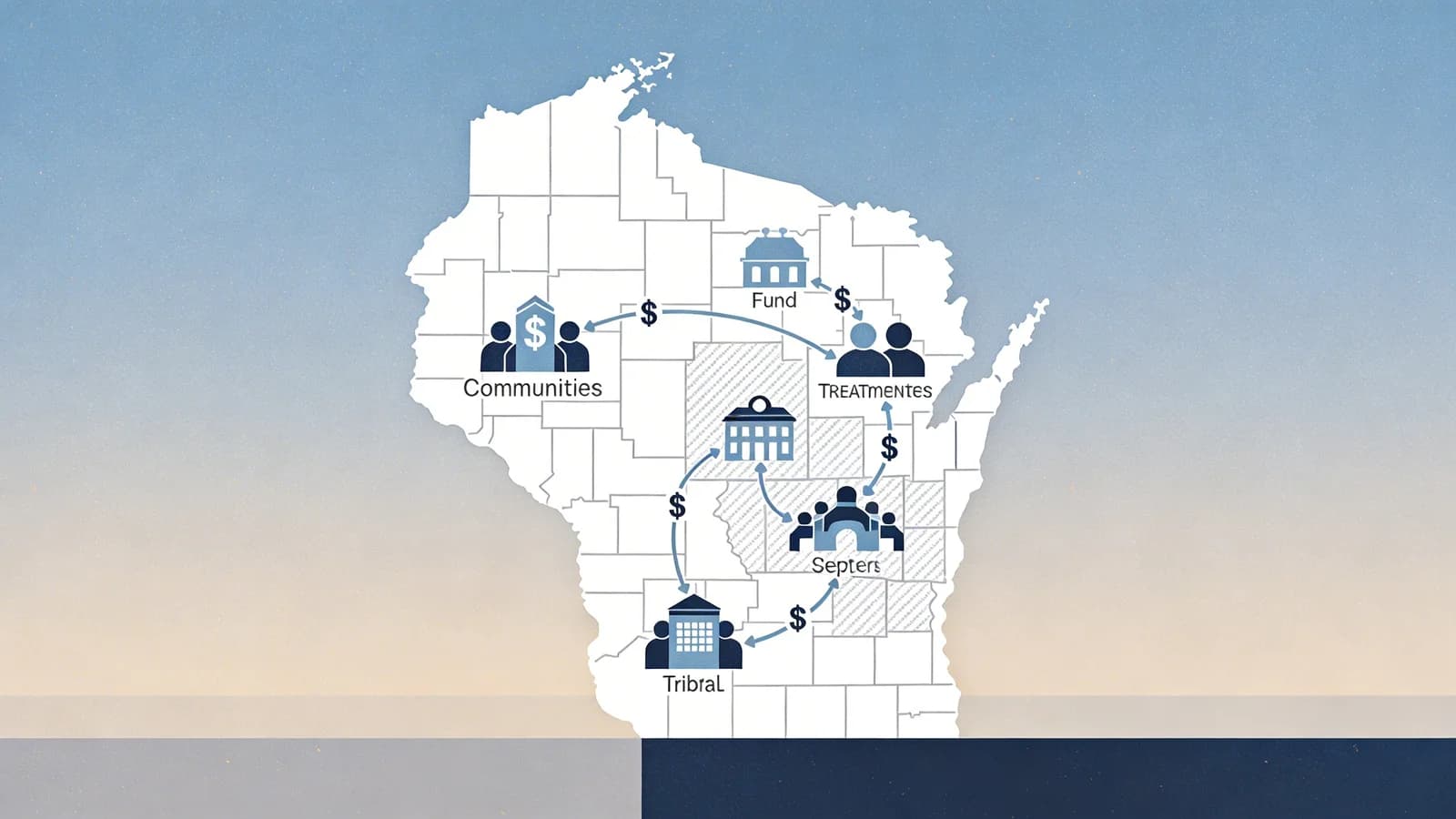
Michigan Launches First-of-Its-Kind Opioid Settlement Tracking System
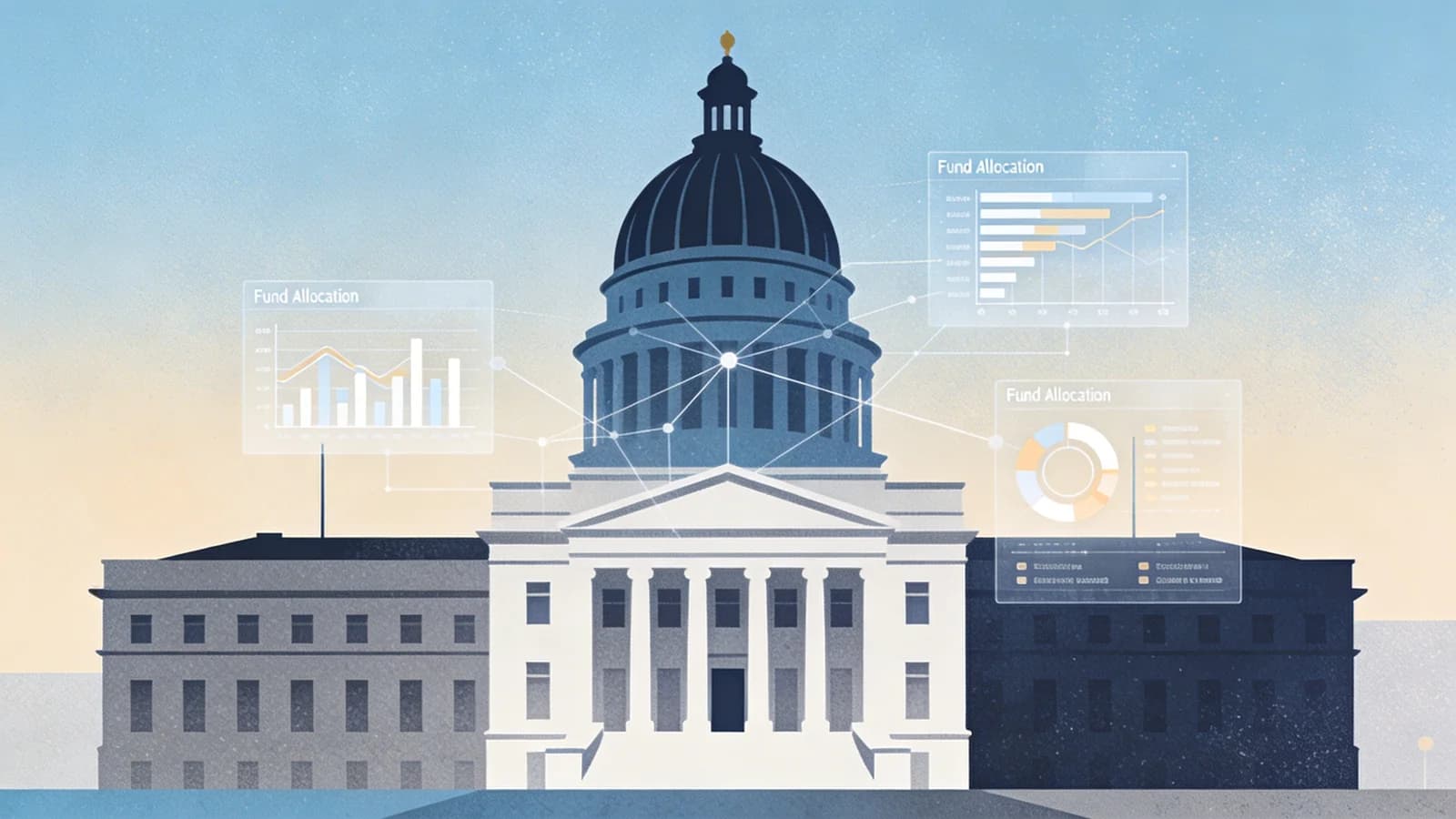
Michigan Attorney General Dana Nessel unveils comprehensive spending guidance and public reporting tools to ensure opioid settlement funds reach communities in need.
15 articles found
Browse Rainier Rehab's editorial coverage of Funding. Our writers track federal and state policy, peer-reviewed research, treatment innovations, and frontline reporting from the addiction recovery field. Each article in this collection cites primary sources — government datasets (SAMHSA, NIH, CDC), Medicaid and Medicare bulletins, JAMA and Lancet studies, and on-the-record statements from clinicians, regulators, and people in recovery — so readers can verify claims and dig deeper.
We update this tag whenever new funding reporting publishes. If you're a researcher, journalist, or family member trying to make sense of substance use disorder treatment, this is the working archive. For a directory of accredited treatment facilities, visit our facilities directory; to compare modalities, see our treatments overview and levels of care guide.

Michigan Attorney General Dana Nessel unveils comprehensive spending guidance and public reporting tools to ensure opioid settlement funds reach communities in need.

State auditor finds Arizona Department of Corrections may have unlawfully spent opioid settlement money without proving inmates contracted hepatitis C from IV drug use.
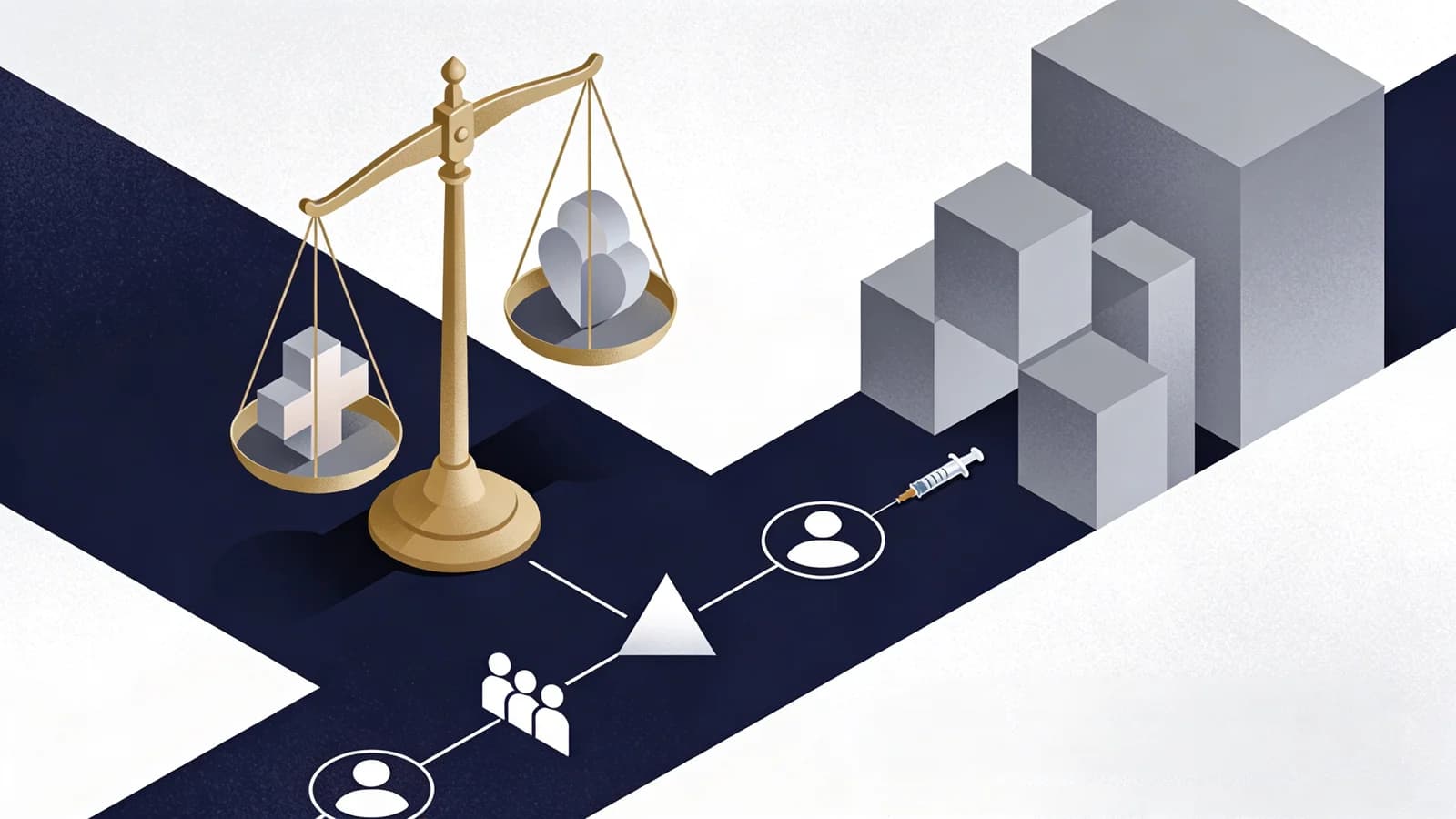
A legal battle over Philadelphia's plan to use opioid settlement funds for neighborhood revitalization raises fundamental questions about how communities should spend billions in recovery dollars.
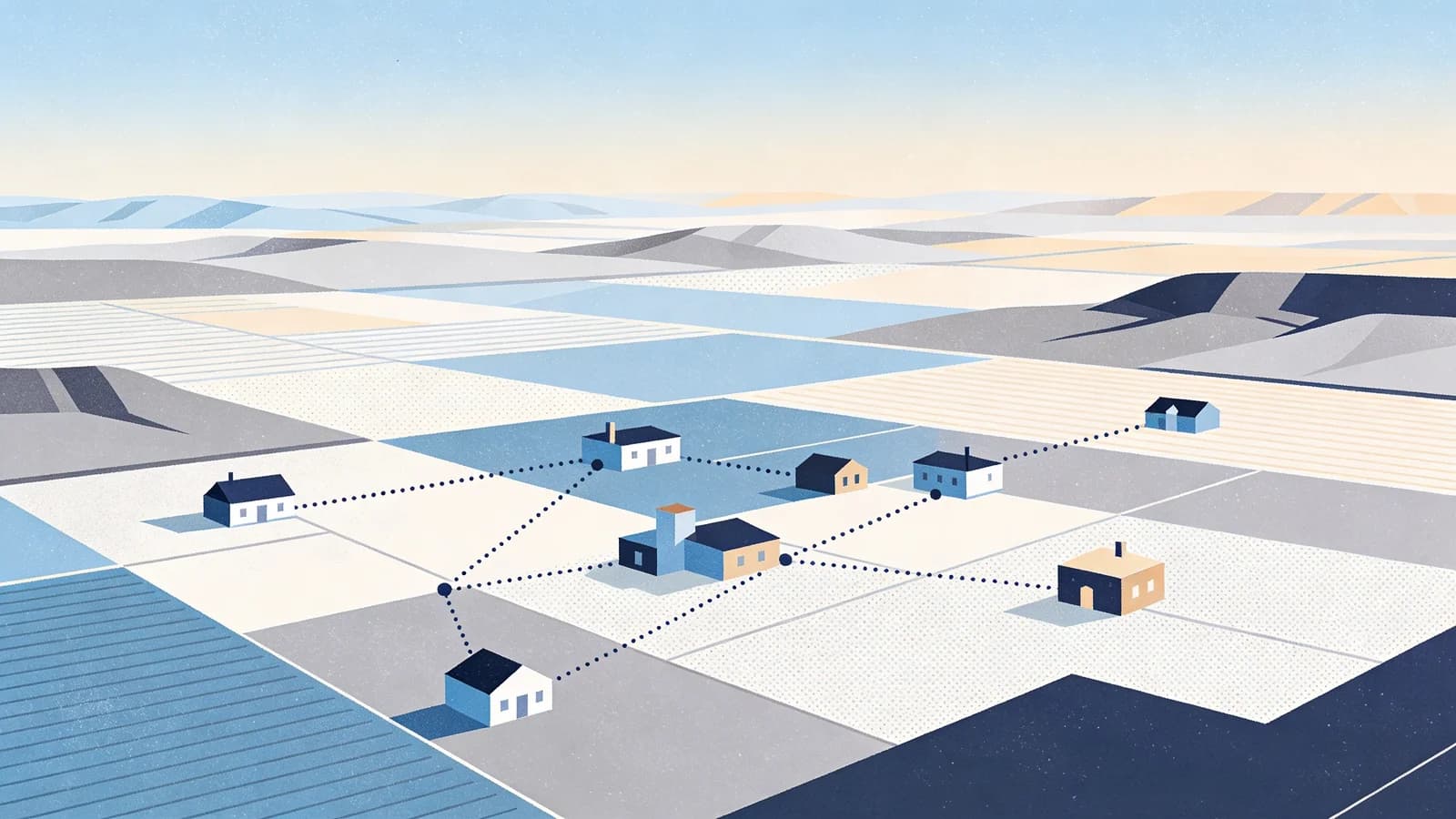
New Hampshire will receive $29.5 million over 10 years from the Purdue Pharma settlement to fund prevention, treatment, and recovery programs.

Landmark settlement bans Sackler family from U.S. opioid sales permanently and delivers $7.4 billion for addiction treatment, prevention, and recovery over 15 years.

Local governments in South Dakota have spent less than half of $9.6 million in opioid settlement funds, raising questions about accountability and effective crisis response.

Georgia's Opioid Crisis Abatement Trust launches Year 3 funding with $20 million in grants, bringing total allocation to $90 million for addiction treatment and prevention.

Kentucky's Opioid Abatement Advisory Commission announces largest settlement distribution yet, funding prevention, treatment, and recovery programs across the state.

New Jersey will receive $1.1 billion through 2038 from opioid settlements, with funds split between state programs and 262 local governments.

After years of delay, Mississippi lawmakers finally appropriated opioid settlement funds—but the process exposed deep tensions between community input and political control.

Federal funding cuts to SAMHSA grants put overdose prevention, naloxone distribution, and peer recovery programs at risk across the United States.

Grocery chain settlement brings Colorado's total opioid settlement recovery past $912 million as state continues negotiating injunctive relief terms with remaining defendants.

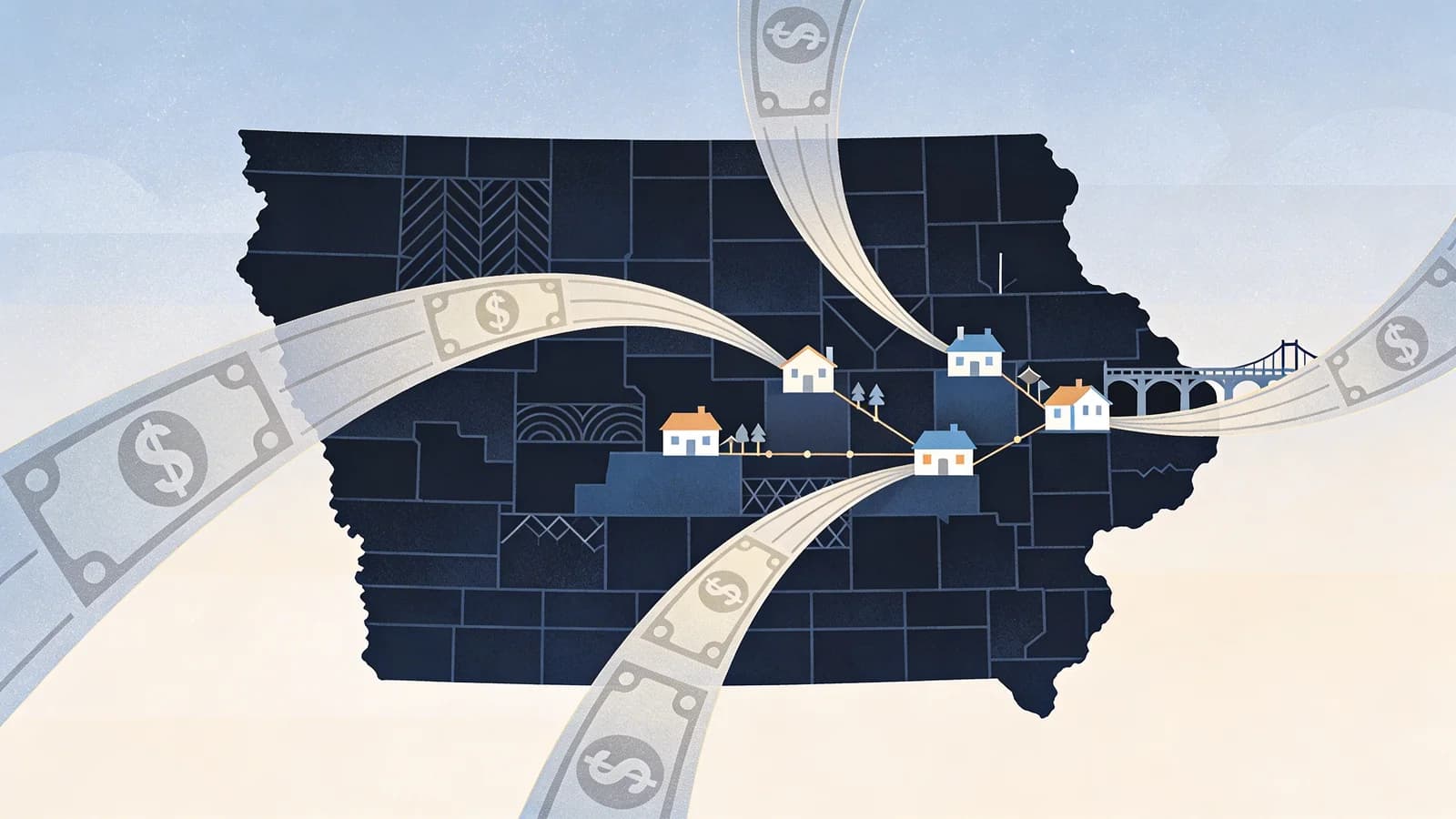
Iowa launches competitive grant program directing 75% of opioid settlement funds toward prevention, treatment, and recovery services across the state.

State health officials announce two-year spending plan prioritizing disproportionately impacted populations, room and board assistance for residential treatment, and naloxone distribution as overdose deaths decline 42.5%.

Maryland's new public dashboard tracks $747 million in opioid settlement funds, setting a new standard for accountability in how states distribute restitution dollars from pharmaceutical companies.