FDA Approves New Over-the-Counter Naloxone Spray, Expanding Life-Saving Access
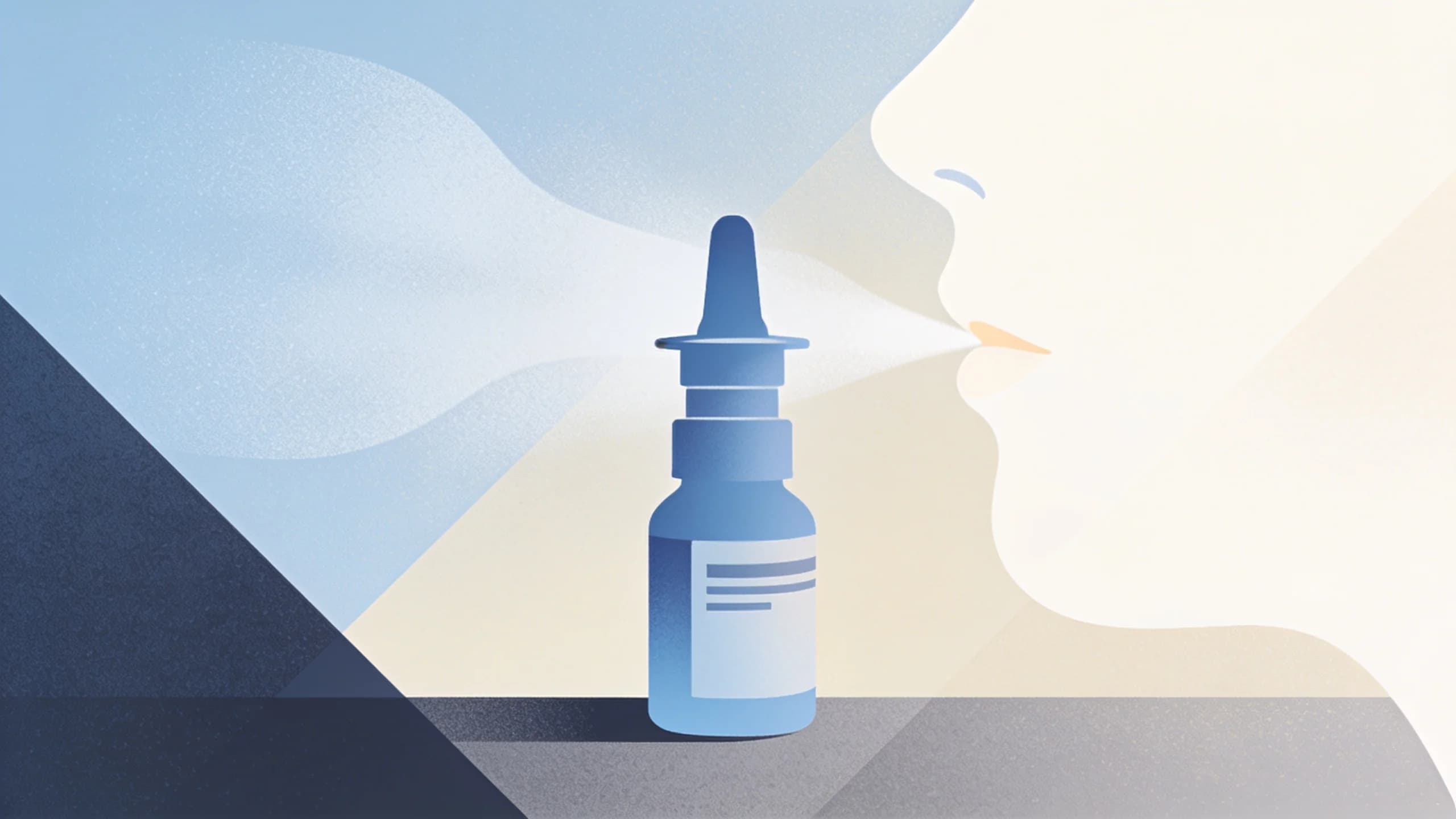
FDA approves Rextovy, a new OTC naloxone nasal spray, broadening access to opioid overdose reversal medication as part of the Great American Recovery Initiative.
31 articles found
Browse Rainier Rehab's editorial coverage of Harm reduction. Our writers track federal and state policy, peer-reviewed research, treatment innovations, and frontline reporting from the addiction recovery field. Each article in this collection cites primary sources — government datasets (SAMHSA, NIH, CDC), Medicaid and Medicare bulletins, JAMA and Lancet studies, and on-the-record statements from clinicians, regulators, and people in recovery — so readers can verify claims and dig deeper.
We update this tag whenever new harm reduction reporting publishes. If you're a researcher, journalist, or family member trying to make sense of substance use disorder treatment, this is the working archive. For a directory of accredited treatment facilities, visit our facilities directory; to compare modalities, see our treatments overview and levels of care guide.


FDA approves Rextovy, a new OTC naloxone nasal spray, broadening access to opioid overdose reversal medication as part of the Great American Recovery Initiative.

For the first time since 2013, Massachusetts recorded fewer than 1,000 opioid-related overdose deaths in 2025, marking a nearly 60% decline from the 2022 peak.

Landmark UC San Diego study reveals first decline in all four waves of overdose epidemic, driven by falling fentanyl deaths, while stimulant-related fatalities continue rising.

The Virginia Harm Reduction Coalition deploys distinctive purple dispensing boxes across Southwest Virginia, making life-saving naloxone freely available in communities with some of the state's highest overdose rates.

New research reveals that rising temperatures significantly increase overdose mortality, with each degree of heat index elevation contributing to approximately 150 excess deaths annually.

Nonprofit organizations across the US received termination letters canceling SAMHSA grants that fund overdose prevention, naloxone distribution, and recovery support services.

Landmark Canadian study shows take-home naloxone kits prevented nearly 4 in 5 fatal overdoses from 2019-2024, offering evidence for harm reduction strategies

CDC provisional data shows 69,147 predicted overdose deaths for the 12 months ending January 2026, a 13.2% decline as naloxone access and treatment expansion show measurable impact.

Virginia Opioid Abatement Authority announces largest funding round to date, supporting prevention, treatment, recovery and harm reduction initiatives across the Commonwealth.

Law enforcement reports fentanyl increasingly combined with xylazine, medetomidine, nitazenes and cychlorphine—substances that resist naloxone reversal.

Senate Bill 249 decriminalizes drug paraphernalia possession and expands sterile supply distribution, sparking disagreement over public safety and addiction treatment approaches.

As overdose deaths finally begin to fall, a new class of ultra-potent synthetic opioids is emerging in the US drug supply, presenting unprecedented challenges for detection and treatment.

A legal battle over Philadelphia's plan to use opioid settlement funds for neighborhood revitalization raises fundamental questions about how communities should spend billions in recovery dollars.

CDC study reveals gabapentin detection in overdose deaths increased significantly, with 85-90% of cases also involving opioids

Kentucky reports lowest overdose death toll since 2014, with 1,101 fatalities representing 50% decrease from 2021 peak

State commission recommends expanding low-barrier treatment and harm reduction as xylazine gives way to medetomidine in the illicit drug supply.

FDA grants Fast Track designation to CS-1103, a first-in-class molecule that binds and clears fentanyl from the body, potentially revolutionizing overdose treatment.

The White House releases its 2026 National Drug Control Strategy, introducing controversial new surveillance tools and emphasizing faith-based approaches to addiction treatment.

Trump administration reverses harm reduction policy, prohibiting federal funds for drug testing supplies and sterile syringes while emphasizing abstinence-based recovery approaches.

Trump administration's new SAMHSA guidance blocks federal funds for fentanyl test strips, syringes, and smoking supplies while allowing naloxone and wound care.

New research shows natural disasters disrupt access to buprenorphine and methadone, prompting calls for emergency policy reforms to protect patients in recovery.

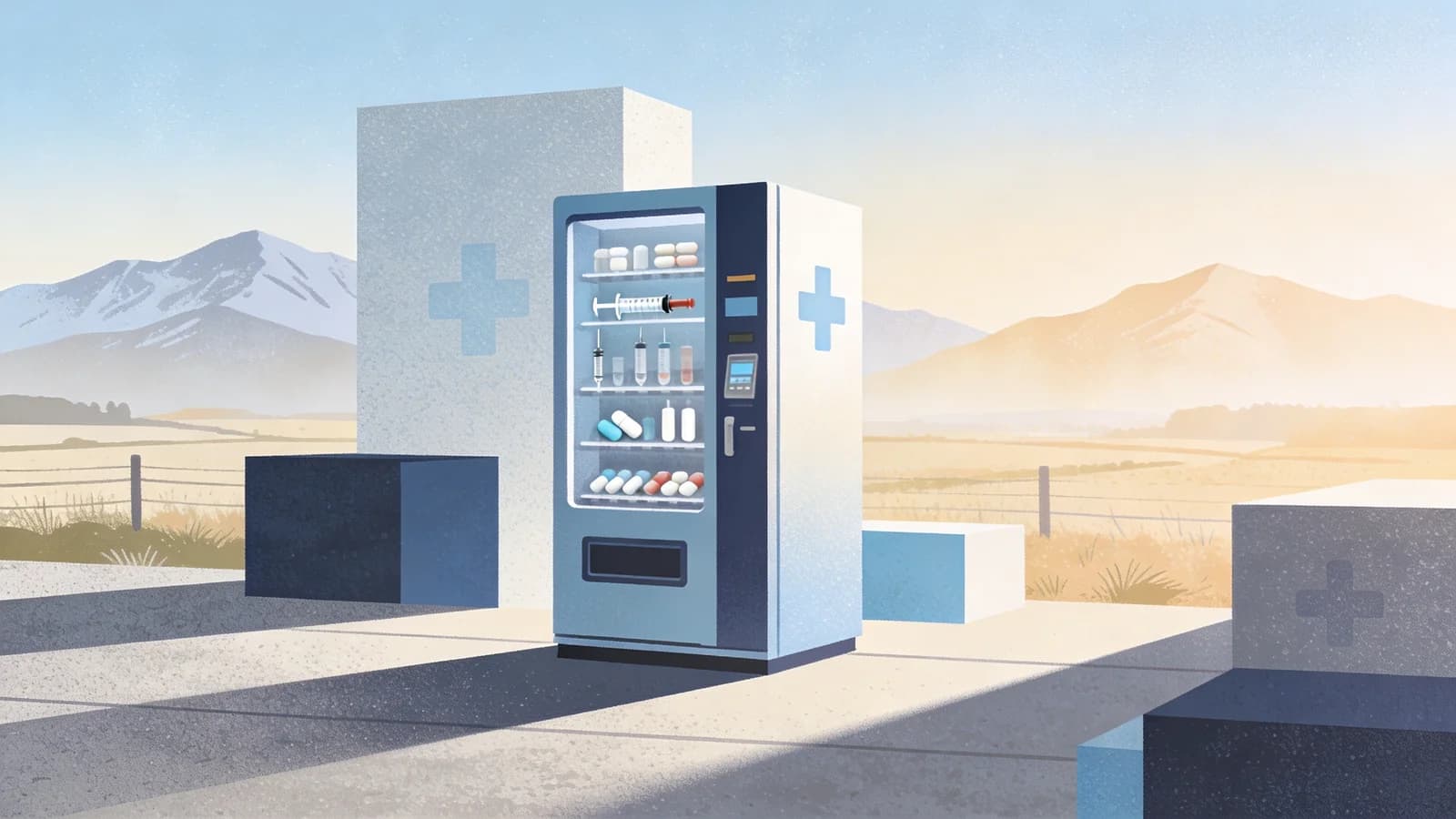
Innovative 'Health to Go' vending machine in Millersburg offers free naloxone, drug checking strips, and health supplies while connecting users to community services through an interactive touchscreen interface.

White House drug policy leaders meet with DHS, DOJ, and intelligence agencies to align operations against fentanyl trafficking and sign updated committee charter.

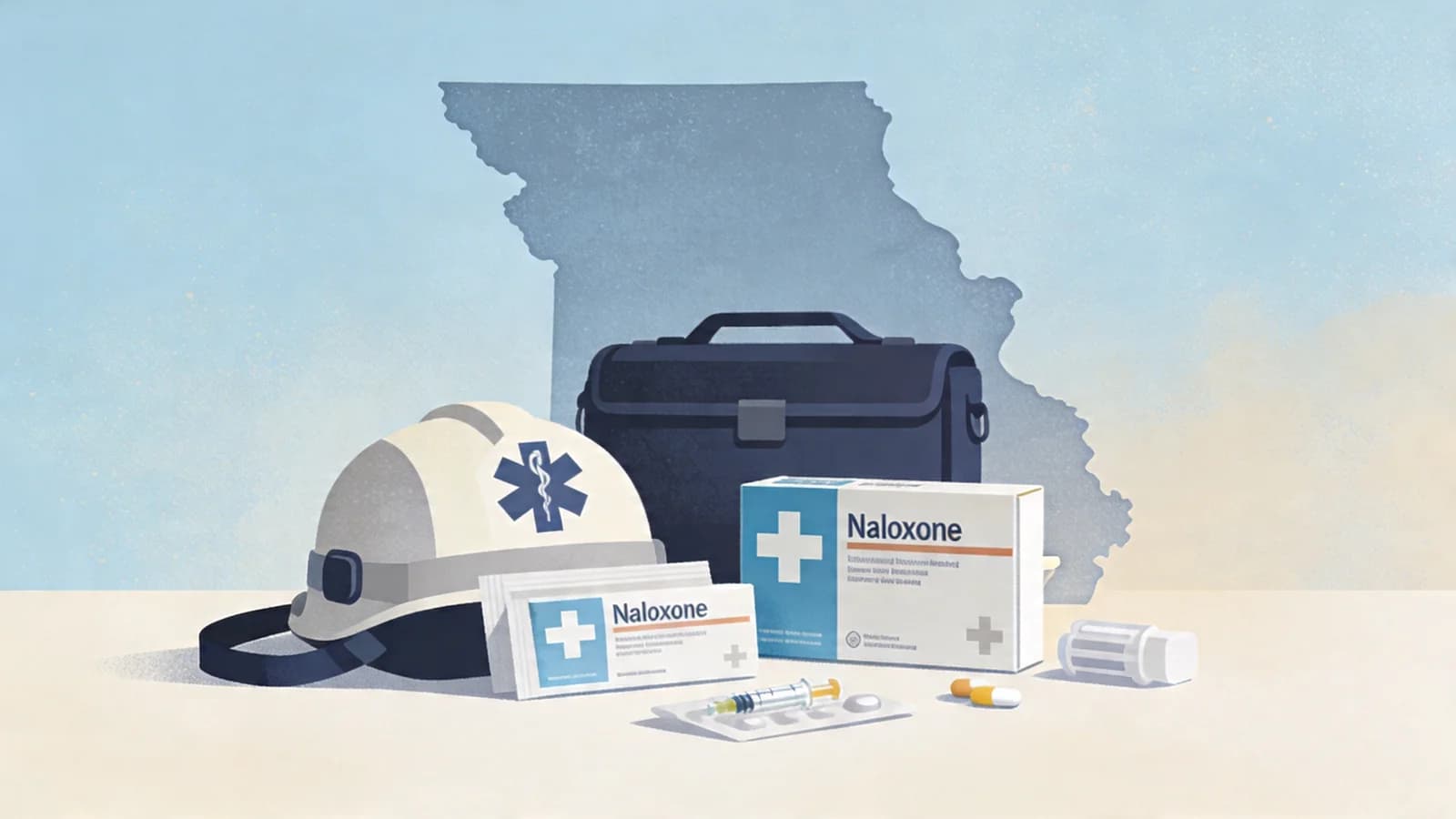
Missouri legislators cut $3 million from naloxone distribution programs, sparking debate over whether lifesaving harm reduction measures have become victims of their own success.

DEA reports tenfold increase in carfentanil seizures as Chinese precursor crackdown pushes Mexican cartels toward deadlier alternative.

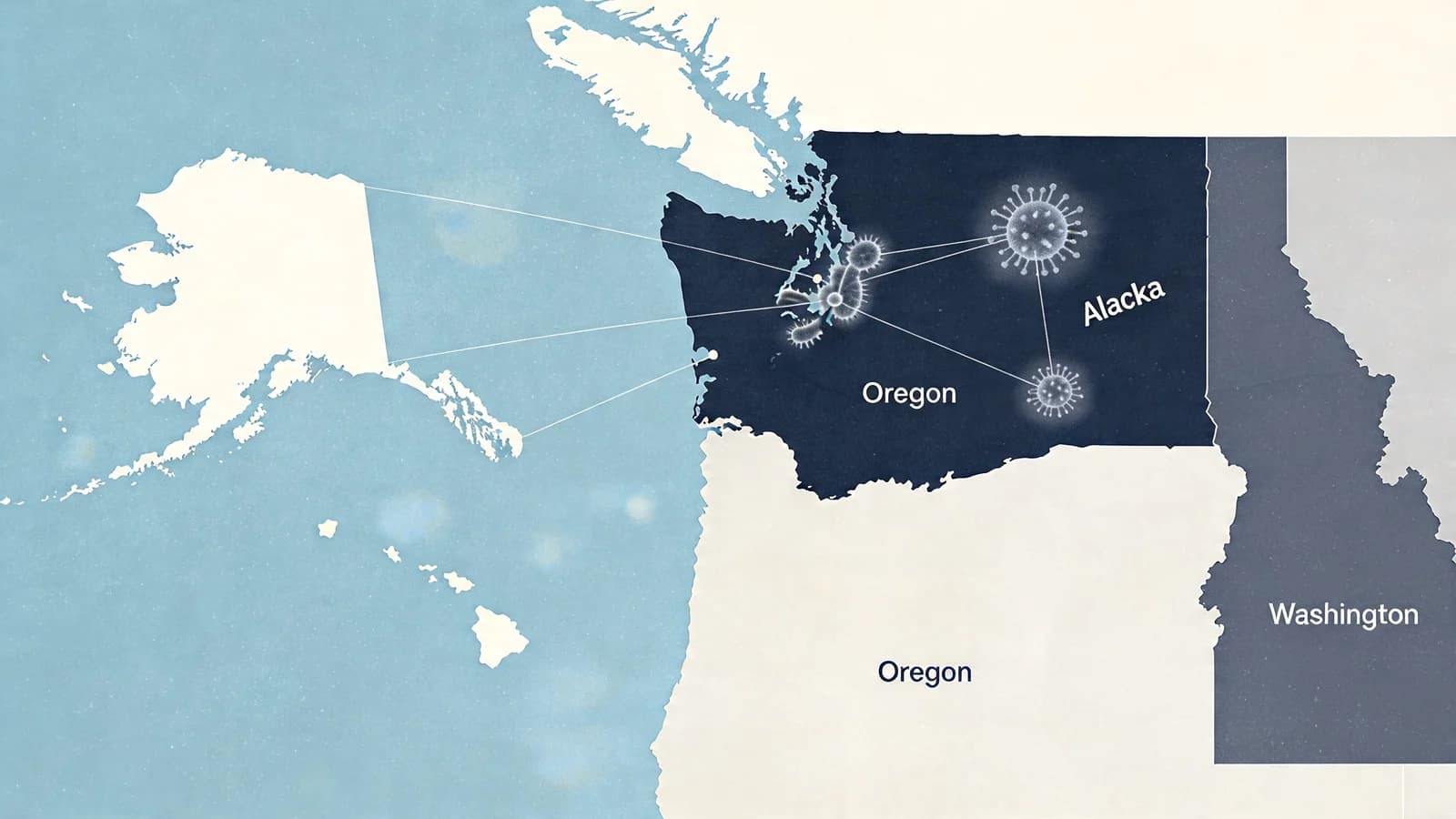
CDC MMWR report reveals 44 cases of invasive Haemophilus influenzae type b disease in Alaska, Oregon, and Washington, predominantly affecting adults using substances or experiencing homelessness.

Federal funding cuts to SAMHSA grants put overdose prevention, naloxone distribution, and peer recovery programs at risk across the United States.

CDC data shows historic 37% decline in drug deaths since 2023 peak, but medetomidine, cychlorphine, and nitazenes threaten progress.

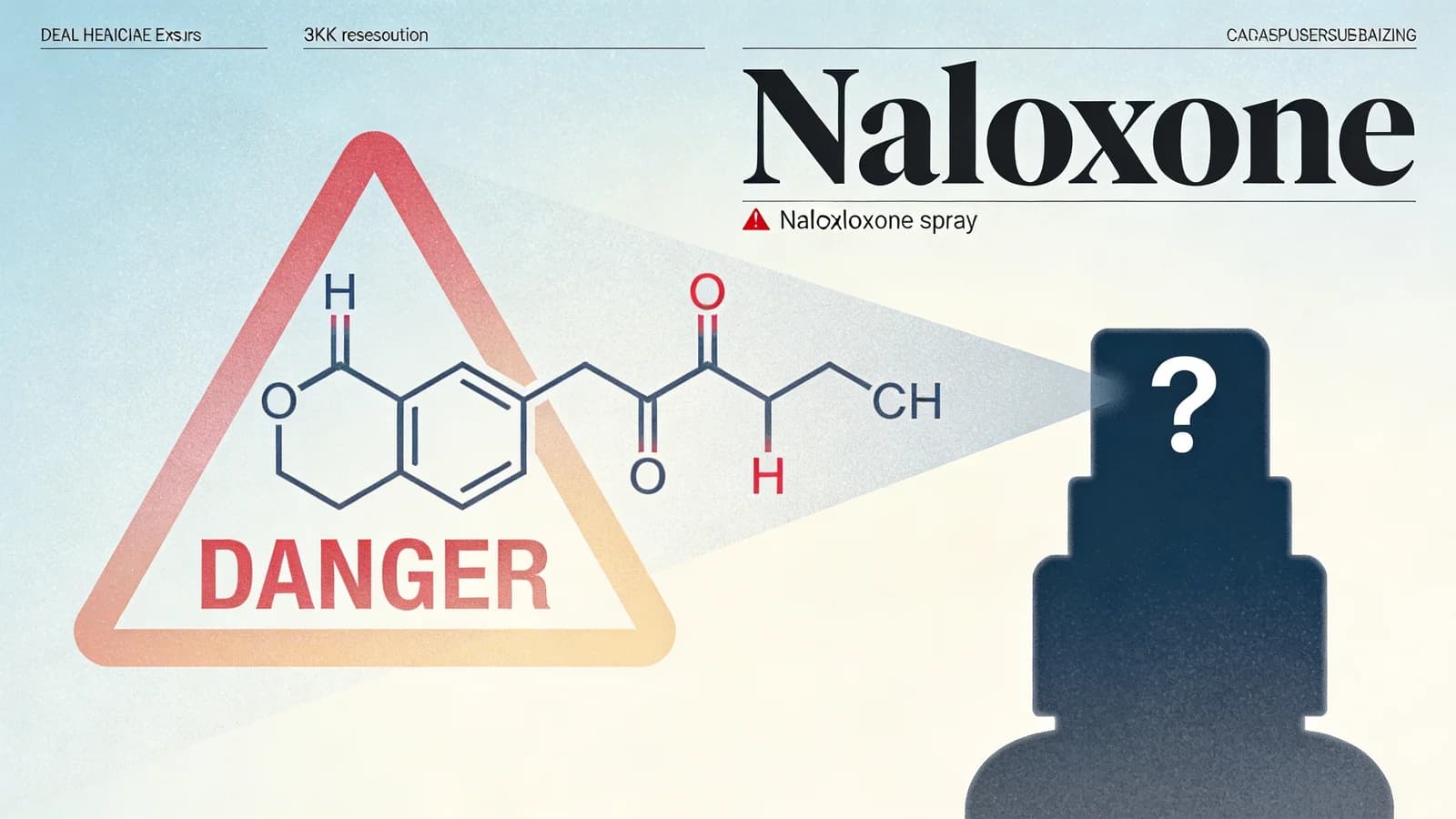
Drug 5-10 times more potent than fentanyl detected in Georgia and Missouri, as new study reveals standard naloxone doses may be insufficient for reversing synthetic opioid overdoses.

Federal health officials alert providers to medetomidine, a potent animal sedative spreading through the illegal opioid supply, causing naloxone-resistant overdoses and life-threatening withdrawal.

New rapid test detects fentanyl at 7 picograms per milliliter, approaching lab-grade sensitivity in a field-deployable strip that could reshape harm reduction and forensic toxicology.