

Purple 'Barney Boxes' Bring Free Naloxone to Rural Virginia Communities Hit Hard by Opioid Crisis
The bright purple boxes appearing outside community centers, libraries, and municipal buildings across Southwest Virginia look like something designed to catch a child's attention. Coalition staff have nicknamed them "Barney boxes" after the famous purple dinosaur. But their purpose is deadly serious: each contains two doses of naloxone, the medication that reverses opioid overdoses, available free to anyone who needs it.
The Virginia Harm Reduction Coalition launched the distribution program this week across Martinsville, Henry County, and Roanoke—areas that have consistently ranked among the hardest hit by Virginia's opioid epidemic. Funded through Anthem's HealthKeepers Plus program, the initiative represents a pragmatic approach to overdose prevention that prioritizes immediate access over bureaucratic gatekeeping.
When Seconds Matter
Naloxone works by displacing opioids from brain receptors, temporarily restoring normal breathing during an overdose. The medication has no effect on individuals not experiencing opioid overdose, carries no abuse potential, and can be administered by bystanders with minimal training. Its effectiveness is well established—studies consistently show that communities with widespread naloxone access experience significant reductions in overdose mortality.
But availability remains uneven. Pharmacies stock naloxone, though cost and insurance complications create barriers. First responders carry it, yet they cannot arrive instantaneously. The minutes between overdose onset and medical intervention often determine survival. By placing naloxone in publicly accessible locations where community members can retrieve it immediately, the Barney boxes address a critical temporal gap in the overdose response chain.
"We want to make it super accessible," explained Danny Clawson, Executive Director of the Virginia Harm Reduction Coalition. "Even if someone forgot the backpack that had it in there and someone's in an emergency, everybody knows that they can always come here, get it."
Targeting the Hardest-Hit Communities
The geographic concentration of the initial deployment reflects strategic prioritization based on overdose data. Martinsville, a city of roughly 13,000 in the foothills of the Blue Ridge Mountains, has experienced overdose rates substantially exceeding state averages. Henry County, which surrounds Martinsville, faces similar challenges compounded by rural geography that complicates emergency response times.
Martinsville Police Chief Chad Rhoads has witnessed the crisis firsthand. His department began carrying naloxone in 2018, and officers have used it to reverse overdoses dozens of times over the past eight years. "We've probably saved a couple dozen lives with it," Rhoads said. "It's very effective."
The chief's endorsement of the Barney box program carries weight in a community where law enforcement attitudes toward harm reduction have not always been supportive. Nationally, police departments have been slow to embrace harm reduction strategies, with some viewing naloxone distribution as enabling continued drug use rather than preserving life. Rhoads frames the issue differently: "Historically, over the last few years, we've had one of the highest overdose rates in Virginia. So this is a place where we need that help, where we need aspects of harm reduction to reduce the number of overdose deaths."
The Evolution of Harm Reduction in Virginia
Virginia's approach to substance use has shifted substantially over the past decade. The state legalized syringe service programs in 2017, expanded Medicaid to cover medication-assisted treatment for opioid use disorder in 2019, and has invested opioid settlement funds in prevention and recovery services. The Barney box program represents the latest iteration of a strategy that treats overdose as a public health emergency rather than purely a law enforcement problem.
This evolution has not been without controversy. Harm reduction opponents argue that making naloxone widely available reduces incentives for individuals to seek treatment, a claim contradicted by research showing that overdose survivors who receive naloxone are more likely to enter treatment than those who do not. Others object to public expenditure on services for people who use drugs, though the cost-effectiveness argument favors naloxone distribution—each prevented overdose death saves substantially more in medical, criminal justice, and productivity costs than the program requires.
The Barney boxes themselves embody a practical philosophy: harm reduction meets people where they are rather than demanding they reach predetermined benchmarks of recovery readiness. The purple color serves dual purposes—overdose awareness and visibility. Unlike naloxone stored in pharmacy back rooms or police cruiser trunks, the boxes announce their presence. They normalize overdose response as a community responsibility rather than a specialized medical intervention.
Rural Challenges, Innovative Responses
Southwest Virginia presents distinctive obstacles to overdose prevention. Population dispersion means emergency medical services may face extended response times. Economic transitions away from tobacco and textile manufacturing have left communities struggling with poverty and limited healthcare infrastructure. Stigma surrounding substance use remains pronounced in close-knit rural societies where anonymity is difficult to maintain.
The Barney box model addresses several of these challenges simultaneously. Public placement eliminates the need for individual identification or interaction with healthcare providers, reducing stigma-related barriers. Fixed locations in community gathering spaces ensure naloxone is available even in areas without 24-hour pharmacies. The distinctive color scheme builds awareness and recognition, potentially increasing the likelihood that bystanders will think to seek naloxone during an emergency.
Whether the program expands beyond its initial deployment will depend on funding, evaluation results, and community reception. The Virginia Harm Reduction Coalition has indicated interest in broader distribution if the pilot demonstrates utilization. Similar programs in other states have shown promising results—Massachusetts' naloxone distribution initiatives have been associated with substantial reductions in overdose mortality, while Pittsburgh's public naloxone boxes have been accessed thousands of times since their introduction.
Looking Forward
As Virginia and other states grapple with persistent overdose deaths despite declining national trends, programs like the Barney boxes illustrate the diversity of responses emerging from local innovation. Federal policy has focused heavily on supply reduction and treatment expansion, but community-level harm reduction fills gaps that centralized programs cannot easily address.
The purple boxes now stationed across Southwest Virginia may save lives this month, or next month, or next year. Their presence also signals something less quantifiable: a community acknowledging that overdose deaths are preventable, that bystanders can be empowered to intervene, and that pragmatic solutions sometimes come in unexpected colors.
To find naloxone distribution sites near you, visit the Virginia Harm Reduction Coalition at carrynaloxone.org or contact your local health department.
Editorial Board
LADC, LCPC, CASAC
The Rainier Rehab editorial team consists of licensed addiction counselors, healthcare journalists, and recovery advocates dedicated to providing accurate, evidence-based information about substance abuse treatment and rehabilitation.
Related Articles
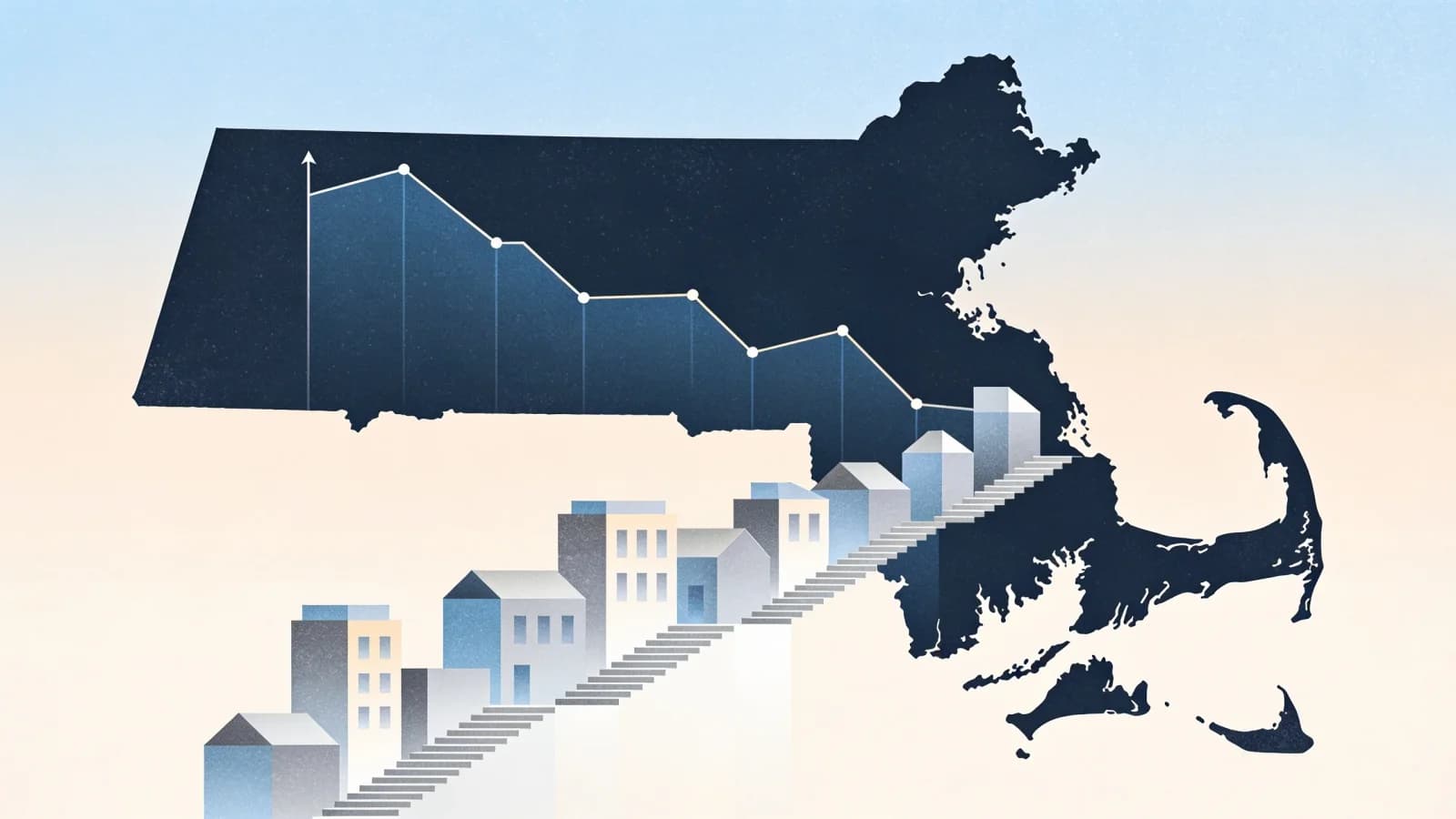
Massachusetts Opioid Overdose Deaths Drop to Historic Lows — Expert Explains What's Working
For the first time since 2013, Massachusetts recorded fewer than 1,000 opioid-related overdose deaths in 2025, marking a nearly 60% decline from the 2022 peak.
After Five Overdoses on Sixth Street, Austin EMS Floods the Bar District With Narcan
Austin-Travis County EMS went door to door on Sixth Street handing out Narcan kits after five suspected opioid overdoses, two weeks before ACL Festival.

National Fentanyl Prevention and Awareness Day: Expert Insights on Combating the Crisis
On National Fentanyl Prevention and Awareness Day, experts emphasize education, harm reduction, and real-time detection tools as essential strategies.