Adolescent Suicidal Thoughts Decline for First Time in Years, Federal Survey Finds
2025 NSDUH data shows first decline in adolescent suicidal ideation since 2021, but experts urge caution as rates remain historically high.
56 articles found
Browse Rainier Rehab's editorial coverage of Federal policy. Our writers track federal and state policy, peer-reviewed research, treatment innovations, and frontline reporting from the addiction recovery field. Each article in this collection cites primary sources — government datasets (SAMHSA, NIH, CDC), Medicaid and Medicare bulletins, JAMA and Lancet studies, and on-the-record statements from clinicians, regulators, and people in recovery — so readers can verify claims and dig deeper.
We update this tag whenever new federal policy reporting publishes. If you're a researcher, journalist, or family member trying to make sense of substance use disorder treatment, this is the working archive. For a directory of accredited treatment facilities, visit our facilities directory; to compare modalities, see our treatments overview and levels of care guide.

2025 NSDUH data shows first decline in adolescent suicidal ideation since 2021, but experts urge caution as rates remain historically high.

On National Fentanyl Prevention and Awareness Day, experts emphasize education, harm reduction, and real-time detection tools as essential strategies.

New CDC provisional data reveals fentanyl-related fatalities have dropped by more than half from their peak, with total overdose deaths down 14% in 2025.

New federal funding aims to keep families together by providing peer support services to parents battling addiction, reducing foster care placements.

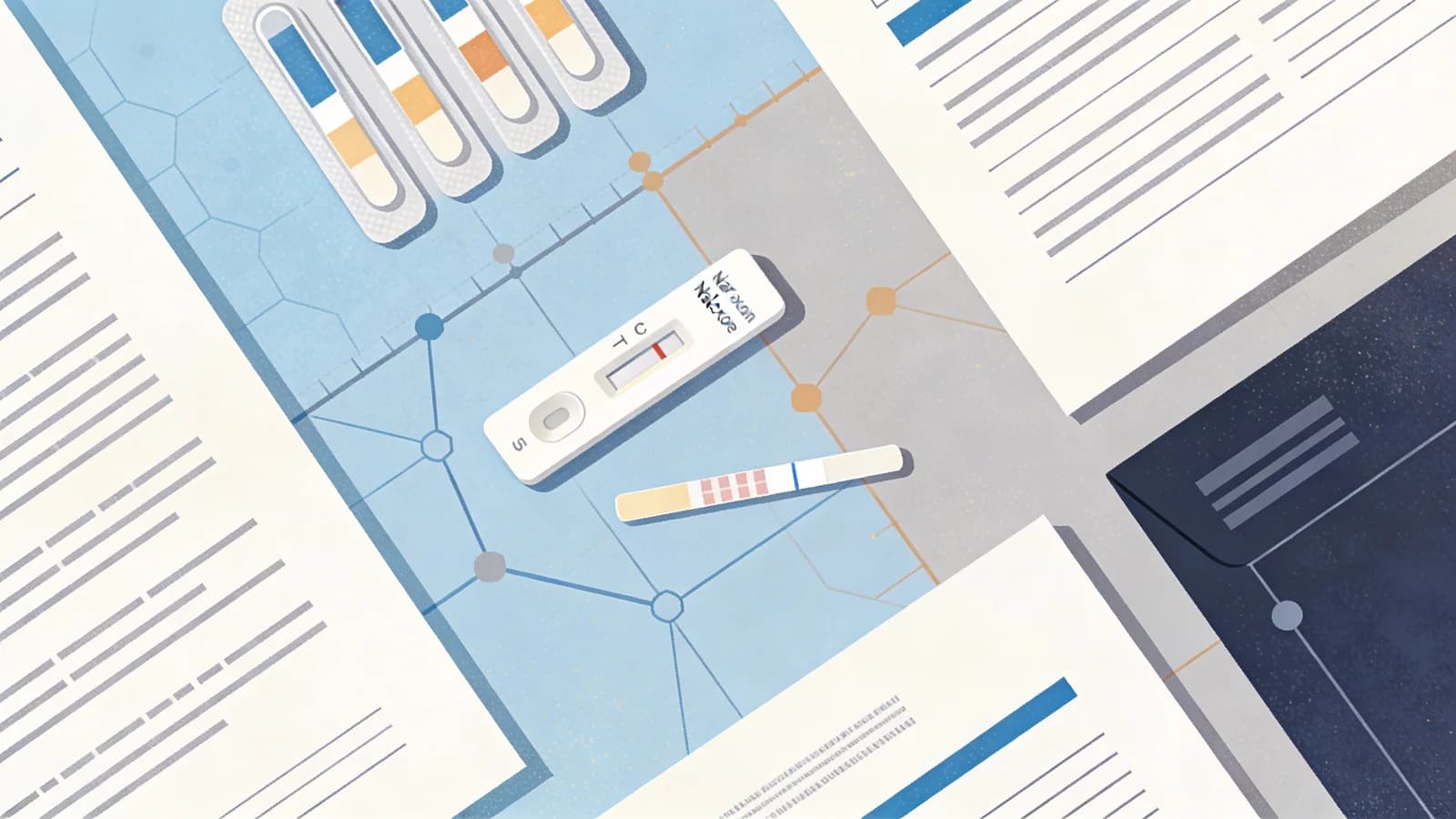
A SAMHSA funding ban bars federal grants from paying for drug-checking strips given to the public, and Baltimore groups warn of rising overdoses.

North Dakota's governor declared a public health emergency and banned kratom sales statewide, effective August 5, as state-level crackdowns on 7-OH accelerate.

SAMHSA announced $73.2 million in grants across three programs: children's mental health services, Zero Suicide implementation, and assisted outpatient treatment.
DEA's inaugural Fentanyl Free America Summit concludes with enforcement results showing over 4 million pills and 1,158 kilograms of fentanyl powder seized in six weeks.

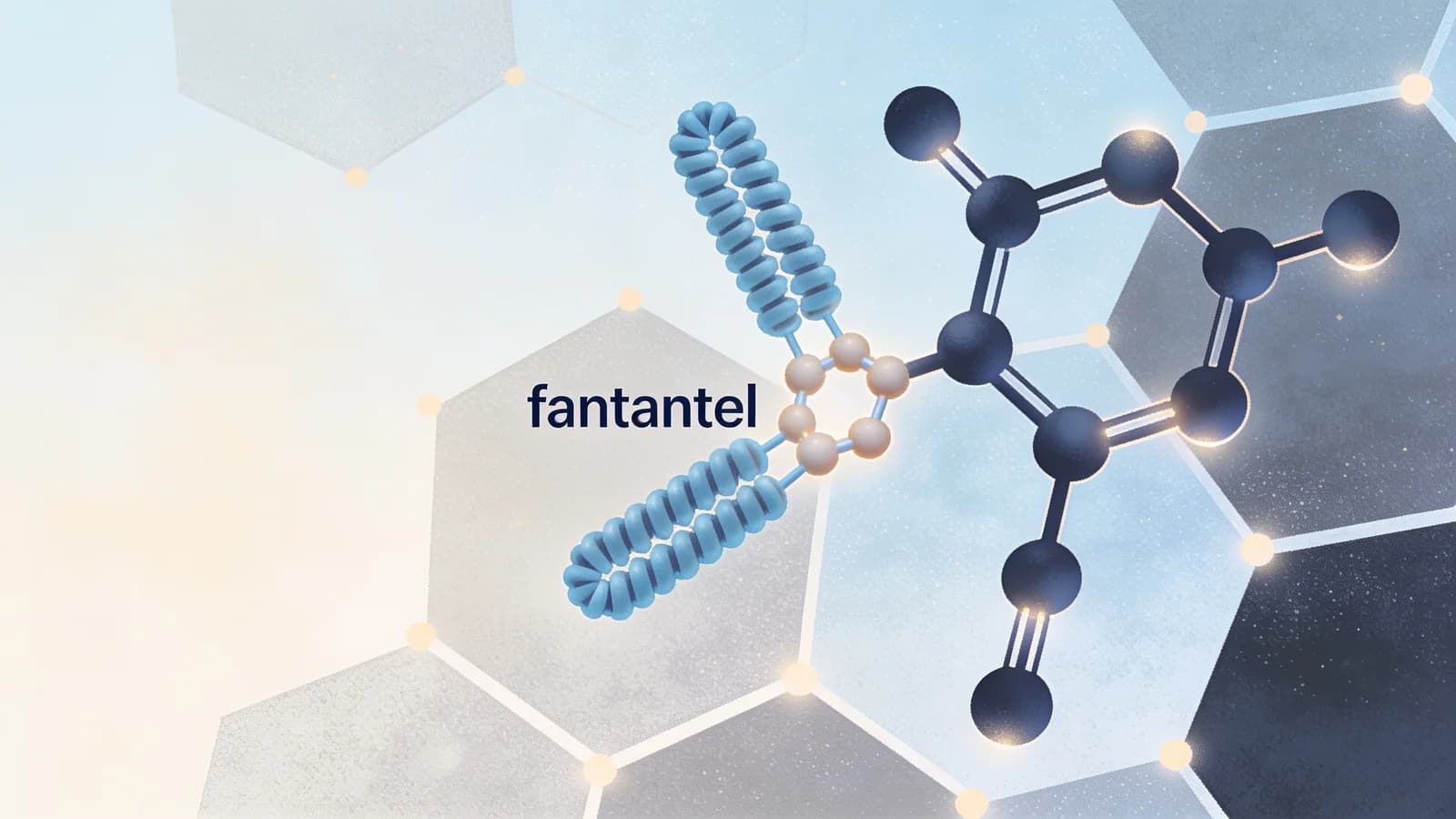
Scripps Research develops vaccine candidate that generates antibodies to neutralize fentanyl, potentially helping people in recovery avoid relapse

Air quality emergencies create life-threatening barriers for patients on medication-assisted treatment, yet public health warnings rarely mention this hidden risk

Oklahoma's statewide naloxone vending machine program, once the largest in the US, has been dismantled. Communities now face uncertainty as federal policy shifts and state funding gaps threaten harm reduction efforts.

A new study reveals that over 93% of rural US counties have no Medicare-enrolled opioid treatment program, creating dangerous barriers to methadone access for 9.3 million Medicare enrollees.

DEA announces intent to temporarily place 7-hydroxymitragynine and related synthetic kratom compounds in Schedule I, targeting enhanced products while preserving natural leaf access.

Nonprofit organizations across the US received termination letters canceling SAMHSA grants that fund overdose prevention, naloxone distribution, and recovery support services.

Senators Markey and Paul reintroduce legislation to expand methadone access by allowing board-certified addiction specialists to prescribe the medication for pharmacy pickup.

CDC provisional data shows 69,147 predicted overdose deaths for the 12 months ending January 2026, a 13.2% decline as naloxone access and treatment expansion show measurable impact.

HHS Secretary Robert F. Kennedy Jr. unveils major funding package emphasizing faith-based recovery programs and evidence-based treatment for vulnerable populations.

FDA approves Rextovy, a new OTC naloxone nasal spray, broadening access to opioid overdose reversal medication as part of the Great American Recovery Initiative.

The Department of Veterans Affairs begins groundbreaking clinical trial testing MDMA-assisted therapy for veterans struggling with PTSD and alcohol use disorder, marking a significant federal investment in psychedelic medicine.

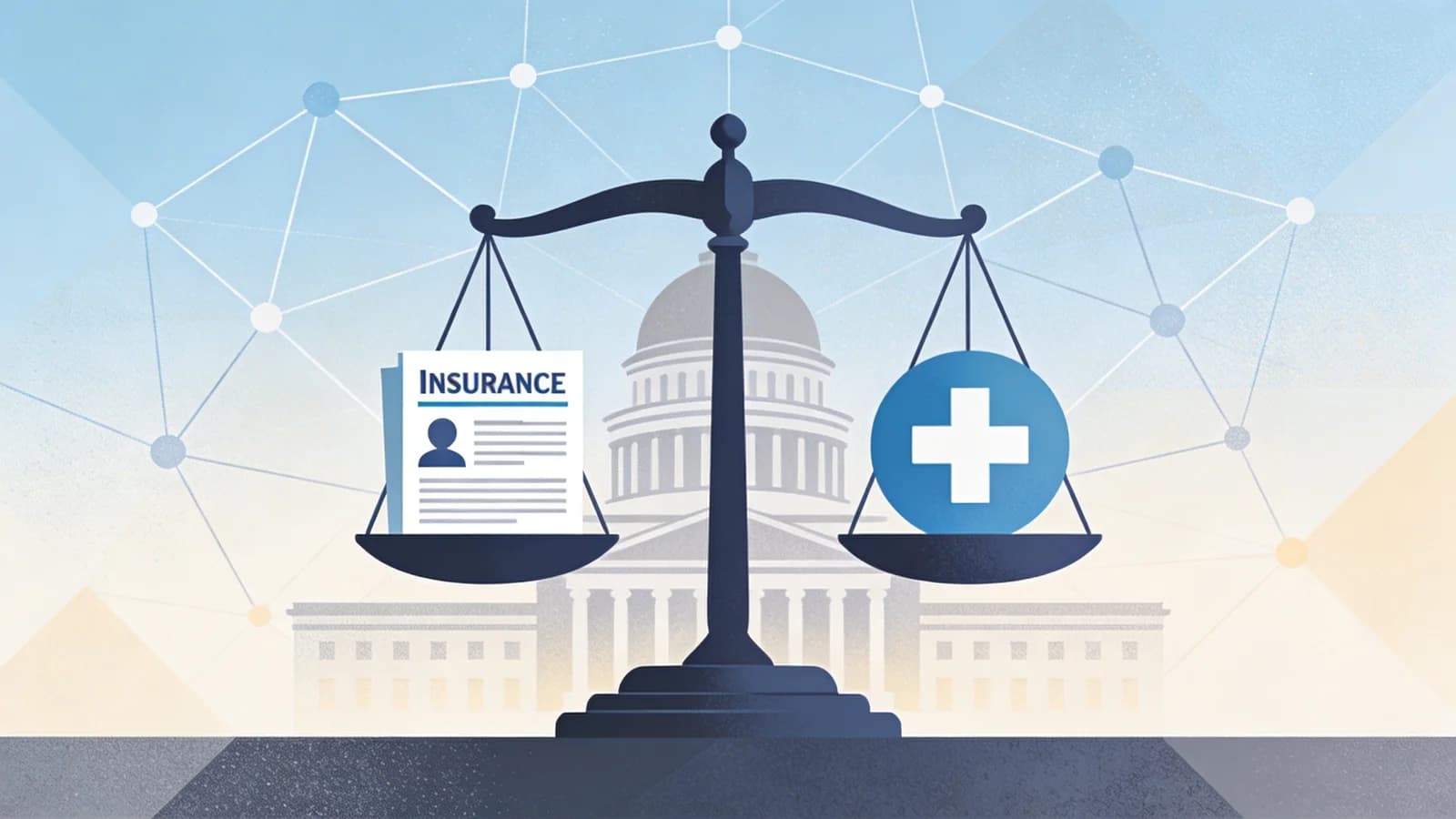
State insurance regulators find Aetna, Anthem, Cigna, ConnectiCare, and UnitedHealthcare systematically underpaid mental health providers and restricted access to care.

Researchers create a new class of compounds that activate serotonin receptors linked to brain healing without causing hallucinations, potentially opening addiction treatment to broader populations.

Law enforcement reports fentanyl increasingly combined with xylazine, medetomidine, nitazenes and cychlorphine—substances that resist naloxone reversal.

Senate Bill 249 decriminalizes drug paraphernalia possession and expands sterile supply distribution, sparking disagreement over public safety and addiction treatment approaches.

As overdose deaths finally begin to fall, a new class of ultra-potent synthetic opioids is emerging in the US drug supply, presenting unprecedented challenges for detection and treatment.

Achieve Life Sciences assembles veteran pharmaceutical leadership team from Verona Pharma ahead of FDA decision on cytisinicline, the first novel smoking cessation therapy since 2006.

NIH-funded research reveals how oral GLP-1 medications penetrate deep into brain reward circuits, offering new pathways for treating substance use disorders beyond weight loss.

State commission recommends expanding low-barrier treatment and harm reduction as xylazine gives way to medetomidine in the illicit drug supply.

Tennessee becomes latest state to legalize FDA-approved ibogaine research, joining Texas and Arizona in studying the psychedelic for PTSD and opioid addiction treatment.

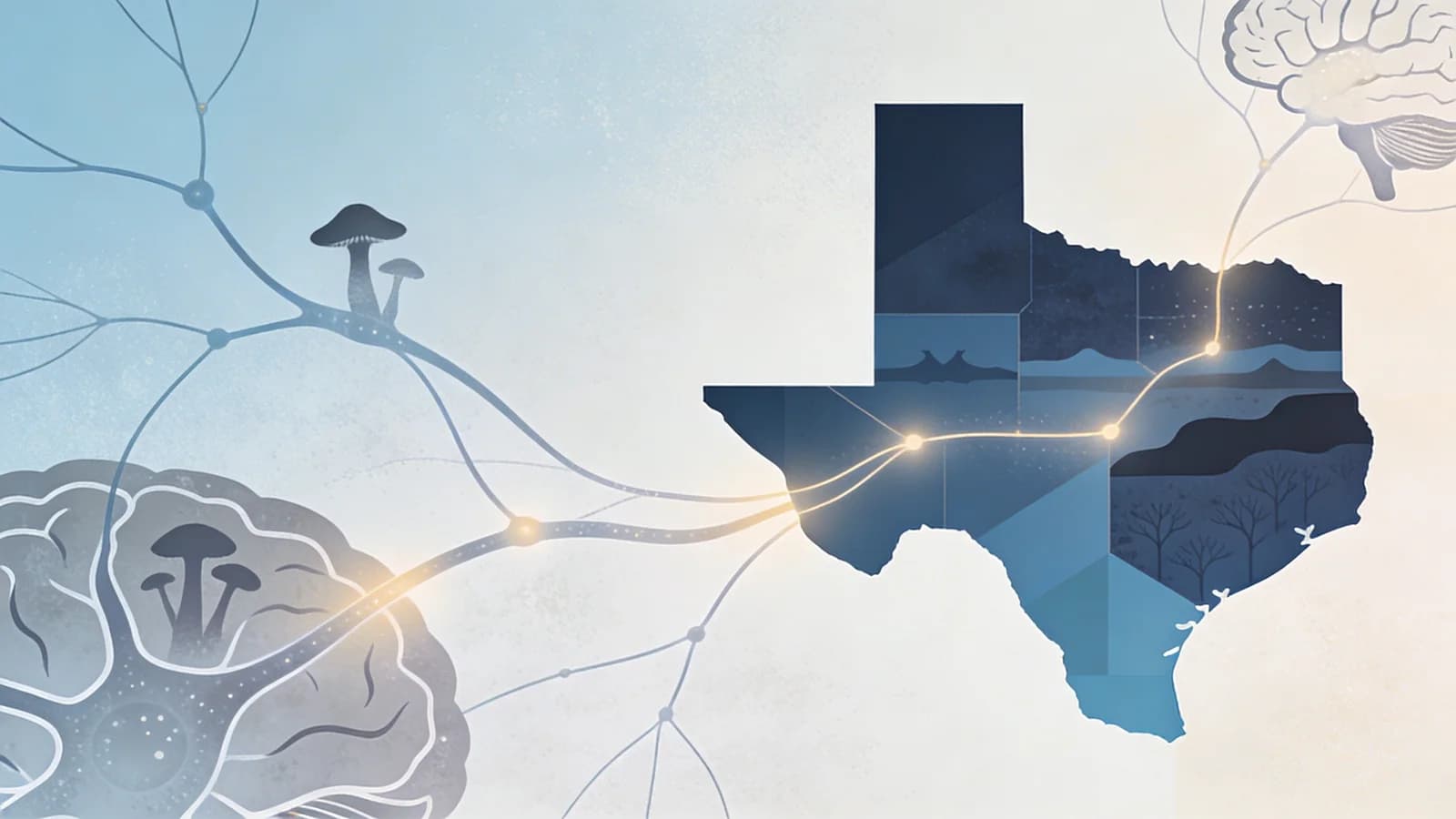
Texas is developing a medical psilocybin program to treat depression, PTSD, and substance use disorders, with support from Trump's executive order and FDA fast-tracking.

FDA grants Fast Track designation to CS-1103, a first-in-class molecule that binds and clears fentanyl from the body, potentially revolutionizing overdose treatment.

The White House releases its 2026 National Drug Control Strategy, introducing controversial new surveillance tools and emphasizing faith-based approaches to addiction treatment.

Landmark settlement bans Sackler family from U.S. opioid sales permanently and delivers $7.4 billion for addiction treatment, prevention, and recovery over 15 years.

American Hospital Association urges federal investment in loan repayment and training programs to address severe provider shortages affecting 75% of rural health professional shortage areas.

Trump administration reverses harm reduction policy, prohibiting federal funds for drug testing supplies and sterile syringes while emphasizing abstinence-based recovery approaches.

Allegheny County's innovative program uses GLP-1 medications like Ozempic and Wegovy to reduce substance use and keep parents with their children.

Trump administration's new SAMHSA guidance blocks federal funds for fentanyl test strips, syringes, and smoking supplies while allowing naloxone and wound care.

New research shows natural disasters disrupt access to buprenorphine and methadone, prompting calls for emergency policy reforms to protect patients in recovery.

New research reveals 40% of Americans face mental health provider shortages, with rural and low-income communities hardest hit. States respond with loan repayment programs, pipeline initiatives, and data-driven workforce planning.

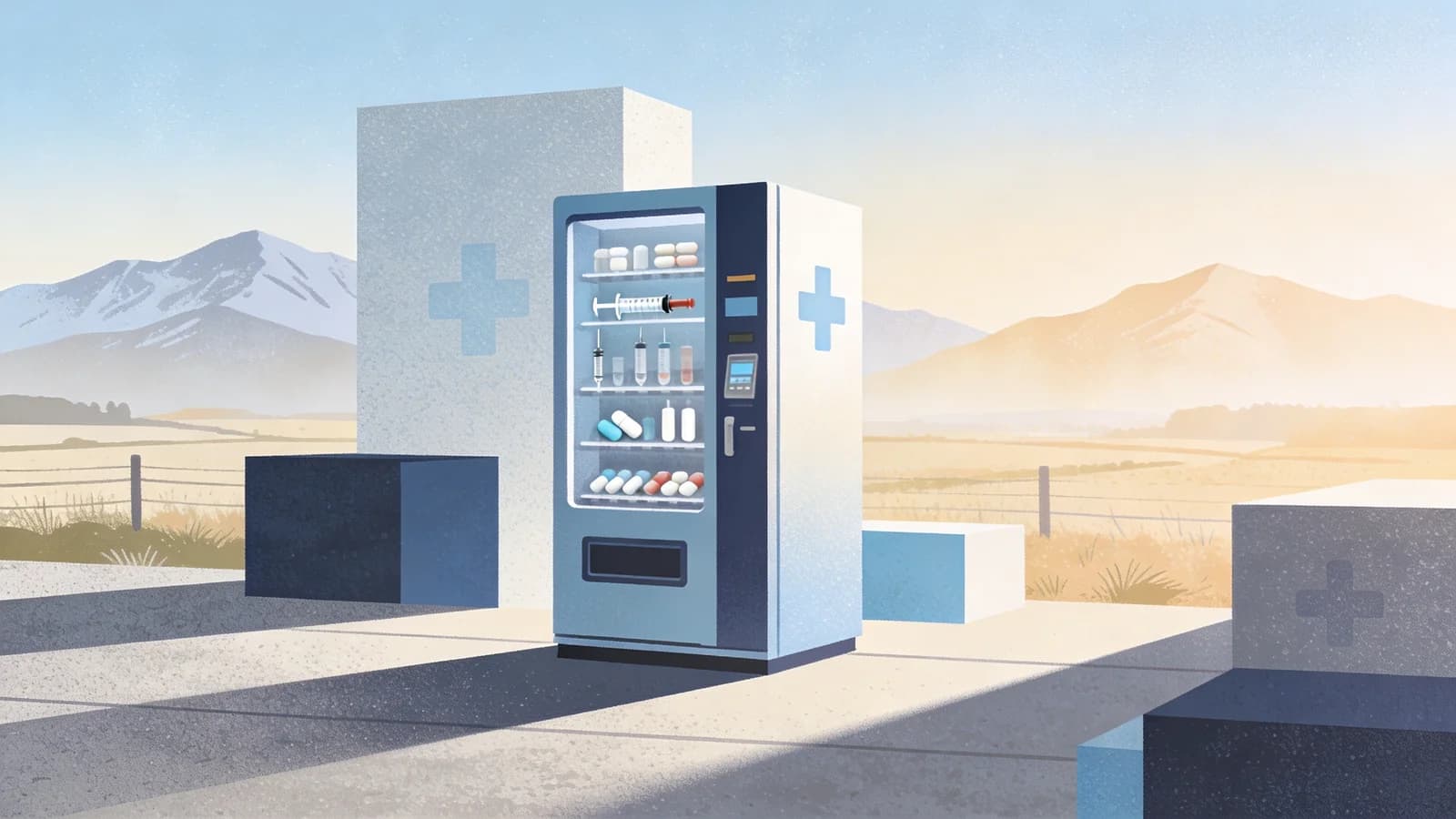
Innovative 'Health to Go' vending machine in Millersburg offers free naloxone, drug checking strips, and health supplies while connecting users to community services through an interactive touchscreen interface.

Togus VA Medical Center opens Maine's first residential substance use disorder program for veterans, ending years of out-of-state travel for inpatient care.

Agency accelerates regulatory action on psilocybin, methylone, and noribogaine following Trump executive order, issuing priority vouchers and clearing Phase 1 studies.

In a historic first, the FDA clears DemeRx's noribogaine hydrochloride for Phase I study, marking the first US clinical trial of an ibogaine-derived compound for addiction treatment.

Tens of thousands of individuals harmed by OxyContin will receive nothing from Purdue's $7.4 billion bankruptcy settlement after strict eligibility changes and documentation requirements.

State Department deploys economic sanctions against sophisticated supply chain providing precursor chemicals to Sinaloa Cartel, implementing Executive Order designating fentanyl as Weapon of Mass Destruction.

Leaked details reveal DEA plans to limit telehealth prescriptions for controlled substances, requiring 50% in-person visits and affecting buprenorphine access for opioid use disorder treatment.

White House drug policy leaders meet with DHS, DOJ, and intelligence agencies to align operations against fentanyl trafficking and sign updated committee charter.

President Trump signed an executive order accelerating psychedelic drug research, directing FDA priority vouchers, Right to Try access, and $50 million in federal-state partnerships.

New transparency tool reveals patients face 24-83% fewer in-network options for mental health care, while clinicians earn 16-59% less than physical health providers.

New Pew research reveals 40% of Americans face provider shortages, with rural counties three times more likely to lack psychologists. States respond with loan repayment and pipeline programs.

New JAMA study shows Medicaid expansion significantly increased access to buprenorphine for opioid use disorder, with Oklahoma seeing 43% drop in overdose deaths.

White House prepares executive order to fund research into ibogaine for PTSD and traumatic brain injury, potentially opening new avenues for addiction treatment research.

Federal funding cuts to SAMHSA grants put overdose prevention, naloxone distribution, and peer recovery programs at risk across the United States.

Agency will now require only one adequate clinical trial supported by confirmatory evidence, a change officials say reflects advances in biomedical science and could accelerate development of addiction treatments.

ONDCP, SAMHSA, and HUD launch two-day summit to develop national toolkit for treating substance use disorders among homeless populations.

With PDUFA date set for June 20, 2026, cytisinicline could become the first novel smoking cessation pharmacotherapy approved by FDA in nearly 20 years.

Lykos Therapeutics slashes workforce by 75% after Complete Response Letter reveals FDA concerns about trial design and durability, forcing psychedelic research firms to reconsider regulatory strategy.