Non-Opioid Painkiller Outperforms Vicodin in Landmark Trial Published in NEJM
Latigo's LTG-001, a selective NaV1.8 inhibitor, beat the opioid comparator in a 343-patient trial — the strongest evidence yet that acute pain may not need opioids.
15 articles found
Browse Rainier Rehab's editorial coverage of Clinical trials. Our writers track federal and state policy, peer-reviewed research, treatment innovations, and frontline reporting from the addiction recovery field. Each article in this collection cites primary sources — government datasets (SAMHSA, NIH, CDC), Medicaid and Medicare bulletins, JAMA and Lancet studies, and on-the-record statements from clinicians, regulators, and people in recovery — so readers can verify claims and dig deeper.
We update this tag whenever new clinical trials reporting publishes. If you're a researcher, journalist, or family member trying to make sense of substance use disorder treatment, this is the working archive. For a directory of accredited treatment facilities, visit our facilities directory; to compare modalities, see our treatments overview and levels of care guide.

Latigo's LTG-001, a selective NaV1.8 inhibitor, beat the opioid comparator in a 343-patient trial — the strongest evidence yet that acute pain may not need opioids.

Compass Pathways' COMP360 psilocybin therapy achieves primary endpoints in two Phase 3 trials for treatment-resistant depression, with FDA submission planned for late 2026.

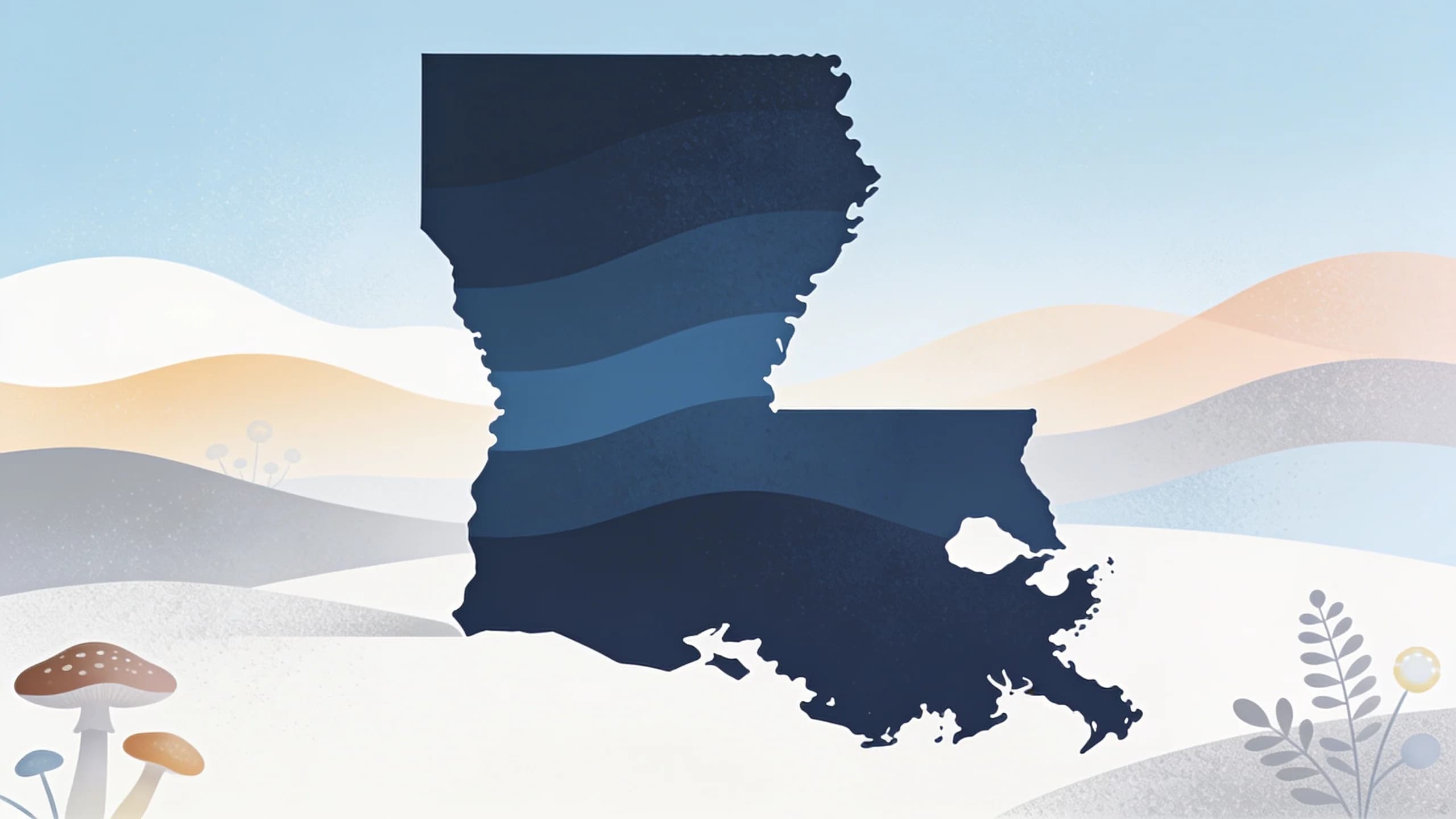
Louisiana's groundbreaking pilot program will use opioid settlement funds to research psilocybin, ibogaine, and MDMA as treatments for addiction and mental health conditions.

University of Southern California receives funding to launch its first clinical study of psilocybin-assisted therapy combined with mindfulness meditation for mental well-being.

A randomized quadruple-blind trial found psilocybin-assisted therapy achieved 30% complete abstinence at 180 days vs 0% with placebo, with 72% reduced relapse risk.

The Department of Veterans Affairs begins groundbreaking clinical trial testing MDMA-assisted therapy for veterans struggling with PTSD and alcohol use disorder, marking a significant federal investment in psychedelic medicine.

First randomized double-blind study in Sweden finds psilocybin provides clinically meaningful depression relief within days, with 53% remission rate at six weeks.

UC San Francisco and Imperial College London researchers discover that one 25mg dose of psilocybin creates measurable anatomical brain changes lasting at least a month.

Achieve Life Sciences assembles veteran pharmaceutical leadership team from Verona Pharma ahead of FDA decision on cytisinicline, the first novel smoking cessation therapy since 2006.

Tennessee becomes latest state to legalize FDA-approved ibogaine research, joining Texas and Arizona in studying the psychedelic for PTSD and opioid addiction treatment.

FDA grants Fast Track designation to CS-1103, a first-in-class molecule that binds and clears fentanyl from the body, potentially revolutionizing overdose treatment.

In a historic first, the FDA clears DemeRx's noribogaine hydrochloride for Phase I study, marking the first US clinical trial of an ibogaine-derived compound for addiction treatment.

Agency will now require only one adequate clinical trial supported by confirmatory evidence, a change officials say reflects advances in biomedical science and could accelerate development of addiction treatments.

With PDUFA date set for June 20, 2026, cytisinicline could become the first novel smoking cessation pharmacotherapy approved by FDA in nearly 20 years.

More than 15 clinical trials are testing whether semaglutide and other GLP-1 receptor agonists can reduce cravings by altering dopamine pathways in the brain's reward system.