FDA Approves New Over-the-Counter Naloxone Spray, Expanding Life-Saving Access
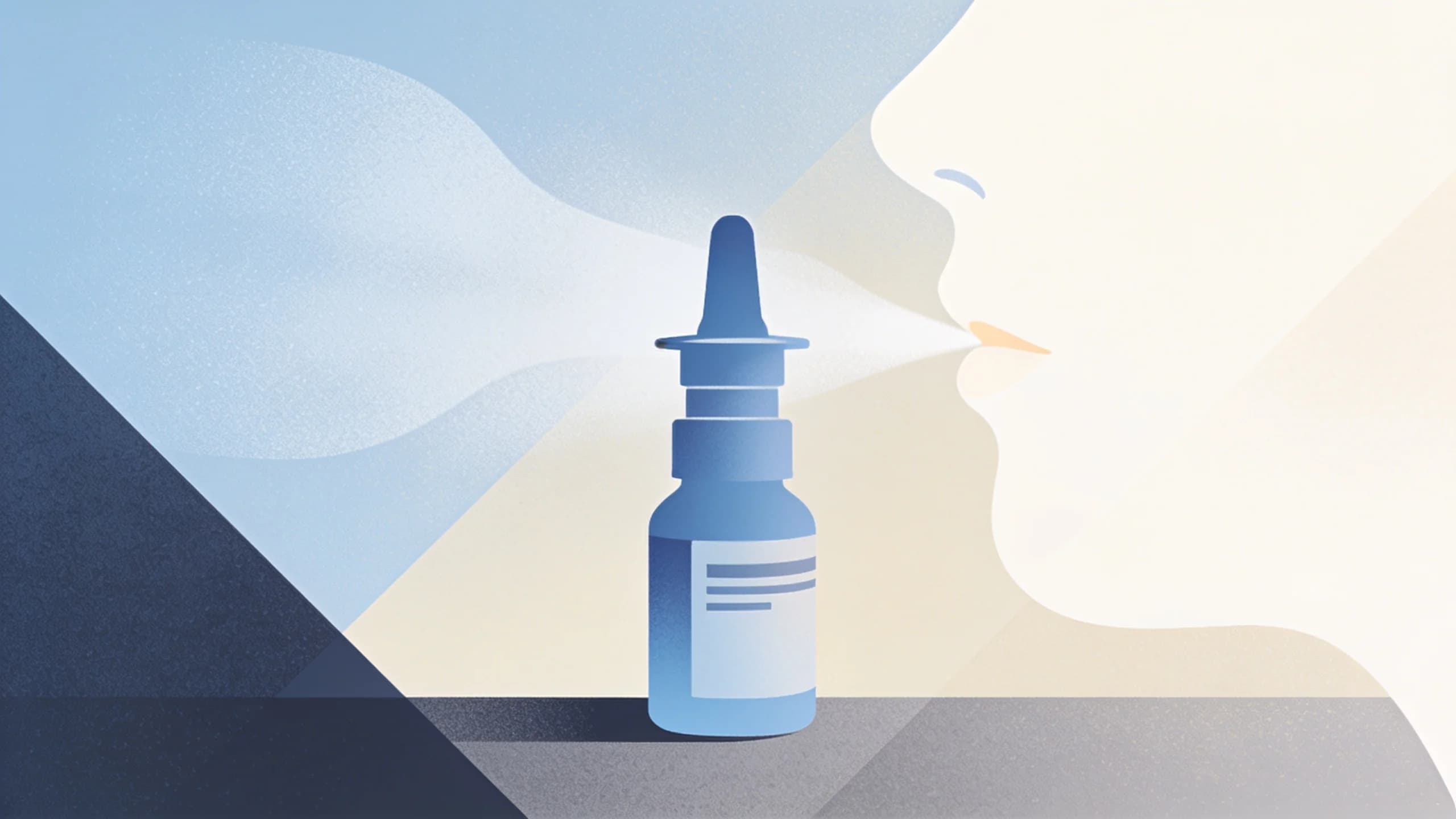
FDA approves Rextovy, a new OTC naloxone nasal spray, broadening access to opioid overdose reversal medication as part of the Great American Recovery Initiative.
21 articles found
Browse Rainier Rehab's editorial coverage of Opioid addiction. Our writers track federal and state policy, peer-reviewed research, treatment innovations, and frontline reporting from the addiction recovery field. Each article in this collection cites primary sources — government datasets (SAMHSA, NIH, CDC), Medicaid and Medicare bulletins, JAMA and Lancet studies, and on-the-record statements from clinicians, regulators, and people in recovery — so readers can verify claims and dig deeper.
We update this tag whenever new opioid addiction reporting publishes. If you're a researcher, journalist, or family member trying to make sense of substance use disorder treatment, this is the working archive. For a directory of accredited treatment facilities, visit our facilities directory; to compare modalities, see our treatments overview and levels of care guide.

FDA approves Rextovy, a new OTC naloxone nasal spray, broadening access to opioid overdose reversal medication as part of the Great American Recovery Initiative.
For the first time since 2013, Massachusetts recorded fewer than 1,000 opioid-related overdose deaths in 2025, marking a nearly 60% decline from the 2022 peak.

New research on 600,000+ veterans reveals GLP-1 drugs like Ozempic and Wegovy significantly reduce substance use disorders across alcohol, opioids, cocaine, and nicotine.

The Virginia Harm Reduction Coalition deploys distinctive purple dispensing boxes across Southwest Virginia, making life-saving naloxone freely available in communities with some of the state's highest overdose rates.

New research reveals GLP-1 medications like Ozempic and Wegovy may significantly reduce opioid overdoses and alcohol intoxication rates.

Senators Markey and Paul reintroduce legislation to expand methadone access by allowing board-certified addiction specialists to prescribe the medication for pharmacy pickup.

Landmark Canadian study shows take-home naloxone kits prevented nearly 4 in 5 fatal overdoses from 2019-2024, offering evidence for harm reduction strategies

Law enforcement reports fentanyl increasingly combined with xylazine, medetomidine, nitazenes and cychlorphine—substances that resist naloxone reversal.

As overdose deaths finally begin to fall, a new class of ultra-potent synthetic opioids is emerging in the US drug supply, presenting unprecedented challenges for detection and treatment.

NIH-funded research reveals how oral GLP-1 medications penetrate deep into brain reward circuits, offering new pathways for treating substance use disorders beyond weight loss.

CDC study reveals gabapentin detection in overdose deaths increased significantly, with 85-90% of cases also involving opioids

Tennessee becomes latest state to legalize FDA-approved ibogaine research, joining Texas and Arizona in studying the psychedelic for PTSD and opioid addiction treatment.

Trump administration reverses harm reduction policy, prohibiting federal funds for drug testing supplies and sterile syringes while emphasizing abstinence-based recovery approaches.

Despite federal relaxations, Wisconsin's restrictive methadone regulations force patients to visit clinics seven days a week, creating barriers to treatment access.

Tens of thousands of individuals harmed by OxyContin will receive nothing from Purdue's $7.4 billion bankruptcy settlement after strict eligibility changes and documentation requirements.

Leaked details reveal DEA plans to limit telehealth prescriptions for controlled substances, requiring 50% in-person visits and affecting buprenorphine access for opioid use disorder treatment.

Study of 600,000 U.S. veterans finds GLP-1 drugs like Ozempic and Wegovy associated with dramatic reductions in substance use disorder complications, overdoses, and deaths.

New research reveals 20% of U.S. pharmacies refuse to dispense buprenorphine, creating critical barriers to opioid addiction treatment despite federal expansion efforts.

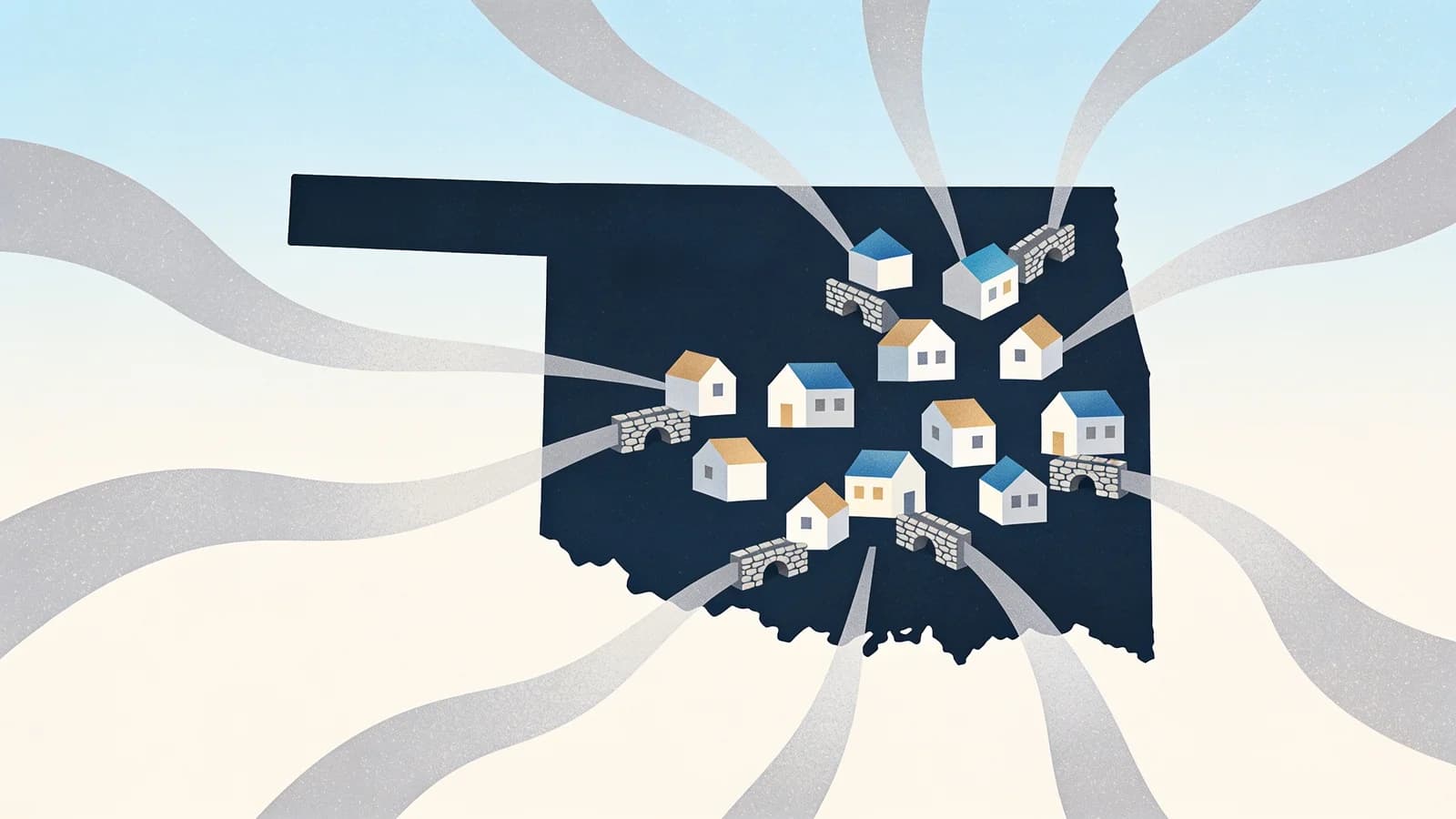
New JAMA study shows Medicaid expansion significantly increased access to buprenorphine for opioid use disorder, with Oklahoma seeing 43% drop in overdose deaths.

White House prepares executive order to fund research into ibogaine for PTSD and traumatic brain injury, potentially opening new avenues for addiction treatment research.

National Institute on Drug Abuse researchers transform a dangerous synthetic opioid class into a potential therapeutic, creating a compound that relieves pain without causing tolerance, dependence, or fatal overdose risk.