
GLP-1 Drugs Show Promise for Treating Addiction, Analysis of 1.3 Million People Finds
The medications that revolutionized diabetes and weight loss treatment may be poised to transform addiction medicine as well. A sweeping new analysis of more than 1.3 million people has found that users of GLP-1 receptor agonists—drugs like Ozempic, Wegovy, and Mounjaro—experience significantly lower rates of opioid overdose and alcohol intoxication compared to non-users.
The findings, published in the journal Addiction, add to a growing body of evidence suggesting these medications could become powerful tools in the fight against substance use disorders. For a nation still grappling with an opioid crisis that claims tens of thousands of lives annually, the implications could be profound.
How GLP-1 Drugs May Rewire the Brain's Reward System
GLP-1, or glucagon-like peptide-1, is a hormone naturally released by the gut after eating. It signals the pancreas to produce insulin and tells the brain that the body is full. The synthetic versions of this hormone, originally developed to treat type 2 diabetes, have exploded in popularity for their dramatic weight loss effects.
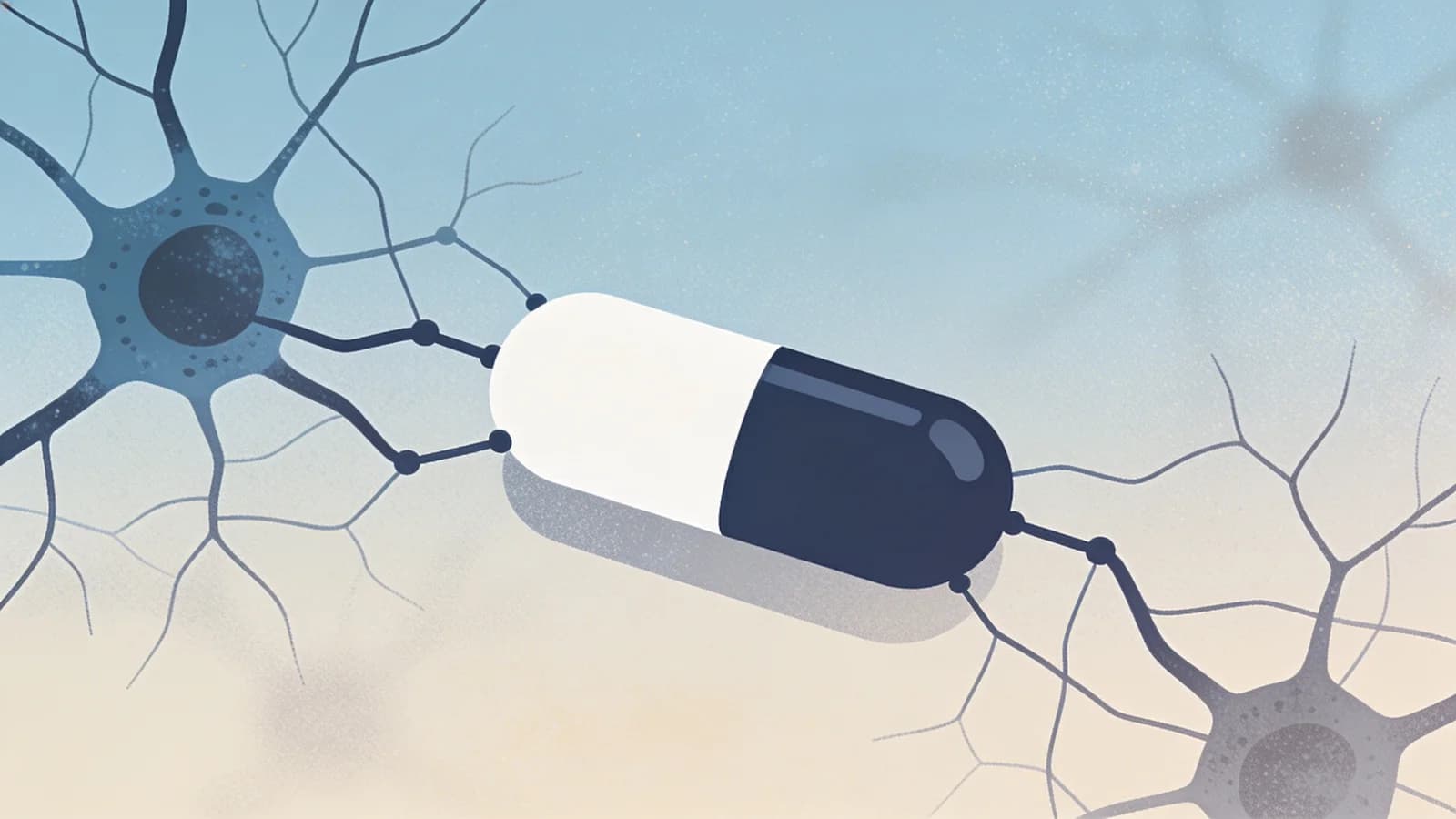
But GLP-1 receptors aren't confined to the gut. They're distributed throughout the body, including the heart, kidneys, liver, and crucially, the brain. Scientists have discovered particularly high concentrations in the brain's reward pathways—the same neural circuits that drive cravings for alcohol, nicotine, and opioids.
"GLP-1 receptors are concentrated in areas of the brain that regulate reward and motivation," explains Dr. George Koob, director of the National Institute on Alcohol Abuse and Alcoholism, whose research aligns with the new findings. "By acting on these receptors, these medications may dampen the reinforcing effects of addictive substances."
The mechanism appears to work by modulating dopamine signaling. When someone uses alcohol or opioids, their brain releases a surge of dopamine, creating a pleasurable sensation that reinforces continued use. GLP-1 agonists seem to blunt this response, reducing the "high" and thereby diminishing the motivation to continue using.
The 1.3 Million Person Study: What the Data Shows
The Addiction journal analysis represents one of the largest observational studies of its kind. Researchers examined health records of over 1.3 million individuals, comparing those prescribed GLP-1 medications against matched controls.
The results were striking. GLP-1 users showed significantly lower rates of:
- Opioid overdose events
- Alcohol intoxication episodes
- Emergency department visits related to substance use
- Hospitalizations for addiction-related complications
While the study was observational and cannot prove causation, the sheer size of the dataset and the consistency of the findings across multiple substance use outcomes suggest a real biological effect.
This research builds upon earlier studies that hinted at similar benefits. A 2026 BMJ cohort study of more than 600,000 U.S. veterans with type 2 diabetes found that starting a GLP-1 receptor agonist was associated with lower risk for several incident substance use disorders compared to starting other diabetes medications.
From Diabetes Clinics to Addiction Treatment Centers
The potential clinical applications are already being explored. At the National Institutes of Health, researchers are conducting controlled trials to determine whether GLP-1 medications can be repurposed specifically for addiction treatment.
"We're looking at whether these drugs could be used as adjunctive therapy alongside existing treatments like medication-assisted treatment and behavioral counseling," says one NIH researcher involved in the studies. "The early data is promising enough that we think it's worth rigorous investigation."
For people struggling with alcohol use disorder, the findings offer a potential new avenue for treatment. Current options—including naltrexone, acamprosate, and disulfiram—help many patients but are far from universally effective. A medication that reduces cravings by targeting the brain's reward circuitry could fill an important gap in the therapeutic arsenal.
Similarly, for those battling opioid addiction, GLP-1 drugs could potentially complement existing medications like buprenorphine and methadone. While these established treatments are highly effective at reducing withdrawal and preventing overdose, not all patients respond equally. Adding a craving-reduction medication that works through a different mechanism could improve outcomes for difficult-to-treat cases.
Challenges and Cautions
Despite the excitement, researchers urge caution. Observational studies, no matter how large, cannot establish causality. It's possible that people who seek out GLP-1 medications for weight loss or diabetes are somehow different from the general population in ways that also protect against addiction.
Randomized controlled trials—the gold standard for medical evidence—are needed to confirm these effects. Several such trials are now underway, examining whether GLP-1 agonists can reduce drinking in people with alcohol use disorder and whether they can prevent relapse in individuals recovering from opioid addiction.
There are also practical considerations. GLP-1 medications are expensive, often costing over $1,000 per month without insurance. While many insurance plans now cover them for diabetes and obesity, coverage for addiction treatment would require new approvals and potentially new indications from the FDA.
Side effects, while generally manageable, include nausea, vomiting, and gastrointestinal distress. These effects lead some patients to discontinue treatment. Whether the benefits for addiction would outweigh these drawbacks remains to be seen in controlled studies.
A Broader Shift in Understanding Addiction
The emerging research on GLP-1 drugs reflects a broader transformation in how scientists understand addiction. Rather than viewing substance use disorders primarily as moral failings or purely psychological conditions, researchers increasingly recognize the biological underpinnings that drive compulsive drug and alcohol use.
Addiction, in this view, involves dysregulated brain circuits—particularly those involving reward, motivation, and impulse control. Medications that can normalize these circuits, whether through opioid receptor modulation (like buprenorphine), glutamate regulation (like acamprosate), or GLP-1 receptor activation, offer hope for treating addiction as the medical condition it is.
"We're moving toward a more nuanced understanding of addiction as a chronic brain disease," says Dr. Koob. "Medications that target the neural mechanisms underlying craving and compulsive use are essential tools in comprehensive treatment."
What Comes Next
The path from observational findings to approved addiction treatments is long and uncertain. Even if randomized trials confirm the benefits seen in population studies, regulatory approval for new indications typically takes years.
However, some clinicians are already exploring off-label use of GLP-1 medications for patients with both metabolic concerns and substance use disorders. Given the high comorbidity between obesity, diabetes, and addiction—particularly alcohol use disorder—such patients are not uncommon.
For now, the most important message for patients and families is that help is available through established treatments. Medication-assisted treatment for opioid addiction, behavioral therapies for alcohol use disorder, and comprehensive rehabilitation programs have strong evidence bases and have helped millions achieve recovery.
The GLP-1 research offers a glimpse of what may be coming: a future where addiction treatment is increasingly personalized, where medications target specific biological vulnerabilities, and where the stigma of seeking help continues to fade as the medical nature of these conditions becomes clearer.
As one researcher put it: "We're not there yet, but we're closer than we've ever been to having a genuine pharmacological toolkit for treating addiction."
Sources
Editorial Board
LADC, LCPC, CASAC
The Rainier Rehab editorial team consists of licensed addiction counselors, healthcare journalists, and recovery advocates dedicated to providing accurate, evidence-based information about substance abuse treatment and rehabilitation.
Related Articles

GLP-1 Weight-Loss Drugs Show Remarkable Promise in Fighting Addiction, Large Veterans Study Finds
New research on 600,000+ veterans reveals GLP-1 drugs like Ozempic and Wegovy significantly reduce substance use disorders across alcohol, opioids, cocaine, and nicotine.

Men and Women with Addiction Show Distinct Psychiatric Comorbidities
In a national sample of 58,000 adults with opioid, alcohol or cannabis dependence, men had lower odds of depression and anxiety but higher odds of psychosis.

How Weight-Loss Drugs Could Revolutionize Addiction Treatment by Targeting the Brain's 'Craving Center'
New research reveals GLP-1 drugs like Ozempic may work by acting on the lateral septum, a previously overlooked brain region that controls conscious reward perception.