California Launches First-in-Nation CA Bridge Connect Service for Same-Day Opioid Treatment
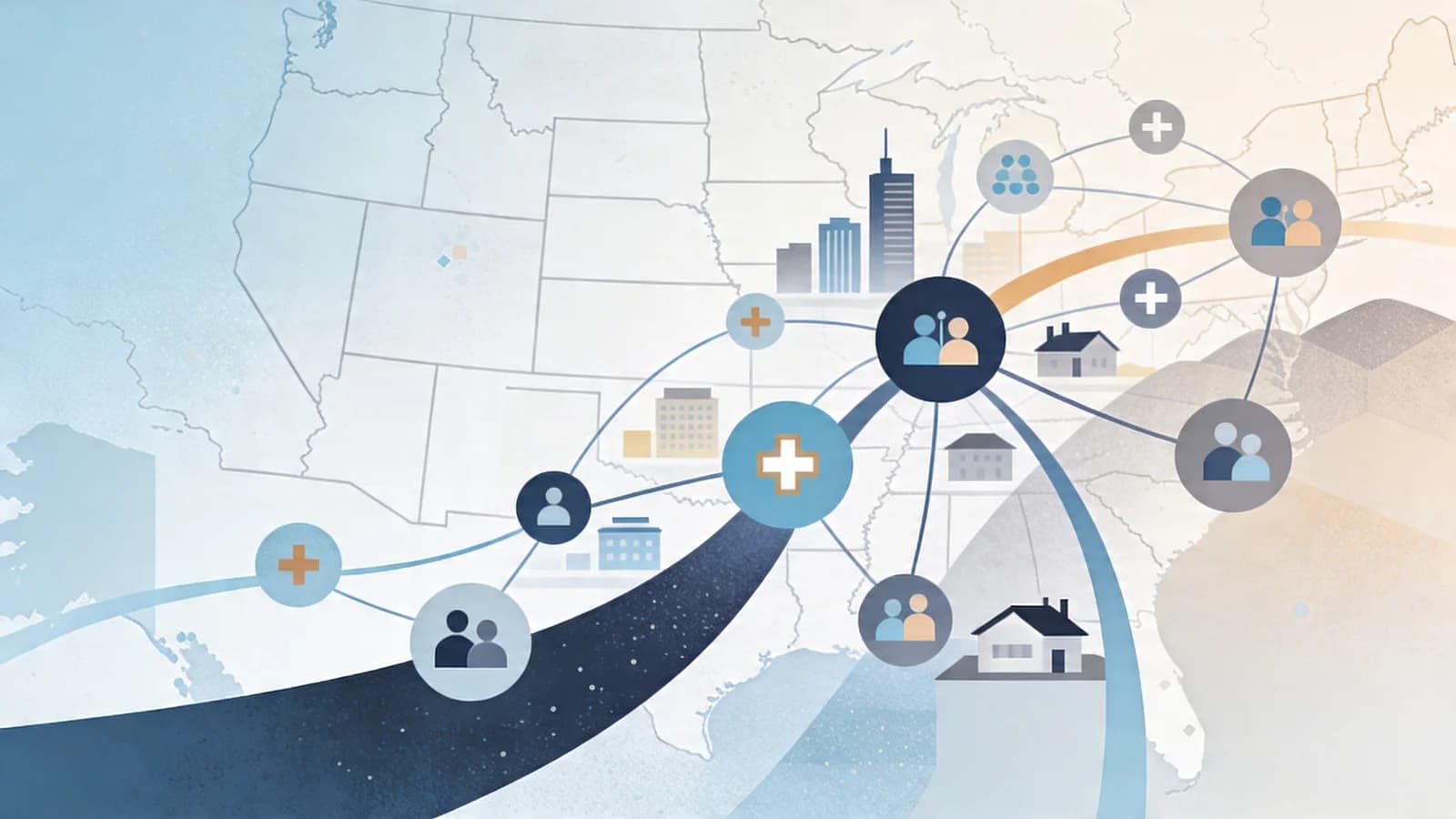
New statewide call and text service offers immediate help with ongoing follow-up support for Californians seeking opioid addiction treatment.
32 articles found
Browse Rainier Rehab's editorial coverage of Medication-assisted treatment. Our writers track federal and state policy, peer-reviewed research, treatment innovations, and frontline reporting from the addiction recovery field. Each article in this collection cites primary sources — government datasets (SAMHSA, NIH, CDC), Medicaid and Medicare bulletins, JAMA and Lancet studies, and on-the-record statements from clinicians, regulators, and people in recovery — so readers can verify claims and dig deeper.
We update this tag whenever new medication-assisted treatment reporting publishes. If you're a researcher, journalist, or family member trying to make sense of substance use disorder treatment, this is the working archive. For a directory of accredited treatment facilities, visit our facilities directory; to compare modalities, see our treatments overview and levels of care guide.


New statewide call and text service offers immediate help with ongoing follow-up support for Californians seeking opioid addiction treatment.

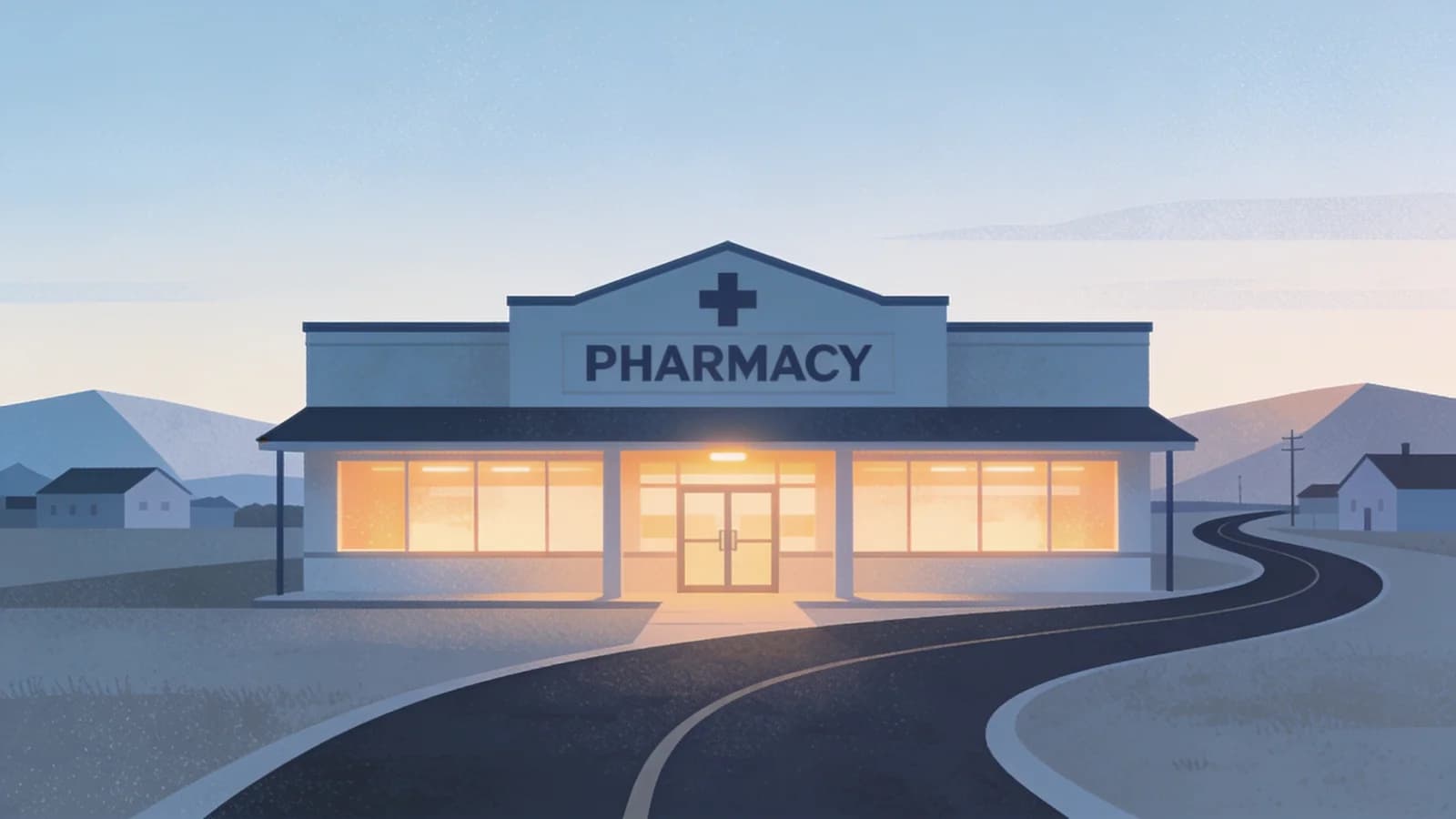
New CDC data reveals surprising trends in addiction medication access: rural pharmacies now dispense more buprenorphine per capita than urban ones, while ED-based treatment remains an urban privilege.
Iowa's new I-BEACON program connects healthcare providers with addiction medicine experts around the clock, expanding access to medication-assisted treatment across all 99 counties.

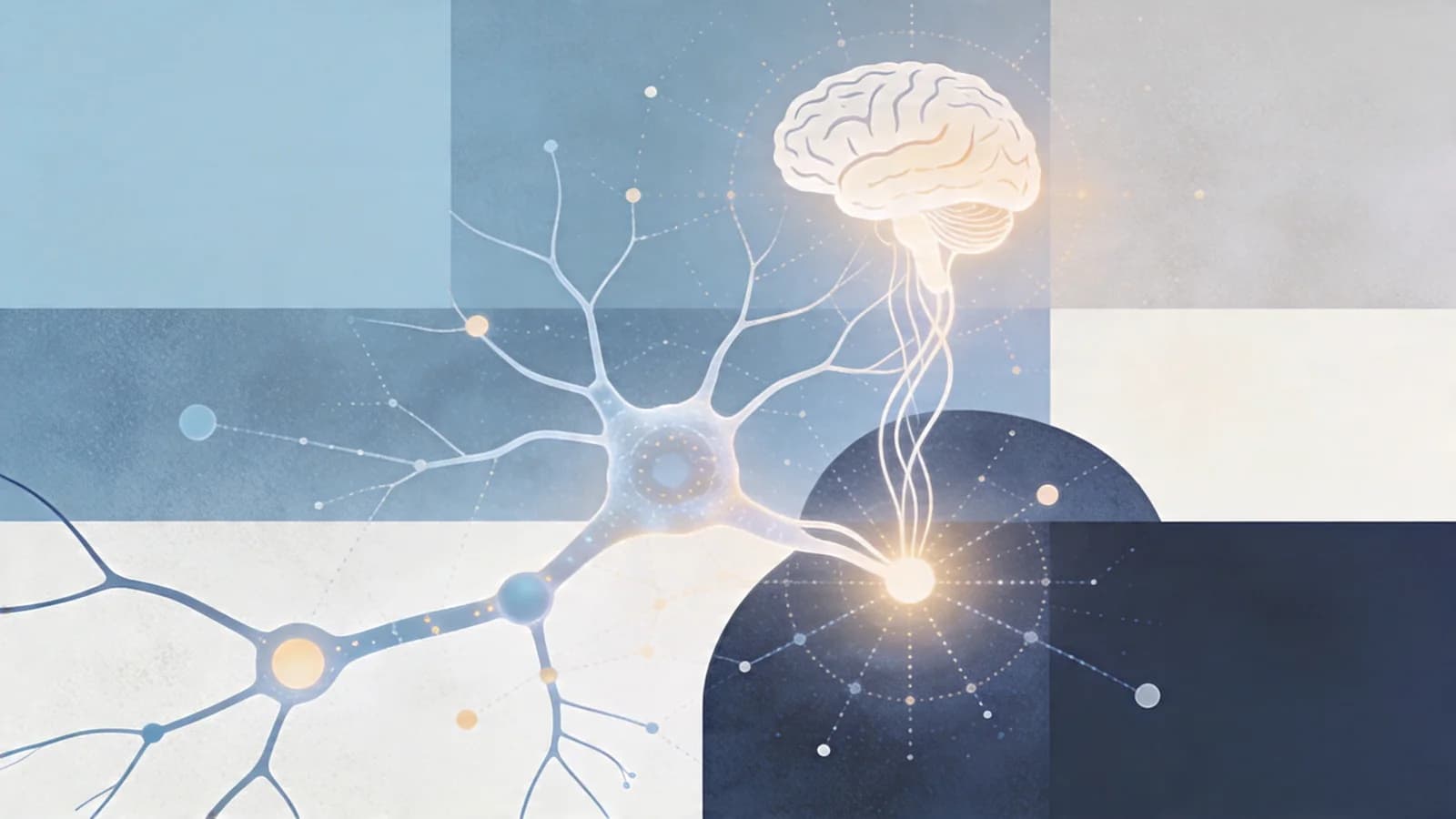
New research reveals GLP-1 drugs like Ozempic may work by acting on the lateral septum, a previously overlooked brain region that controls conscious reward perception.

Compass Pathways' COMP360 psilocybin therapy achieves primary endpoints in two Phase 3 trials for treatment-resistant depression, with FDA submission planned for late 2026.

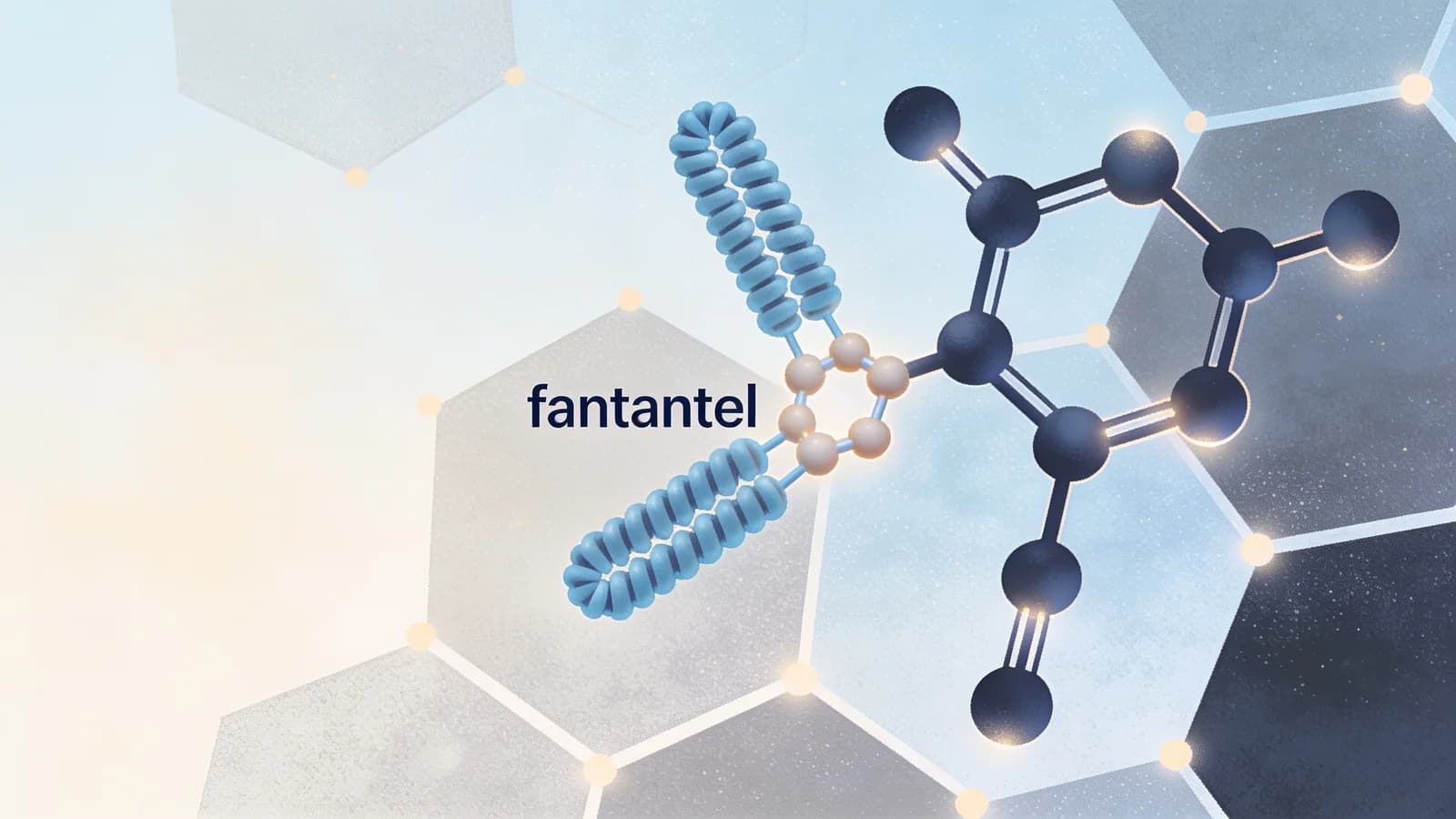
Scripps Research develops vaccine candidate that generates antibodies to neutralize fentanyl, potentially helping people in recovery avoid relapse

Mass General Brigham study shows mobile clinics can effectively deliver buprenorphine and harm reduction services to people who use drugs, with 15% retention at 6 months

State-commissioned assessment identifies justice-involved individuals as priority population for $99 million in settlement dollars through 2038

Air quality emergencies create life-threatening barriers for patients on medication-assisted treatment, yet public health warnings rarely mention this hidden risk

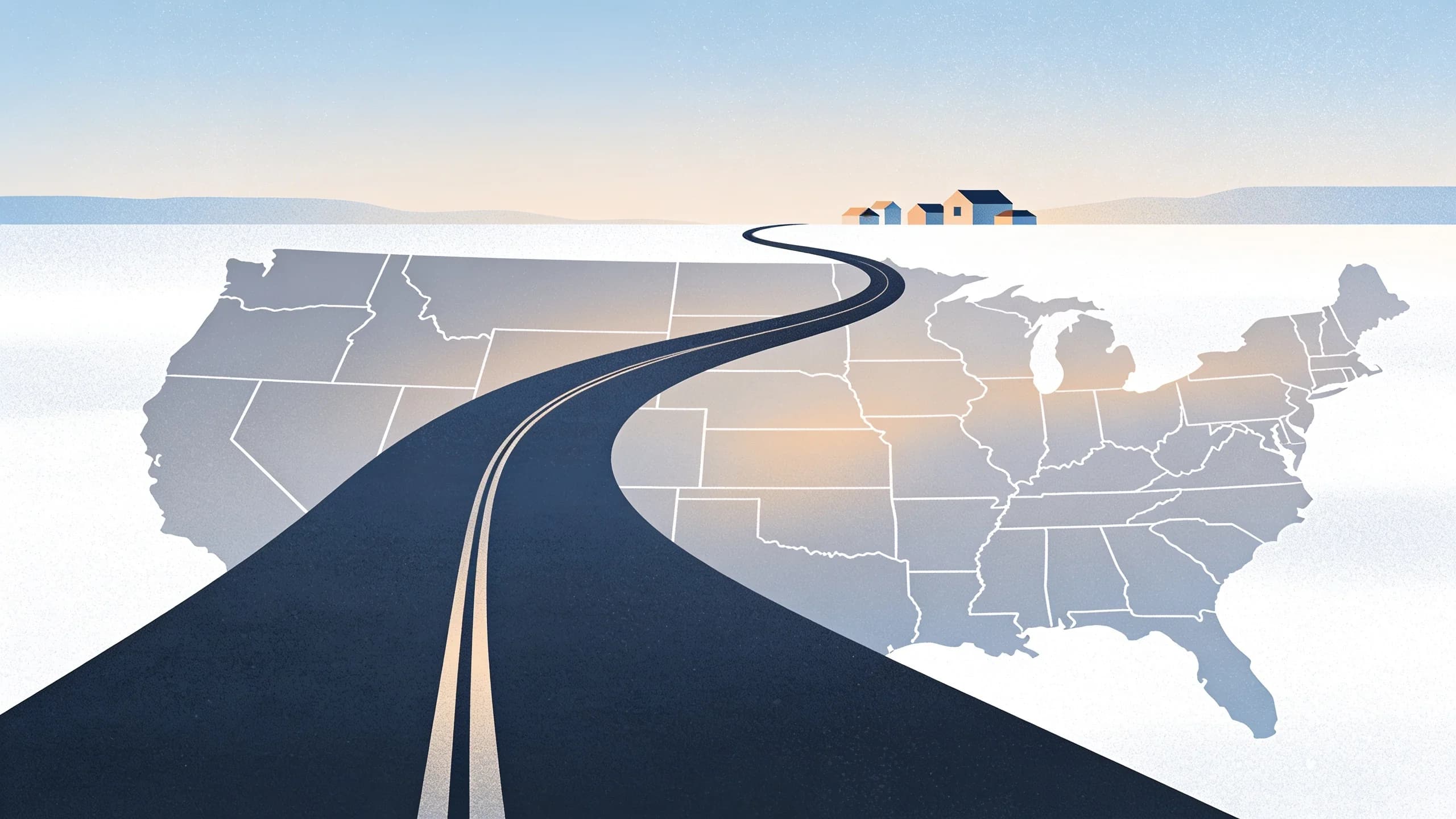
A new study reveals that over 93% of rural US counties have no Medicare-enrolled opioid treatment program, creating dangerous barriers to methadone access for 9.3 million Medicare enrollees.

New research reveals GLP-1 medications like Ozempic and Wegovy may significantly reduce opioid overdoses and alcohol intoxication rates.

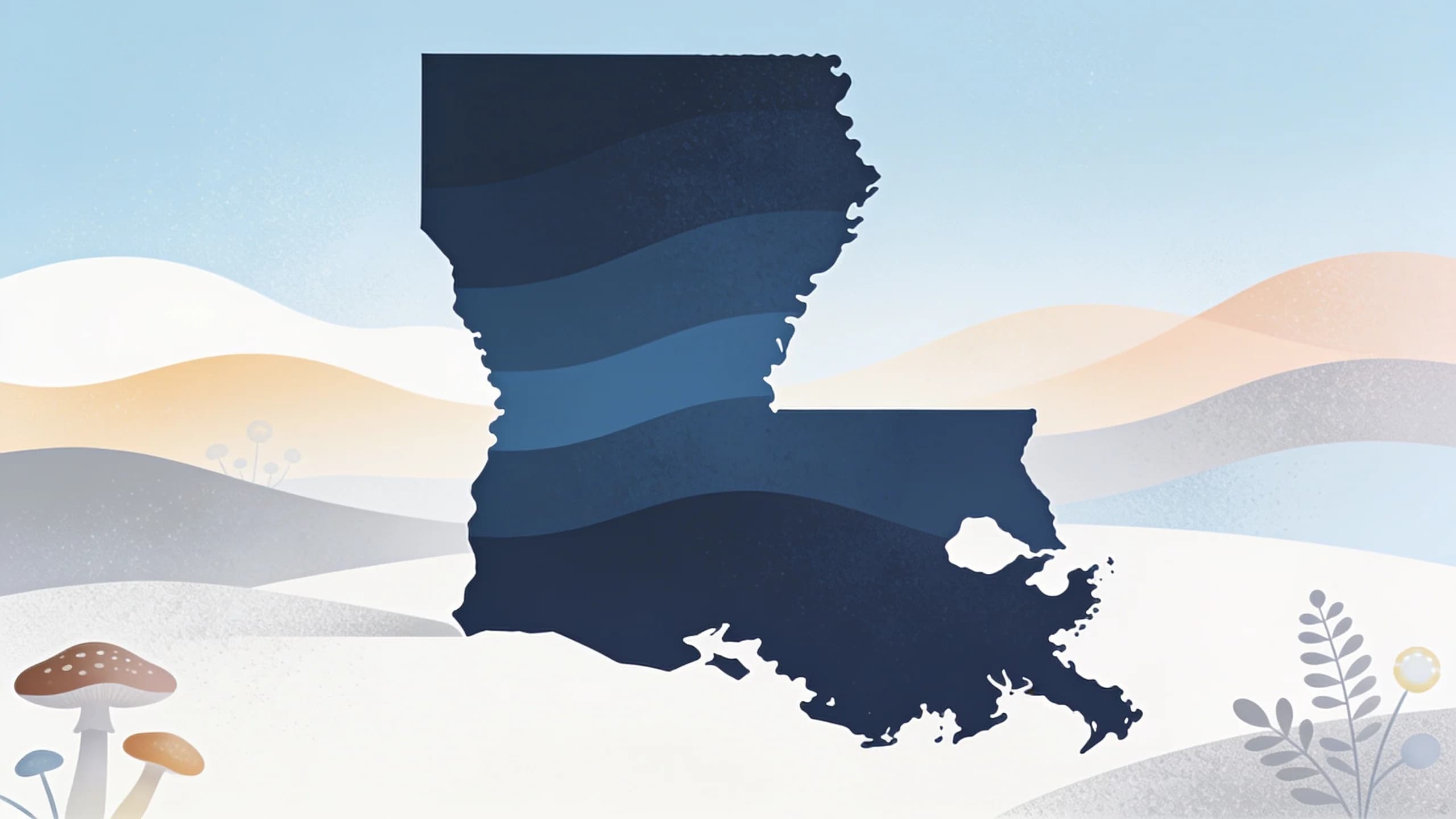
Louisiana's groundbreaking pilot program will use opioid settlement funds to research psilocybin, ibogaine, and MDMA as treatments for addiction and mental health conditions.

Senators Markey and Paul reintroduce legislation to expand methadone access by allowing board-certified addiction specialists to prescribe the medication for pharmacy pickup.

Research finds semaglutide combined with cognitive behavioral therapy reduces alcohol cravings more than therapy alone, suggesting new approach to addiction treatment

New research on 600,000+ veterans reveals GLP-1 drugs like Ozempic and Wegovy significantly reduce substance use disorders across alcohol, opioids, cocaine, and nicotine.

Researchers create a new class of compounds that activate serotonin receptors linked to brain healing without causing hallucinations, potentially opening addiction treatment to broader populations.

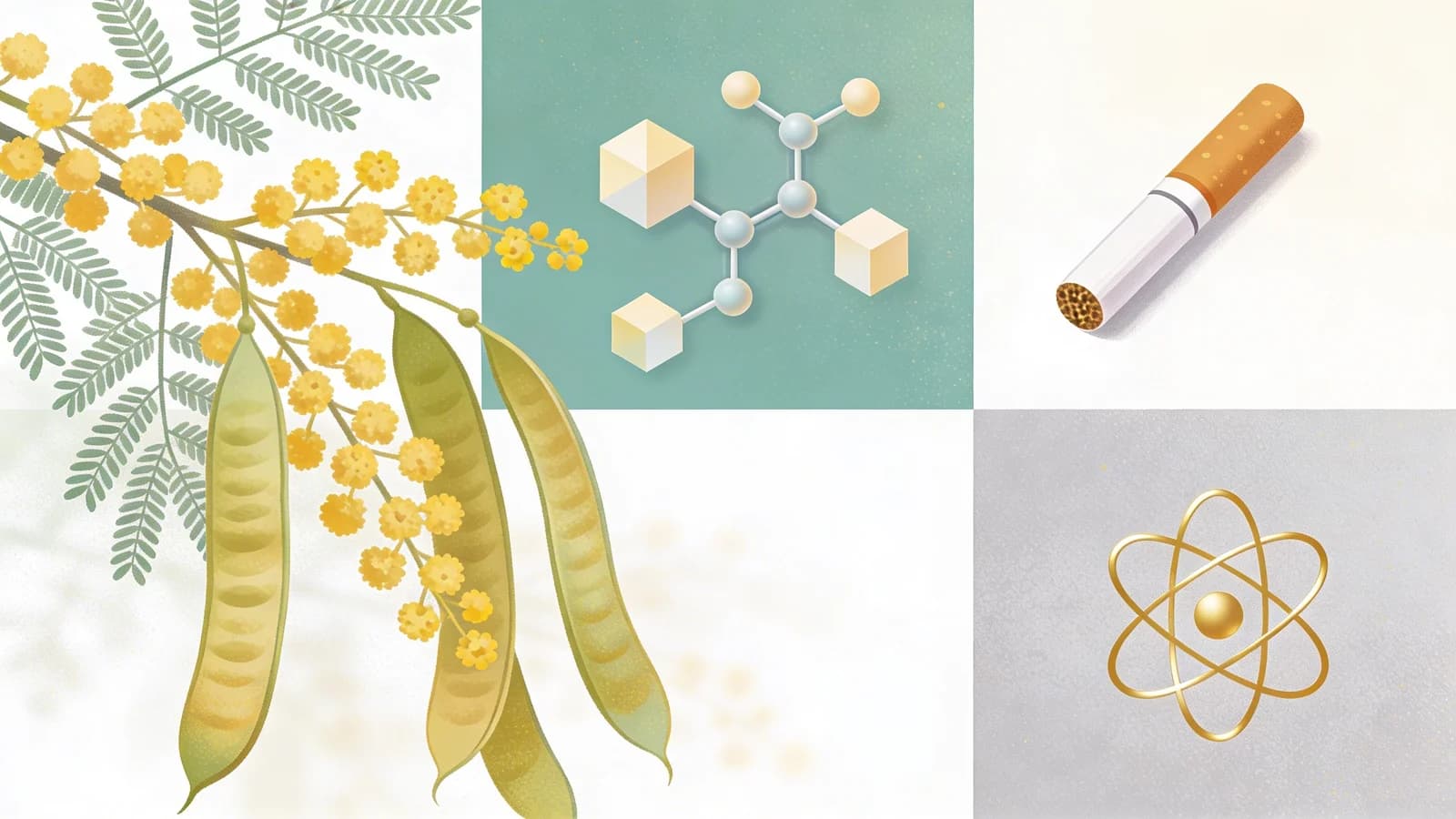
Achieve Life Sciences assembles veteran pharmaceutical leadership team from Verona Pharma ahead of FDA decision on cytisinicline, the first novel smoking cessation therapy since 2006.

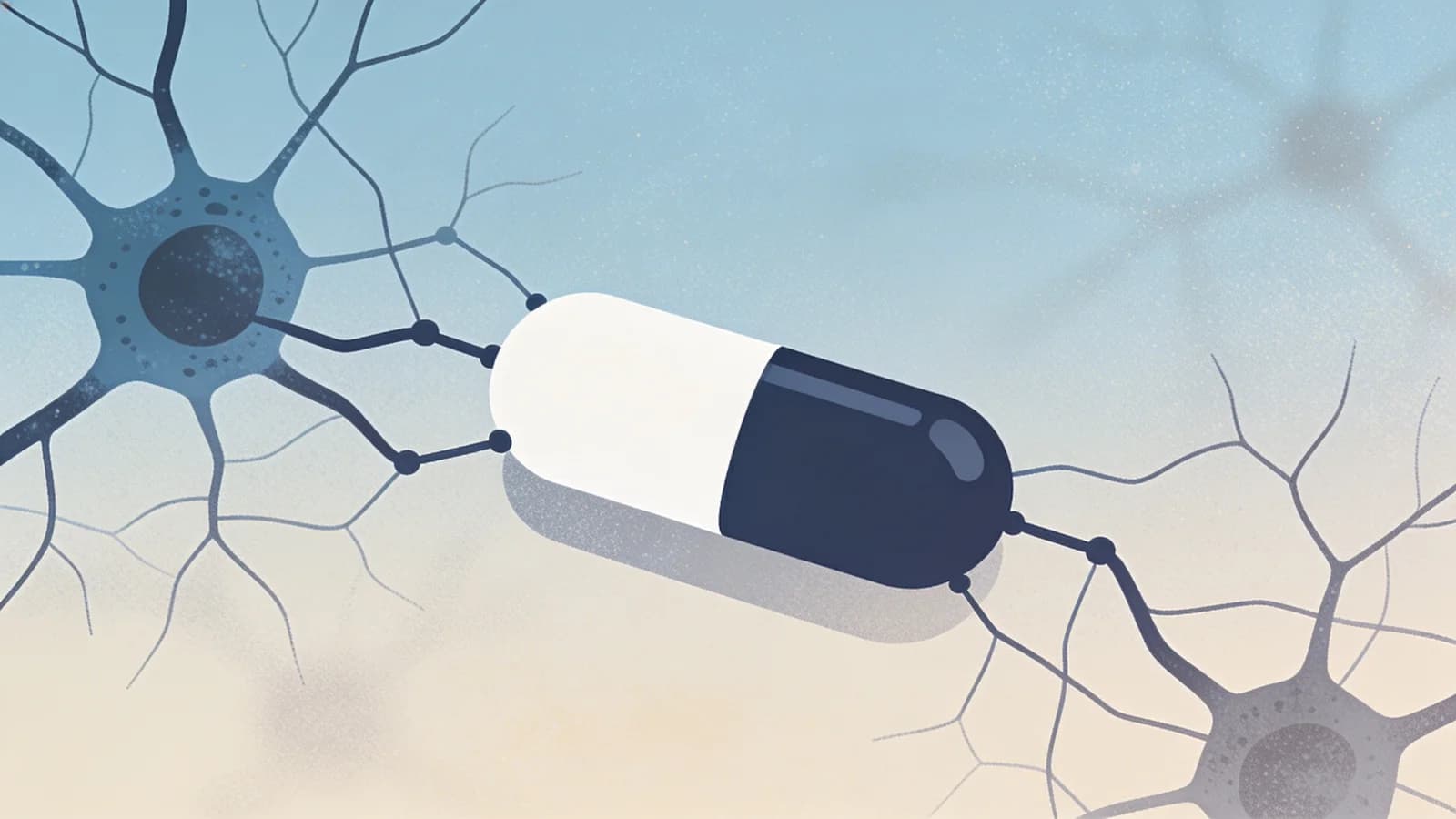
NIH-funded research reveals how oral GLP-1 medications penetrate deep into brain reward circuits, offering new pathways for treating substance use disorders beyond weight loss.

Research identifies novel mechanism where oral GLP-1 medications penetrate deep into brain's reward center, opening potential pathways for treating addiction

Tennessee becomes latest state to legalize FDA-approved ibogaine research, joining Texas and Arizona in studying the psychedelic for PTSD and opioid addiction treatment.

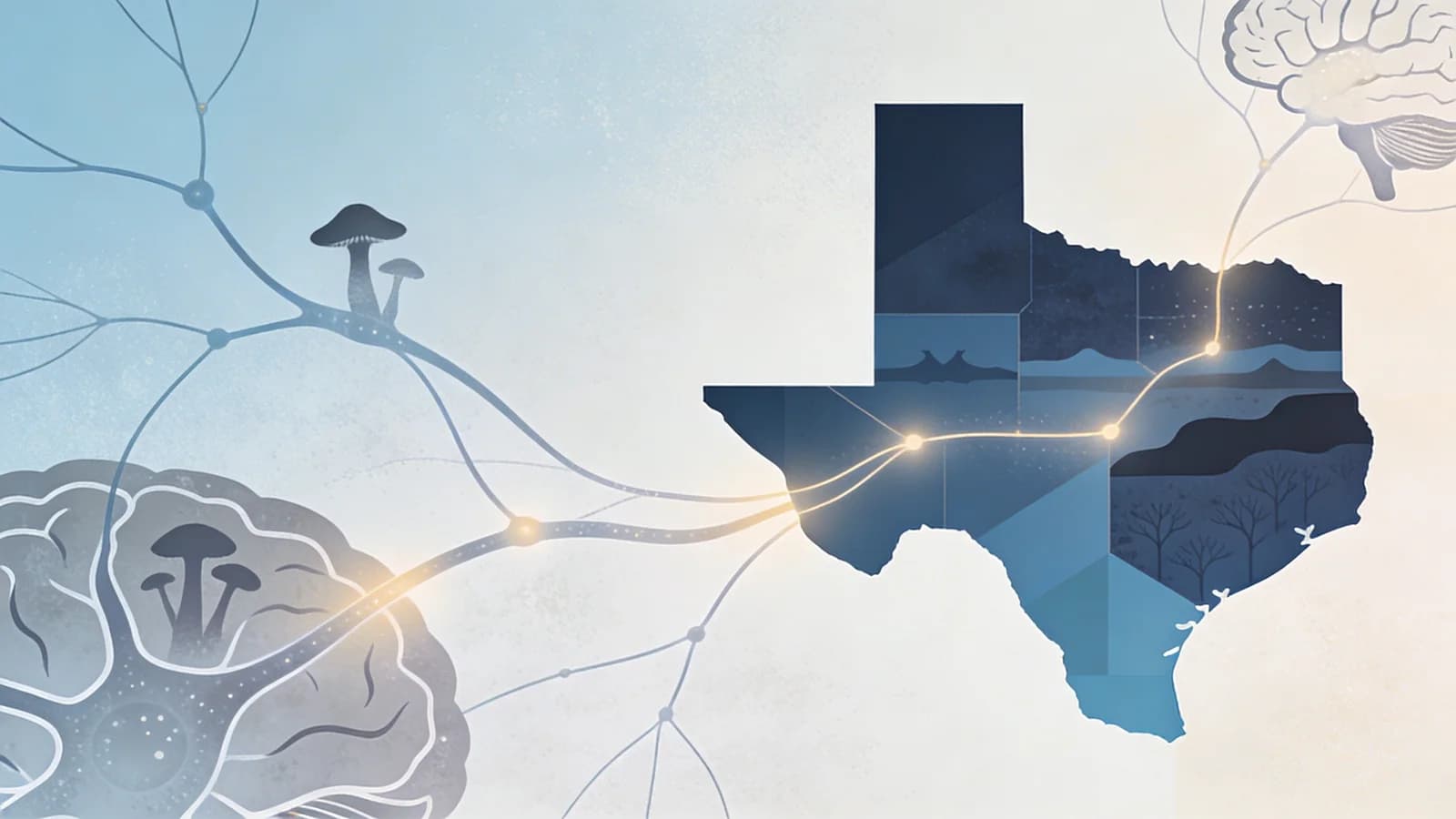
Texas is developing a medical psilocybin program to treat depression, PTSD, and substance use disorders, with support from Trump's executive order and FDA fast-tracking.

FDA grants Fast Track designation to CS-1103, a first-in-class molecule that binds and clears fentanyl from the body, potentially revolutionizing overdose treatment.

Allegheny County's innovative program uses GLP-1 medications like Ozempic and Wegovy to reduce substance use and keep parents with their children.

Despite federal relaxations, Wisconsin's restrictive methadone regulations force patients to visit clinics seven days a week, creating barriers to treatment access.

Agency accelerates regulatory action on psilocybin, methylone, and noribogaine following Trump executive order, issuing priority vouchers and clearing Phase 1 studies.

In a historic first, the FDA clears DemeRx's noribogaine hydrochloride for Phase I study, marking the first US clinical trial of an ibogaine-derived compound for addiction treatment.

Study of 600,000 U.S. veterans finds GLP-1 drugs like Ozempic and Wegovy associated with dramatic reductions in substance use disorder complications, overdoses, and deaths.

New research reveals 20% of U.S. pharmacies refuse to dispense buprenorphine, creating critical barriers to opioid addiction treatment despite federal expansion efforts.

President Trump signed an executive order accelerating psychedelic drug research, directing FDA priority vouchers, Right to Try access, and $50 million in federal-state partnerships.

New JAMA study shows Medicaid expansion significantly increased access to buprenorphine for opioid use disorder, with Oklahoma seeing 43% drop in overdose deaths.

Agency will now require only one adequate clinical trial supported by confirmatory evidence, a change officials say reflects advances in biomedical science and could accelerate development of addiction treatments.

With PDUFA date set for June 20, 2026, cytisinicline could become the first novel smoking cessation pharmacotherapy approved by FDA in nearly 20 years.