
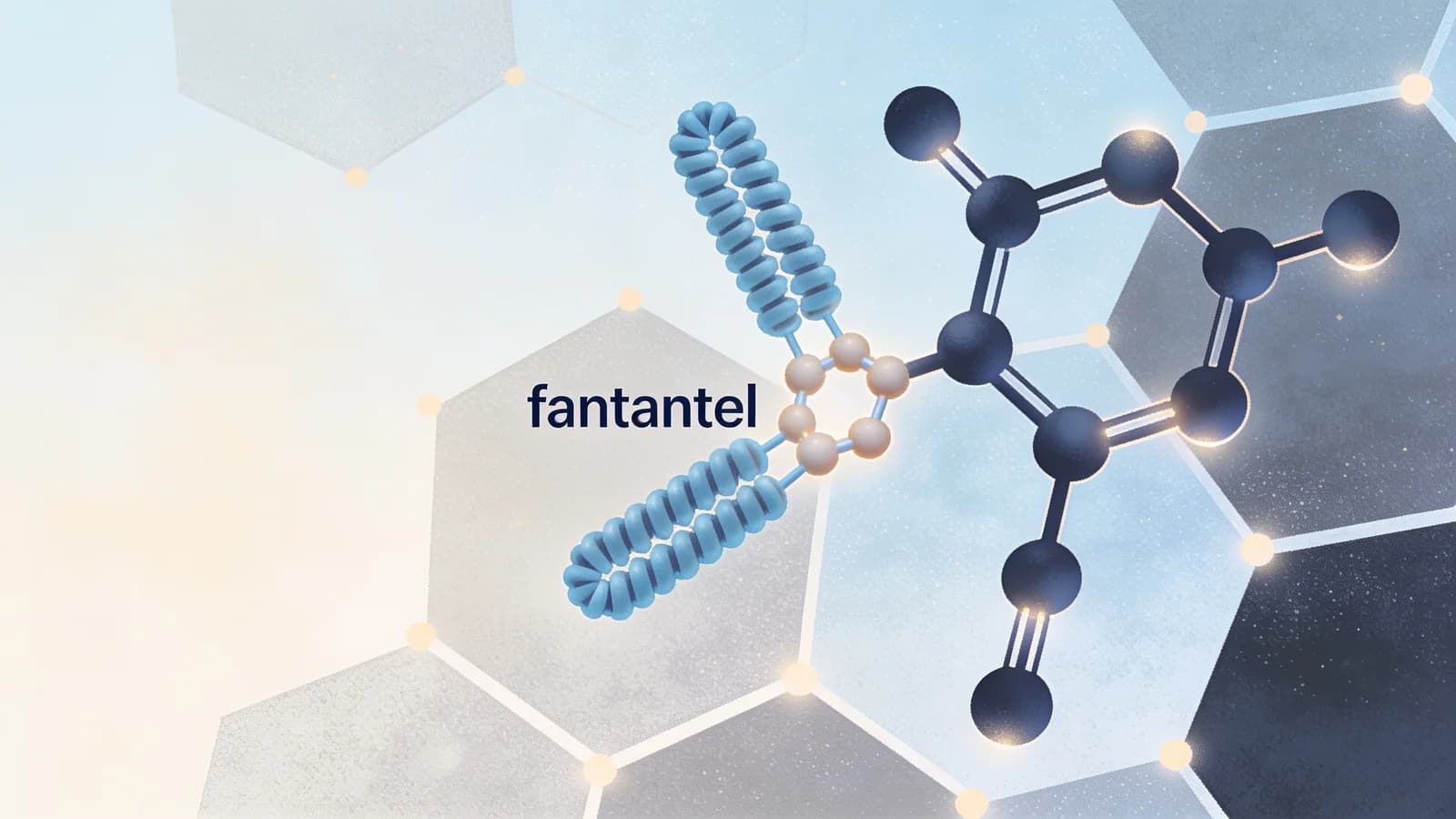
Fentanyl Vaccine Shows Promise in Early Trials, Could Block Drug Before It Reaches the Brain
The relentless toll of fentanyl has claimed more than 200,000 American lives since 2020, with the synthetic opioid now responsible for approximately 70% of all overdose deaths. Despite the expansion of medication-assisted treatment and harm reduction services, relapse remains a persistent risk for people in recovery—often triggered by unexpected exposure to the drug in an increasingly contaminated supply.
Now, researchers at Scripps Research in La Jolla, California, have developed a vaccine candidate that could fundamentally change how we approach fentanyl addiction. Published in the Journal of Medicinal Chemistry on May 12, their latest study demonstrates that the vaccine can generate antibodies that bind to fentanyl molecules, neutralizing the drug before it ever reaches the brain.
How the Vaccine Works
The science behind the vaccine draws on decades of research into immunopharmacology. Led by Dr. Kim Janda, the Ely R. Callaway Jr. Professor of Chemistry at Scripps Research, the team modified fentanyl's molecular structure to preserve its ability to trigger an immune response while reducing its capacity to produce respiratory depression—a side effect that makes fentanyl so deadly in overdose scenarios.
The modified structure is then attached to a carrier protein and administered in a series of four doses. The immune system responds by producing antibodies specifically designed to recognize and bind to fentanyl molecules circulating in the bloodstream.
"The intent is to block both the good and the bad of fentanyl so the brain gets no reward from taking the drug," explained research associate Arran Stewart, the study's first author. When antibodies bind to fentanyl, the resulting complex is too large to cross the blood-brain barrier. The drug cannot trigger the dopamine surge that produces euphoria, nor can it cause the respiratory depression that leads to overdose death.
A Moving Target: Designer Fentanyl Analogs
One of the most innovative aspects of the Scripps approach addresses a significant challenge in fentanyl vaccine development: the constant evolution of illicit fentanyl analogs. As law enforcement and public health authorities have cracked down on specific formulations, clandestine manufacturers have responded by making small molecular alterations that preserve potency while evading detection.
"Nowadays, while there's fentanyl out there, they're making small alterations to subvert detection," Dr. Janda noted. "My idea was instead of always making a new vaccine against a new fentanyl analog, let's try to make something that can create an immune response that would basically track down what the cartels are doing."
The key insight, explained Stewart, is that certain structural elements of fentanyl cannot be changed without destroying the drug's effectiveness. "There are certain parts of it that they will have to keep consistent. Because of that, we were able to create something that recognized the 'molecular fingerprints' of all these different compounds that would classify them as fentanyl class compounds."
This broad-spectrum approach could give the vaccine staying power even as the illicit drug supply continues to evolve—a crucial advantage in an arms race where public health interventions often lag behind underground chemistry.
Who Would Benefit
The researchers are clear about the intended population for this vaccine. It is not designed for universal administration like childhood vaccines against measles or polio. Instead, it targets a specific high-risk group: people in recovery from opioid use disorder who face elevated risk of relapse.
"It's not a vaccine you would want to give a six-month-old when you get your MMR vaccine—it's absolutely nothing like that," Stewart emphasized. "But if you are especially a recovering addict or something like that, or just in life, if you're in a place where you're more likely to start taking again, this is more protective."
For people who have achieved stability through medication-assisted treatment but worry about relapse triggered by unexpected fentanyl exposure, the vaccine could provide an additional layer of protection. It would not replace existing treatments like buprenorphine or methadone, but rather complement them as a harm reduction strategy.
The Road Ahead: From Mice to Humans
The current study was conducted in mice, a standard first step in vaccine development. The results were promising: vaccinated mice produced antibodies that effectively bound fentanyl, and the researchers observed the expected neutralization of drug effects.
However, the path from mouse studies to human approval is long and uncertain. Vaccines for addiction face unique regulatory and ethical challenges. Unlike vaccines against infectious diseases, which prevent conditions most people want to avoid, addiction vaccines must navigate complex questions about autonomy, coercion, and the nature of substance use disorders.
The Scripps team will need to demonstrate safety and efficacy in larger animal models before advancing to human clinical trials. If those trials proceed, they will likely focus first on safety and antibody response in healthy volunteers, followed by studies in people with opioid use disorder to assess whether the vaccine actually reduces relapse rates or overdose risk in real-world conditions.
A Broader Context: Multiple Approaches to a Complex Crisis
The fentanyl vaccine represents one strand in a growing web of scientific responses to the opioid crisis. Other researchers are developing small-molecule medications that modulate the brain's reward pathways without producing addiction. GLP-1 receptor agonists like semaglutide, originally developed for diabetes and obesity, have shown unexpected promise in reducing cravings and substance use across multiple drug classes. New formulations of existing medications, like extended-release buprenorphine injections, are making treatment more accessible and reducing the burden of daily dosing.
What distinguishes the vaccine approach is its potential for long-lasting protection with minimal ongoing effort from the patient. Unlike daily medications that require adherence and access to healthcare, a vaccine could provide months of protection after a brief series of injections. For people whose lives have been destabilized by addiction, this low-maintenance approach could be particularly valuable.
The Scripps Research team continues to refine their vaccine candidate, working to optimize the antibody response and extend its duration. They are also exploring whether similar approaches could work for other addictive substances, potentially opening new avenues for preventing relapse across the spectrum of substance use disorders.
For now, the vaccine remains experimental—a promising proof of concept rather than an available treatment. But in a field where innovation has often lagged behind need, the possibility of immunological protection against fentanyl offers a glimpse of a future where relapse becomes less deadly and recovery becomes more sustainable.
Sources
Editorial Board
LADC, LCPC, CASAC
The Rainier Rehab editorial team consists of licensed addiction counselors, healthcare journalists, and recovery advocates dedicated to providing accurate, evidence-based information about substance abuse treatment and rehabilitation.
Related Articles
Orphines and Cychlorphine: The Next Wave of Synthetic Opioids Threatening to Reverse Overdose Declines
As overdose deaths finally begin to fall, a new class of ultra-potent synthetic opioids is emerging in the US drug supply, presenting unprecedented challenges for detection and treatment.

How GLP-1 Drugs Rewire the Brain's Reward System: New NIH Study Opens Door to Addiction Treatment
NIH-funded research reveals how oral GLP-1 medications penetrate deep into brain reward circuits, offering new pathways for treating substance use disorders beyond weight loss.
Street-Based Mobile Addiction Services Reach Thousands Previously Disconnected From Care
Mass General Brigham study shows mobile clinics can effectively deliver buprenorphine and harm reduction services to people who use drugs, with 15% retention at 6 months