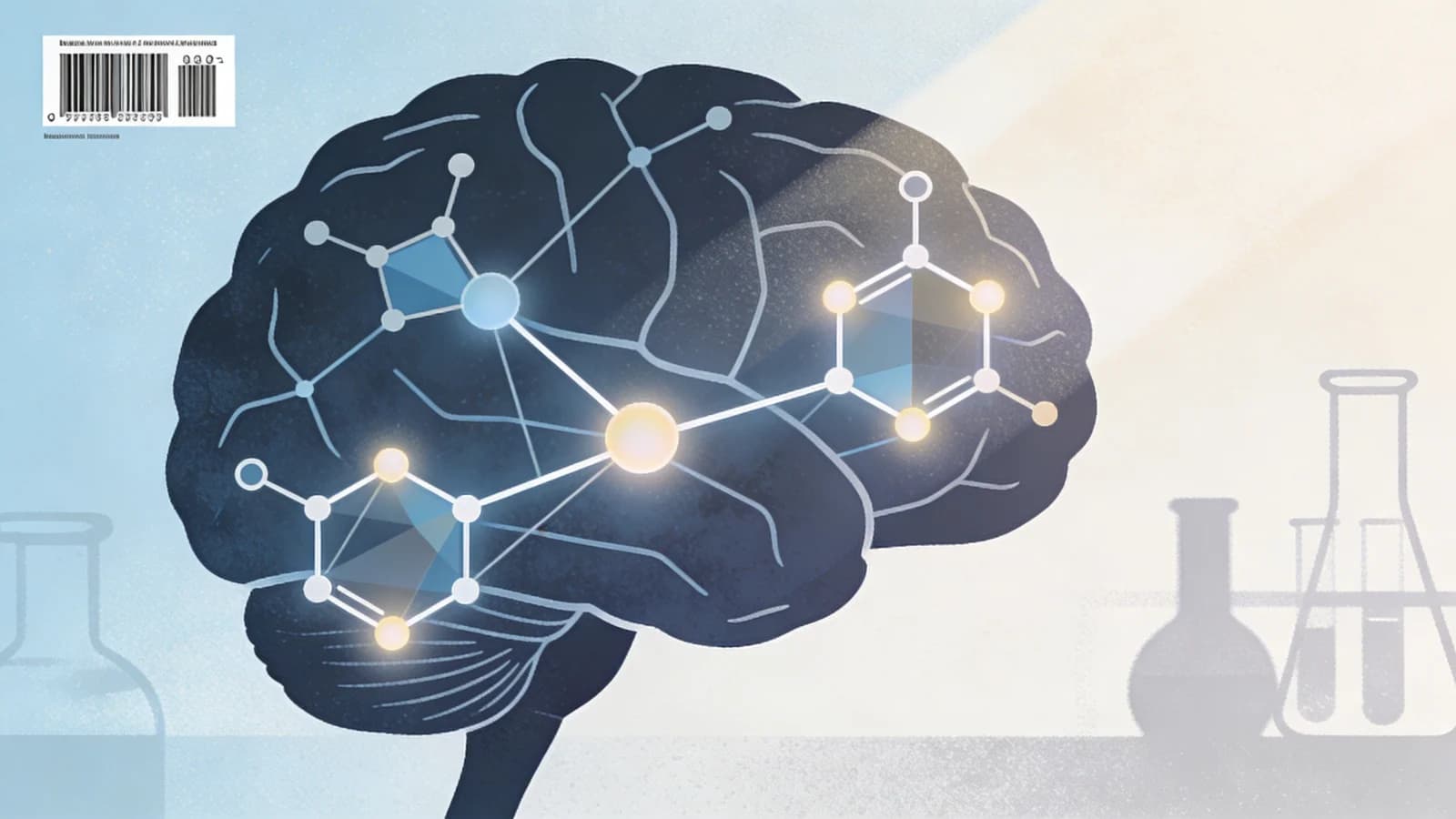
Major Lancet Study Finds Cannabis Legalization Increases Addiction When Commercialized
Landmark global analysis reveals decriminalization doesn't raise use, but for-profit markets drive higher addiction rates and more potent products.
24 articles found
Browse Rainier Rehab's editorial coverage of Substance use disorder. Our writers track federal and state policy, peer-reviewed research, treatment innovations, and frontline reporting from the addiction recovery field. Each article in this collection cites primary sources — government datasets (SAMHSA, NIH, CDC), Medicaid and Medicare bulletins, JAMA and Lancet studies, and on-the-record statements from clinicians, regulators, and people in recovery — so readers can verify claims and dig deeper.
We update this tag whenever new substance use disorder reporting publishes. If you're a researcher, journalist, or family member trying to make sense of substance use disorder treatment, this is the working archive. For a directory of accredited treatment facilities, visit our facilities directory; to compare modalities, see our treatments overview and levels of care guide.


Landmark global analysis reveals decriminalization doesn't raise use, but for-profit markets drive higher addiction rates and more potent products.

HHS Secretary Robert F. Kennedy Jr. unveils major funding package emphasizing faith-based recovery programs and evidence-based treatment for vulnerable populations.

University of Southern California receives funding to launch its first clinical study of psilocybin-assisted therapy combined with mindfulness meditation for mental well-being.

A randomized quadruple-blind trial found psilocybin-assisted therapy achieved 30% complete abstinence at 180 days vs 0% with placebo, with 72% reduced relapse risk.

New UCLA research finds that California adolescents using drugs or alcohol face triple the suicide risk, with nearly half experiencing serious psychological distress.

New research on 600,000+ veterans reveals GLP-1 drugs like Ozempic and Wegovy significantly reduce substance use disorders across alcohol, opioids, cocaine, and nicotine.
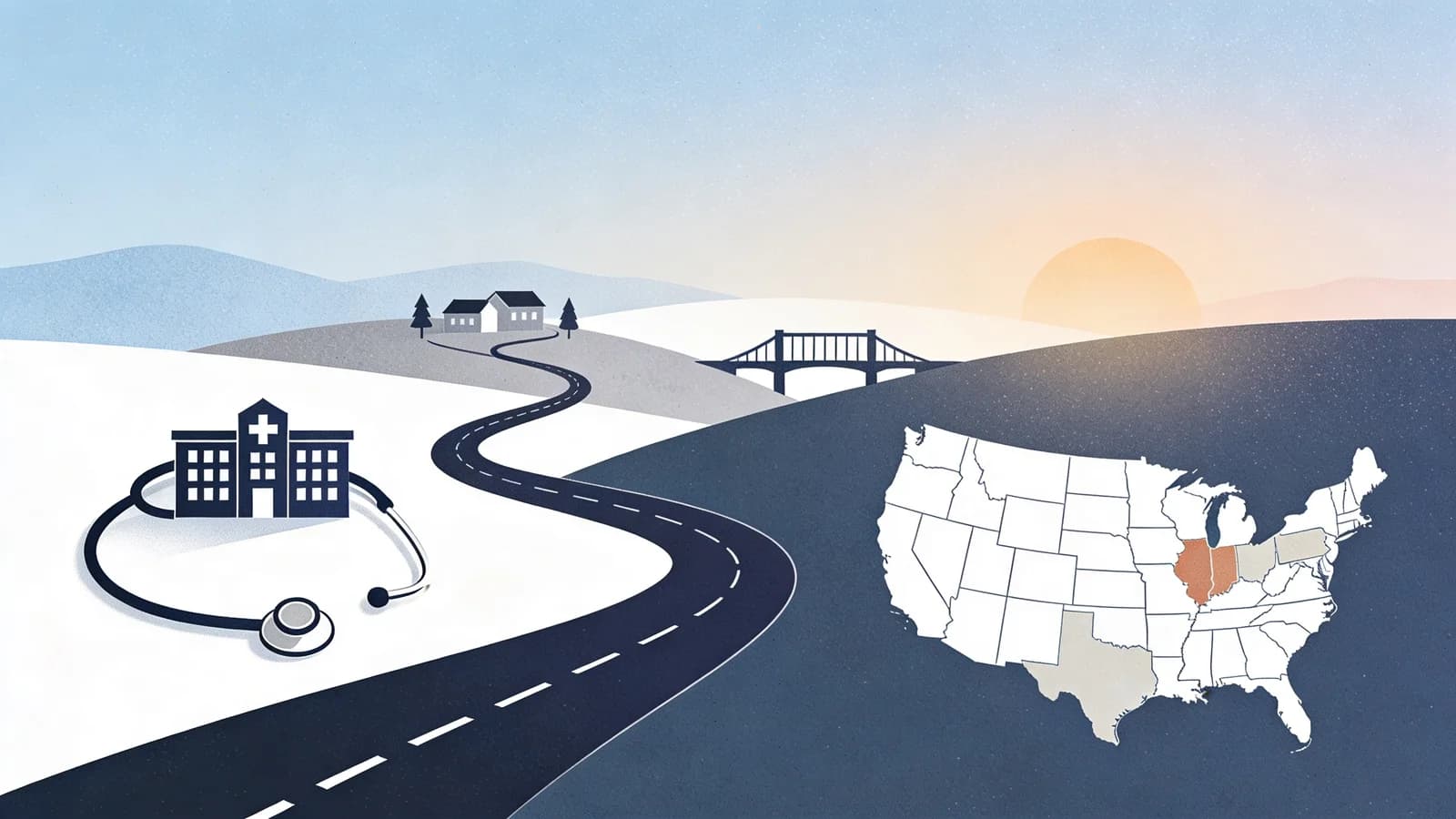
DEA announces intent to temporarily place 7-hydroxymitragynine and related synthetic kratom compounds in Schedule I, targeting enhanced products while preserving natural leaf access.
New research reveals GLP-1 medications like Ozempic and Wegovy may significantly reduce opioid overdoses and alcohol intoxication rates.

Research finds semaglutide combined with cognitive behavioral therapy reduces alcohol cravings more than therapy alone, suggesting new approach to addiction treatment

State insurance regulators find Aetna, Anthem, Cigna, ConnectiCare, and UnitedHealthcare systematically underpaid mental health providers and restricted access to care.

Researchers create a new class of compounds that activate serotonin receptors linked to brain healing without causing hallucinations, potentially opening addiction treatment to broader populations.

First randomized double-blind study in Sweden finds psilocybin provides clinically meaningful depression relief within days, with 53% remission rate at six weeks.

UC San Francisco and Imperial College London researchers discover that one 25mg dose of psilocybin creates measurable anatomical brain changes lasting at least a month.

Achieve Life Sciences assembles veteran pharmaceutical leadership team from Verona Pharma ahead of FDA decision on cytisinicline, the first novel smoking cessation therapy since 2006.

NIH-funded research reveals how oral GLP-1 medications penetrate deep into brain reward circuits, offering new pathways for treating substance use disorders beyond weight loss.

American Hospital Association urges federal investment in loan repayment and training programs to address severe provider shortages affecting 75% of rural health professional shortage areas.

Allegheny County's innovative program uses GLP-1 medications like Ozempic and Wegovy to reduce substance use and keep parents with their children.

New research reveals 40% of Americans face mental health provider shortages, with rural and low-income communities hardest hit. States respond with loan repayment programs, pipeline initiatives, and data-driven workforce planning.

Togus VA Medical Center opens Maine's first residential substance use disorder program for veterans, ending years of out-of-state travel for inpatient care.

New transparency tool reveals patients face 24-83% fewer in-network options for mental health care, while clinicians earn 16-59% less than physical health providers.

New Pew research reveals 40% of Americans face provider shortages, with rural counties three times more likely to lack psychologists. States respond with loan repayment and pipeline programs.

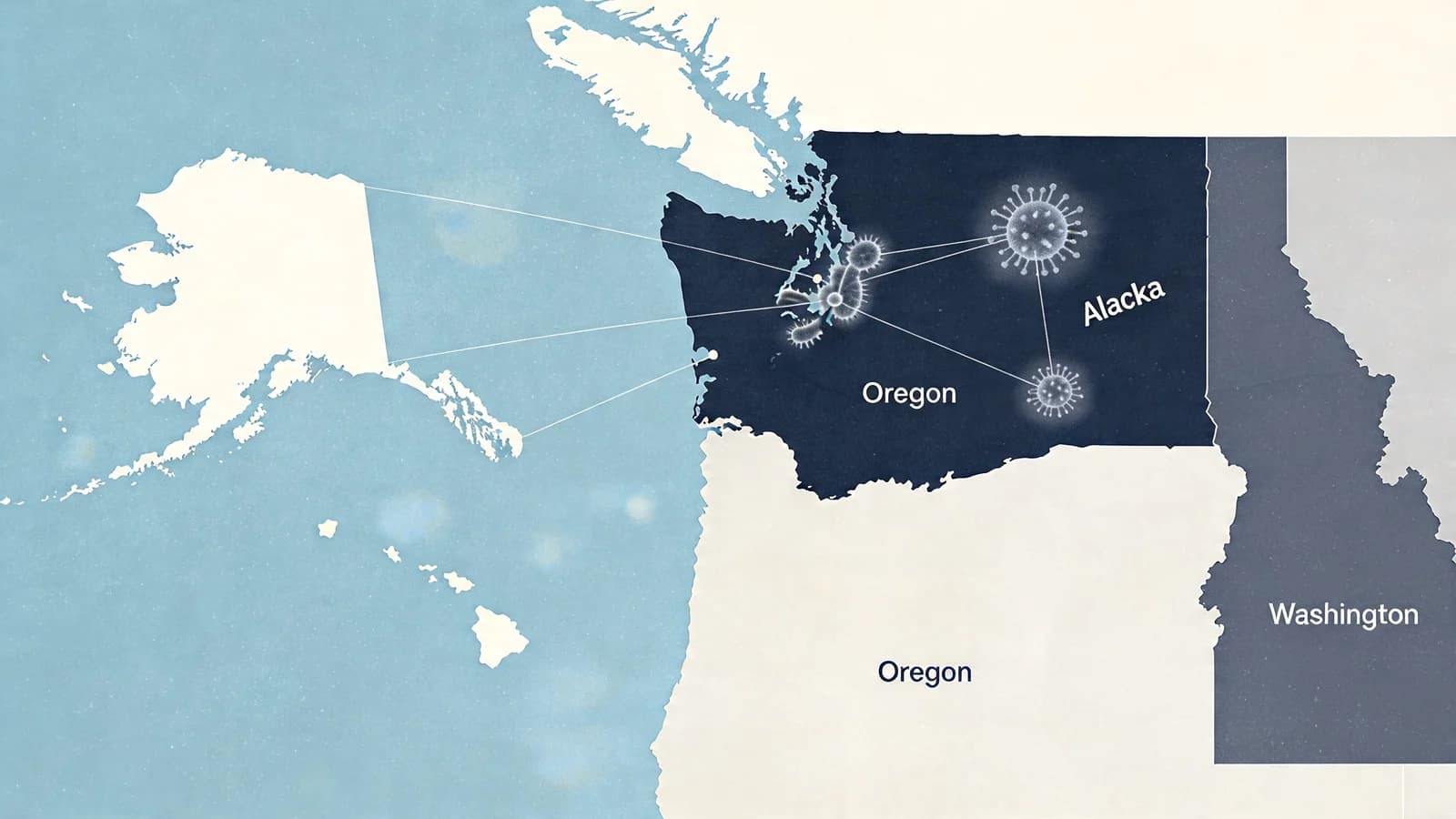
CDC MMWR report reveals 44 cases of invasive Haemophilus influenzae type b disease in Alaska, Oregon, and Washington, predominantly affecting adults using substances or experiencing homelessness.

ONDCP, SAMHSA, and HUD launch two-day summit to develop national toolkit for treating substance use disorders among homeless populations.

New clinical criteria establish age-specific guidelines for patients under 18 and transition-aged youth 16-25, emphasizing family involvement and developmentally appropriate care.