
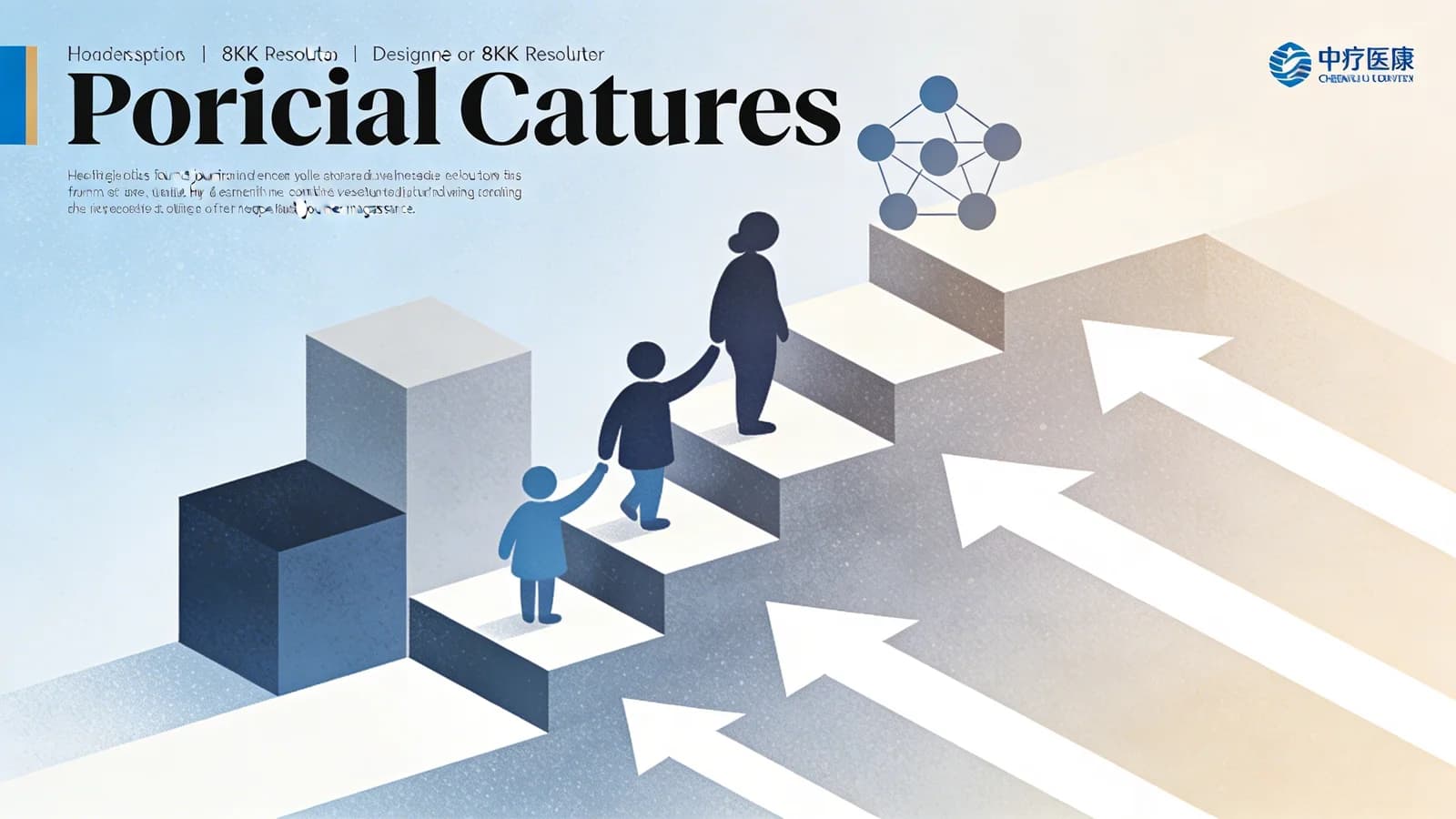
ASAM Issues First Addiction Treatment Standards for Youth
The American Society of Addiction Medicine has released the first comprehensive set of treatment standards specifically designed for adolescents under 18 and transition-aged youth between 16 and 25 with substance use disorder, addressing a long-standing gap in clinical guidance for one of the most vulnerable patient populations.
The new Adolescents and Transition-Aged Youth Volume, announced in late March 2026, provides clinicians with age-specific assessment criteria, service definitions, and level-of-care standards tailored to the developmental, social, and family contexts unique to young people—marking a significant departure from the adult-centered frameworks that have traditionally dominated addiction treatment.
New Standards for Young Patients
The ASAM Criteria have long served as the gold standard for matching patients to appropriate levels of substance use disorder care, guiding treatment placement decisions for millions of Americans. But until now, the criteria were primarily designed for adults, with limited adaptation for adolescent brain development, family dynamics, and the unique challenges faced by young people navigating early recovery.
The new volume establishes standardized multidimensional assessments that evaluate not only a patient's medical and psychological needs, but also family relationships, school or work engagement, trauma history, and peer influences—factors that are particularly critical during adolescence and early adulthood. Treatment plans are designed to be both family-driven and youth-guided, recognizing that young patients require developmentally appropriate interventions that balance parental involvement with age-appropriate autonomy.
One of the key innovations is the explicit inclusion of transition-aged youth—a population that often falls through the cracks of both adolescent and adult treatment systems. Young people between 16 and 25 are in a period of rapid neurological, social, and identity development, yet they frequently receive services designed for either teenagers or fully independent adults. The new standards define service characteristics for each level of care specifically tailored to this population, including outpatient counseling, intensive outpatient programs, residential treatment, and medically monitored inpatient care.
Family-Centered, Developmentally Appropriate Care
A central theme throughout the new criteria is the integration of family-based interventions. Research has consistently shown that family involvement is one of the strongest predictors of positive outcomes in adolescent substance use treatment, yet many programs continue to treat young patients in isolation from their home environments. The ASAM standards now explicitly require assessment of family functioning and incorporation of family therapy and caregiver support into treatment planning.
The criteria also emphasize trauma-informed care, recognizing that adverse childhood experiences, abuse, and neglect are disproportionately common among adolescents with substance use disorders. Screening for trauma and co-occurring mental health conditions—including depression, anxiety, ADHD, and eating disorders—is now a mandatory component of the multidimensional assessment.
For transition-aged youth, the standards acknowledge the importance of educational and vocational support. Many young adults with substance use disorder face disrupted schooling, lack of job skills, and unstable housing. The new criteria call for integration of educational services, job training, and peer recovery support programs into treatment plans, reflecting a holistic approach to recovery that extends beyond abstinence to include stability, purpose, and community connection.
ASAM has indicated that a corresponding adolescent assessment tool will be developed following the release of the standards, providing clinicians with a structured instrument to implement the new criteria in practice. The organization has emphasized that comprehensive implementation requires adoption across all components of care—assessment, decision rules for level-of-care matching, and service delivery standards—to ensure that young patients receive consistent, evidence-based treatment regardless of where they seek help.
The release comes amid growing recognition that adolescent substance use is a distinct clinical entity requiring specialized approaches. Brain imaging studies have shown that the adolescent prefrontal cortex—the region responsible for impulse control, decision-making, and risk assessment—is not fully developed until the mid-20s, making young people both more vulnerable to addiction and more responsive to intervention when treatment is appropriately tailored.
For providers, payers, and policymakers, the new ASAM standards offer a roadmap for building youth-specific treatment infrastructure. For the estimated 1.3 million adolescents and young adults in the United States who meet criteria for substance use disorder, they represent a long-overdue recognition that effective treatment begins with understanding the unique needs of youth—and designing care systems that meet them where they are.
Sources
Editorial Board
LADC, LCPC, CASAC
The Rainier Rehab editorial team consists of licensed addiction counselors, healthcare journalists, and recovery advocates dedicated to providing accurate, evidence-based information about substance abuse treatment and rehabilitation.
Related Articles

One in Nine Older Adults Who Use Cannabis Meet Criteria for a Disorder. Nobody Is Screening Them.
A UC San Diego study of 21,189 adults over 65 finds 11.4% of past-year cannabis users meet criteria for cannabis use disorder. Clinicians rarely ask.

The Breath as Medicine: How Controlled Breathing exercises Can Reduce Drug and Alcohol Cravings
New systematic review finds controlled breathing techniques significantly reduce cravings across substance use disorders, offering accessible tool for recovery.
Major Lancet Study Finds Cannabis Legalization Increases Addiction When Commercialized
Landmark global analysis reveals decriminalization doesn't raise use, but for-profit markets drive higher addiction rates and more potent products.