Major Lancet Study Finds Cannabis Legalization Increases Addiction When Commercialized
Landmark global analysis reveals decriminalization doesn't raise use, but for-profit markets drive higher addiction rates and more potent products.
46 articles found
Browse Rainier Rehab's editorial coverage of Treatment access. Our writers track federal and state policy, peer-reviewed research, treatment innovations, and frontline reporting from the addiction recovery field. Each article in this collection cites primary sources — government datasets (SAMHSA, NIH, CDC), Medicaid and Medicare bulletins, JAMA and Lancet studies, and on-the-record statements from clinicians, regulators, and people in recovery — so readers can verify claims and dig deeper.
We update this tag whenever new treatment access reporting publishes. If you're a researcher, journalist, or family member trying to make sense of substance use disorder treatment, this is the working archive. For a directory of accredited treatment facilities, visit our facilities directory; to compare modalities, see our treatments overview and levels of care guide.

Landmark global analysis reveals decriminalization doesn't raise use, but for-profit markets drive higher addiction rates and more potent products.

HHS Secretary Robert F. Kennedy Jr. unveils major funding package emphasizing faith-based recovery programs and evidence-based treatment for vulnerable populations.

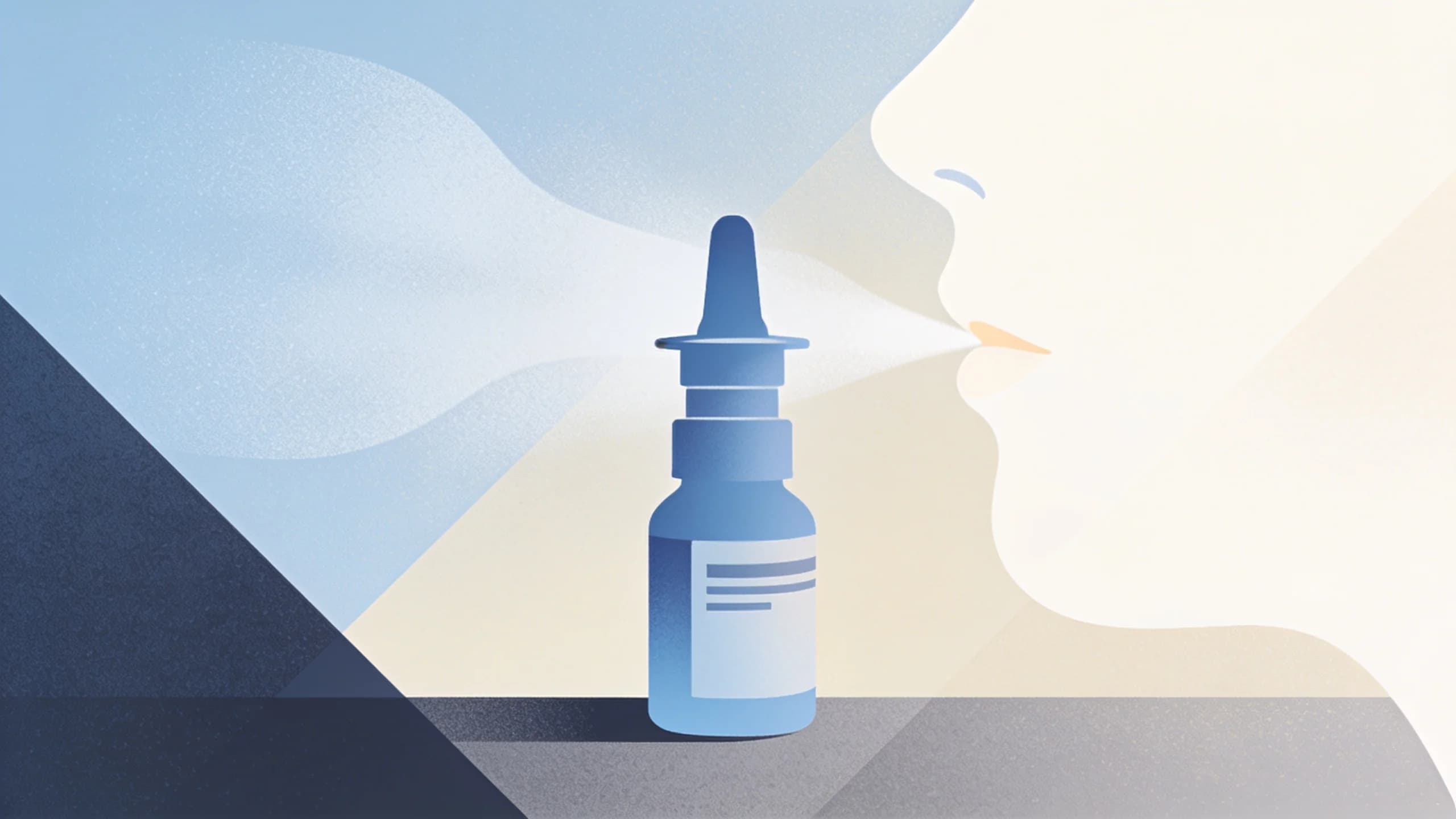
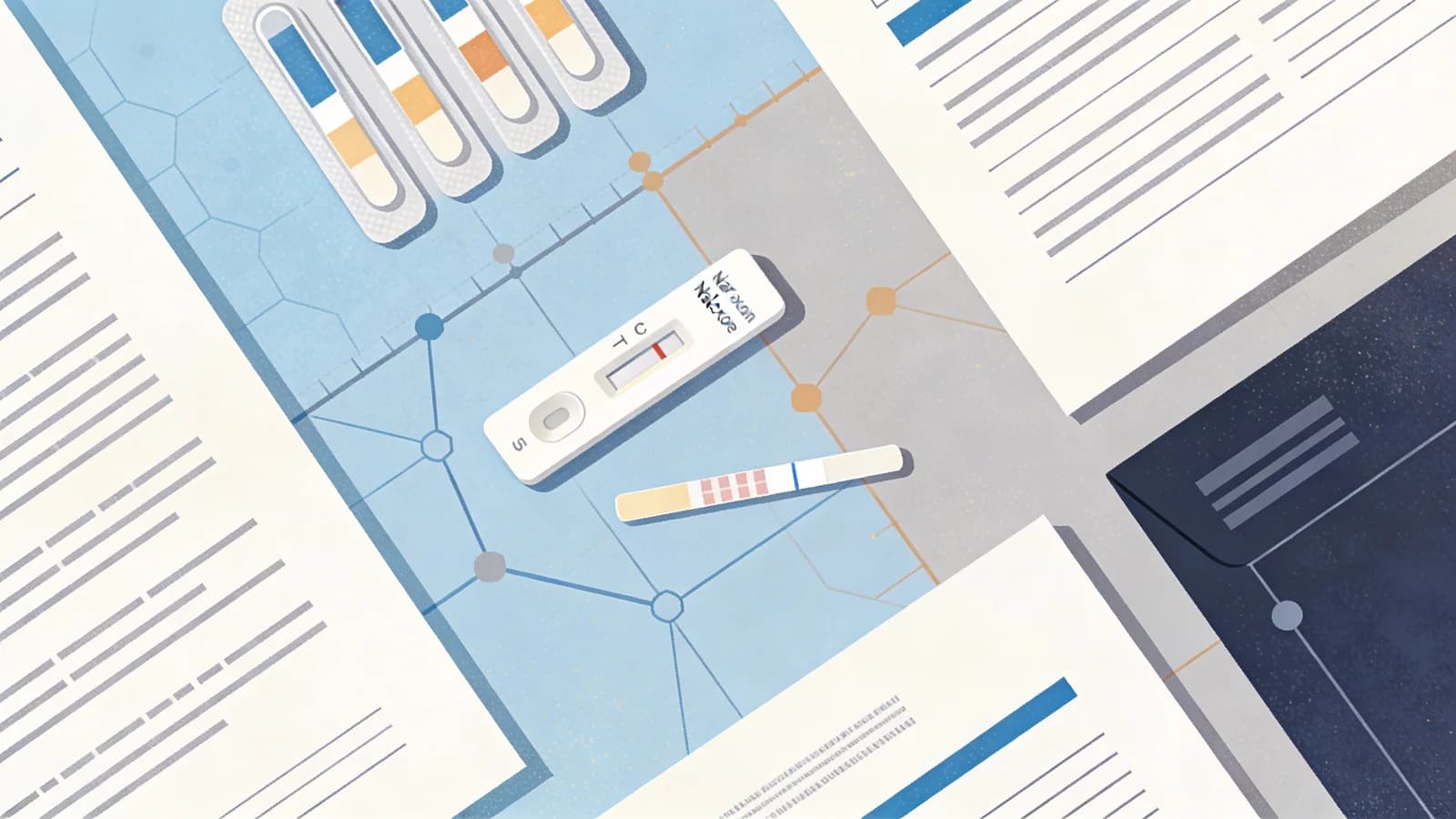
FDA approves Rextovy, a new OTC naloxone nasal spray, broadening access to opioid overdose reversal medication as part of the Great American Recovery Initiative.
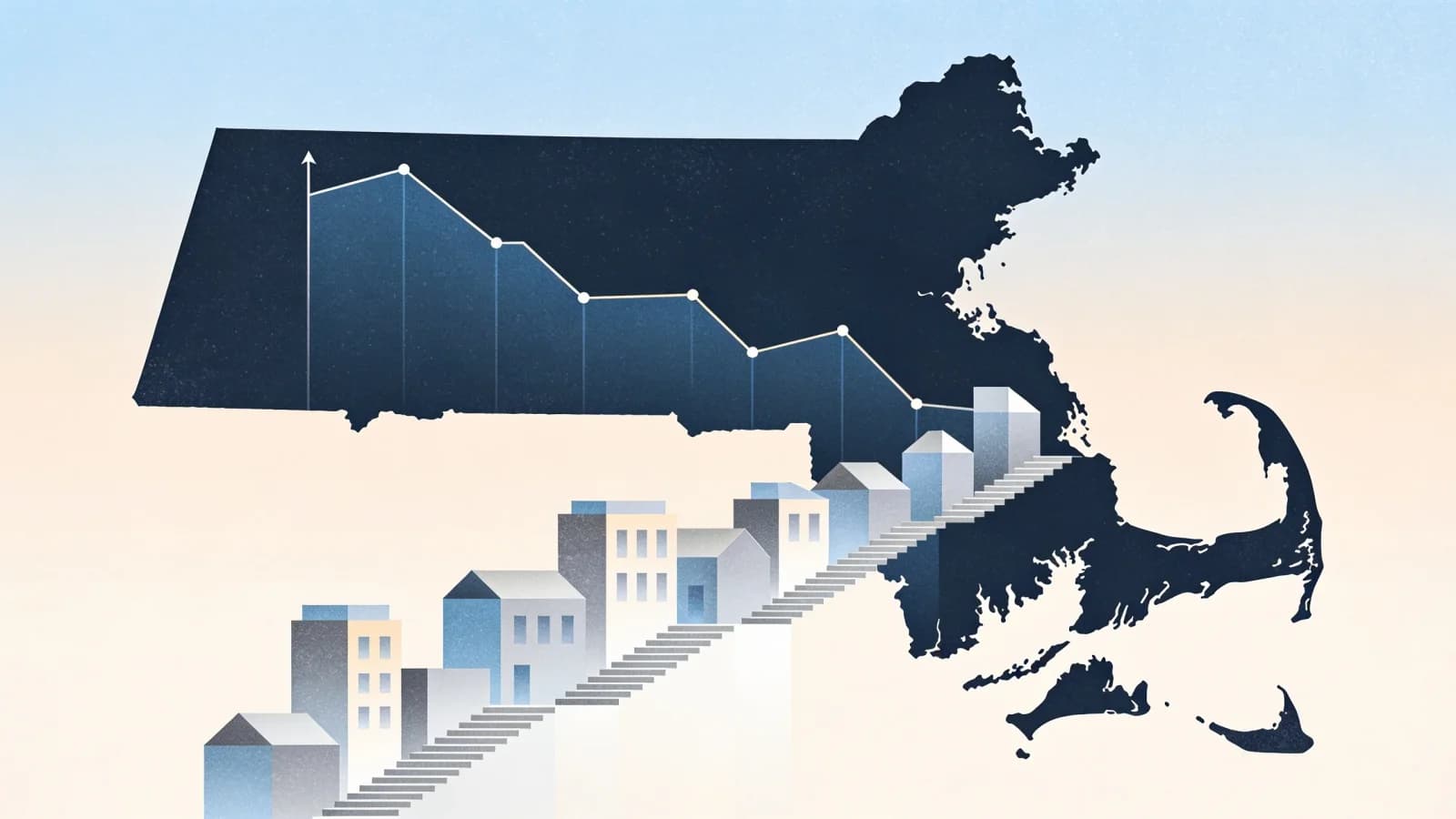
For the first time since 2013, Massachusetts recorded fewer than 1,000 opioid-related overdose deaths in 2025, marking a nearly 60% decline from the 2022 peak.

A randomized quadruple-blind trial found psilocybin-assisted therapy achieved 30% complete abstinence at 180 days vs 0% with placebo, with 72% reduced relapse risk.

Baltimore County unveils a transparent online dashboard allowing residents to monitor how opioid settlement funds are being used to combat the addiction crisis.

New UCLA research finds that California adolescents using drugs or alcohol face triple the suicide risk, with nearly half experiencing serious psychological distress.

Landmark UC San Diego study reveals first decline in all four waves of overdose epidemic, driven by falling fentanyl deaths, while stimulant-related fatalities continue rising.

The Virginia Harm Reduction Coalition deploys distinctive purple dispensing boxes across Southwest Virginia, making life-saving naloxone freely available in communities with some of the state's highest overdose rates.

Nonprofit organizations across the US received termination letters canceling SAMHSA grants that fund overdose prevention, naloxone distribution, and recovery support services.

Senators Markey and Paul reintroduce legislation to expand methadone access by allowing board-certified addiction specialists to prescribe the medication for pharmacy pickup.

Landmark Canadian study shows take-home naloxone kits prevented nearly 4 in 5 fatal overdoses from 2019-2024, offering evidence for harm reduction strategies

CDC provisional data shows 69,147 predicted overdose deaths for the 12 months ending January 2026, a 13.2% decline as naloxone access and treatment expansion show measurable impact.

Virginia Opioid Abatement Authority announces largest funding round to date, supporting prevention, treatment, recovery and harm reduction initiatives across the Commonwealth.

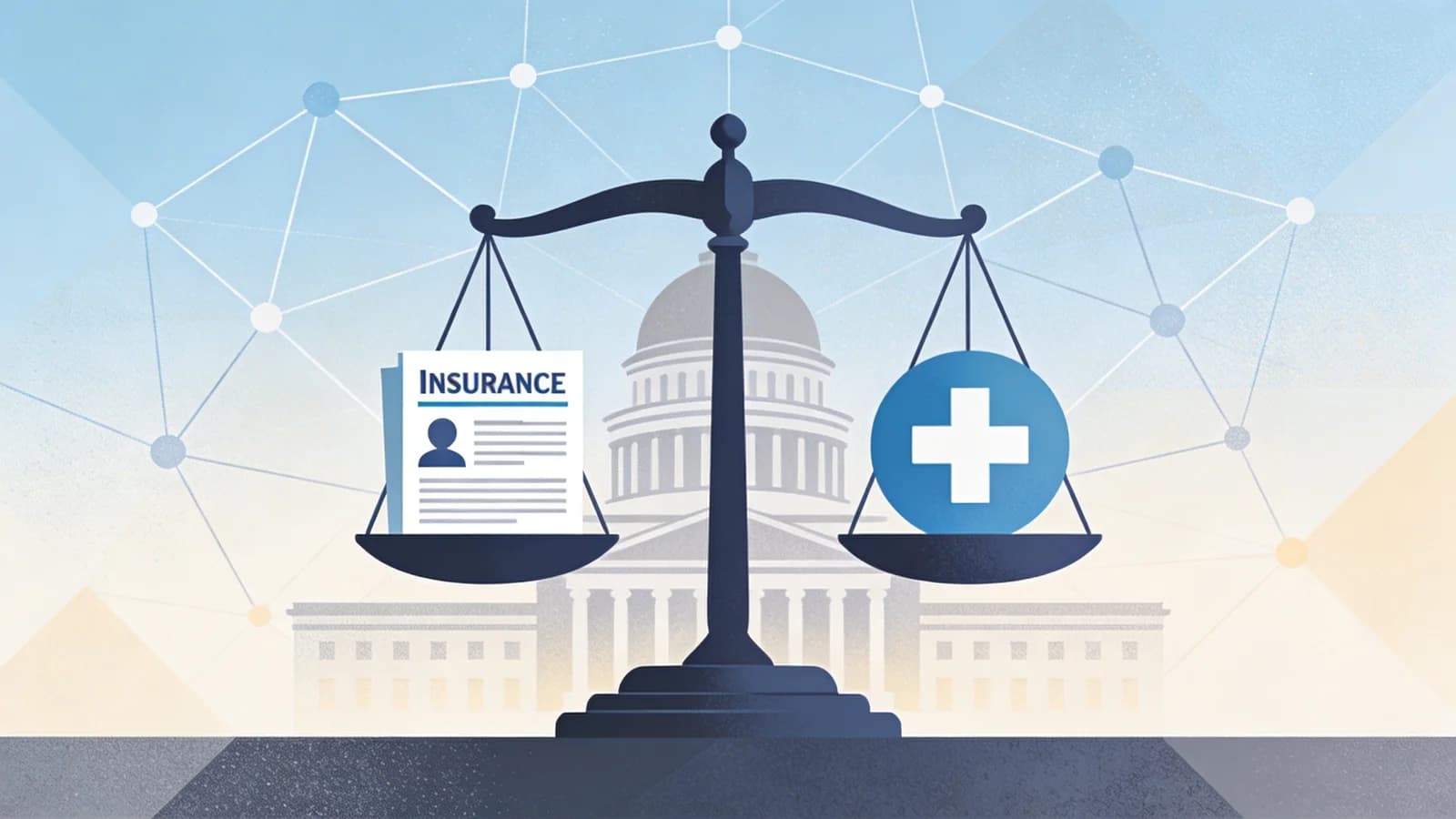
State insurance regulators find Aetna, Anthem, Cigna, ConnectiCare, and UnitedHealthcare systematically underpaid mental health providers and restricted access to care.

Senate Bill 249 decriminalizes drug paraphernalia possession and expands sterile supply distribution, sparking disagreement over public safety and addiction treatment approaches.

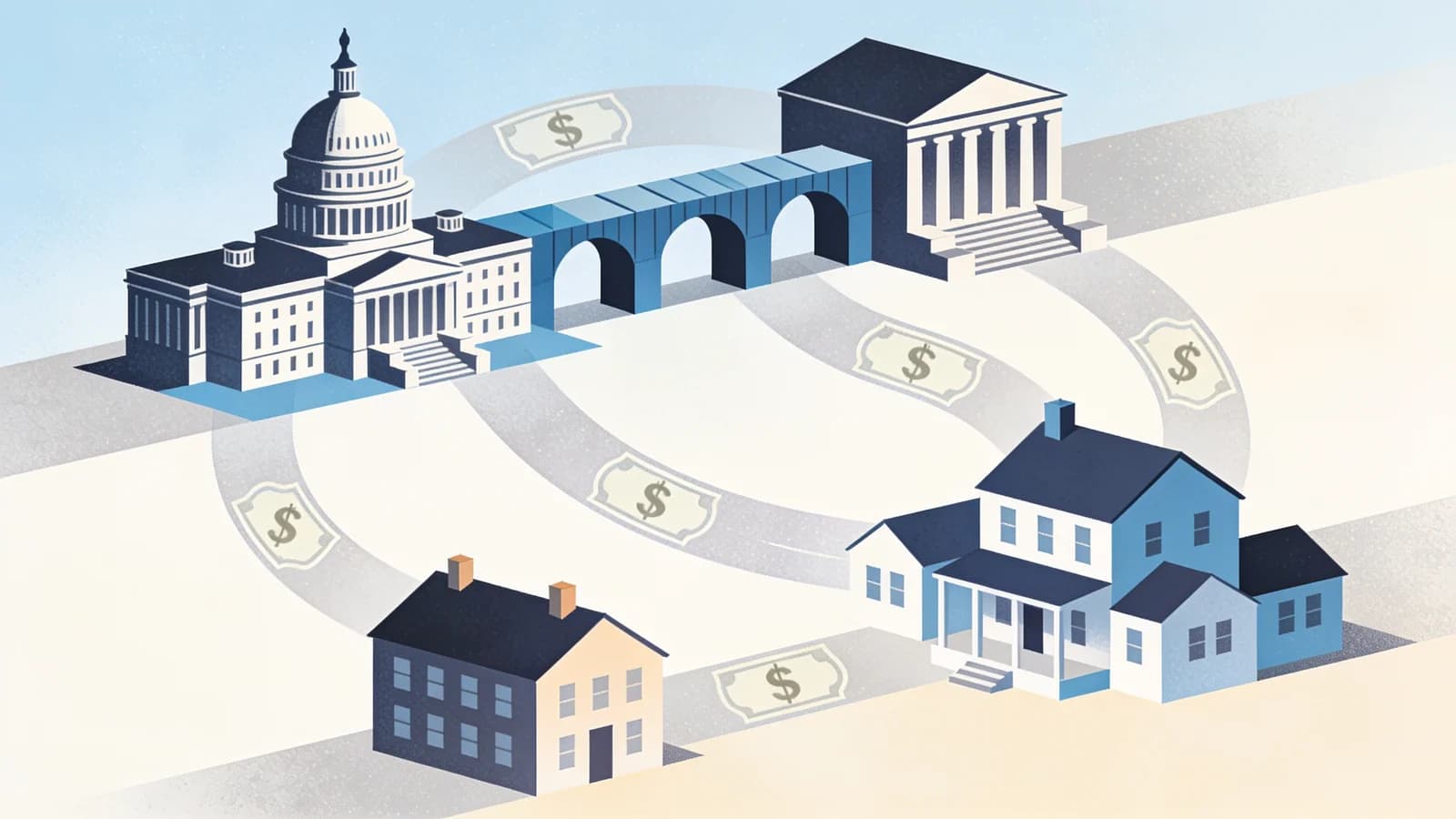
A legal battle over Philadelphia's plan to use opioid settlement funds for neighborhood revitalization raises fundamental questions about how communities should spend billions in recovery dollars.

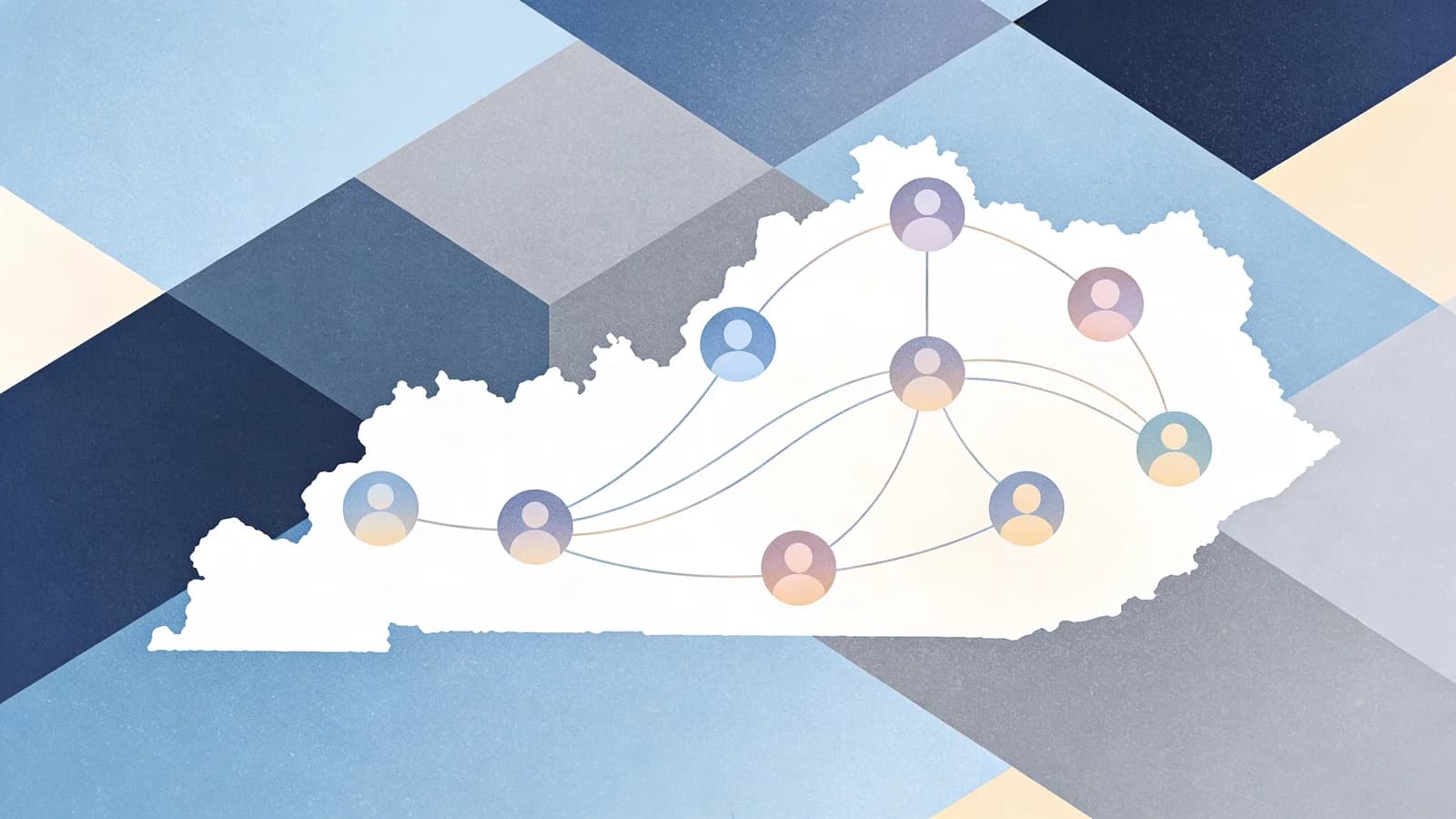
Kentucky reports lowest overdose death toll since 2014, with 1,101 fatalities representing 50% decrease from 2021 peak

State commission recommends expanding low-barrier treatment and harm reduction as xylazine gives way to medetomidine in the illicit drug supply.

New Hampshire will receive $29.5 million over 10 years from the Purdue Pharma settlement to fund prevention, treatment, and recovery programs.

The White House releases its 2026 National Drug Control Strategy, introducing controversial new surveillance tools and emphasizing faith-based approaches to addiction treatment.

American Hospital Association urges federal investment in loan repayment and training programs to address severe provider shortages affecting 75% of rural health professional shortage areas.

Trump administration reverses harm reduction policy, prohibiting federal funds for drug testing supplies and sterile syringes while emphasizing abstinence-based recovery approaches.

Trump administration's new SAMHSA guidance blocks federal funds for fentanyl test strips, syringes, and smoking supplies while allowing naloxone and wound care.

Local governments in South Dakota have spent less than half of $9.6 million in opioid settlement funds, raising questions about accountability and effective crisis response.

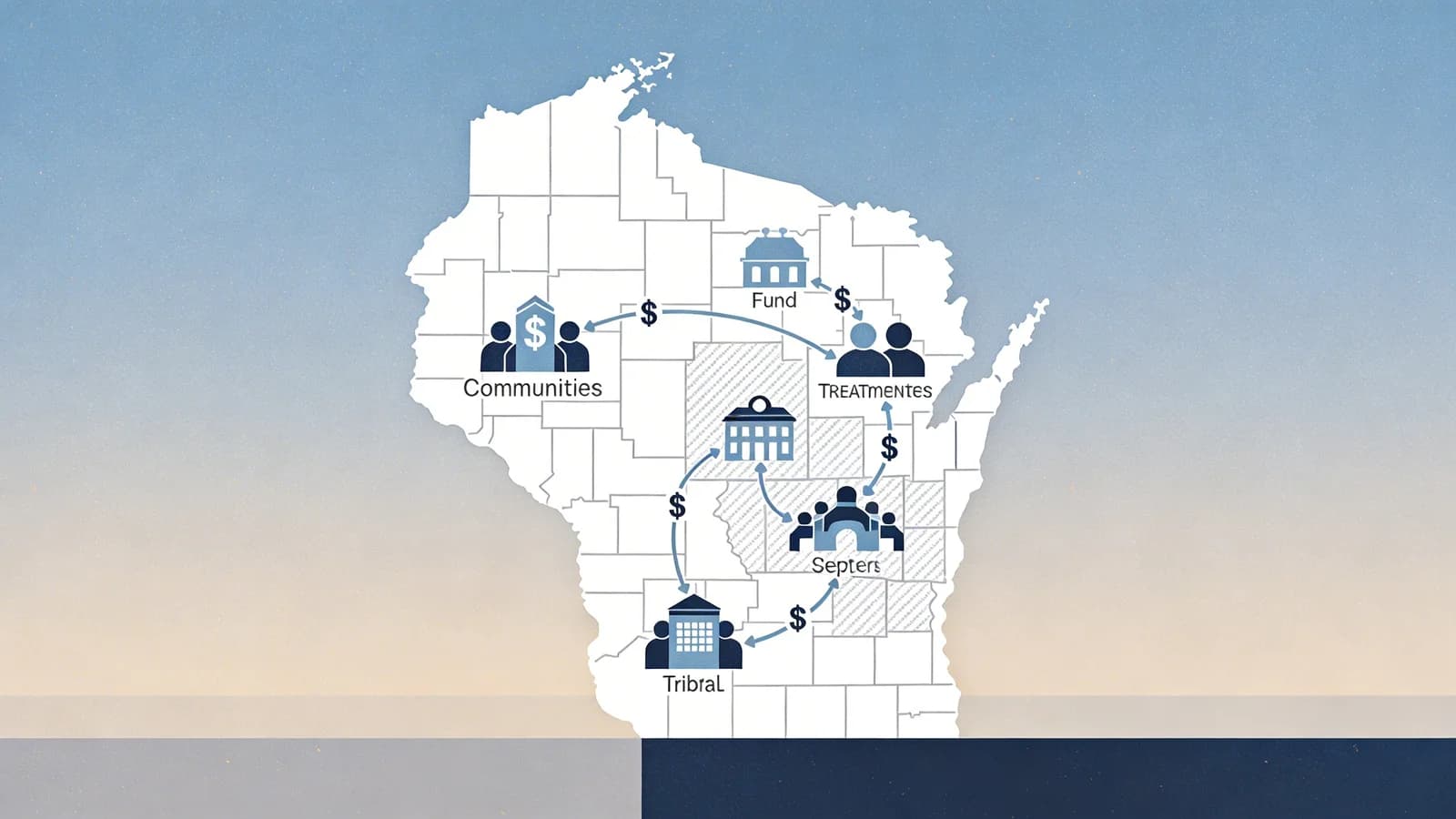
Despite federal relaxations, Wisconsin's restrictive methadone regulations force patients to visit clinics seven days a week, creating barriers to treatment access.

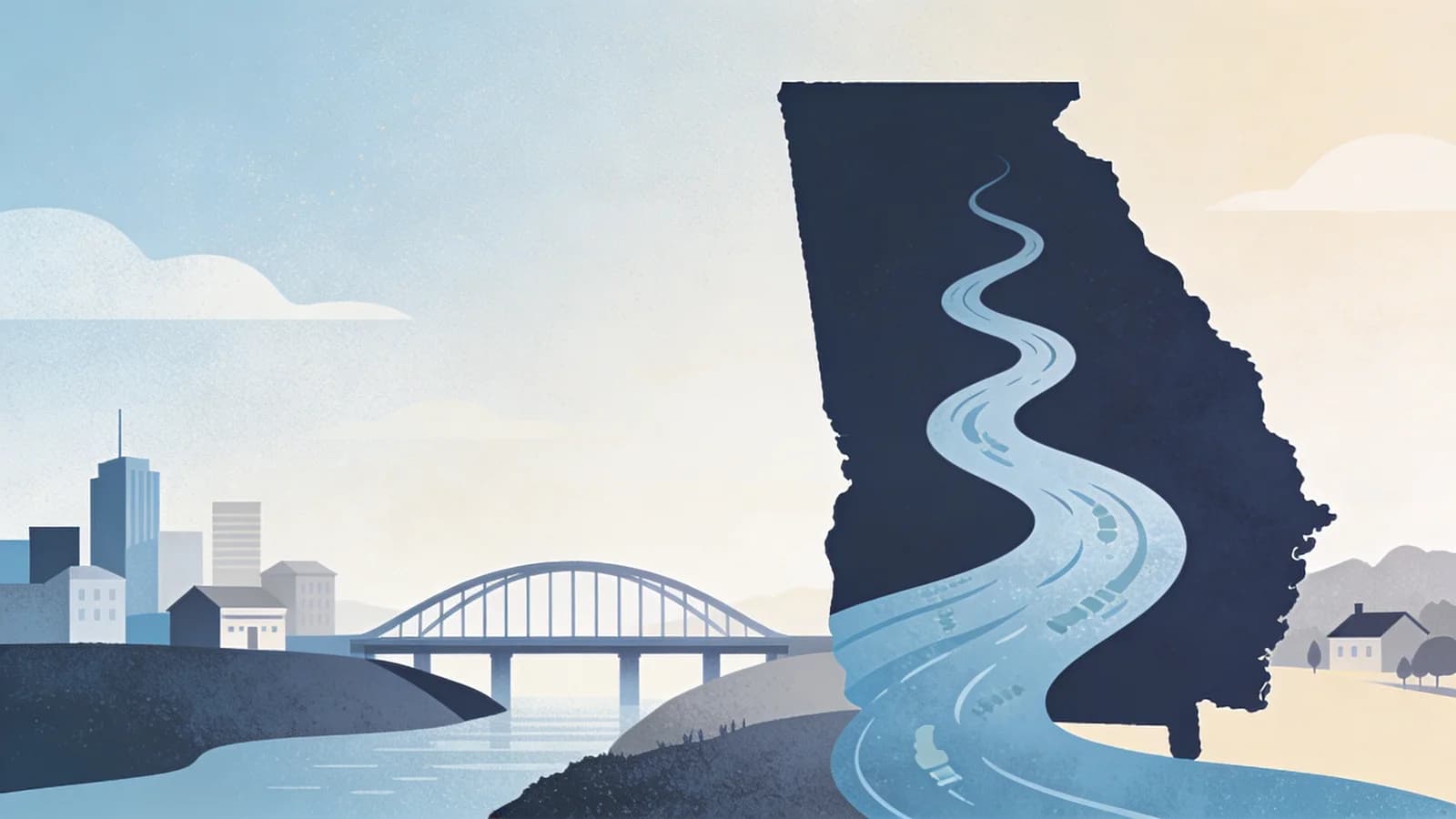
Georgia's Opioid Crisis Abatement Trust launches Year 3 funding with $20 million in grants, bringing total allocation to $90 million for addiction treatment and prevention.

New research shows natural disasters disrupt access to buprenorphine and methadone, prompting calls for emergency policy reforms to protect patients in recovery.

New research reveals 40% of Americans face mental health provider shortages, with rural and low-income communities hardest hit. States respond with loan repayment programs, pipeline initiatives, and data-driven workforce planning.

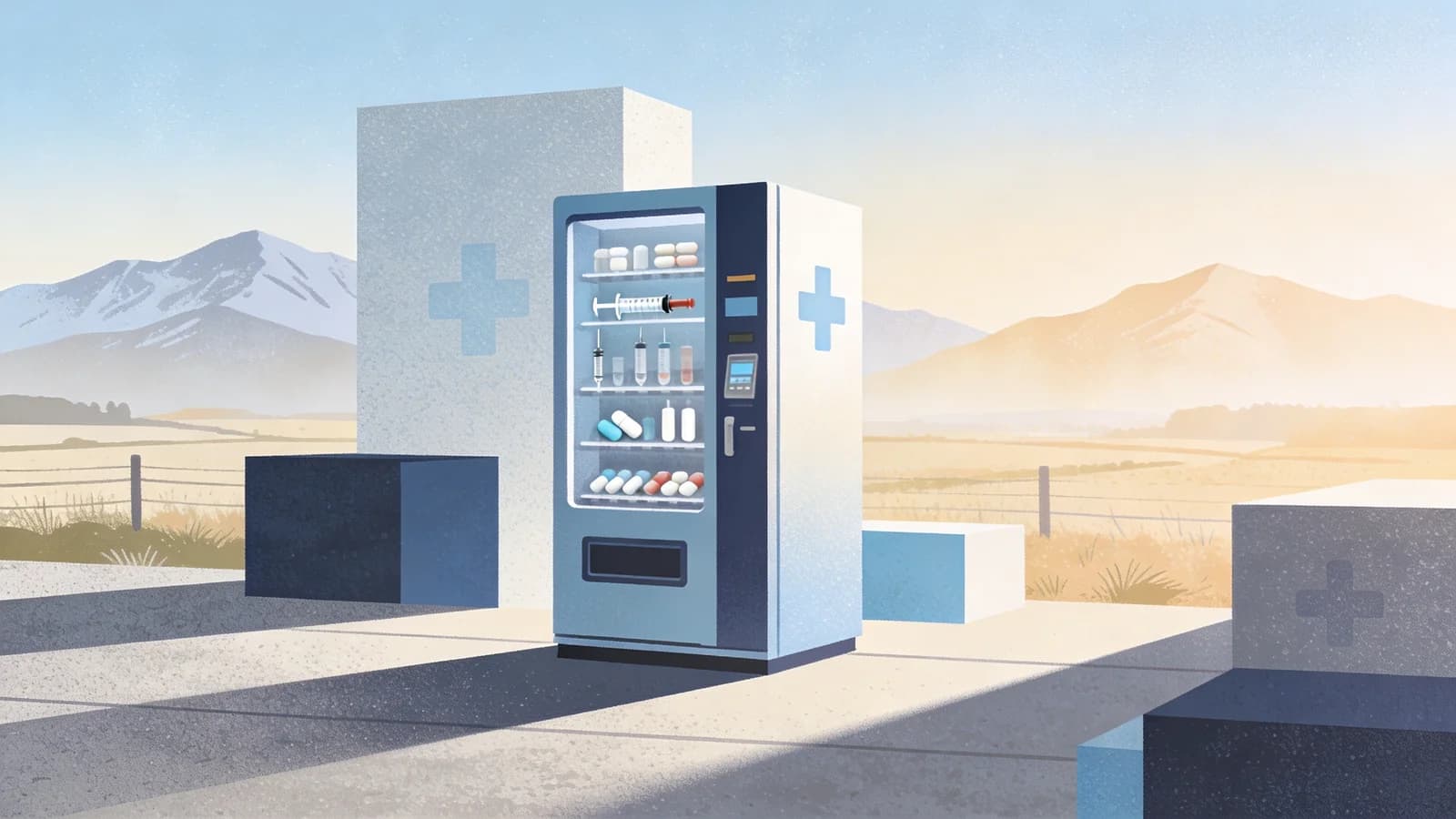
Innovative 'Health to Go' vending machine in Millersburg offers free naloxone, drug checking strips, and health supplies while connecting users to community services through an interactive touchscreen interface.

Kentucky's Opioid Abatement Advisory Commission announces largest settlement distribution yet, funding prevention, treatment, and recovery programs across the state.

Togus VA Medical Center opens Maine's first residential substance use disorder program for veterans, ending years of out-of-state travel for inpatient care.

Tens of thousands of individuals harmed by OxyContin will receive nothing from Purdue's $7.4 billion bankruptcy settlement after strict eligibility changes and documentation requirements.

Leaked details reveal DEA plans to limit telehealth prescriptions for controlled substances, requiring 50% in-person visits and affecting buprenorphine access for opioid use disorder treatment.

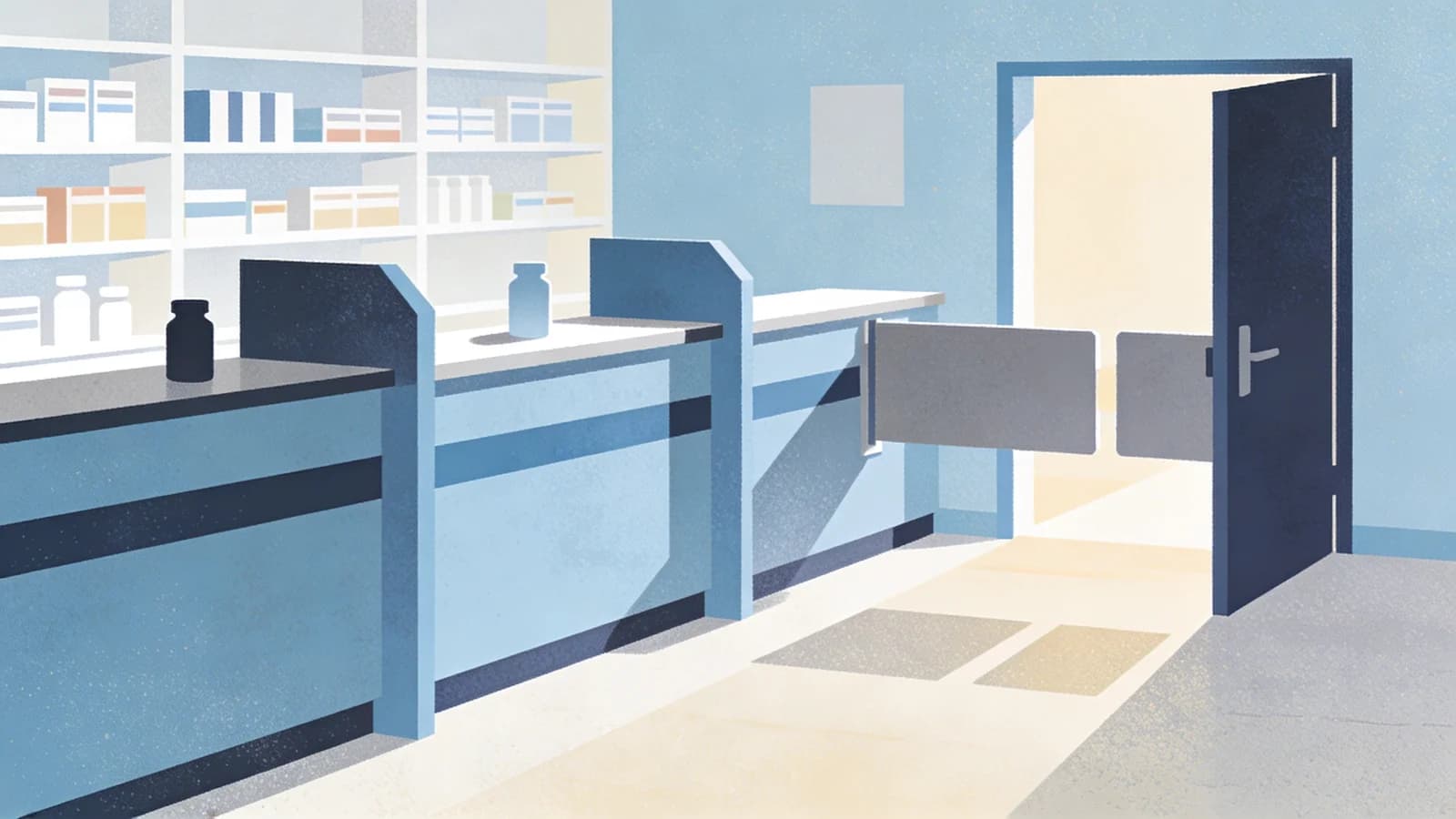
New research reveals 20% of U.S. pharmacies refuse to dispense buprenorphine, creating critical barriers to opioid addiction treatment despite federal expansion efforts.

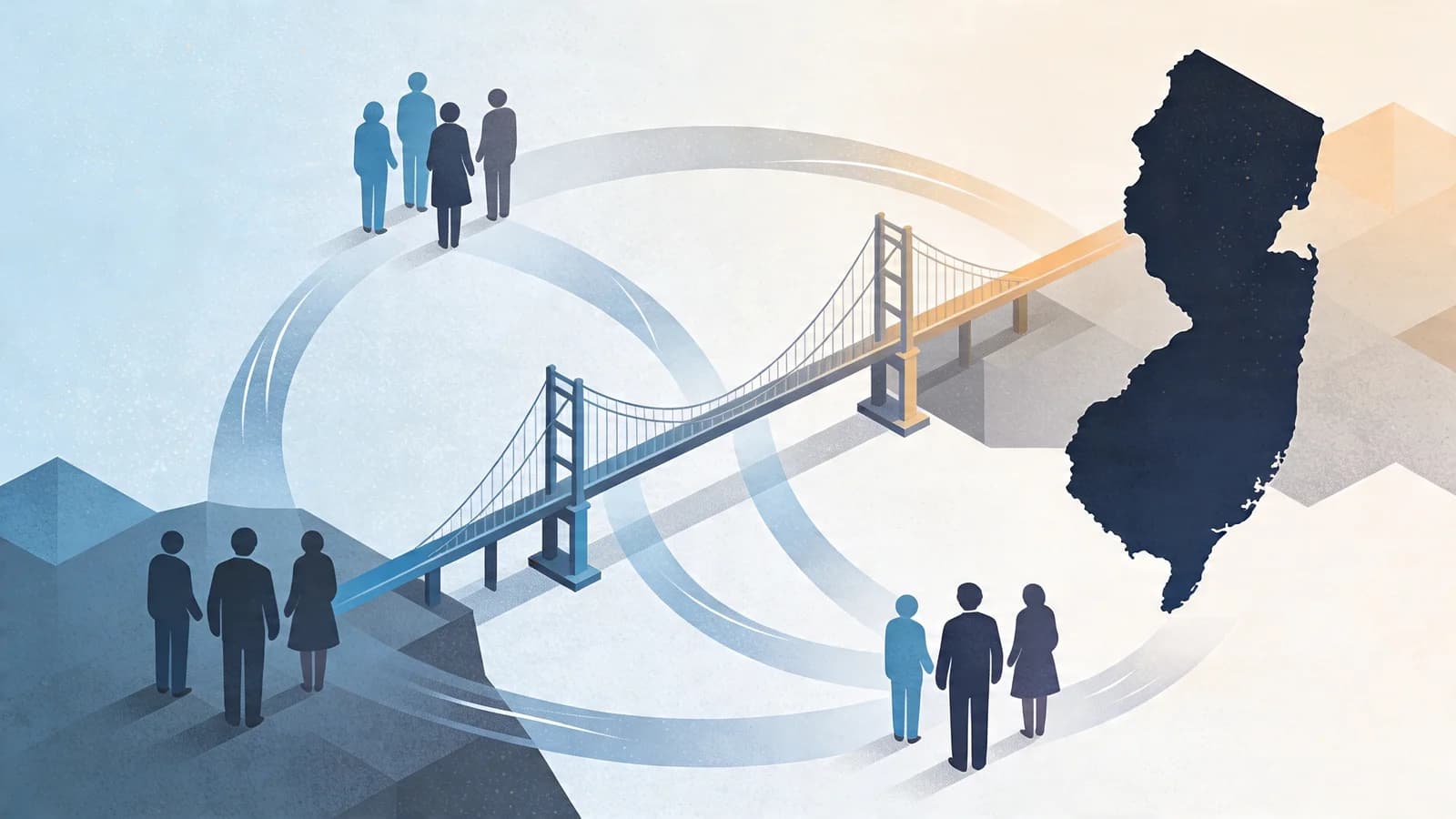
New Jersey will receive $1.1 billion through 2038 from opioid settlements, with funds split between state programs and 262 local governments.

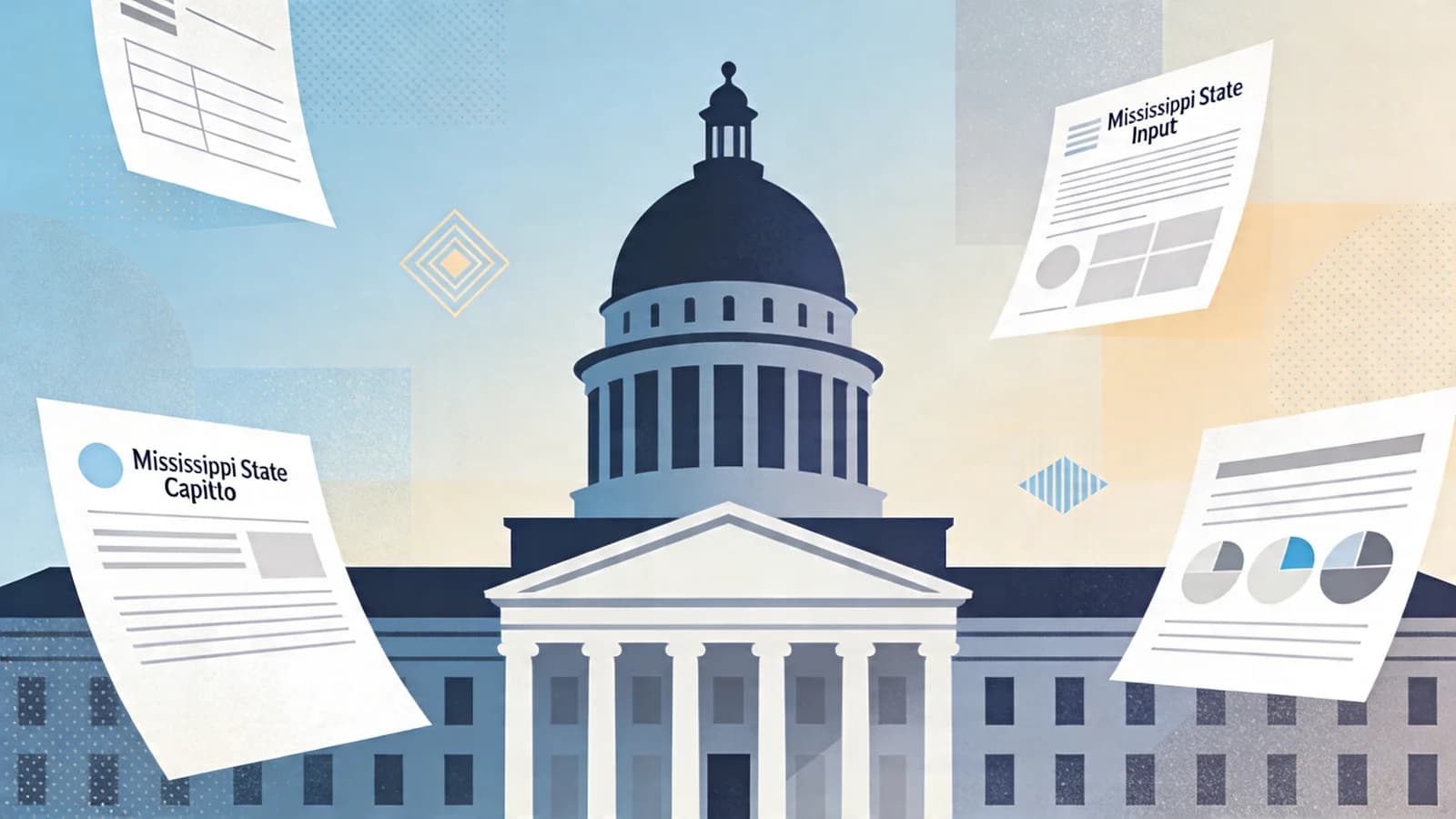
After years of delay, Mississippi lawmakers finally appropriated opioid settlement funds—but the process exposed deep tensions between community input and political control.

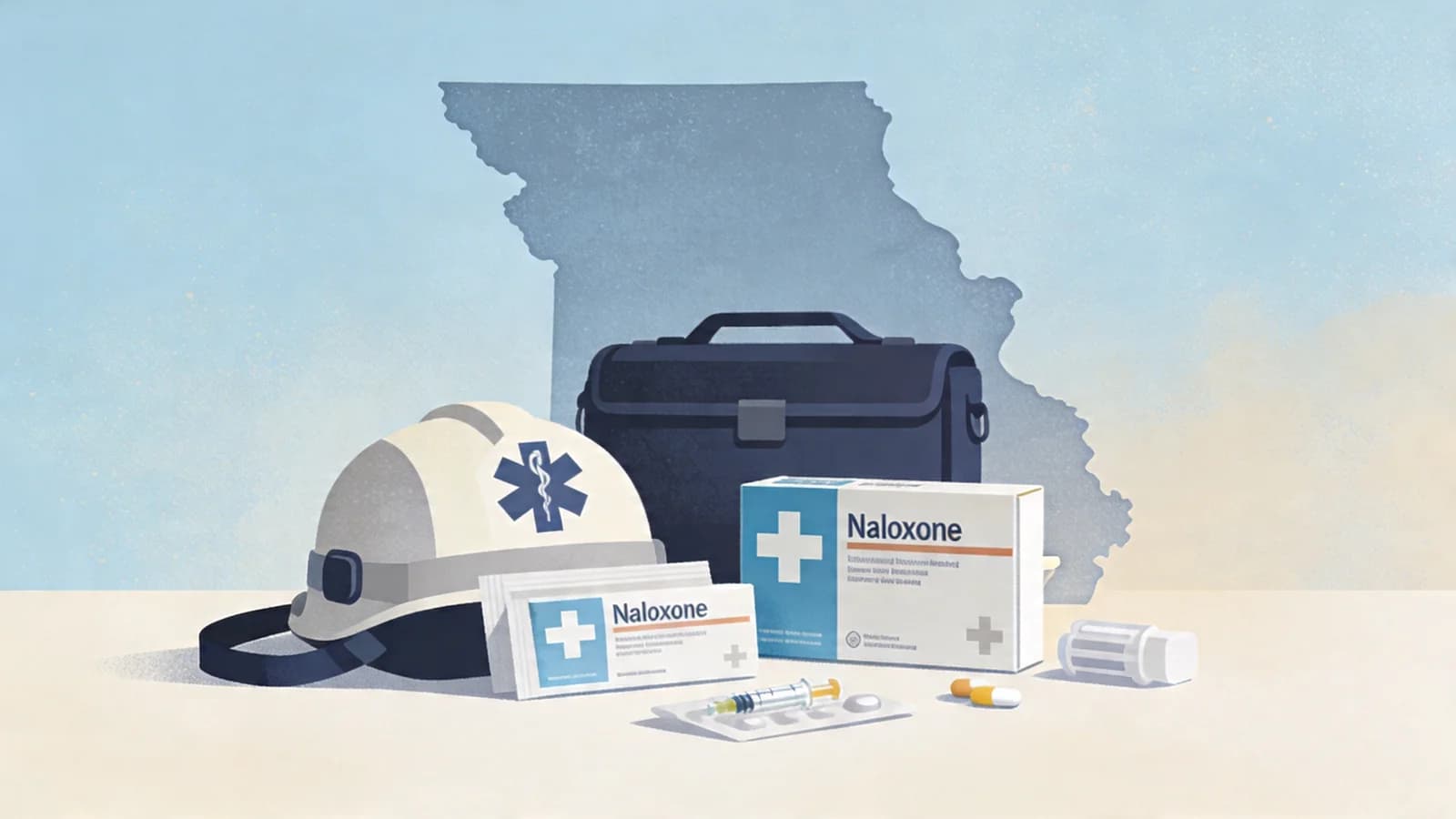
Missouri legislators cut $3 million from naloxone distribution programs, sparking debate over whether lifesaving harm reduction measures have become victims of their own success.

New transparency tool reveals patients face 24-83% fewer in-network options for mental health care, while clinicians earn 16-59% less than physical health providers.

New Pew research reveals 40% of Americans face provider shortages, with rural counties three times more likely to lack psychologists. States respond with loan repayment and pipeline programs.

New JAMA study shows Medicaid expansion significantly increased access to buprenorphine for opioid use disorder, with Oklahoma seeing 43% drop in overdose deaths.

Federal funding cuts to SAMHSA grants put overdose prevention, naloxone distribution, and peer recovery programs at risk across the United States.

ONDCP, SAMHSA, and HUD launch two-day summit to develop national toolkit for treating substance use disorders among homeless populations.

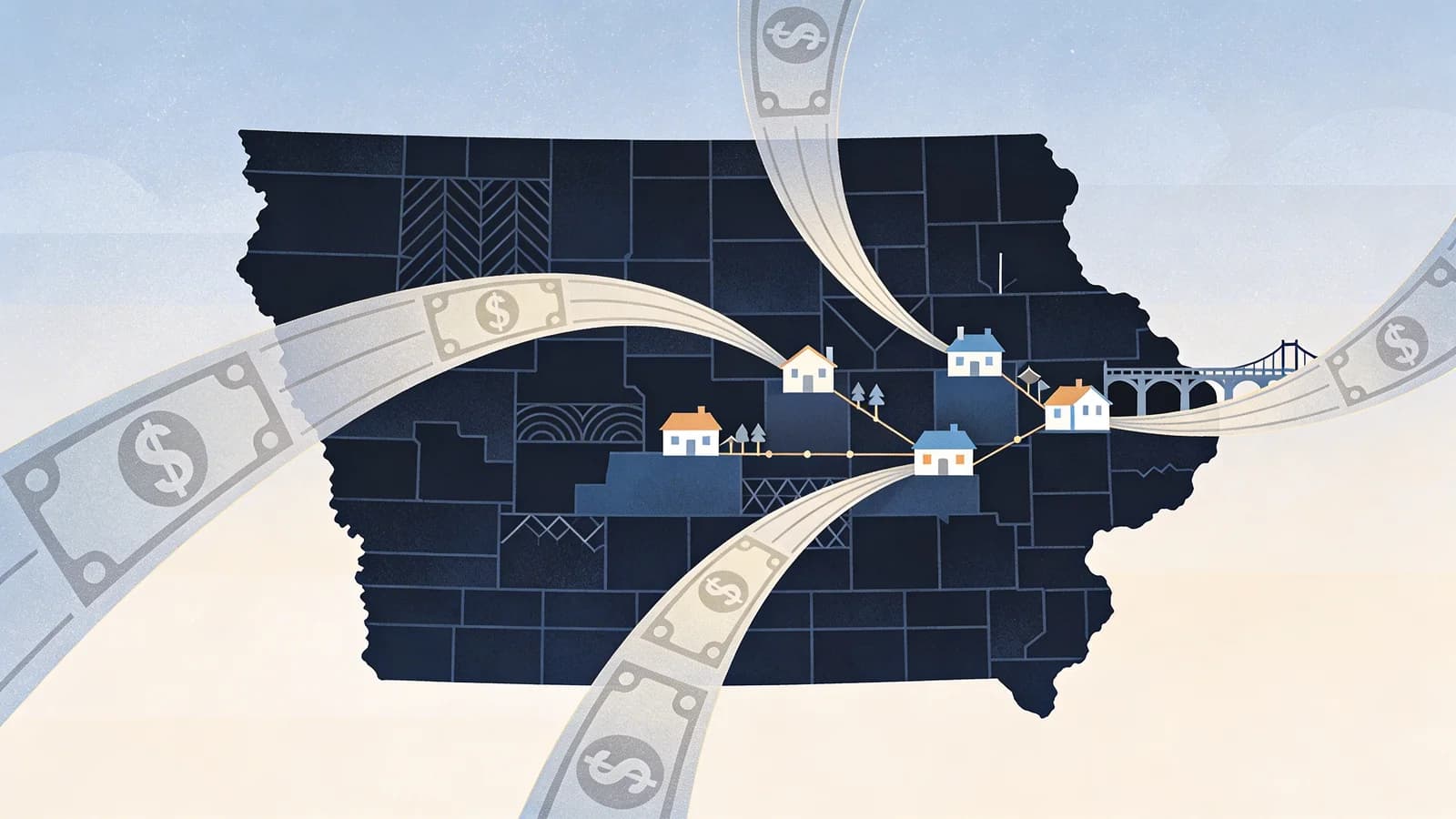
Iowa launches competitive grant program directing 75% of opioid settlement funds toward prevention, treatment, and recovery services across the state.

State health officials announce two-year spending plan prioritizing disproportionately impacted populations, room and board assistance for residential treatment, and naloxone distribution as overdose deaths decline 42.5%.

New clinical criteria establish age-specific guidelines for patients under 18 and transition-aged youth 16-25, emphasizing family involvement and developmentally appropriate care.