
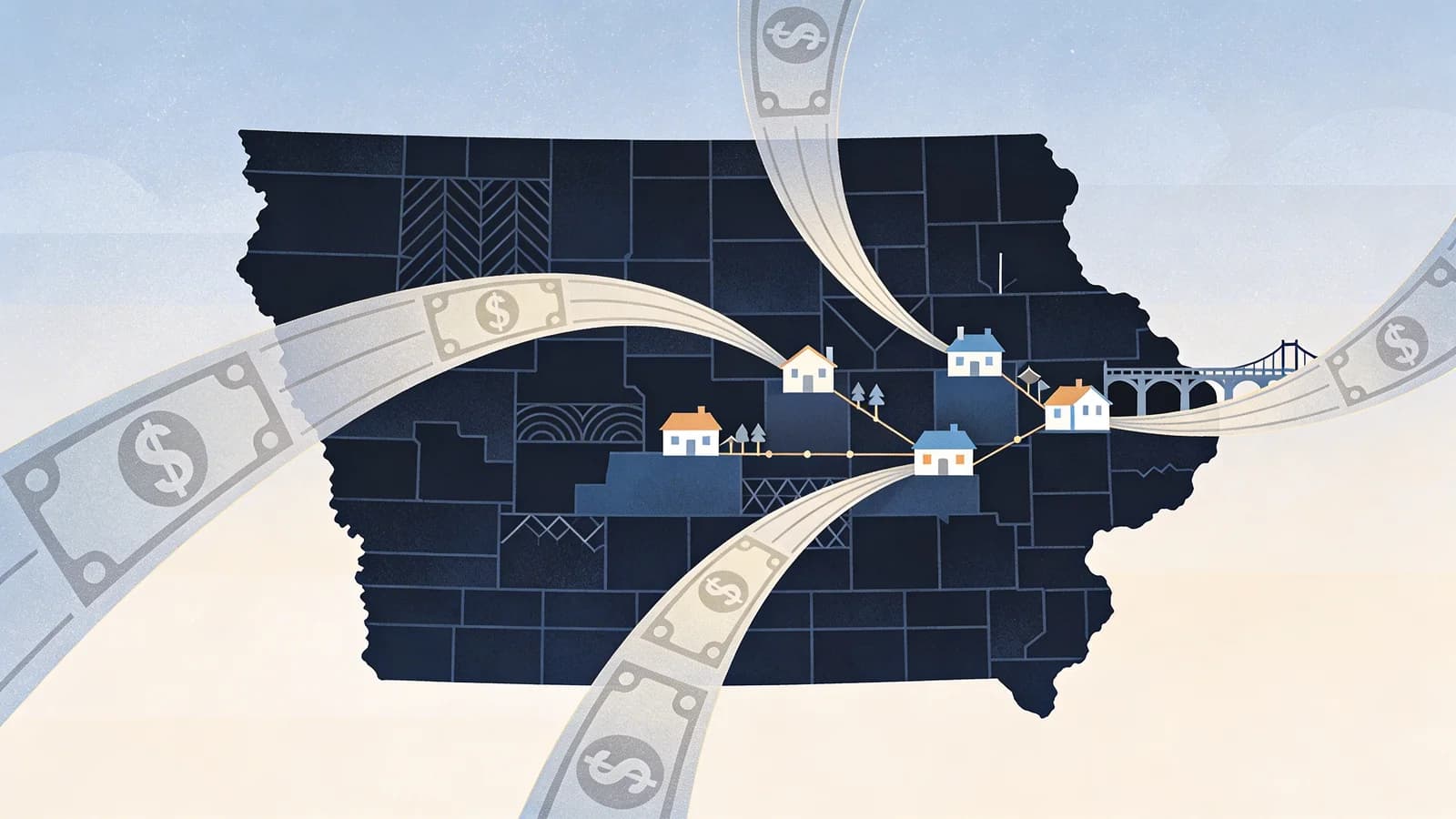
Iowa Opens $10M Opioid Crisis Round From Settlement Funds
The Iowa Department of Health and Human Services announced Monday the launch of a new competitive grant program that will distribute up to $10 million in opioid settlement funds to community-based organizations fighting the state's overdose epidemic. The initiative marks a significant step in Iowa's effort to translate legal victories against pharmaceutical companies into tangible public health interventions.
The funding stems from House File 1038, legislation signed into law in 2025 that directs 75% of Iowa's opioid settlement money toward prevention, treatment, and recovery programs. This statutory allocation reflects a growing consensus among state policymakers that settlement dollars should reach frontline service providers rather than being diverted to general fund expenditures.
How the Funding Will Flow
Individual projects can receive up to $1 million through the competitive application process, with the $10 million total representing the first major tranche of settlement-funded programming under the new legislative framework. State officials emphasized that priority consideration will go to initiatives demonstrating clear community need, evidence-based methodologies, and measurable outcomes for recovery support.
The competitive structure represents a departure from earlier opioid settlement distribution models in some states, where funds were allocated through administrative formulas that sometimes failed to account for local capacity and readiness. By requiring organizations to articulate specific intervention strategies and outcome metrics, Iowa's approach aims to ensure that dollars translate directly into expanded service capacity.
The Settlement Context
Iowa's share of national opioid settlements—including the $7.4 billion Purdue Pharma bankruptcy agreement and related distributor settlements—totals approximately $37.8 million over multiple years. The 75% allocation requirement in House File 1038 means that roughly $28 million will ultimately flow through programs like the one announced this week.
The remaining 25% of settlement funds remains available for other state priorities, though public health advocates have consistently pressed for maximum investment in direct services given the scale of Iowa's overdose challenge. While the state's overdose death rate remains below national averages, rural communities have experienced disproportionate increases in recent years, with fentanyl now present in the majority of opioid-related fatalities statewide.
What Organizations Can Propose
The funding announcement specifically highlighted interest in proposals that expand behavioral health service availability, strengthen recovery housing and peer support networks, and improve coordination between criminal justice and treatment systems. These priority areas align with research indicating that sustained recovery often depends on access to stable housing, employment support, and ongoing clinical care rather than acute interventions alone.
For organizations serving rural areas, the funding opportunity arrives at a critical moment. Many Iowa counties lack any licensed opioid addiction treatment providers, forcing residents to travel significant distances for medication-assisted treatment or counseling services. Telehealth expansion, mobile treatment units, and partnerships with primary care practices represent potential strategies that could address these geographic disparities.
Implementation Timeline
State officials indicated that applications will be reviewed on a rolling basis, with funding decisions expected within 60 days of submission. Successful applicants will receive multi-year commitments where appropriate, allowing organizations to hire staff and build infrastructure with greater confidence in sustained support.
The timing of this announcement—just over a year after House File 1038's passage—suggests that Iowa HHS has used the intervening months to develop evaluation frameworks and administrative systems capable of monitoring grantee performance. This deliberate approach, while potentially frustrating to advocates eager for rapid deployment, may ultimately yield more effective programming by ensuring that funded initiatives have clear theories of change and outcome tracking mechanisms.
Looking Ahead
As Iowa joins a growing number of states moving from settlement receipt to settlement deployment, the coming years will reveal which distribution models produce measurable reductions in overdose deaths and improvements in quality of life for people in recovery. The competitive grant approach adopted here offers one template, though ongoing evaluation will be necessary to determine whether the administrative burden of application and reporting processes ultimately enhances or impedes service delivery.
For Iowa communities, the immediate significance is clear: millions of dollars previously extracted by pharmaceutical marketing are now returning to support the very populations harmed by those practices. Whether that transfer translates into lives saved will depend on the quality of proposals submitted in response to this opportunity and the state's capacity to support successful implementation.
Sources
Editorial Board
LADC, LCPC, CASAC
The Rainier Rehab editorial team consists of licensed addiction counselors, healthcare journalists, and recovery advocates dedicated to providing accurate, evidence-based information about substance abuse treatment and rehabilitation.
Related Articles

Trump Administration Terminates Hundreds of SAMHSA Grants, Threatening Addiction Services Nationwide
Nonprofit organizations across the US received termination letters canceling SAMHSA grants that fund overdose prevention, naloxone distribution, and recovery support services.

Virginia Awards Record $35.2 Million in Opioid Settlement Grants to 150 Community Projects
Virginia Opioid Abatement Authority announces largest funding round to date, supporting prevention, treatment, recovery and harm reduction initiatives across the Commonwealth.

Baltimore County Launches Public Dashboard to Track $90 Million in Opioid Settlement Spending
Baltimore County unveils a transparent online dashboard allowing residents to monitor how opioid settlement funds are being used to combat the addiction crisis.