The Recovery Housing Boom Meets Its Reckoning as Ohio, Georgia and Arizona Write New Rules
Ohio's sober living homes grew 400% in four years. Now Ohio, Georgia and Arizona are writing new rules on certification, fraud oversight and zoning.
32 articles found
Browse Rainier Rehab's editorial coverage of State legislation. Our writers track federal and state policy, peer-reviewed research, treatment innovations, and frontline reporting from the addiction recovery field. Each article in this collection cites primary sources — government datasets (SAMHSA, NIH, CDC), Medicaid and Medicare bulletins, JAMA and Lancet studies, and on-the-record statements from clinicians, regulators, and people in recovery — so readers can verify claims and dig deeper.
We update this tag whenever new state legislation reporting publishes. If you're a researcher, journalist, or family member trying to make sense of substance use disorder treatment, this is the working archive. For a directory of accredited treatment facilities, visit our facilities directory; to compare modalities, see our treatments overview and levels of care guide.

Ohio's sober living homes grew 400% in four years. Now Ohio, Georgia and Arizona are writing new rules on certification, fraud oversight and zoning.

New statewide call and text service offers immediate help with ongoing follow-up support for Californians seeking opioid addiction treatment.

KFF Health News investigation reveals 66% of Louisiana sheriffs' opioid settlement spending was deemed inappropriate, with millions going to surveillance gear instead of addiction treatment.

Investigation reveals police departments nationwide are diverting opioid settlement dollars to automated license plate readers, raising questions about fund allocation priorities.

KFF Health News analysis reveals millions in opioid settlement funds flowing to law enforcement rather than treatment and prevention programs.
Iowa's new I-BEACON program connects healthcare providers with addiction medicine experts around the clock, expanding access to medication-assisted treatment across all 99 counties.

Eight Minnesota syringe service programs lost their state funding when an HIV prevention grant ended June 30, and several now say closure is imminent.

North Dakota's governor declared a public health emergency and banned kratom sales statewide, effective August 5, as state-level crackdowns on 7-OH accelerate.

Kentucky suspended Medicaid guardrails to expand addiction treatment. A DOJ settlement, an FBI probe, and a $2.3 billion spending surge followed.

A new Illinois law folds gambling disorder into the state's Substance Use Disorder Act, unlocking school education, screening, and suicide prevention programs.

State-commissioned assessment identifies justice-involved individuals as priority population for $99 million in settlement dollars through 2038

Oklahoma's statewide naloxone vending machine program, once the largest in the US, has been dismantled. Communities now face uncertainty as federal policy shifts and state funding gaps threaten harm reduction efforts.

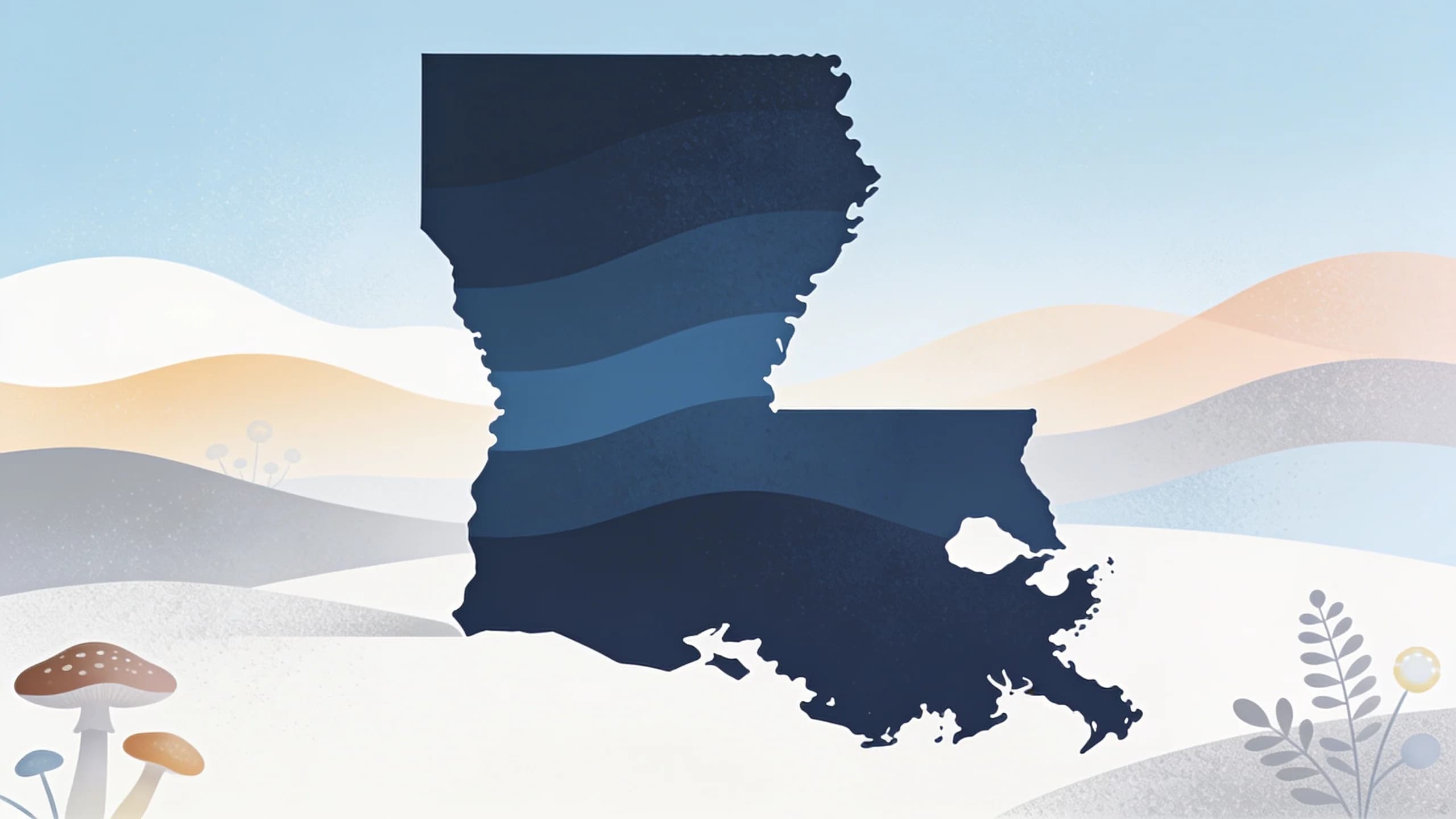
Louisiana's groundbreaking pilot program will use opioid settlement funds to research psilocybin, ibogaine, and MDMA as treatments for addiction and mental health conditions.

Virginia Opioid Abatement Authority announces largest funding round to date, supporting prevention, treatment, recovery and harm reduction initiatives across the Commonwealth.

Landmark global analysis reveals decriminalization doesn't raise use, but for-profit markets drive higher addiction rates and more potent products.

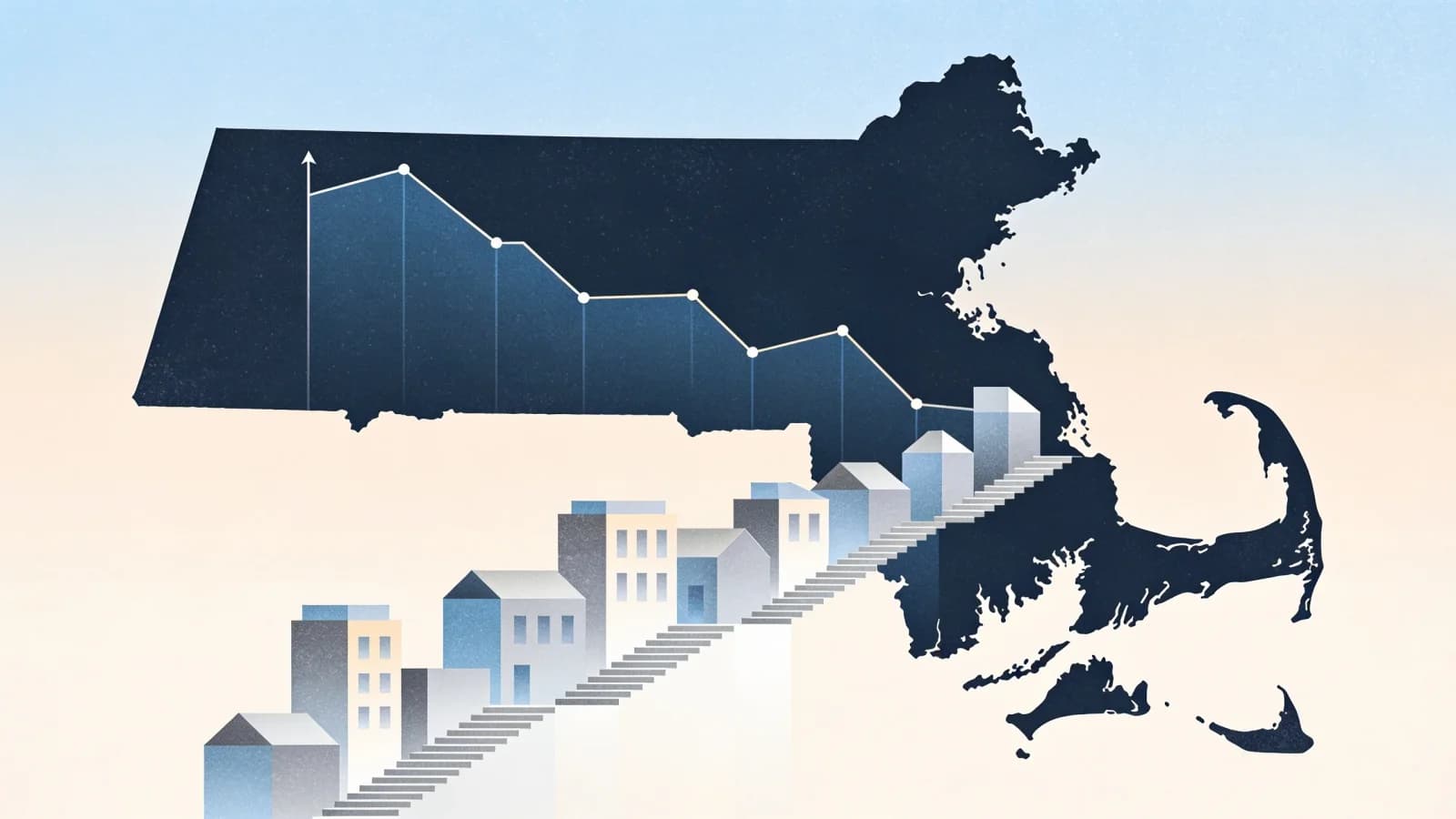
For the first time since 2013, Massachusetts recorded fewer than 1,000 opioid-related overdose deaths in 2025, marking a nearly 60% decline from the 2022 peak.

Baltimore County unveils a transparent online dashboard allowing residents to monitor how opioid settlement funds are being used to combat the addiction crisis.

The Virginia Harm Reduction Coalition deploys distinctive purple dispensing boxes across Southwest Virginia, making life-saving naloxone freely available in communities with some of the state's highest overdose rates.

State insurance regulators find Aetna, Anthem, Cigna, ConnectiCare, and UnitedHealthcare systematically underpaid mental health providers and restricted access to care.

Senate Bill 249 decriminalizes drug paraphernalia possession and expands sterile supply distribution, sparking disagreement over public safety and addiction treatment approaches.

A legal battle over Philadelphia's plan to use opioid settlement funds for neighborhood revitalization raises fundamental questions about how communities should spend billions in recovery dollars.

Kentucky reports lowest overdose death toll since 2014, with 1,101 fatalities representing 50% decrease from 2021 peak

State commission recommends expanding low-barrier treatment and harm reduction as xylazine gives way to medetomidine in the illicit drug supply.

New Hampshire will receive $29.5 million over 10 years from the Purdue Pharma settlement to fund prevention, treatment, and recovery programs.

Local governments in South Dakota have spent less than half of $9.6 million in opioid settlement funds, raising questions about accountability and effective crisis response.

Despite federal relaxations, Wisconsin's restrictive methadone regulations force patients to visit clinics seven days a week, creating barriers to treatment access.

Georgia's Opioid Crisis Abatement Trust launches Year 3 funding with $20 million in grants, bringing total allocation to $90 million for addiction treatment and prevention.

Kentucky's Opioid Abatement Advisory Commission announces largest settlement distribution yet, funding prevention, treatment, and recovery programs across the state.

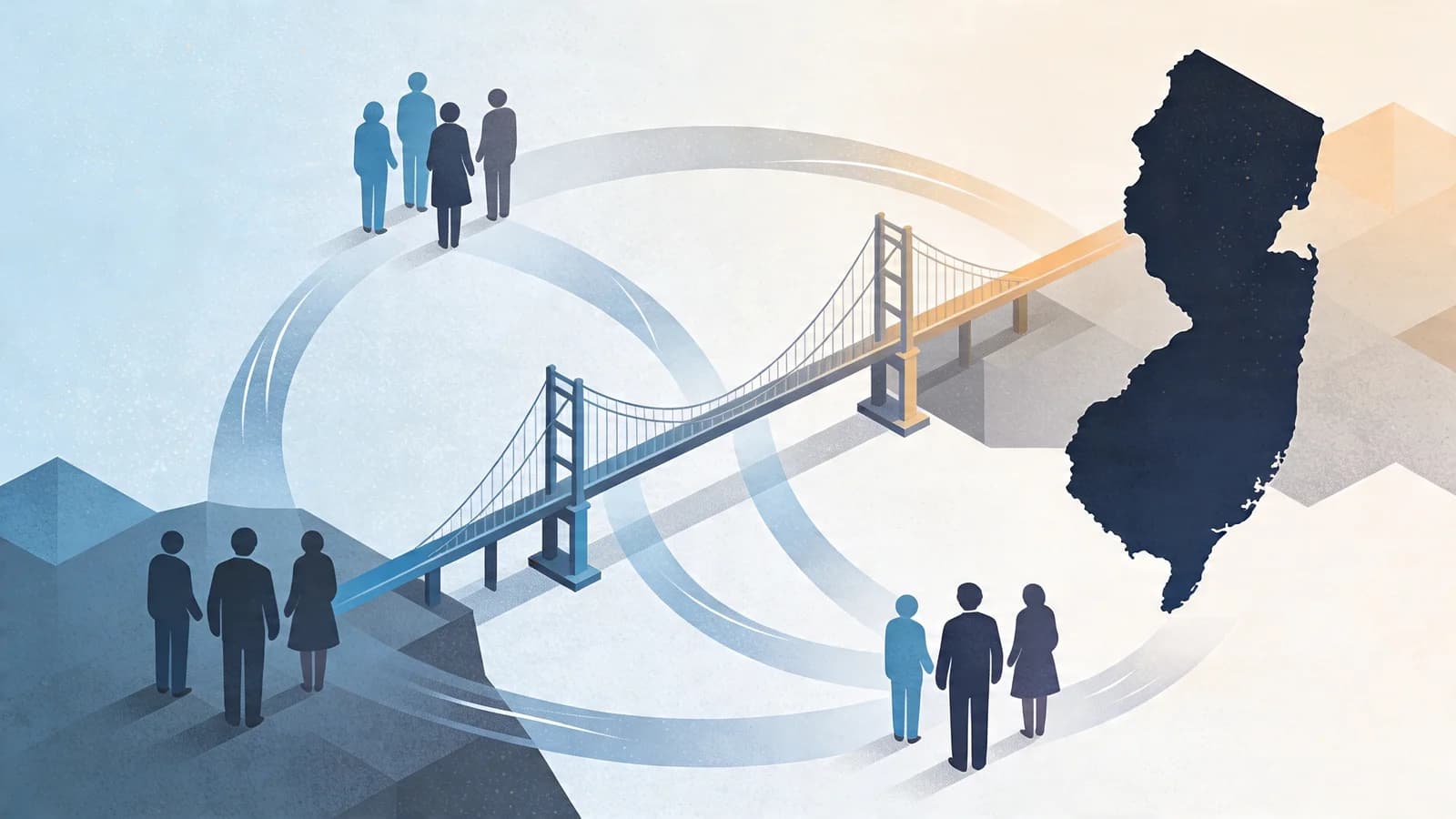
New Jersey will receive $1.1 billion through 2038 from opioid settlements, with funds split between state programs and 262 local governments.

After years of delay, Mississippi lawmakers finally appropriated opioid settlement funds—but the process exposed deep tensions between community input and political control.

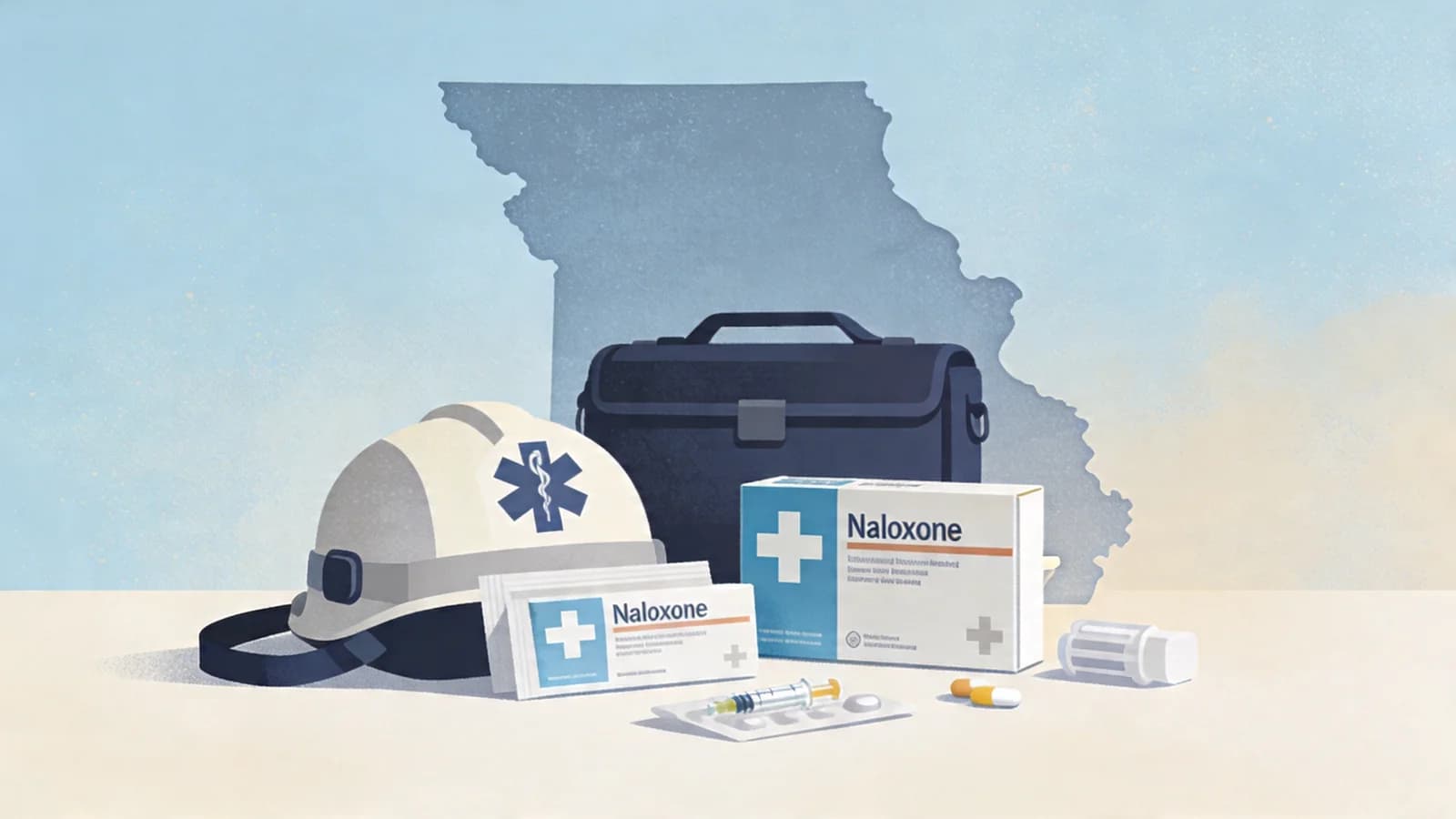
Missouri legislators cut $3 million from naloxone distribution programs, sparking debate over whether lifesaving harm reduction measures have become victims of their own success.

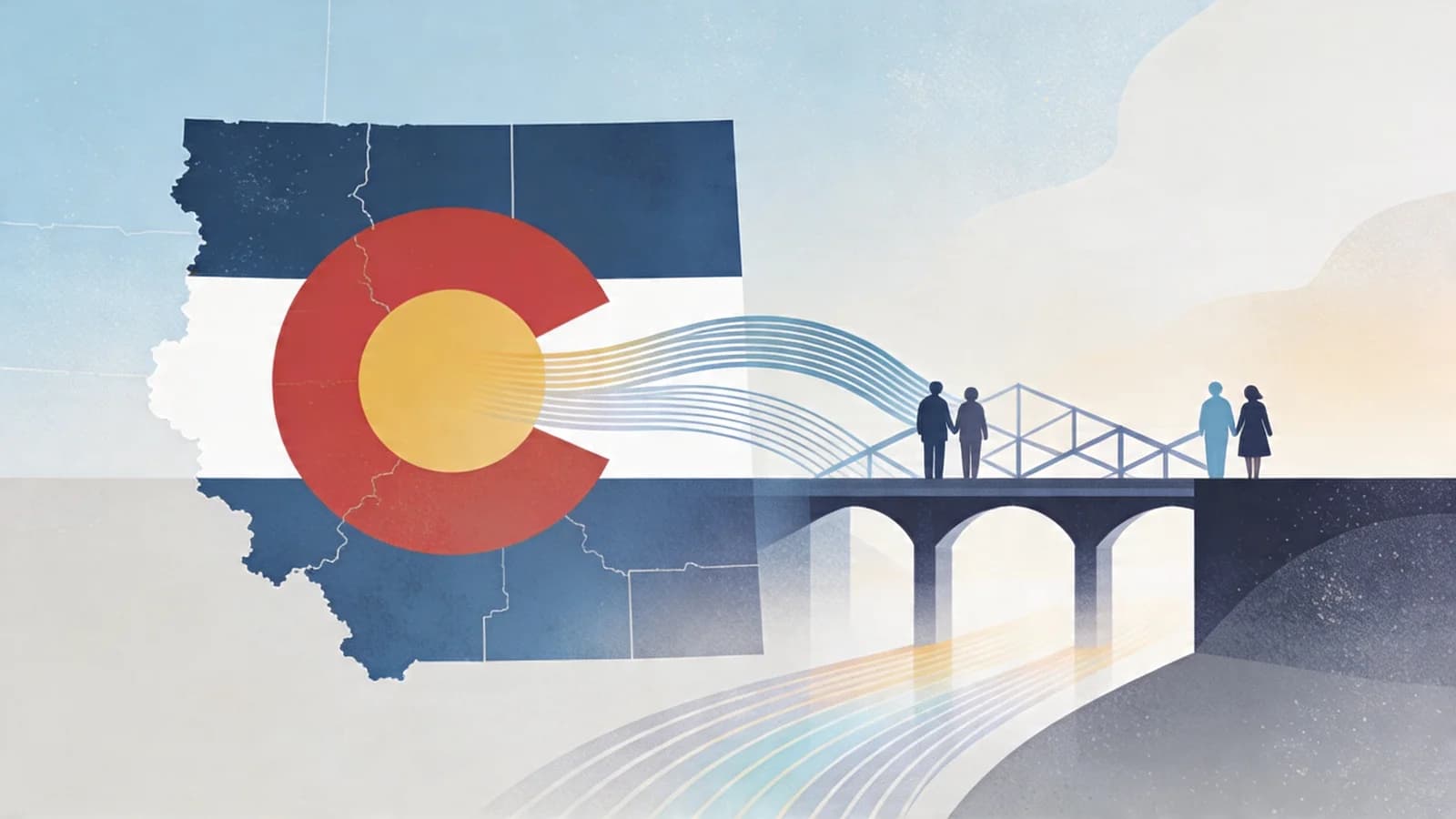
Grocery chain settlement brings Colorado's total opioid settlement recovery past $912 million as state continues negotiating injunctive relief terms with remaining defendants.