
Idaho Holds $43.5 Million in Tobacco Money for Prevention. Ten Groups Asked for $3 Million of It.
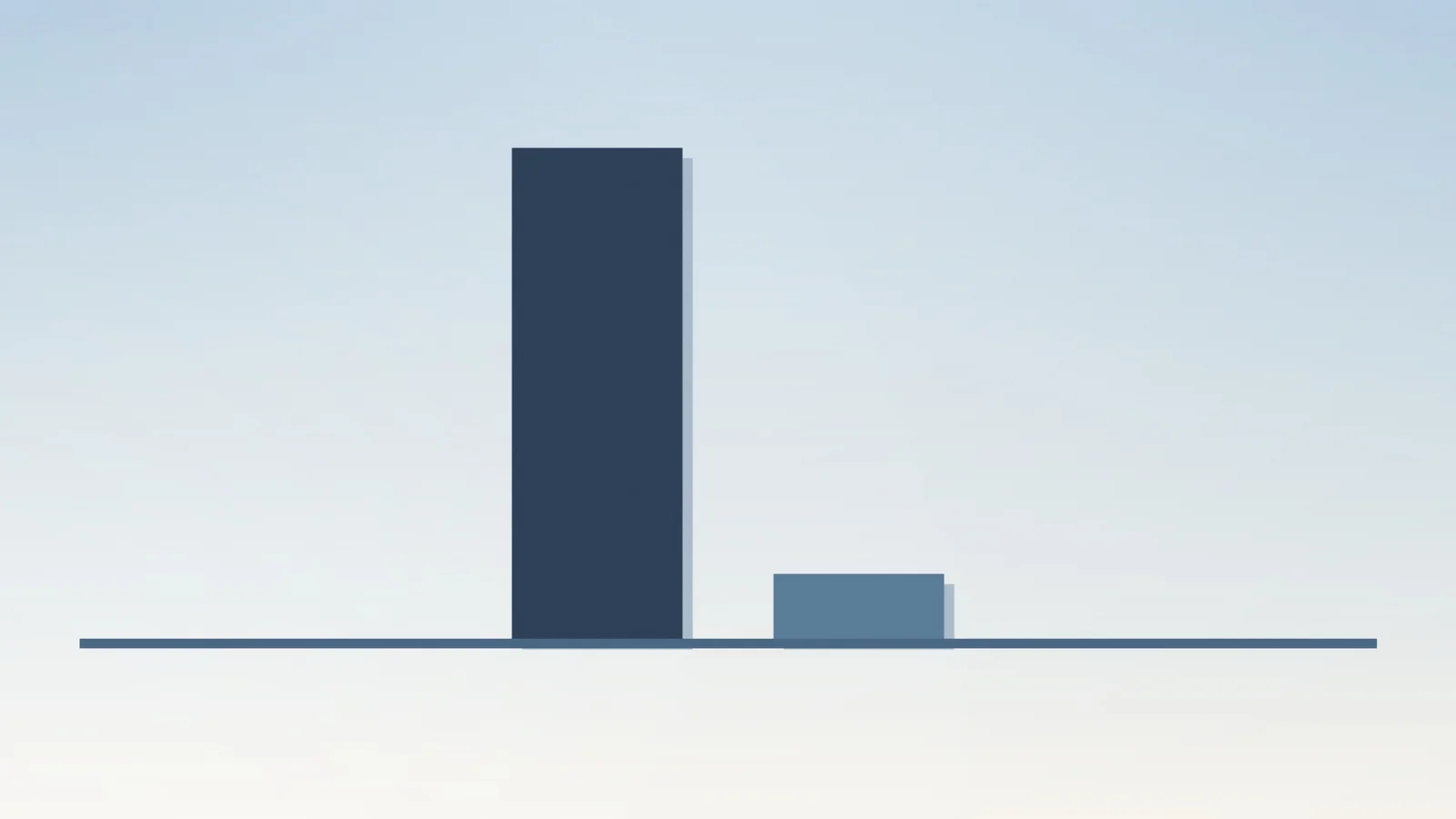
Idaho's Joint Millennium Fund Committee spent Friday listening to ten organizations ask for money from an endowment built on the state's share of the 1998 tobacco litigation. The requests totaled just over $3 million. As of Sept. 30, the fund held nearly $43.5 million.
The gap is the story, and not the one the numbers first suggest. Senior budget and policy analyst Janica Bisharat told the committee that some previously approved projects had not yet been funded — meaning the constraint is not the size of the corpus but the pace at which its income can be drawn and spent.
Under Idaho Code §67-1807, the ten-member committee — three senators appointed by the president pro tempore, two by the Senate minority leader, three representatives appointed by the speaker, two by the House minority leader — recommends to the Legislature how the Idaho Millennium Income Fund should be used. Every dollar must go toward drug and alcohol prevention. Final approval sits with the Joint Finance-Appropriations Committee when the session opens in January. The committee made no decisions Friday.
A prevention portfolio, with the plumbing included
Co-chair Sen. Van Burtenshaw, R-Terreton, set the frame. "I am laser-focused on prevention," he said. "I have three deaths in my family already, and two or three more that are getting close."
What followed said a great deal about what prevention costs in a rural state. Recovery Idaho asked for $32,780 to build a voluntary accreditation program for recovery centers, saying the state's centers are well intentioned but vary widely and track too little. The Recovery Community Alliance of Idaho asked for $267,615 for something adjacent — a statewide recovery office offering technical support, workforce development and standardized data. Two organizations describing the same gap from different ends of it is not redundancy; it is one problem priced twice.
The rest of the list leaned hard on young people. The Boys & Girls Clubs of Kootenai County requested $1.6 million to scale prevention programming statewide. A former Meridian school resource officer asked $45,000 for a self-paced online class for teens cited for tobacco, alcohol or drug use. A boxing club in Idaho Falls wanted $500,000 for a bigger facility. The Idaho RADAR Center at Boise State asked $71,382 to print prevention materials, a line item that exists because SAMHSA stopped printing its own around 2020.
Two Requests Worth More Than Their Dollars
Change House, a newly established nonprofit, asked for $623,300 for the first five months of a residential program in McCall for pregnant women and mothers, with the plan of billing Medicaid afterward. And the River of No Return Recovery Center in Salmon asked $150,000 to stay open — the only such center serving Lemhi and Custer counties, opened in January on opioid settlement money from those two counties that is now nearly spent.
That last request is the one to watch. Seed funding that runs out in under a year is not a funding model, and the committee now sits in the position of converting one-time settlement dollars into ongoing operating support for a facility with no other option within driving distance. For families in that corner of the state, the levels of care available locally consist of whatever that building can keep offering.
The committee will return with recommendations, and JFAC will decide in January whether $3 million of requests against a $43.5 million endowment is a rounding error or a budget. On Friday's evidence, the more interesting question is which of these ten organizations can survive the year without an answer.
Sources
Editorial Board
LADC, LCPC, CASAC
The Rainier Rehab editorial team consists of licensed addiction counselors, healthcare journalists, and recovery advocates dedicated to providing accurate, evidence-based information about substance abuse treatment and rehabilitation.
Related Articles
Oregon Spent $1.5 Billion on Addiction. Two Percent Went to Preventing It.
A legislatively mandated audit found Oregon routed $39 million of $1.5 billion to prevention, gave school districts a mandate without funding, and cannot trace where the money went.

Kentucky Bet Big on Addiction Treatment Access. Then Came the Fraud.
Kentucky suspended Medicaid guardrails to expand addiction treatment. A DOJ settlement, an FBI probe, and a $2.3 billion spending surge followed.

A Free Oregon Ranch Offers Addiction Recovery. Fifteen Former Residents Call It Harm.
InvestigateWest reports that 5Rock Ranch, an unlicensed Christian ministry in Yamhill County, took in women leaving rehab and jail with almost no state oversight.