
New Jersey Plans $1.1B, 12-Year Opioid Settlement Rollout
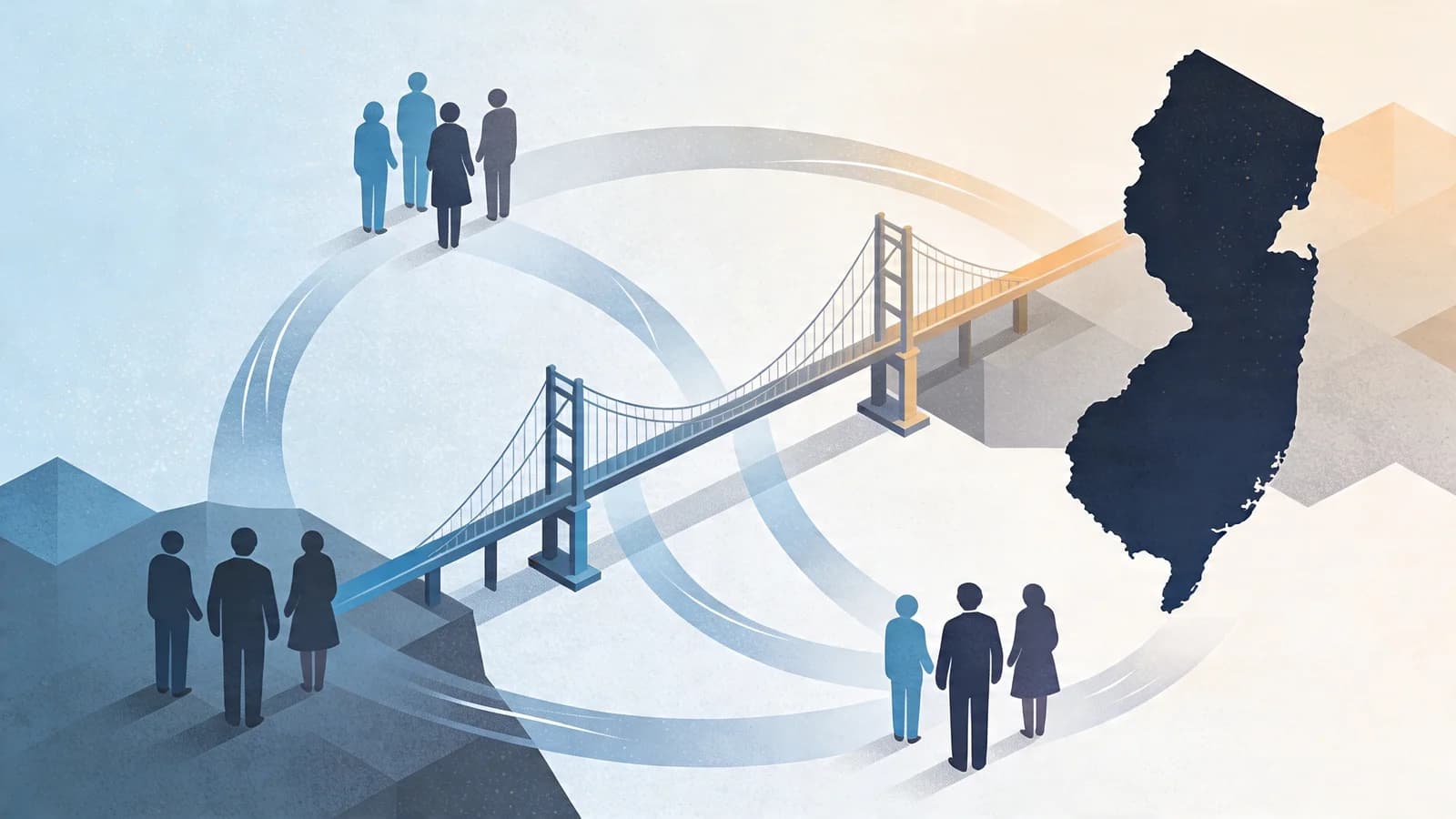
New Jersey has secured more than $1.1 billion in opioid settlement funds that will flow into the state through 2038, creating what officials describe as a generational opportunity to reshape how communities respond to addiction. The funding, drawn from national legal settlements with manufacturers, distributors, and retailers, arrives as the state grapples with how to deploy resources effectively while maintaining public trust.
The financial package is structured to balance centralized strategy with local autonomy. Approximately half of the total will be managed at the state level, while the remaining half is earmarked for 262 eligible local entities—including all 21 counties and municipalities with populations exceeding 10,000. This dual-track approach aims to combine the reach of statewide programs with the responsiveness of community-driven interventions.
Where the Money Goes
State-level allocations will support large-scale initiatives targeting systemic gaps in treatment infrastructure. These include expanding access to evidence-based care for opioid use disorder, increasing availability of medication-assisted therapies, and building coordinated referral systems that connect individuals to treatment more efficiently. The goal is to create frameworks that can be implemented consistently across New Jersey while allowing for regional adaptation.
Local governments, meanwhile, have discretion to address specific community needs. Municipalities and counties can fund targeted outreach programs, community-based prevention initiatives, and localized recovery support services. This flexibility is particularly important in areas where the crisis has hit hardest, enabling a more immediate and context-specific response.
Permitted Uses and Restrictions
All expenditures must directly contribute to opioid abatement, with spending confined to four primary categories: treatment, prevention, recovery and harm reduction, and specialized support for vulnerable populations. This framework emphasizes a comprehensive approach that addresses both immediate addiction effects and underlying contributing factors.
Treatment expansion remains central to the strategy, with particular emphasis on reducing barriers to medication-assisted treatment—a method widely recognized as among the most effective for managing opioid addiction. Prevention efforts include public education campaigns and initiatives targeting over-prescribing by healthcare providers. Recovery and harm reduction programs encompass naloxone distribution, support networks, and connections to housing and employment services.
Specialized initiatives extend reach to populations often underserved or disproportionately affected, including pregnant and parenting individuals and those involved in the justice system. The intersection of addiction and incarceration presents unique challenges that require tailored solutions.
Accountability Challenges
The management of these funds has already generated controversy. In 2025, a decision to redirect $45 million of the state's share to four large hospital systems drew criticism from advocates and public officials who argued the move diverted resources from frontline services. Legislative efforts are now underway to return those funds to their intended purpose and ensure hospital funding flows through alternative budget mechanisms.
At the local level, questions about appropriate use have also surfaced. A report highlighting more than $600,000 spent on opioid awareness concerts in one municipality prompted renewed scrutiny and led to updated guidance clarifying acceptable expenditures. These incidents underscore the importance of robust oversight and enforceable standards.
National Context
New Jersey's experience reflects broader national challenges in managing opioid settlement funds. Johns Hopkins University and KFF Health News now oversee a tracking project called Payback that monitors expenditures across jurisdictions, creating incentives for evidence-based spending decisions. The university's Center for Mental Health and Addiction Policy also identifies and publicizes innovations from around the country, giving states access to proven strategies.
Other jurisdictions offer lessons New Jersey might consider. Minnesota's public health officer eliminated county lines to direct resources more efficiently, allocating funds to school districts for early prevention and creating grant programs for secondary education. North Carolina has focused on reducing addiction stigma to prevent discrimination and encourage treatment-seeking, using email and websites to reach those who fear consequences of contact.
Looking Forward
With budget season underway and a new administration committed to transparency, New Jersey's approach to its opioid challenge will likely receive heightened scrutiny. Governor Mikie Sherrill has pledged to improve government processes, and the settlement funds represent both a significant responsibility and an opportunity to demonstrate effective stewardship.
The true measure of this $1.1 billion investment will not be found in the amount distributed, but in outcomes produced—lives saved, families restored, and communities strengthened. As the funds continue flowing through 2038, sustained focus on accountability and evidence-based practice will determine how this chapter in New Jersey's public health history is ultimately written.
Editorial Board
LADC, LCPC, CASAC
The Rainier Rehab editorial team consists of licensed addiction counselors, healthcare journalists, and recovery advocates dedicated to providing accurate, evidence-based information about substance abuse treatment and rehabilitation.
Related Articles

Virginia Awards Record $35.2 Million in Opioid Settlement Grants to 150 Community Projects
Virginia Opioid Abatement Authority announces largest funding round to date, supporting prevention, treatment, recovery and harm reduction initiatives across the Commonwealth.

Baltimore County Launches Public Dashboard to Track $90 Million in Opioid Settlement Spending
Baltimore County unveils a transparent online dashboard allowing residents to monitor how opioid settlement funds are being used to combat the addiction crisis.

Philadelphia's Kensington Project: When Opioid Settlement Money Meets Community Revitalization
A legal battle over Philadelphia's plan to use opioid settlement funds for neighborhood revitalization raises fundamental questions about how communities should spend billions in recovery dollars.