Major Lancet Study Finds Cannabis Legalization Increases Addiction When Commercialized
Landmark global analysis reveals decriminalization doesn't raise use, but for-profit markets drive higher addiction rates and more potent products.
28 articles found
Browse Rainier Rehab's editorial coverage of Clinical research. Our writers track federal and state policy, peer-reviewed research, treatment innovations, and frontline reporting from the addiction recovery field. Each article in this collection cites primary sources — government datasets (SAMHSA, NIH, CDC), Medicaid and Medicare bulletins, JAMA and Lancet studies, and on-the-record statements from clinicians, regulators, and people in recovery — so readers can verify claims and dig deeper.
We update this tag whenever new clinical research reporting publishes. If you're a researcher, journalist, or family member trying to make sense of substance use disorder treatment, this is the working archive. For a directory of accredited treatment facilities, visit our facilities directory; to compare modalities, see our treatments overview and levels of care guide.

Landmark global analysis reveals decriminalization doesn't raise use, but for-profit markets drive higher addiction rates and more potent products.

University of Southern California receives funding to launch its first clinical study of psilocybin-assisted therapy combined with mindfulness meditation for mental well-being.

New UCLA research finds that California adolescents using drugs or alcohol face triple the suicide risk, with nearly half experiencing serious psychological distress.

New research on 600,000+ veterans reveals GLP-1 drugs like Ozempic and Wegovy significantly reduce substance use disorders across alcohol, opioids, cocaine, and nicotine.
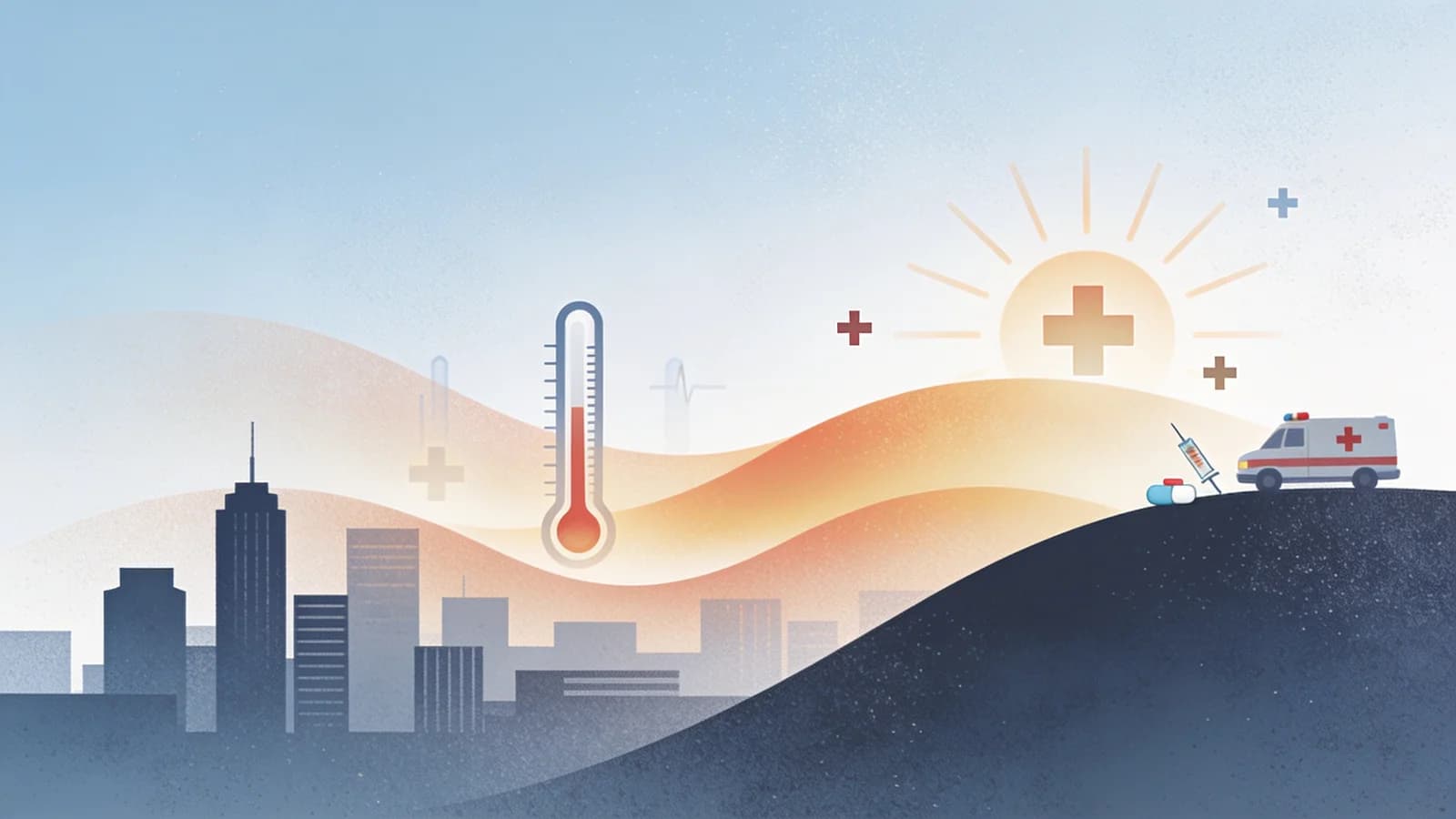
New research reveals that rising temperatures significantly increase overdose mortality, with each degree of heat index elevation contributing to approximately 150 excess deaths annually.
New research reveals GLP-1 medications like Ozempic and Wegovy may significantly reduce opioid overdoses and alcohol intoxication rates.

Research finds semaglutide combined with cognitive behavioral therapy reduces alcohol cravings more than therapy alone, suggesting new approach to addiction treatment

Researchers create a new class of compounds that activate serotonin receptors linked to brain healing without causing hallucinations, potentially opening addiction treatment to broader populations.

First randomized double-blind study in Sweden finds psilocybin provides clinically meaningful depression relief within days, with 53% remission rate at six weeks.

UC San Francisco and Imperial College London researchers discover that one 25mg dose of psilocybin creates measurable anatomical brain changes lasting at least a month.

As overdose deaths finally begin to fall, a new class of ultra-potent synthetic opioids is emerging in the US drug supply, presenting unprecedented challenges for detection and treatment.

Achieve Life Sciences assembles veteran pharmaceutical leadership team from Verona Pharma ahead of FDA decision on cytisinicline, the first novel smoking cessation therapy since 2006.

NIH-funded research reveals how oral GLP-1 medications penetrate deep into brain reward circuits, offering new pathways for treating substance use disorders beyond weight loss.

CDC study reveals gabapentin detection in overdose deaths increased significantly, with 85-90% of cases also involving opioids

Research identifies novel mechanism where oral GLP-1 medications penetrate deep into brain's reward center, opening potential pathways for treating addiction

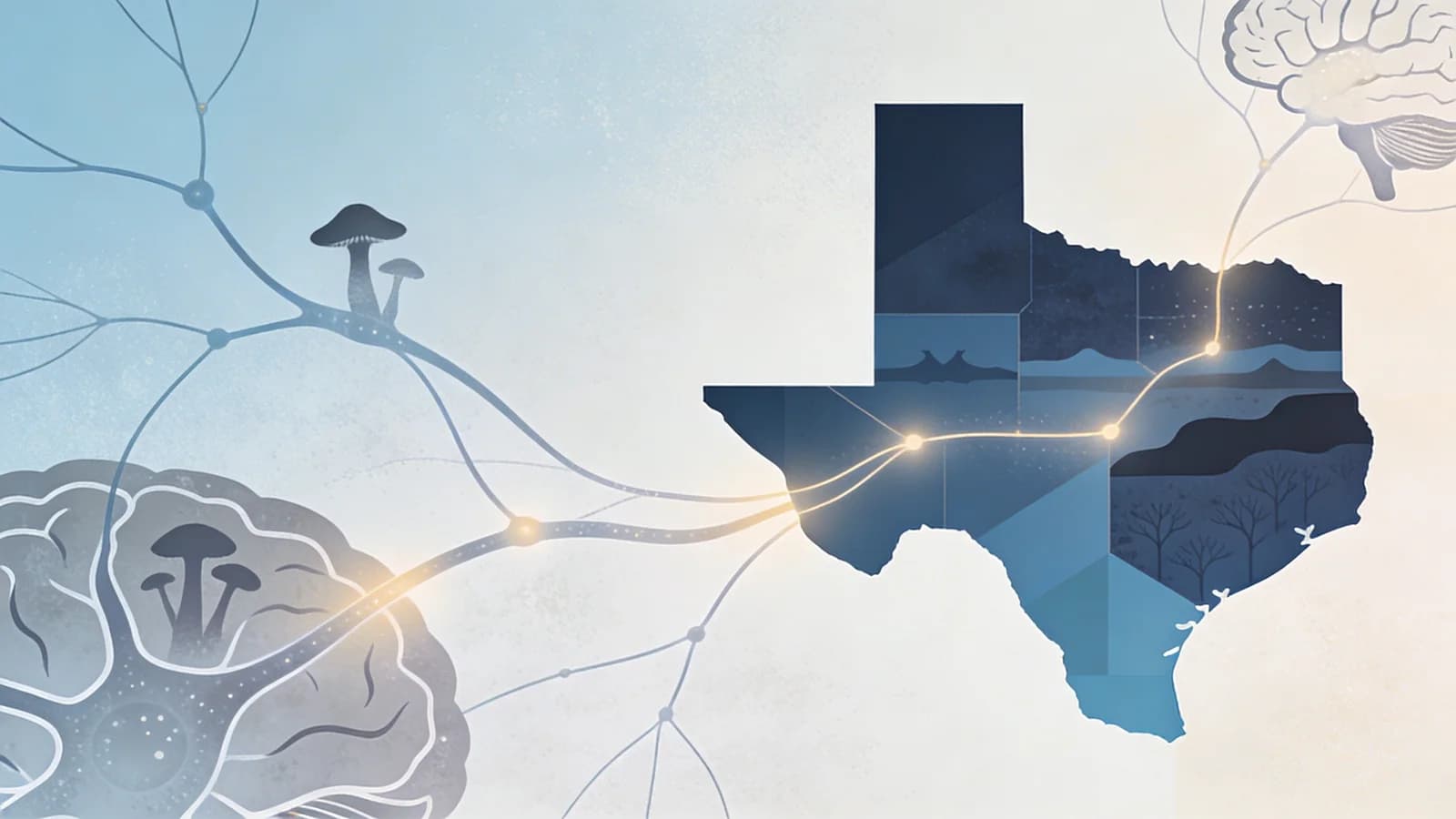
Texas is developing a medical psilocybin program to treat depression, PTSD, and substance use disorders, with support from Trump's executive order and FDA fast-tracking.

Allegheny County's innovative program uses GLP-1 medications like Ozempic and Wegovy to reduce substance use and keep parents with their children.

Agency accelerates regulatory action on psilocybin, methylone, and noribogaine following Trump executive order, issuing priority vouchers and clearing Phase 1 studies.

Study of 600,000 U.S. veterans finds GLP-1 drugs like Ozempic and Wegovy associated with dramatic reductions in substance use disorder complications, overdoses, and deaths.

New research reveals 20% of U.S. pharmacies refuse to dispense buprenorphine, creating critical barriers to opioid addiction treatment despite federal expansion efforts.

President Trump signed an executive order accelerating psychedelic drug research, directing FDA priority vouchers, Right to Try access, and $50 million in federal-state partnerships.

White House prepares executive order to fund research into ibogaine for PTSD and traumatic brain injury, potentially opening new avenues for addiction treatment research.

CDC data shows historic 37% decline in drug deaths since 2023 peak, but medetomidine, cychlorphine, and nitazenes threaten progress.

Lykos Therapeutics slashes workforce by 75% after Complete Response Letter reveals FDA concerns about trial design and durability, forcing psychedelic research firms to reconsider regulatory strategy.

Phase 3 study of 339 adults finds cheap, widely available medication cuts meth use by seven days per month, offering first pharmacological treatment option for stimulant use disorder.

National Institute on Drug Abuse researchers transform a dangerous synthetic opioid class into a potential therapeutic, creating a compound that relieves pain without causing tolerance, dependence, or fatal overdose risk.

New clinical criteria establish age-specific guidelines for patients under 18 and transition-aged youth 16-25, emphasizing family involvement and developmentally appropriate care.

More than 15 clinical trials are testing whether semaglutide and other GLP-1 receptor agonists can reduce cravings by altering dopamine pathways in the brain's reward system.