
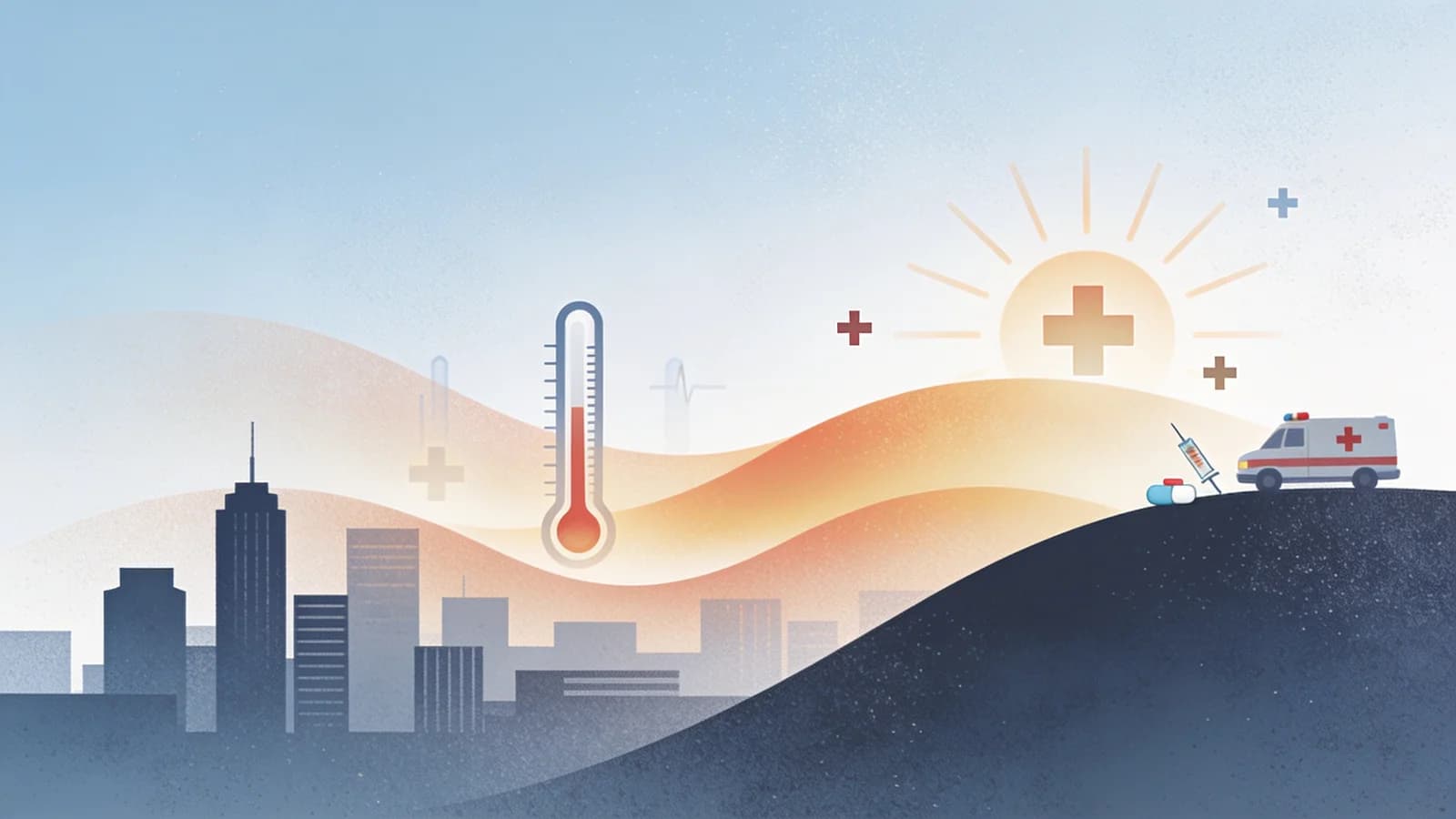
Extreme Heat Amplifies Overdose Risk, Yale Study Finds
As temperatures soar across the United States this Fourth of July weekend, public health officials are warning of an often-overlooked danger: extreme heat significantly increases the risk that a drug overdose will prove fatal. A comprehensive study led by researchers at Yale University has quantified this relationship, finding that each degree of heat index elevation contributes to measurable increases in overdose mortality.
The Heat-Overdose Connection
The Yale study, published in the journal Addiction, analyzed overdose deaths across nearly every U.S. county between 1999 and 2020, focusing on summer months when temperatures peak. Rather than examining air temperature alone, researchers used the heat index—a measure combining temperature and humidity that better reflects physiological stress on the human body.
Their findings were striking. Each 1°C increase in the heat index was associated with a measurable increase in overdose mortality, particularly deaths involving opioids, cocaine, and psychostimulants like methamphetamine. The researchers estimated that approximately 150 excess overdose deaths occur each year during periods of extreme heat.
While this number may seem modest compared to the tens of thousands of annual overdose deaths, the cumulative effect becomes significant when applied across millions of people during increasingly frequent heat waves. As climate change brings hotter summers and more extreme weather events, this previously underrecognized risk factor demands attention from policymakers and public health officials.
How Heat Amplifies Drug Toxicity
The biological mechanisms linking heat and overdose mortality vary by substance class, but several common pathways emerge. Extreme heat places additional strain on the cardiovascular, respiratory, and thermoregulatory systems, reducing the body's physiological reserve to survive drug intoxication.
Under normal conditions, the body dissipates excess heat through sweating and enhanced blood flow to the skin. High humidity, dehydration, many medications, and psychoactive drugs can impair these protective systems. As body temperature rises, the heart works harder, oxygen requirements increase, and dehydration further compromises circulation.
Stimulants—including cocaine, methamphetamine, prescription amphetamines, and MDMA—increase metabolic heat production while elevating heart rate and blood pressure. These substances also impede the body's ability to cool itself. Individuals using stimulants may increase physical activity while experiencing reduced awareness of overheating, creating a dangerous combination.
Emergency physicians have long recognized hyperthermia as a component of stimulant overdose syndrome. During the cocaine epidemic of the 1980s and 1990s, aggressive external cooling—including ice-water immersion—became standard treatment because lowering body temperature proved as critical as addressing the intoxication itself.
Opioids pose a different but equally dangerous threat. Respiratory depression remains the leading cause of fatal opioid overdose, but heat magnifies this risk in several ways. Dehydration and cardiac stress reduce the body's reserve capacity, while fentanyl-induced respiratory depression limits oxygen delivery precisely when heat increases metabolic demands. Together, these physiological stresses can transform a potentially survivable overdose into a fatal one.
Vulnerable Populations
The Yale researchers found that the largest increases in overdose mortality during heat events occurred among populations facing multiple vulnerabilities. People experiencing homelessness, those with unstable housing, individuals in poverty, and those with limited access to air conditioning or healthcare all showed disproportionate risk increases.
Many in these groups use drugs alone, making timely rescue with naloxone less likely. Others avoid cooling centers due to stigma, untreated mental illness, or fear of law enforcement interaction. In these settings, biological vulnerability and social vulnerability reinforce each other, creating conditions where extreme heat becomes deadly.
The intersection of climate change and the overdose crisis thus falls most heavily on those already marginalized by housing instability, poverty, and inadequate healthcare access. This pattern mirrors broader observations about climate vulnerability, where the health impacts of rising temperatures disproportionately affect disadvantaged communities.
Medications and Thermoregulation
Beyond recreational drugs, several classes of commonly prescribed medications can impair the body's ability to regulate temperature during heat events. Diuretics promote fluid loss and dehydration. Beta blockers and ACE inhibitors affect cardiovascular responses to heat stress. Antipsychotics and certain antidepressants interfere with sweating, thirst sensation, or central thermoregulation.
When individuals taking these medications also use recreational drugs, the combined effects can substantially increase heat-related risks. The CDC has issued specific guidance for clinicians on managing medications during extreme heat events, including recommendations to review drug regimens for patients at risk.
Alcohol presents additional concerns. Beyond its direct toxic effects, alcohol promotes dehydration and impairs judgment, making it less likely that someone will recognize heat illness symptoms or seek help. The combination of alcohol use with extreme heat creates particular risks during summer holidays and outdoor events.
Emerging Research Consensus
The Yale findings align with a growing body of research establishing the heat-overdose connection. California researchers found that hotter days were associated with increased emergency department visits involving opioids, cocaine, and amphetamines. A Canadian study reported higher cocaine overdose mortality during periods of elevated ambient temperature. A recent systematic review concluded that extreme heat consistently increases emergency healthcare utilization related to substance use disorders.
Different drugs interact with heat through distinct biological pathways, but the overall conclusion has become increasingly consistent across studies and geographic contexts. Heat acts as a force multiplier for overdose risk, amplifying the lethality of substances that might be survivable under milder conditions.
This emerging consensus has important implications for how public health agencies approach both overdose prevention and climate adaptation. Traditionally, overdose prevention has focused on the drug itself—its dose, potency, contaminants, and the individual's underlying vulnerability. The new research suggests that environmental factors deserve equal consideration in prevention strategies.
Practical Prevention Strategies
The recognition that heat amplifies overdose risk opens several avenues for intervention. Expanding naloxone availability becomes even more critical during summer months and heat waves, as does ensuring that outreach workers and harm reduction programs have adequate supplies.
Hydration and cooling stations in areas with high rates of drug use can provide immediate relief during extreme heat events. These interventions are relatively inexpensive compared to the human and economic costs of preventable overdose deaths, yet they remain underutilized in many communities.
Outreach to people experiencing homelessness requires particular attention during heat waves. Mobile health units, peer support workers, and emergency response teams can check on vulnerable individuals, provide water and cooling supplies, and connect people with shelter and treatment services.
Medication reviews for patients on psychotropic drugs can identify those at elevated heat risk. Clinicians should discuss heat safety with patients taking medications that impair thermoregulation, particularly those with co-occurring substance use disorders.
Public health messaging should incorporate heat awareness into overdose prevention campaigns. Just as agencies warn older adults, children, and individuals with chronic medical conditions to stay cool and hydrated during heat advisories, people who use drugs should be recognized as another high-risk group requiring targeted outreach.
Climate Change and the Overdose Crisis
The intersection of rising temperatures and overdose mortality illustrates how climate change affects health through multiple pathways. Direct effects like heat stroke and cardiovascular stress are well recognized, but indirect effects—disrupting healthcare access, exacerbating mental health conditions, and amplifying drug toxicity—may prove equally significant.
As extreme heat becomes more frequent and intense, the cumulative burden of heat-related overdose deaths will likely grow. Communities that have made progress reducing overdose mortality through expanded treatment access and harm reduction may see those gains partially offset by climate-driven increases during summer months.
Addressing this challenge requires integrating climate adaptation into overdose prevention strategies. Cooling centers, hydration stations, and heat-warning systems should explicitly consider the needs of people who use drugs. Emergency response protocols should account for the possibility that apparent heat illness may involve co-occurring drug intoxication.
For people struggling with opioid addiction, understanding environmental risk factors like extreme heat adds another dimension to harm reduction. Treatment programs that help individuals achieve recovery not only address the immediate risks of active use but also remove the vulnerability to environmental stressors that can make overdose more likely.
The Yale study ultimately reminds us that overdose prevention requires attention to the full context in which drug use occurs. The drug itself matters, but so do the circumstances—whether someone uses alone or with others, whether naloxone is available, and increasingly, whether the temperature outside creates additional physiological stress. As climate change reshapes our environment, effective public health responses must adapt accordingly.
Editorial Board
LADC, LCPC, CASAC
The Rainier Rehab editorial team consists of licensed addiction counselors, healthcare journalists, and recovery advocates dedicated to providing accurate, evidence-based information about substance abuse treatment and rehabilitation.
Related Articles

Sealing Abandoned Houses Cut Fatal Overdoses 17.6% on Philadelphia Blocks
A Penn study of 1,667 Philadelphia blocks found sealing abandoned rowhouses was tied to a 17.6% drop in fatal overdoses — while one-time vacant lot cleanups went the other way.
Nearly Half of Outdoor Overdoses in One Florida County Happen Near Gas Stations, Study Finds
Mapping 1,661 non-fatal overdoses in Palm Beach County, FAU researchers found outdoor events cluster near gas stations and major transportation corridors.
Gabapentin Linked to Rising Overdose Deaths as 90% of Cases Involve Opioids
CDC study reveals gabapentin detection in overdose deaths increased significantly, with 85-90% of cases also involving opioids