
Gabapentin Linked to Rising Overdose Deaths as 90% of Cases Involve Opioids
Gabapentin Linked to Rising Overdose Deaths as 90% of Cases Involve Opioids
A widely prescribed nerve pain medication is increasingly appearing in fatal overdose cases across the United States, often alongside powerful opioids that amplify its lethal potential. According to data published in the CDC's Morbidity and Mortality Weekly Report, gabapentin detection and involvement in drug overdose deaths increased significantly during 2019 and 2020—and the trend shows no signs of reversing.
Gabapentin, marketed under brand names like Neurontin and Gralise, ranks as the seventh most commonly prescribed medication in the United States. Originally approved for treating epilepsy and nerve pain, doctors increasingly prescribe it off-label for conditions ranging from anxiety to insomnia. Its accessibility and reputation as a safer alternative to opioids have contributed to skyrocketing prescription rates over the past decade.
The Dangerous Synergy
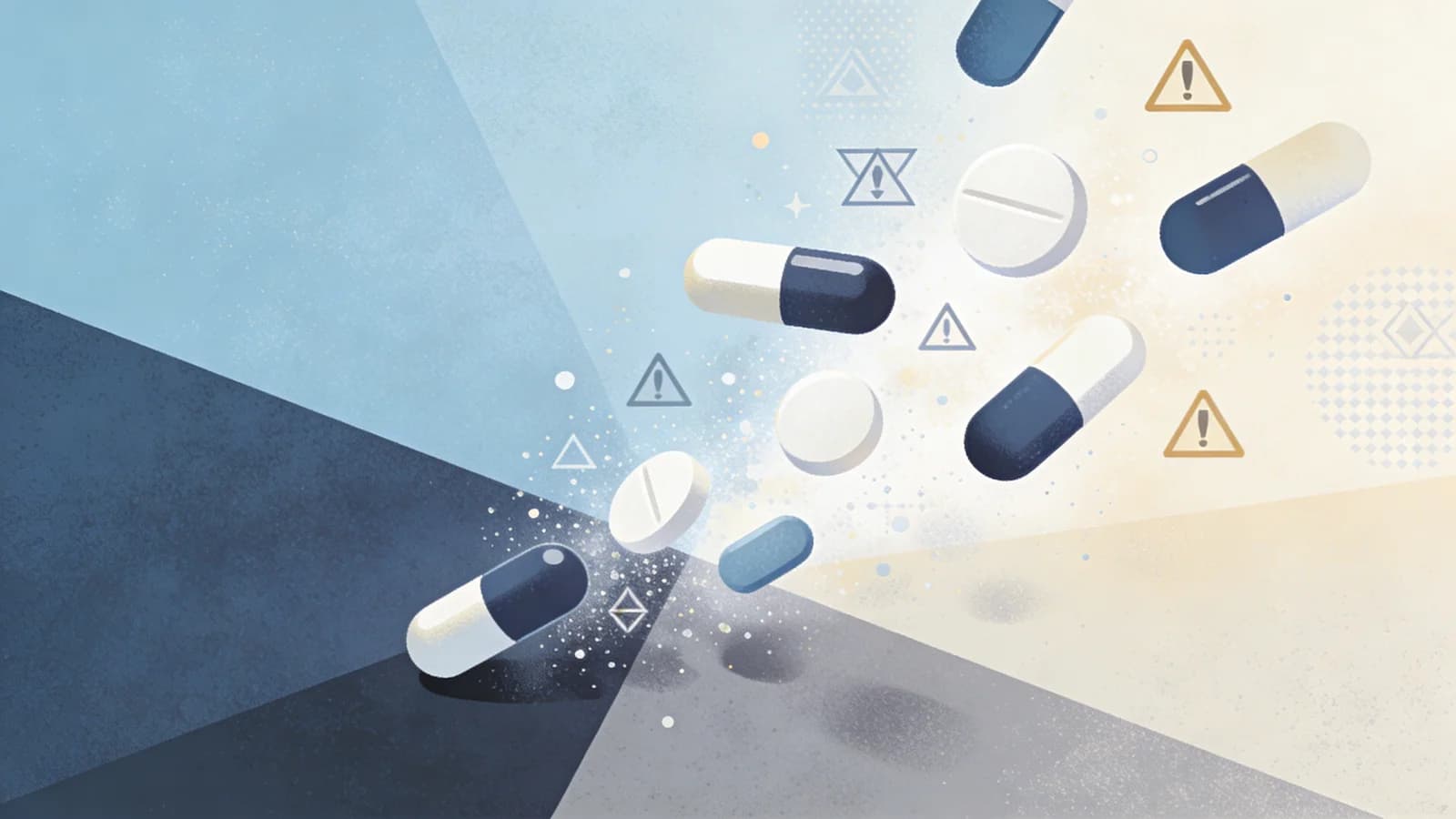
The CDC analysis reveals a troubling pattern: gabapentin rarely acts alone in fatal overdoses. Between 85% and 90% of opioid-involved deaths with gabapentin detected also involved other substances, primarily opioids. This combination creates a pharmacological perfect storm.
Gabapentin belongs to a class of medications called gabapentinoids, which work by modulating calcium channels in the nervous system. While not an opioid itself, gabapentin produces sedative effects that compound the respiratory depression caused by heroin, fentanyl, and prescription painkillers. When taken together, these substances don't merely add their effects—they multiply them.
"These GABAergic medications cause respiratory depression in overdose," explains recent clinical analysis published in Psychiatric Times, "and will synergistically significantly increase the risk of accidental death when used in combination with opioids."
From Prescription to Street Drug
The problem extends beyond legitimate medical use. People who use illicit opioids have discovered that gabapentin can intensify their high, leading to deliberate co-use. The medication's widespread availability—often prescribed with minimal monitoring—makes it an attractive adjunct to street drugs.
Research published in addiction medicine journals documents this phenomenon extensively. Some individuals take gabapentin to extend the duration of opioid effects or to mitigate withdrawal symptoms when their primary drug of choice becomes scarce. Others receive prescriptions for legitimate pain conditions while simultaneously struggling with opioid use disorder, creating dangerous polypharmacy scenarios.
The drug's pharmacokinetic profile compounds the risk. Gabapentin reaches peak concentration two to three hours after ingestion, meaning someone might take their prescribed dose, then use opioids hours later without realizing the combined danger. Unlike naloxone-reversible opioid overdoses, gabapentin toxicity has no specific antidote.
Regulatory Blind Spots
Despite mounting evidence of harm, gabapentin remains classified as a Schedule V controlled substance only in a handful of states. The federal government has resisted calls to impose nationwide scheduling, citing the drug's legitimate medical applications for epilepsy and neuropathic pain.
This regulatory status creates monitoring gaps. Prescription drug monitoring programs in many states don't track gabapentin with the same scrutiny applied to opioids. Patients can obtain prescriptions from multiple providers without triggering alerts. The medication's low cost and non-opioid classification lead some physicians to prescribe it as a seemingly safer alternative, even when evidence suggests limited efficacy for certain off-label uses.
For people struggling with opioid addiction, the ubiquity of gabapentin presents an underrecognized risk factor. Treatment programs increasingly report clients arriving with prescriptions for gabapentin alongside their opioid use disorder, often unaware of the potentially fatal interaction.
Clinical Implications
The CDC findings demand immediate attention from prescribers, pharmacists, and harm reduction advocates. Medical professionals must recognize gabapentin's potential for misuse and its deadly synergy with opioids.
Several clinical strategies emerge from the research. Providers should screen for substance use disorder before prescribing gabapentin, particularly to patients with histories of opioid use. Those who do receive prescriptions require clear warnings about combining the medication with other sedatives. Pharmacists can play a crucial role by counseling patients at the point of dispensing and flagging potentially dangerous combinations.
Harm reduction organizations increasingly include gabapentin in their overdose prevention education. The message parallels naloxone messaging: never use alone, start with small amounts, and understand that mixing substances dramatically increases overdose risk.
The Path Forward
Addressing the gabapentin overdose crisis requires balancing legitimate medical needs against emerging safety concerns. blanket restrictions could harm patients who genuinely benefit from the medication for epilepsy or neuropathic pain conditions. However, continued inaction in the face of rising mortality is equally untenable.
Some states have implemented prescription monitoring for gabapentin without full scheduling, creating middle-ground approaches that preserve access while enabling surveillance. Enhanced provider education about off-label prescribing risks represents another low-cost intervention. Most importantly, integrating gabapentin awareness into existing opioid addiction treatment protocols could save lives among the highest-risk populations.
The CDC data serves as a wake-up call. As the opioid crisis evolves, so do the substances that fuel it. Gabapentin's journey from niche epilepsy treatment to seventh-most-prescribed medication in America illustrates how pharmaceutical solutions can inadvertently create new problems. Recognizing this pattern—and responding with appropriate clinical and policy adjustments—remains essential for reducing overdose deaths in the years ahead.
Sources
Editorial Board
LADC, LCPC, CASAC
The Rainier Rehab editorial team consists of licensed addiction counselors, healthcare journalists, and recovery advocates dedicated to providing accurate, evidence-based information about substance abuse treatment and rehabilitation.
Related Articles

A Patch That Senses Fentanyl Through the Skin and Releases Its Own Antidote
Virginia Tech researchers built a battery-free microneedle patch that senses fentanyl under the skin and releases naloxone on its own — human use is four years out.

Sealing Abandoned Houses Cut Fatal Overdoses 17.6% on Philadelphia Blocks
A Penn study of 1,667 Philadelphia blocks found sealing abandoned rowhouses was tied to a 17.6% drop in fatal overdoses — while one-time vacant lot cleanups went the other way.
Nearly Half of Outdoor Overdoses in One Florida County Happen Near Gas Stations, Study Finds
Mapping 1,661 non-fatal overdoses in Palm Beach County, FAU researchers found outdoor events cluster near gas stations and major transportation corridors.