
CDC Finds Rare Hib Clusters in Drug Users, Homeless Adults
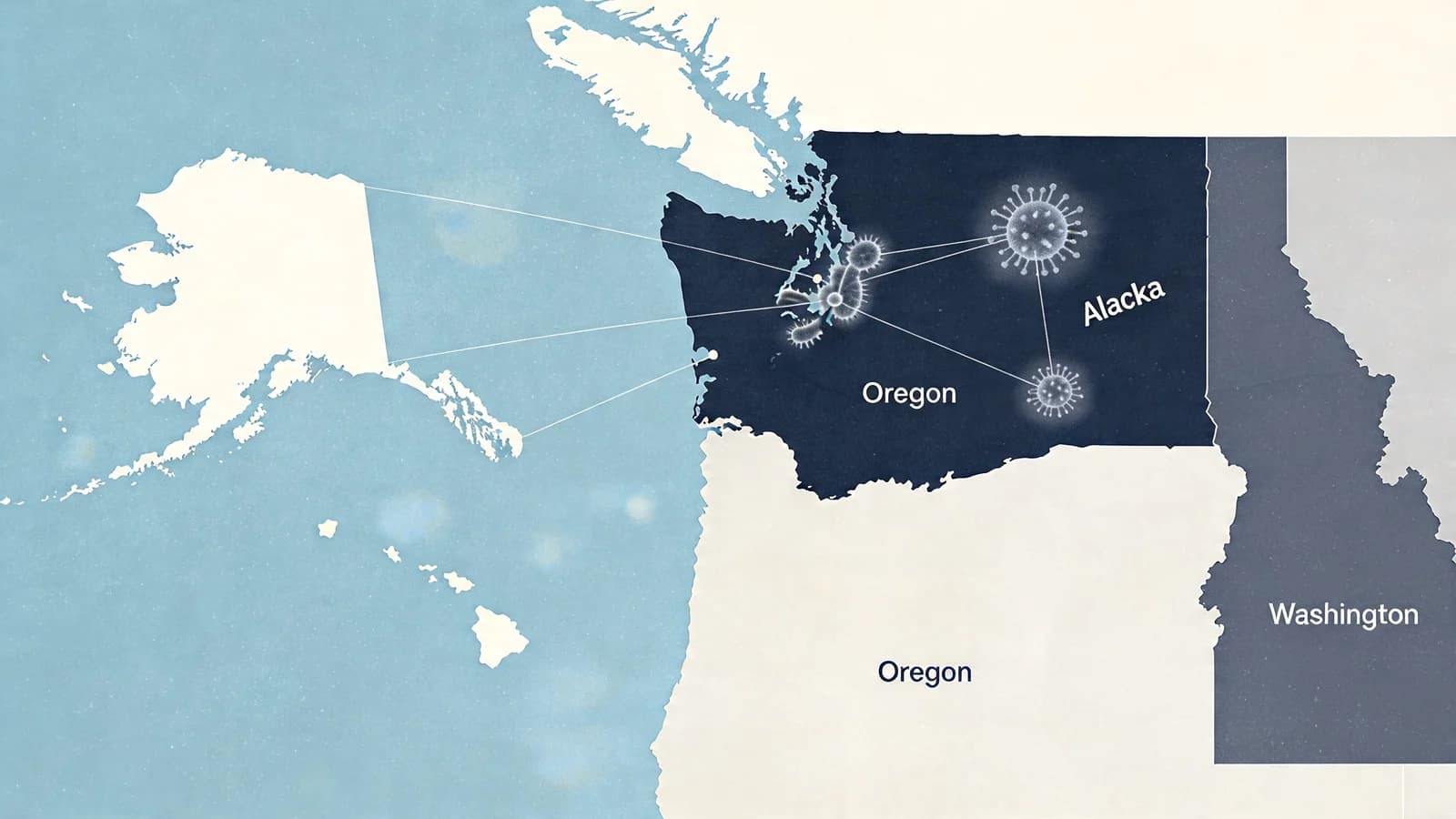
The Centers for Disease Control and Prevention has documented an unusual public health development in the Pacific Northwest: two distinct clusters of invasive Haemophilus influenzae type b (Hib) disease affecting 44 adults across Alaska, Oregon, and Washington. The cases, identified between April 2023 and December 2025, reveal a troubling vulnerability among populations experiencing homelessness or housing instability and those using substances—a demographic already facing disproportionate health burdens.
This marks the first time in decades that Hib, a vaccine-preventable bacterial infection largely eliminated from routine circulation through childhood immunization programs, has emerged as a significant threat to adult populations in the United States.
The Resurgence of a Nearly Forgotten Threat
Before 1987, Hib ranked among the leading causes of invasive bacterial disease in young children, triggering meningitis, pneumonia, epiglottitis, and septic arthritis. The introduction of Hib conjugate vaccines transformed the epidemiological landscape so dramatically that invasive Hib disease became rare in both children and adults, with outbreaks virtually disappearing from public health surveillance.
The recent clusters shatter this complacency. In Anchorage, Alaska, 14 cases formed one genetically distinct cluster. A second cluster spanning Seattle/King County in Washington (23 cases) and the Portland tri-county area in Oregon (7 cases) comprised a separate bacterial lineage. Whole-genome sequencing confirmed the isolates represented two distinct strains, both sequence type 6, separated by more than 200 single nucleotide polymorphisms.
A Profile of Vulnerability
The demographic and clinical characteristics of affected individuals paint a stark picture of intersecting vulnerabilities. The median patient age was 53.5 years, with 61% male. Among the 44 patients, an overwhelming 77% reported smoking at least one substance—tobacco in 27 cases, marijuana in 15, fentanyl in 13, methamphetamine in 7, and cocaine in 3. An identical 77% reported illicit substance use, with amphetamines and methamphetamine mentioned in 28 cases, opioids in 27, and cocaine in 9.
Housing instability proved equally prevalent. Sixty-eight percent of patients were experiencing homelessness or housing instability at the time of illness. These social determinants of health created conditions where a bacterium rarely encountered in adult populations could establish transmission networks.
Clinically, the disease manifested severely. Ninety-eight percent developed bacteremia, 95% pneumonia, and 91% required hospitalization. Five patients died—an 11% case fatality rate that underscores the serious nature of invasive Hib disease even in the modern antibiotic era.
The Vaccination Gap
Perhaps most striking was the vaccination status of affected individuals. Ninety-one percent lacked documentation of Hib vaccination. Among these 40 unvaccinated patients, 88% would not have been eligible for routine childhood Hib immunization simply because of their age—they were born before the vaccine's introduction and recommendation in 1987-1988.
This generational divide in vaccine protection reveals a hidden vulnerability in the adult population. Unlike children who have grown up with universal Hib vaccination, adults over 40 may lack both natural immunity from childhood exposure (which was universal before vaccine introduction) and vaccine-induced protection. Any immunity from early-life exposure has likely waned over decades.
Substance Use and Susceptibility
The CDC report highlights mechanisms by which chronic substance use increases infection risk. Beyond behavioral factors and environmental exposures associated with homelessness and unstable housing, substance use itself modulates immune responses. The high prevalence of pneumonia (95%) among patients, compared to 50% in historical adult Hib cases, suggests that smoking—whether tobacco, fentanyl, methamphetamine, or other substances—may compromise respiratory defenses in ways that facilitate invasive bacterial disease.
Injection drug use, identified in 20% of cases, provides another route for bacterial invasion. However, the predominance of pneumonia over other invasive syndromes suggests respiratory transmission and compromised lung immunity rather than direct bloodstream inoculation as the primary pathogenesis.
Public Health Surveillance Challenges
The investigation exposed significant gaps in public health surveillance infrastructure. In Washington state, invasive Hib disease was not reportable among adults at the time cases were identified—only cases in children under 5 years required reporting. This limitation meant the cluster was initially detected by an academic hospital rather than through routine public health surveillance, potentially delaying recognition and response.
Even where reporting was comprehensive, investigating cases among populations experiencing homelessness presented formidable challenges. Transitory living situations, limited contact information, and complex social networks made identifying epidemiologic connections difficult. The potential for asymptomatic Hib carriage further complicates transmission investigations, as the bacterium can spread from individuals showing no symptoms.
Response and Prevention Strategies
The public health response to these clusters remains evolving. In British Columbia, Canada, where similar Hib increases occurred among adults with housing instability and substance use, health authorities implemented targeted vaccination campaigns with apparent success—case numbers declined following intervention. Anchorage has begun offering Hib vaccination to adults experiencing homelessness.
However, developing optimal vaccination strategies for at-risk adult populations requires data currently lacking. Small studies suggest that a single dose of Hib conjugate vaccine produces immunogenic responses in adults, but the duration of protection and optimal targeting strategies remain uncertain. Expanding vaccination to all adults with substance use or housing instability would require substantial resources and careful prioritization.
Implications for Addiction Treatment and Healthcare Delivery
These Hib clusters carry important implications for how healthcare systems engage with populations experiencing addiction and housing instability. The high hospitalization rate (91%) and substantial mortality (11%) demonstrate that preventable infectious diseases remain a major threat to these vulnerable groups. For people struggling with opioid addiction, the intersection of substance use, housing instability, and now vaccine-preventable disease adds another layer of health risk to an already challenging clinical picture.
The cases also highlight the importance of integrated care models that address not only substance use disorders but also the full spectrum of health needs—including vaccination, infectious disease prevention, and management of chronic conditions. Treatment programs that incorporate comprehensive medical care may provide opportunities to identify at-risk individuals and deliver preventive interventions like Hib vaccination.
Looking Forward
The CDC has called for enhanced surveillance for invasive H. influenzae disease among adults, particularly those using substances or experiencing homelessness. State health departments are encouraged to report such cases to CDC's meningococcal surveillance network to improve understanding of this emerging problem.
The emergence of Hib clusters in the Pacific Northwest may represent the leading edge of a broader trend. As the population of adults without childhood Hib vaccine protection ages, and as substance use and housing instability affect growing numbers of Americans, the conditions that enabled these outbreaks may become more widespread. Proactive surveillance, targeted vaccination, and integrated healthcare approaches for vulnerable populations will be essential to prevent future clusters and protect those at highest risk.
For clinicians and public health practitioners, these cases serve as a reminder that vaccine-preventable diseases can reemerge in unexpected populations when social and biological vulnerabilities align. The challenge now is to translate this recognition into effective prevention strategies that reach the adults who need them most.
Editorial Board
LADC, LCPC, CASAC
The Rainier Rehab editorial team consists of licensed addiction counselors, healthcare journalists, and recovery advocates dedicated to providing accurate, evidence-based information about substance abuse treatment and rehabilitation.
Related Articles

Sealing Abandoned Houses Cut Fatal Overdoses 17.6% on Philadelphia Blocks
A Penn study of 1,667 Philadelphia blocks found sealing abandoned rowhouses was tied to a 17.6% drop in fatal overdoses — while one-time vacant lot cleanups went the other way.

Cannabis Found in Nearly Half of Adolescent Overdose Deaths, CDC Data Show
New CDC report finds cannabis present in 42.7% of overdose deaths among 12- to 17-year-olds, raising questions about polysubstance risk and impaired judgment.
Nearly Half of Outdoor Overdoses in One Florida County Happen Near Gas Stations, Study Finds
Mapping 1,661 non-fatal overdoses in Palm Beach County, FAU researchers found outdoor events cluster near gas stations and major transportation corridors.