
GLP-1 Drugs Repurposed for Alcohol, Opioid, Cocaine Addiction
The same class of drugs that fueled a weight-loss revolution—GLP-1 receptor agonists like semaglutide (Ozempic, Wegovy) and tirzepatide (Mounjaro)—is now being tested in more than 15 clinical trials worldwide for a radically different purpose: treating substance use disorders.
Researchers at Stanford, Harvard, Washington University, and Brown University are investigating whether these medications can reduce cravings for alcohol, opioids, cocaine, and nicotine by altering dopamine signaling in the brain's reward pathways. While GLP-1 drugs are not yet FDA-approved for addiction treatment, early findings suggest they may represent a fundamentally new approach to managing the neurochemistry of craving itself.
From Weight Loss to Addiction Treatment
GLP-1 receptor agonists were originally developed to treat type 2 diabetes by mimicking a hormone that regulates insulin secretion. Their weight-loss effects—driven by reduced appetite and slower gastric emptying—led to FDA approval for obesity management. According to IQVIA Institute data, semaglutide prescriptions in the United States grew by approximately 67 percent between 2023 and 2025, making GLP-1 agonists among the most rapidly adopted drug classes in modern pharmaceutical history.
But as millions of patients began taking these medications, something unexpected emerged. Anecdotal reports surfaced of people losing interest not just in food, but in alcohol, cigarettes, and other substances. Reddit forums and social media filled with accounts of heavy drinkers who found themselves ordering one beer instead of five, or smokers who suddenly felt indifferent to nicotine.
The pattern was striking enough to catch the attention of addiction researchers, who recognized a potential biological mechanism at work. GLP-1 receptors are found not only in the pancreas and gut, but also in brain regions that regulate reward and motivation—the same circuits hijacked by addictive substances.
The Brain Chemistry Connection
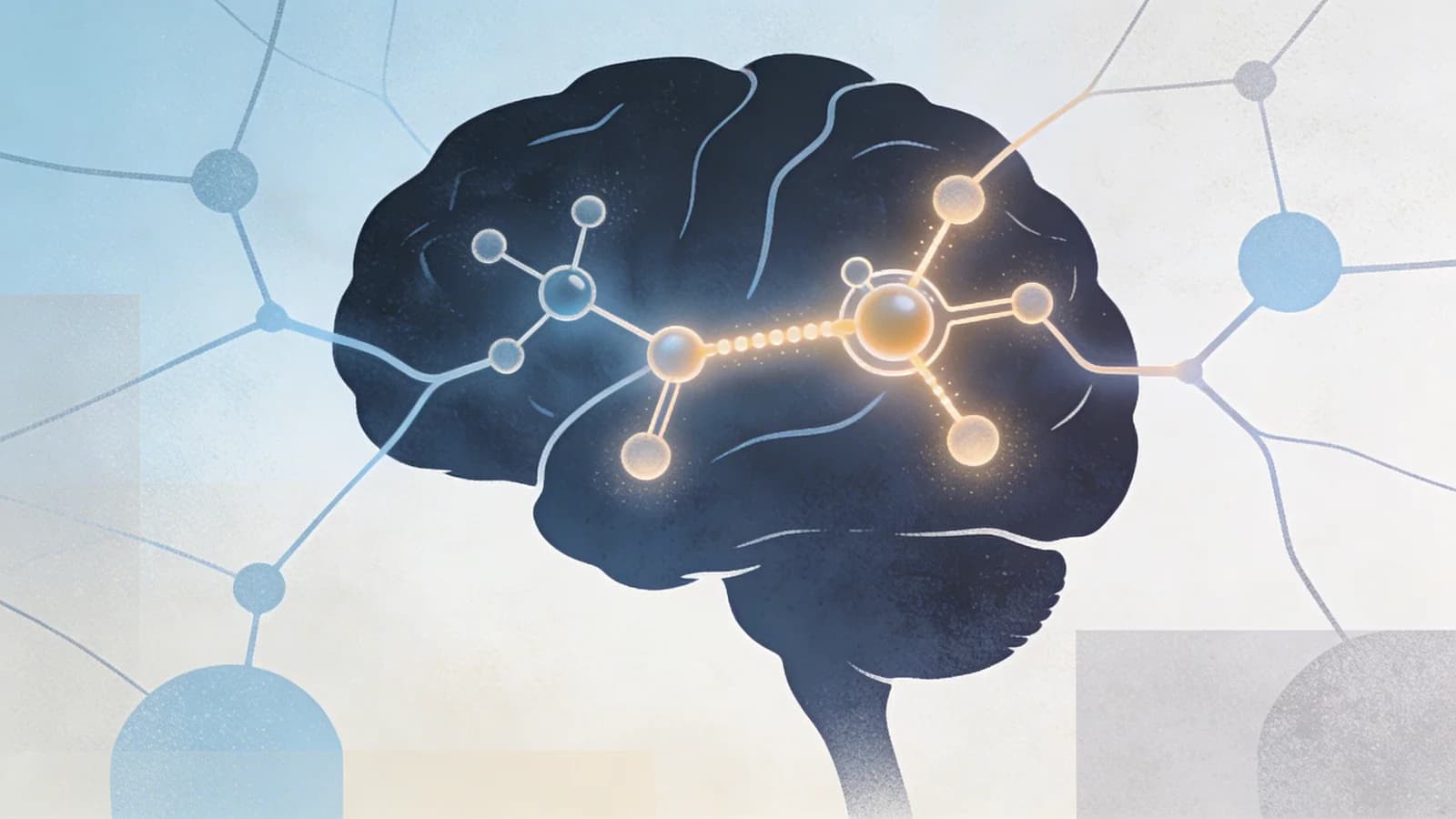
The brain's reward pathway—centered in the mesolimbic dopamine system—is the neurological foundation of addiction. Consuming drugs or alcohol temporarily increases dopamine firing above baseline in this pathway, creating a powerful reinforcement signal that drives repeated use.
GLP-1 receptors are present in the ventral tegmental area and nucleus accumbens, two brain structures central to dopamine regulation. When GLP-1 drugs bind to these receptors, they appear to blunt dopamine release and reduce reward signaling. That means people feel less driven to seek out food, alcohol, or drugs.
"By targeting these receptors, the drugs blunt dopamine release and reduce reward signaling," explained researchers at Brown University's School of Public Health in a July 2025 analysis. "That means people feel less driven to seek out food, alcohol or drugs."
This mechanism differs fundamentally from existing addiction medications. Methadone and buprenorphine work by occupying opioid receptors, preventing withdrawal and blocking the euphoric effects of opioids. Naltrexone blocks opioid and alcohol effects but does not reduce craving. Disulfiram makes alcohol consumption physically unpleasant. GLP-1 drugs, by contrast, may dampen the desire itself—not by blocking the substance's effects, but by recalibrating the brain's reward circuitry.
Clinical Trials Underway
As of January 2025, at least three Phase II clinical trials examining GLP-1 drugs and alcohol use disorder were actively enrolling participants across the United States, according to NIH reporting. By February 2026, that number had expanded to more than 15 global trials targeting a range of substance use disorders.
Stanford Medicine, Washington University, Harvard, and Brown University are all conducting trials. The Suzuki Lab at Brigham and Women's Hospital is running two trials—one for opioid use disorder and one for alcohol use disorder. Eli Lilly and Novo Nordisk, the manufacturers of tirzepatide and semaglutide respectively, have not publicly announced dedicated addiction trials as of this publication, but internal research investment in "cardiometabolic and beyond" indications suggests the pharmaceutical industry is closely monitoring the research landscape.
Most trials are enrolling patients with moderate to severe substance use disorder alongside standard behavioral therapy, with the GLP-1 medication as an adjunct treatment. Primary endpoints typically measure reductions in self-reported craving, days of substance use, and relapse rates over 12 to 24 weeks.
What the Research Shows
Alcohol Use Disorder
Alcohol use disorder has emerged as the most studied indication for GLP-1 addiction applications. Preclinical animal studies showed that GLP-1 receptor agonists reduced alcohol intake in rats bred to prefer alcohol. Human observational data from electronic health records suggested patients taking semaglutide for diabetes or obesity had lower rates of alcohol-related hospital admissions compared to matched controls.
A 2025 systematic review co-authored by researchers at Brigham and Women's Hospital concluded that while early data were promising, there was not yet enough evidence to recommend GLP-1 agonist drugs across substance use disorders. But by February 2026, the landscape had shifted. "A year later," said researcher Shen in a Harvard Gazette interview, "the landscape is changing."
The ongoing Phase II trials will provide the first randomized controlled evidence in humans. If successful, they could pave the way for FDA approval of GLP-1 drugs as a medication-assisted treatment option for alcohol use disorder—a condition that affects an estimated 14.5 million Americans and has few effective pharmacological interventions.
Opioid and Stimulant Use
The evidence base for GLP-1 drugs in opioid and stimulant use disorders is more preliminary. Animal models have shown reduced cocaine and methamphetamine self-administration in rodents treated with GLP-1 agonists, and observational studies have hinted at reduced opioid cravings in patients taking semaglutide for weight loss.
The Suzuki Lab's opioid use disorder trial is one of the first to test this in a controlled setting. If GLP-1 drugs prove effective, they could become an addition to the existing medication-assisted treatment toolkit that includes methadone, buprenorphine, and naltrexone. Unlike those medications, which are opioid-specific, GLP-1 agonists may have the advantage of targeting the reward system broadly—making them potentially useful for polysubstance use, where patients are dependent on multiple drugs simultaneously.
The Craving Hypothesis
One of the most intriguing aspects of the GLP-1 addiction research is what Washington University researchers called the "craving hypothesis." In a March 2026 study, they noted: "The revelation about GLP-1 is that it may not be acting against alcohol or opioids or nicotine specifically, but because it is likely acting against the craving itself."
If true, this would represent a paradigm shift in addiction pharmacotherapy. Most existing medications are substance-specific—they work only for alcohol, or only for opioids, or only for nicotine. A medication that targets the neurobiological substrate of craving itself could theoretically work across multiple addictions, including behavioral addictions like gambling disorder.
This hypothesis also aligns with patient reports of reduced interest in non-substance rewards. Some users describe feeling less driven to shop compulsively, gamble, or engage in other reward-seeking behaviors. While these accounts remain anecdotal, they suggest GLP-1 drugs may influence the reward system more broadly than initially understood.
Challenges Ahead
Despite the excitement, significant challenges remain before GLP-1 drugs can be recommended for addiction treatment.
First, the mechanism is not fully understood. While GLP-1 receptors are present in reward-related brain regions, it is unclear whether the drugs' effects are mediated primarily through central nervous system pathways or through peripheral metabolic changes that indirectly influence brain function. Some researchers have suggested that nausea—a common GLP-1 side effect—may contribute to reduced substance use by creating negative associations.
Second, long-term adherence is a concern. GLP-1 drugs require weekly injections and can cause gastrointestinal side effects including nausea, vomiting, and diarrhea. Discontinuation rates in weight-loss trials have ranged from 20 to 30 percent. For patients with substance use disorders—who often face additional barriers to healthcare engagement—adherence may be even more challenging.
Third, cost and access are major barriers. A month's supply of semaglutide can cost $1,000 or more without insurance, and many insurers do not cover GLP-1 drugs for weight loss, let alone addiction. If these medications are eventually approved for substance use disorders, coverage battles are likely to be contentious.
Finally, the drugs have not been tested in combination with existing addiction medications. Most patients with opioid use disorder, for example, are already taking buprenorphine or methadone. Whether adding a GLP-1 drug provides additional benefit—and whether the combination is safe—remains an open question.
A New Tool in a Limited Arsenal
The current pharmacological toolkit for addiction is limited. Medication-assisted treatment for opioid use disorder is highly effective, but options for alcohol, stimulants, and cannabis are sparse. Behavioral therapies remain the mainstay of treatment, but they are labor-intensive, require sustained patient engagement, and are not effective for everyone.
If GLP-1 receptor agonists prove effective in ongoing trials, they could fill a critical gap—not as a replacement for therapy or harm reduction, but as an adjunct that reduces the neurobiological pull of craving while patients work on the psychological and social dimensions of recovery.
The convergence of metabolism and addiction neuroscience is not entirely new. Medications like topiramate and baclofen, originally developed for epilepsy and muscle spasticity, have shown modest efficacy in alcohol use disorder. But GLP-1 drugs represent a qualitatively different approach: a medication class already in widespread use, with a well-characterized safety profile, now being repurposed for a mechanism that may extend across multiple substances.
For the millions of Americans struggling with substance use disorders, the question is not whether GLP-1 drugs will be a silver bullet—no medication is—but whether they can become one more evidence-based tool in a treatment landscape that desperately needs more options. The clinical trials underway will provide the answer.
Sources
Editorial Board
LADC, LCPC, CASAC
The Rainier Rehab editorial team consists of licensed addiction counselors, healthcare journalists, and recovery advocates dedicated to providing accurate, evidence-based information about substance abuse treatment and rehabilitation.
Related Articles

Peer 'Injection Doctors' Cut Risky Syringe Use in NYC Pilot Trial, Study Finds
A NIDA-funded pilot trial in New York City enlisted gancheros — people paid to inject others — as harm-reduction conduits, raising sterile syringe use 25%.
Non-Opioid Painkiller Outperforms Vicodin in Landmark Trial Published in NEJM
Latigo's LTG-001, a selective NaV1.8 inhibitor, beat the opioid comparator in a 343-patient trial — the strongest evidence yet that acute pain may not need opioids.

USC Launches First-Ever Clinical Trial of Psilocybin Therapy for Mental Health
University of Southern California receives funding to launch its first clinical study of psilocybin-assisted therapy combined with mindfulness meditation for mental well-being.