
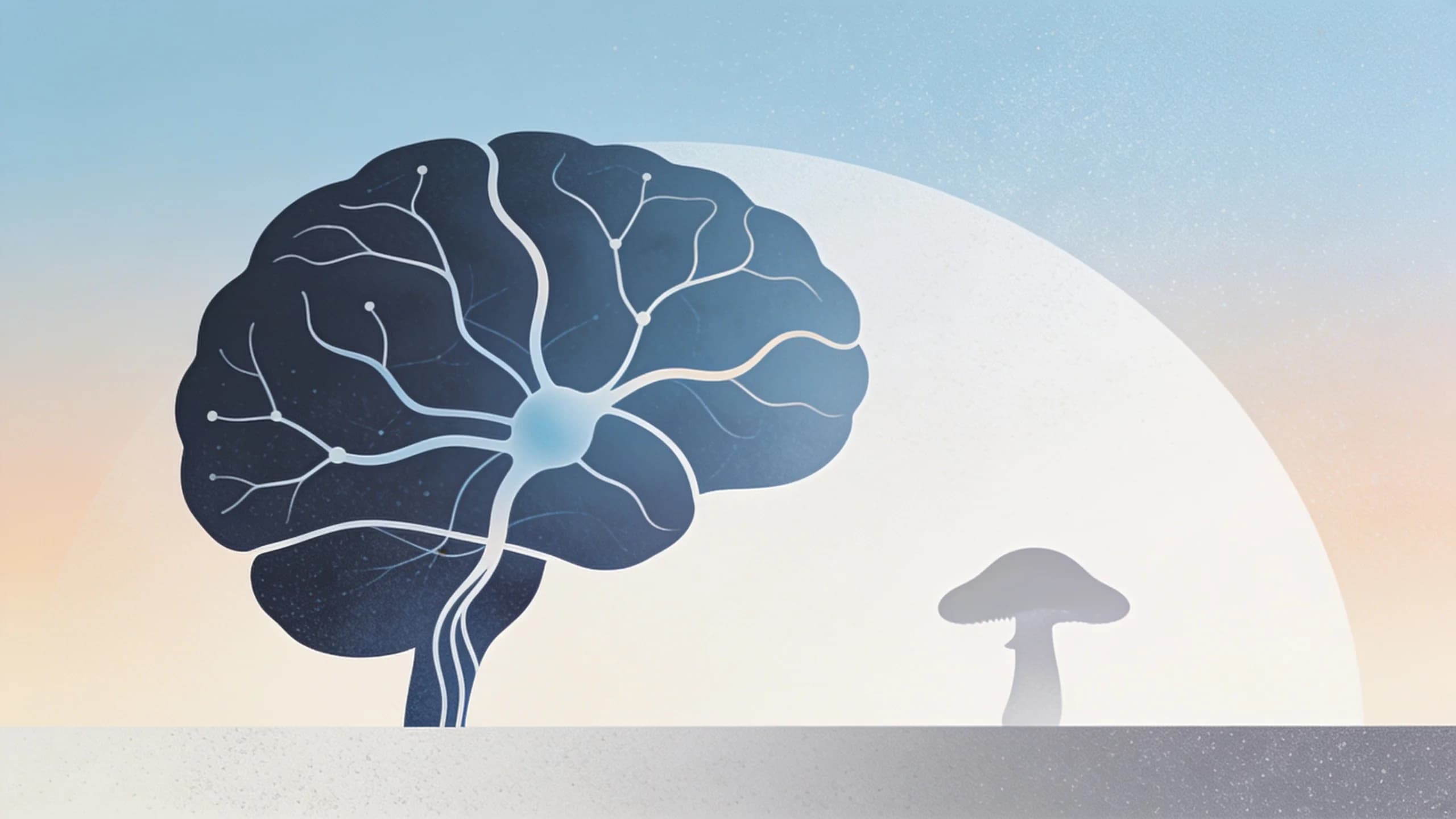
USC Launches First-Ever Clinical Trial of Psilocybin Therapy for Mental Health
The University of Southern California has announced funding for its first-ever clinical study of psilocybin-assisted therapy, joining a growing number of major research institutions exploring the therapeutic potential of psychedelic compounds. The study, revealed on June 16, 2026, will investigate whether combining psilocybin with mindfulness meditation training can enhance mental well-being and cognitive function.
This development places USC firmly within the rapidly expanding field of psychedelic research, which has gained significant momentum following the FDA's breakthrough therapy designation for psilocybin in treating depression. As traditional psychiatric treatments leave many patients without relief, researchers are increasingly turning to compounds once dismissed as countercultural curiosities to address treatment-resistant conditions.
Breaking New Ground at USC
While psilocybin studies have proliferated at institutions like Johns Hopkins, NYU, and UCLA, USC's entry into this research space represents a notable expansion of the academic psychedelic landscape. The Keck School of Medicine study will examine how psilocybin-assisted therapy might work synergistically with mindfulness practices—a combination that researchers hypothesize could produce more durable benefits than either intervention alone.
The integration of mindfulness meditation is particularly significant. Unlike some psychedelic protocols that focus primarily on the medication experience itself, this study explicitly incorporates ongoing contemplative practice. Participants will receive training in mindfulness techniques alongside their psilocybin sessions, with researchers tracking whether this combination produces sustained improvements in mental health outcomes.
The Research Context
Psilocybin, the psychoactive compound found in certain mushroom species, has demonstrated remarkable promise in early clinical trials for conditions including major depressive disorder, treatment-resistant depression, and substance use disorders. The FDA's breakthrough therapy designation—reserved for treatments showing substantial improvement over existing options—has accelerated research while signaling regulatory openness to these approaches.
Current evidence suggests psilocybin may work by disrupting rigid patterns of negative thinking and enhancing neuroplasticity, the brain's ability to form new neural connections. In depression, where thought patterns often become stuck in self-critical loops, this flexibility can be transformative. For substance use disorders, psilocybin may help break the cycle of craving by providing new perspectives on addictive behaviors.
The compound's effects typically last four to six hours, during which patients experience altered consciousness under the guidance of trained therapists. These sessions are followed by integration therapy, where patients process their experiences and translate insights into lasting behavioral changes.
Why Mindfulness Matters
The decision to combine psilocybin with mindfulness meditation reflects growing understanding that psychedelic experiences alone, while powerful, may not automatically translate to sustained improvement. Mindfulness practice provides a framework for integrating psychedelic insights into daily life, giving participants tools to maintain the psychological flexibility that psilocybin can temporarily induce.
Research on mindfulness meditation has demonstrated its own benefits for anxiety, depression, and stress reduction. By combining these approaches, USC researchers hope to create a synergistic effect where the neuroplasticity enhanced by psilocybin provides an optimal window for establishing new mindfulness-based habits.
This integrative approach also addresses one of the practical challenges of psychedelic therapy: the limited number of treatment sessions typically possible given cost and regulatory constraints. If mindfulness practice can extend and amplify the benefits of a few psilocybin sessions, this could make the treatment more accessible and sustainable.
The Regulatory Landscape
Despite promising early results, psilocybin remains a Schedule I controlled substance, creating significant regulatory hurdles for research. Each clinical trial requires extensive federal approvals, and study protocols must include stringent safety measures and therapist training requirements.
However, the regulatory environment has shifted notably in recent years. Beyond the FDA's breakthrough therapy designation, recent executive orders have directed federal agencies to prioritize psychedelic research, particularly for veterans with PTSD and individuals with treatment-resistant mental health conditions. This federal support has helped unlock funding streams that were previously unavailable.
USC's study arrives at a pivotal moment when academic interest, regulatory openness, and public acceptance are converging to create unprecedented opportunities for psychedelic research. The university's entry into this field suggests that what began as fringe science is now becoming mainstream medical inquiry.
Implications for Addiction Treatment
While USC's study focuses broadly on mental well-being and cognitive function, its findings could have significant implications for addiction treatment specifically. Substance use disorders often co-occur with depression, anxiety, and trauma—conditions that psilocybin has shown particular promise in addressing.
The mindfulness component may be especially relevant for addiction, where cravings and automatic behavioral patterns pose ongoing challenges. Mindfulness-based relapse prevention has already demonstrated efficacy in substance use treatment, and combining it with psilocybin's potential to disrupt entrenched patterns could represent a powerful therapeutic approach.
For individuals who have not responded to conventional treatments like cognitive behavioral therapy or medication-assisted treatment, psychedelic therapy offers a fundamentally different mechanism of action. Rather than managing symptoms or reducing cravings, psilocybin may help individuals address the underlying psychological roots of their substance use.
Looking Ahead
USC's study represents one thread in a broader tapestry of psychedelic research reshaping how medicine approaches mental health and addiction. As more major institutions enter this field and rigorous clinical trials generate data, the evidence base for psychedelic-assisted therapy continues to grow.
The coming years will likely see expanded access to these treatments through FDA-approved protocols, potentially offering new hope for the millions of Americans who have not found relief through existing options. For now, studies like USC's provide essential data on safety, efficacy, and optimal treatment protocols—laying groundwork for what may become a significant shift in psychiatric care.
Editorial Board
LADC, LCPC, CASAC
The Rainier Rehab editorial team consists of licensed addiction counselors, healthcare journalists, and recovery advocates dedicated to providing accurate, evidence-based information about substance abuse treatment and rehabilitation.
Related Articles
Single Dose of Psilocybin Shows Rapid Antidepressant Effects in Swedish Trial
First randomized double-blind study in Sweden finds psilocybin provides clinically meaningful depression relief within days, with 53% remission rate at six weeks.
Single Psilocybin Dose Produces Lasting Brain Changes, Study Finds
UC San Francisco and Imperial College London researchers discover that one 25mg dose of psilocybin creates measurable anatomical brain changes lasting at least a month.

Men and Women with Addiction Show Distinct Psychiatric Comorbidities
In a national sample of 58,000 adults with opioid, alcohol or cannabis dependence, men had lower odds of depression and anxiety but higher odds of psychosis.