
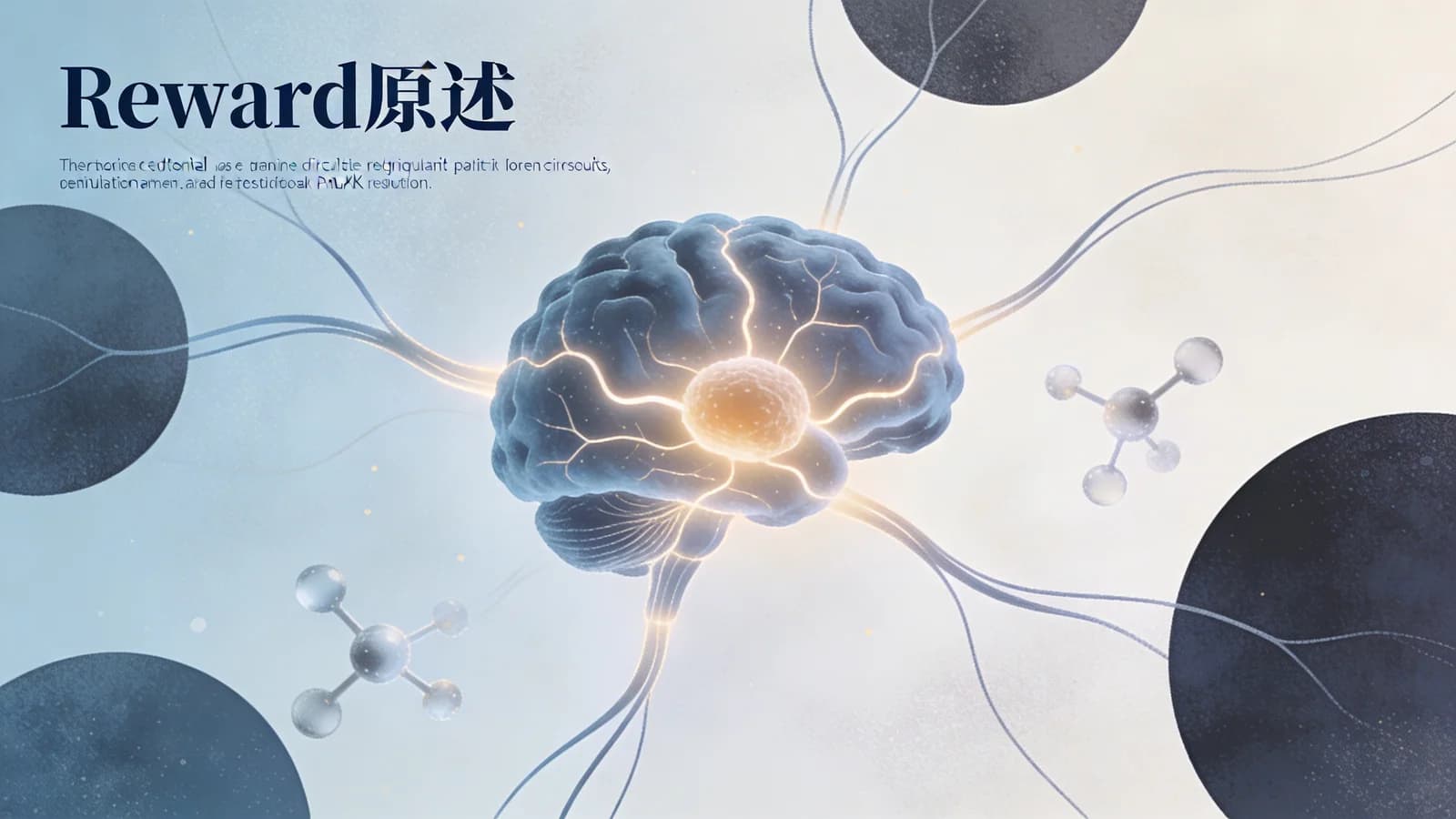
NIH Study Reveals How New Weight-Loss Drugs Rewire Brain Circuits to Suppress Cravings
Scientists have long understood that GLP-1 medications like semaglutide suppress appetite by acting on brain regions controlling hunger. But new NIH-funded research reveals these drugs work through an entirely separate pathway—one that dampens the brain's reward circuitry and could fundamentally change how we approach addiction treatment.
The study, published in Nature and conducted at the University of Virginia, demonstrates that oral small-molecule GLP-1 drugs penetrate far deeper into the brain than previously believed, reaching the central amygdala—a region associated with desire and craving that sits well beyond the hypothalamic networks where these medications were thought to operate exclusively.
A Second Mechanism of Action
Previous research established that larger peptide-based GLP-1s, including semaglutide (Ozempic, Wegovy), suppress hunger-driven eating by engaging networks in the hypothalamus and hindbrain. These areas regulate basic energy needs and satiety signals. What remained unclear was how the newer generation of small-molecule GLP-1 drugs—delivering similar benefits through pills rather than injections—achieved their effects.
To investigate, researchers used gene-editing techniques to modify GLP-1 receptors in mice, making them more humanlike. They then administered orforglipron, an FDA-approved oral GLP-1 medication, along with danuglipron, another small-molecule compound in development. The results revealed unexpected activity deep within the central amygdala, a finding that challenges existing assumptions about how these drugs interact with neural tissue.
"We've known that GLP-1 drugs suppress feeding behavior driven by energy demand," said Ali Guler, Ph.D., professor of biology at the University of Virginia and co-corresponding author. "Now it seems oral small-molecule GLP-1s also dial back eating for pleasure by engaging a brain reward circuit."
The Hedonic Feeding Connection
The central amygdala plays a critical role in what neuroscientists call "hedonic feeding"—eating motivated by pleasure rather than physiological need. When activated by the GLP-1 drugs, this region reduced dopamine release into key hubs of the brain's reward circuitry during hedonic feeding episodes. Essentially, the medication appears to dim the neurological spotlight that normally makes highly palatable foods irresistible.
This distinction matters because hedonic eating and drug craving share remarkably similar neurobiological foundations. Both involve dysregulated dopamine signaling in reward pathways. Both can persist long after basic biological needs are satisfied. And both respond—at least preliminarily—to interventions that modulate the central amygdala's influence on downstream reward structures.
"As the accessibility of these medications continues to rise and patient uptake increases, it's crucial that we understand the neural mechanisms underlying the effects we're seeing," noted Lorenzo Leggio, M.D., Ph.D., clinical director of NIH's National Institute on Drug Abuse (NIDA), which helped fund the research.
Implications for Addiction Science
The study's most provocative finding lies not in what it reveals about appetite suppression, but in what it suggests about potential applications beyond weight management. If small-molecule GLP-1 drugs can modulate reward circuitry involved in food cravings, could they do the same for substance cravings?
The research team explicitly plans to explore this question in follow-up studies. Their hypothesis rests on substantial precedent: previous investigations have documented that GLP-1 medications reduce alcohol consumption in both animal models and human subjects. Several clinical trials are currently examining whether semaglutide and related compounds can treat alcohol use disorder, opioid use disorder, and even behavioral addictions like compulsive gambling.
What makes the current findings particularly significant is the identification of a specific neural mechanism—central amygdala modulation—that could explain these broader effects. Rather than simply suppressing appetite through hypothalamic pathways, these medications may directly target the brain regions responsible for the anticipatory pleasure and craving that drive addictive behaviors across categories.
The Small-Molecule Advantage
Oral small-molecule GLP-1 drugs represent a significant advancement over their injectable predecessors. Beyond patient convenience, they offer manufacturing advantages that could dramatically expand global access. Peptide-based drugs like semaglutide require complex synthesis and cold-chain distribution. Small molecules can be produced more cheaply, stored at room temperature, and distributed through conventional pharmaceutical supply chains.
Orforglipron, the drug featured in this study, received FDA approval earlier this year under the National Priority Voucher program—a mechanism designed to accelerate development of medications addressing critical public health needs. Its oral formulation removes barriers that have limited GLP-1 adoption among patients who avoid injections or lack reliable refrigeration.
The research suggests these practical advantages may come with neurobiological benefits as well. Small-molecule compounds appear to achieve deeper brain penetration than their larger peptide counterparts, potentially accessing therapeutic targets that injectable GLP-1s cannot reach effectively.
From Mice to Medicine
Important caveats temper any immediate clinical enthusiasm. The study involved mice, not humans. While the researchers engineered rodent GLP-1 receptors to more closely resemble human versions, species differences in brain organization and drug metabolism mean results may not translate directly.
Additionally, the study focused specifically on feeding behavior. Demonstrating that central amygdala activation reduces drug craving will require dedicated addiction-focused research. The neural circuits involved in substance use disorders share features with hedonic eating pathways but also exhibit important distinctions that could affect treatment response.
Nevertheless, the research provides a compelling mechanistic rationale for ongoing clinical trials examining GLP-1 medications in addiction treatment. Rather than testing these drugs blindly, scientists now have a specific hypothesis about how they might work—and a biomarker (central amygdala engagement) that could help identify which patients are most likely to benefit.
What This Means for Treatment
For individuals struggling with substance use disorders, these findings offer reason for cautious optimism. The identification of a novel mechanism—reward circuit modulation through central amygdala engagement—expands the theoretical toolkit for addiction pharmacotherapy beyond existing approaches focused primarily on withdrawal management and craving reduction through opioid receptor modulation.
The research also underscores the importance of medication-assisted treatment as an evolving field rather than a static collection of approved therapies. As understanding of addiction neurobiology advances, new applications emerge for medications originally developed for other conditions. The path from diabetes treatment to weight management to potential addiction therapy reflects this dynamic landscape.
Patients and clinicians should recognize that GLP-1 medications remain investigational for addiction treatment. While some physicians prescribe semaglutide off-label for alcohol use disorder based on existing evidence, robust clinical trial data establishing efficacy and optimal dosing for substance use disorders remains limited. The current study provides scientific rationale for continued research but does not constitute evidence of clinical effectiveness.
Looking Forward
The NIH-funded research opens several avenues for future investigation. The study authors plan direct examination of small-molecule GLP-1 effects on substance use behaviors, building on the mechanistic foundation established in their feeding experiments. Parallel efforts across the research community are exploring whether different GLP-1 compounds vary in their ability to penetrate the central amygdala and modulate reward circuits.
If subsequent studies confirm that oral GLP-1 medications can effectively reduce drug craving through the identified mechanism, the implications for public health could be substantial. These drugs are already manufactured at scale, distributed globally, and familiar to primary care physicians. Repurposing them for addiction treatment would avoid the lengthy development timelines required for entirely novel compounds.
For now, the research stands as an elegant example of how basic neuroscience can illuminate unexpected therapeutic possibilities. A study designed to understand why oral GLP-1 drugs work may have revealed something far more valuable: a new way to target the brain circuitry underlying addiction itself.
Editorial Board
LADC, LCPC, CASAC
The Rainier Rehab editorial team consists of licensed addiction counselors, healthcare journalists, and recovery advocates dedicated to providing accurate, evidence-based information about substance abuse treatment and rehabilitation.
Related Articles

How Weight-Loss Drugs Could Revolutionize Addiction Treatment by Targeting the Brain's 'Craving Center'
New research reveals GLP-1 drugs like Ozempic may work by acting on the lateral septum, a previously overlooked brain region that controls conscious reward perception.
Fentanyl Vaccine Shows Promise in Early Trials, Could Block Drug Before It Reaches the Brain
Scripps Research develops vaccine candidate that generates antibodies to neutralize fentanyl, potentially helping people in recovery avoid relapse

Street-Based Mobile Addiction Services Reach Thousands Previously Disconnected From Care
Mass General Brigham study shows mobile clinics can effectively deliver buprenorphine and harm reduction services to people who use drugs, with 15% retention at 6 months