
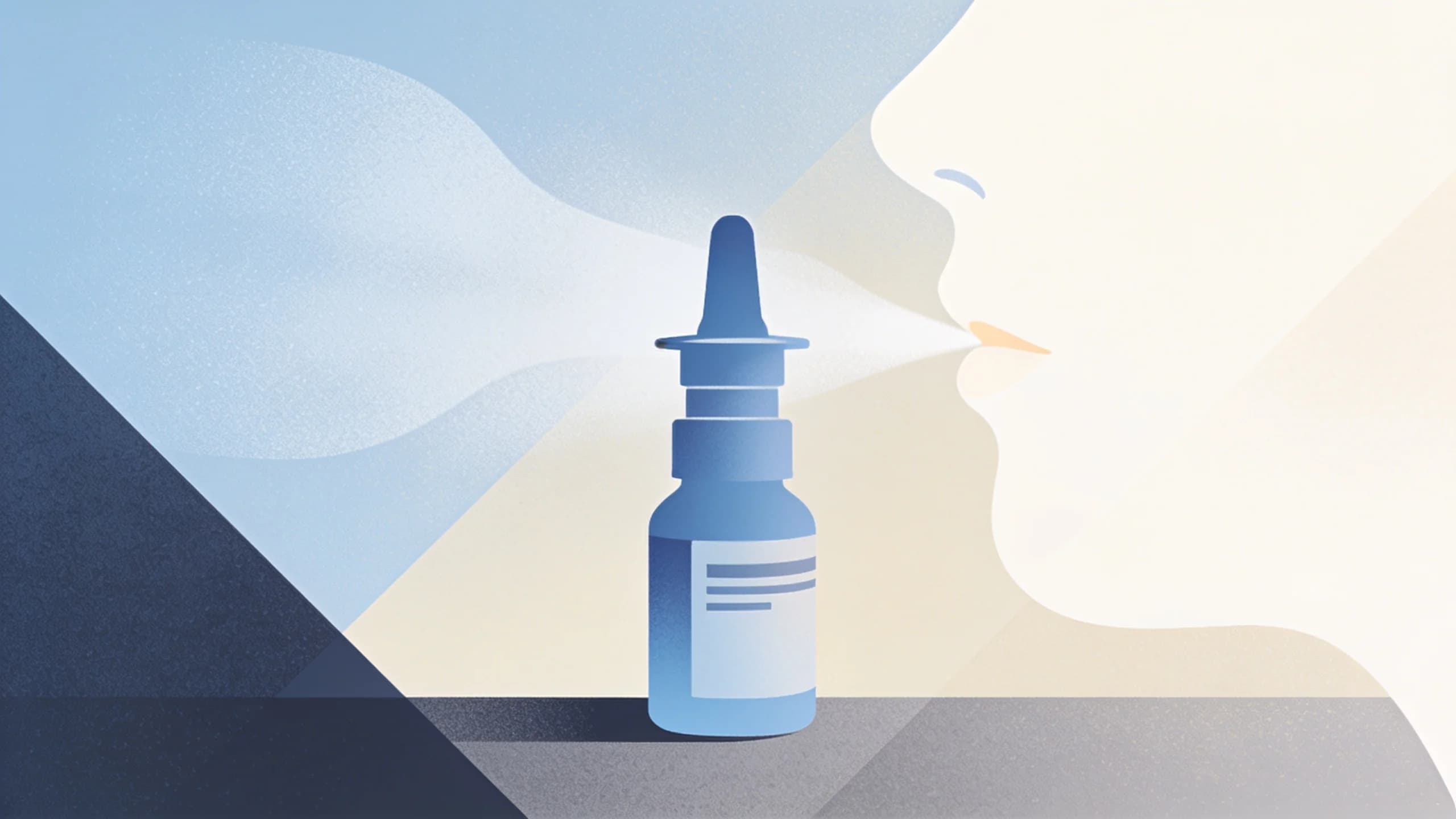
FDA Approves New Over-the-Counter Naloxone Spray, Expanding Life-Saving Access
The U.S. Food and Drug Administration has approved Rextovy, a new over-the-counter naloxone nasal spray, marking another significant step in making opioid overdose reversal medication universally accessible. The approval, announced on June 16, 2026, aligns with the Trump administration's Great American Recovery Initiative and represents a continued shift toward treating opioid overdose as a public health emergency requiring immediate, community-based response.
A New Option in the Fight Against Overdose
Rextovy contains 4 milligrams of naloxone hydrochloride, the same active ingredient found in other FDA-approved naloxone products. What distinguishes this approval is not the medication itself—naloxone has been the standard treatment for opioid overdose for decades—but the expansion of consumer choice and market competition that comes with having multiple over-the-counter options available.
"Reducing opioid overdose deaths is a top priority for FDA," said Dr. Mike Davis, Acting Director of the Center for Drug Evaluation and Research. "Today's approval of an additional over-the-counter naloxone nasal spray helps broaden access and offers an additional option for consumers. Empowering people without medical training to take immediate action with these products has been proven to save lives."
The approval means that Rextovy can now be purchased directly by consumers without a prescription at pharmacies, convenience stores, and online retailers. This accessibility is crucial in overdose situations where every minute counts and waiting for emergency medical services may not be an option.
The Evolution of Naloxone Access
The path to over-the-counter naloxone availability has been gradual but transformative. For years, naloxone was available only by prescription, creating barriers for family members, friends, and community members who wanted to be prepared to help someone experiencing an overdose. The first over-the-counter naloxone approval came in 2023, fundamentally changing how communities approach overdose response.
Since then, the landscape has shifted dramatically. Multiple formulations are now available without prescription, including nasal sprays and auto-injectors. This diversification matters because different users have different needs and comfort levels with administration methods. Some prefer the simplicity of a nasal spray; others may opt for auto-injectors with voice instructions.
The FDA's approval of Rextovy adds another nasal spray option to this ecosystem. Having multiple approved products serves several purposes: it expands overall market availability, encourages price competition that can reduce costs for consumers, and provides alternative sourcing options if one product faces supply constraints.
Why Multiple Options Matter
In public health, redundancy can be a virtue. When a single product dominates a market, disruptions to its supply chain can have catastrophic consequences. The COVID-19 pandemic demonstrated how fragile medical supply chains can be, and naloxone is too critical a medication to leave vulnerable to such disruptions.
Multiple manufacturers also create competitive pressure on pricing. While naloxone has become more affordable since moving over-the-counter, cost remains a barrier for some consumers. Additional market entrants can drive prices down further, making the medication accessible to more people.
For people struggling with opioid addiction, the availability of multiple naloxone products means they can choose the formulation that works best for their specific situation. Some may prefer a smaller package that fits easily in a pocket; others might prioritize a product with longer shelf life or simpler instructions.
The Great American Recovery Initiative Context
This approval arrives within the framework of the Great American Recovery Initiative, a comprehensive federal effort launched by President Trump to address addiction and substance use disorders across the United States. The initiative seeks to coordinate government approaches to prevention, treatment, and long-term recovery, recognizing that the opioid crisis requires a multi-faceted response.
The inclusion of expanded naloxone access within this initiative reflects a pragmatic understanding of the current crisis. While prevention and treatment are essential long-term goals, the immediate reality is that thousands of Americans are at risk of fatal overdose. Naloxone represents a bridge between the present emergency and the future goal of reducing substance use disorders.
The Science of Naloxone
Naloxone works by rapidly binding to opioid receptors in the brain, displacing opioid molecules and reversing the respiratory depression that causes fatal overdoses. It has no effect on someone who is not experiencing an opioid overdose, making it safe to administer even when the cause of unconsciousness is uncertain.
The medication takes effect within minutes when administered nasally, and its effects last between 30 and 90 minutes—long enough for emergency medical services to arrive and provide additional care. Because some opioids, particularly fentanyl and its analogs, can outlast naloxone's effects, multiple doses may be necessary in severe cases.
This pharmacological profile makes naloxone ideal for community distribution. It requires no medical training to administer, has minimal side effects, and works quickly enough to prevent brain damage from oxygen deprivation. These characteristics have made it the cornerstone of harm reduction strategies across the country.
Looking Forward
The FDA's approval of Rextovy signals continued federal commitment to addressing the overdose crisis through evidence-based interventions. While naloxone alone cannot solve the opioid epidemic, it serves as an essential tool for keeping people alive until they can access treatment.
As more over-the-counter options become available, public health officials hope to see naloxone become as commonplace as fire extinguishers or first aid kits—present in homes, workplaces, and public spaces where overdoses might occur. This normalization of overdose response represents a significant shift from the stigma-driven approaches of the past toward a pragmatic, life-saving public health strategy.
The challenge now lies in ensuring that those who need naloxone know where to find it, can afford to purchase it, and feel empowered to use it in emergency situations. Product availability is only the first step; public education and destigmatization remain essential components of any effective overdose prevention strategy.
Editorial Board
LADC, LCPC, CASAC
The Rainier Rehab editorial team consists of licensed addiction counselors, healthcare journalists, and recovery advocates dedicated to providing accurate, evidence-based information about substance abuse treatment and rehabilitation.
Related Articles

National Fentanyl Prevention and Awareness Day: Expert Insights on Combating the Crisis
On National Fentanyl Prevention and Awareness Day, experts emphasize education, harm reduction, and real-time detection tools as essential strategies.

SAMHSA Bans Federal Funding for Fentanyl Test Strips and Clean Syringes in Major Policy Shift
Trump administration reverses harm reduction policy, prohibiting federal funds for drug testing supplies and sterile syringes while emphasizing abstinence-based recovery approaches.

After Five Overdoses on Sixth Street, Austin EMS Floods the Bar District With Narcan
Austin-Travis County EMS went door to door on Sixth Street handing out Narcan kits after five suspected opioid overdoses, two weeks before ACL Festival.