
SAMHSA Tightens Harm Reduction Funding Rules, Banning Fentanyl Test Strips and Syringes
The Substance Abuse and Mental Health Services Administration issued new guidance on April 24 that dramatically restricts how federal funds can be used for harm reduction services, marking what the agency calls a "clear shift away from harm reduction and practices that facilitate illicit drug use."
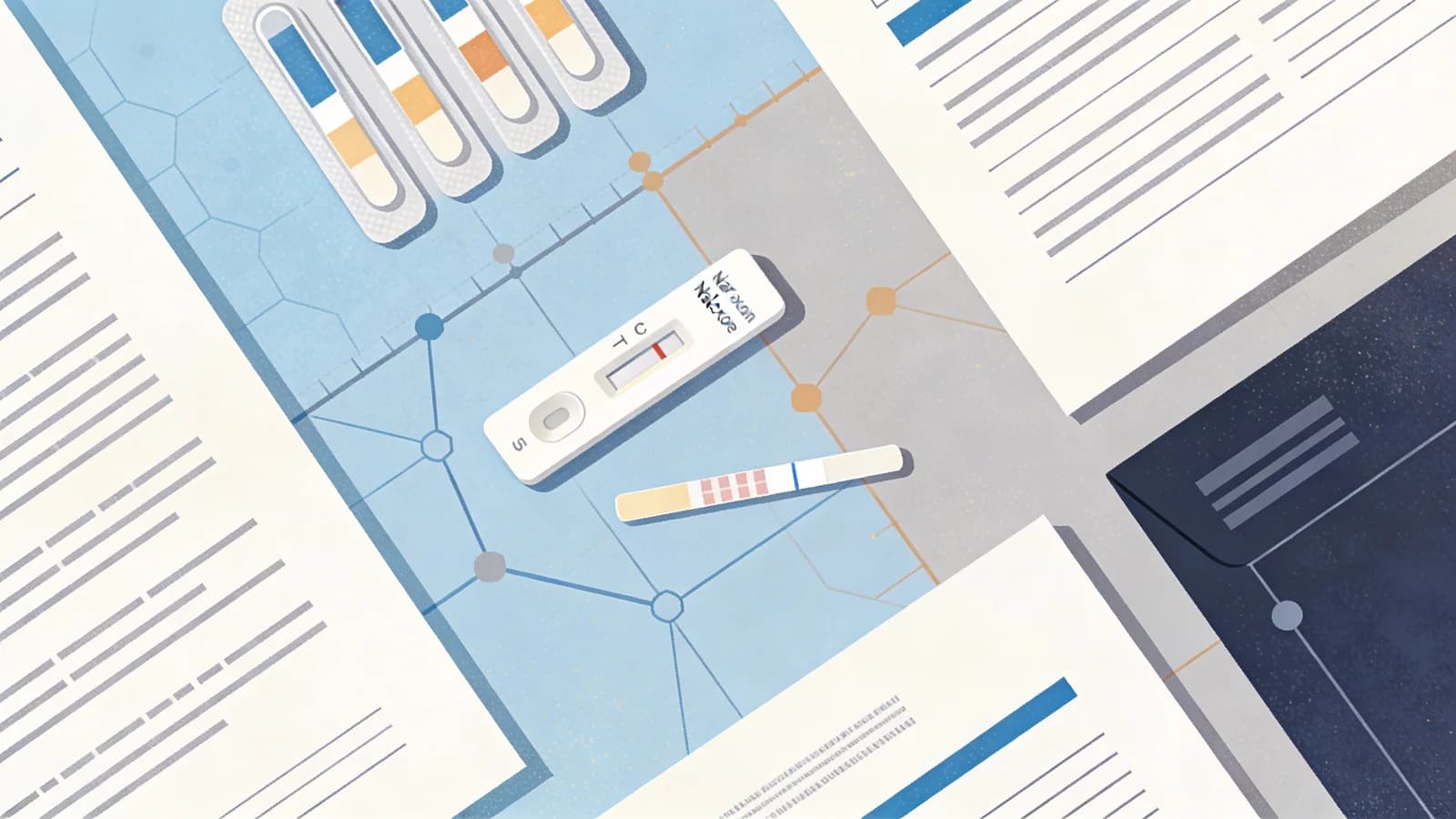
The updated policy, released in a Dear Colleague letter signed by acting SAMHSA leader Chris Carroll, explicitly prohibits federal funding for supplies that have become staples of harm reduction programs nationwide. Organizations can no longer use HHS grant money to purchase fentanyl test strips, xylazine test strips, medetomidine test strips, sterile syringes, or pipes for safer smoking kits. The guidance also blocks funding for sterile water, saline, or ascorbic acid used to prepare drugs, as well as "overdose hotlines" that allow people using drugs to communicate remotely with staff who can summon emergency help if they become unresponsive.
What Federal Funds Can Still Support
SAMHSA's letter draws a sharp line between permitted and prohibited uses of federal dollars. Organizations may continue using HHS funding for opioid overdose reversal medications including naloxone and nalmefene, along with education and training on their use. The policy also allows funding for distribution mechanisms for overdose reversal medications, medication lock boxes, sharps disposal kits, and wound care supplies.
Testing and prevention services remain eligible for federal support, including FDA-approved home testing kits for HIV and viral hepatitis, navigation services for HIV and hepatitis prevention and treatment, referrals for hepatitis A and B vaccinations, and education on HIV, hepatitis, and sexually transmitted infection prevention. Nicotine cessation therapies also remain on the approved list.
The administration frames these restrictions as aligning federal funding with "prevention, treatment and long-term recovery strategies" rather than what it views as enabling continued drug use. But public health experts warn that removing access to test strips and sterile supplies could have immediate, lethal consequences for people who use drugs.
A Reversal from Biden-Era Policy
The test strip policy represents a complete reversal from the Biden administration's approach. In April 2021, then-SAMHSA interim leader Tom Coderre announced that federal funds could be used to purchase fentanyl test strips, stating that "this will save lives by providing tools to identify the growing presence of fentanyl in the nation's illicit drug supply." That announcement came as fentanyl was becoming the leading cause of overdose deaths nationwide, involved in nearly 70 percent of fatal overdoses.
The new restrictions arrive as the drug supply grows increasingly unpredictable. The CDC has documented the emergence of "rhino tranq" — medetomidine-laced fentanyl that resists naloxone and triggers severe withdrawal — along with cychlorphine, a synthetic opioid spreading across the Southeast whose potency raises questions about naloxone effectiveness. Test strips for these adulterants had become critical tools for people trying to avoid unintentional exposure to ultra-potent substances.
SAMHSA does carve out one exception for test strips: federal funds may still be used to purchase them for use by public health officials, law enforcement, medical workers, and others who use them in professional settings. But this leaves community-based organizations, which often serve as the primary point of contact for people who use drugs, without federal support for distribution programs that have reached hundreds of thousands of people.
Medication Guidelines Raise Additional Concerns
In a second Dear Colleague letter released the same day, SAMHSA addressed the use of medications for opioid use disorder, including methadone and buprenorphine. While the letter acknowledges these medications as part of "the pathway to long-term recovery," it cautions against viewing them as "a default sentence to life-long medication use."
The guidance encourages clinicians to discuss with patients at least annually whether they would like to remain on medication, and emphasizes that medications should be used as part of comprehensive treatment including psychosocial counseling and recovery support services. This framing worries addiction medicine specialists, who note that while counseling is beneficial, current standards of care do not support withholding medication from patients who decline additional services.
The American Society of Addiction Medicine, which held its annual conference in San Diego the same week the letters were released, issued a statement noting that the SAMHSA guidance appears to contradict ASAM's own practice guidelines. Those guidelines state that "a patient's decision to decline psychosocial treatment or the absence of available psychosocial treatment should not preclude or delay pharmacotherapy, with appropriate medication management."
"ASAM is continuing to carefully review the new Dear Colleague letters from SAMHSA and is prepared to engage with federal partners to ensure that national policies reflect evidence-based practices in addiction medicine," said Stephen Taylor, ASAM's president.
Context of Broader SAMHSA Changes
The new guidance arrives amid significant upheaval at SAMHSA. The Trump administration has yet to appoint a permanent director more than 15 months after taking office, and the agency's workforce has been cut by more than half from roughly 900 employees to fewer than 450. The administration abruptly terminated and then reinstated thousands of grants in January, and had already cancelled approximately $1.7 billion in block grant funding and cut another $350 million in addiction and overdose prevention funding before these latest policy changes.
The harm reduction restrictions also come just one week after the administration announced initiatives to promote psychedelics as treatments for mental health conditions and to reclassify medical marijuana to a lower tier of scheduled substances — creating a policy environment that simultaneously expands access to some substances while restricting tools proven to reduce overdose deaths.
For people struggling with opioid addiction, the new restrictions mean reduced access to tools that could help them use more safely while seeking treatment. The changes will likely fall hardest on community-based organizations in rural and underserved areas that rely heavily on federal funding to operate harm reduction programs.
What This Means for Communities
Organizations that have built harm reduction programs around federal grants now face difficult choices. Some may seek alternative funding sources, though philanthropic support for harm reduction remains limited compared to federal investment. Others may scale back services, discontinuing test strip distribution or syringe access programs that have operated for decades.
The restrictions also create legal and operational uncertainty. Organizations that continue distributing test strips or syringes using non-federal funds must carefully segregate their funding streams to avoid violating grant requirements. This administrative burden falls on organizations already stretched thin by workforce shortages and increasing demand for services.
Public health researchers will be watching closely to see whether overdose rates shift in communities where harm reduction services are curtailed. Previous studies have found that communities with robust naloxone distribution and syringe access programs experience lower rates of overdose deaths and infectious disease transmission among people who use drugs.
The new SAMHSA guidance represents a fundamental philosophical shift in federal drug policy — one that prioritizes abstinence and law enforcement over harm reduction and public health. Whether this approach will reduce drug-related harms or, as many experts fear, increase them, will become clear in the months and years ahead.
Sources
Editorial Board
LADC, LCPC, CASAC
The Rainier Rehab editorial team consists of licensed addiction counselors, healthcare journalists, and recovery advocates dedicated to providing accurate, evidence-based information about substance abuse treatment and rehabilitation.
Related Articles
OSHA Issues First-Ever Workplace Opioid Overdose Guidance
New federal fact sheet covers naloxone placement, symptom recognition, and employee training for workplace overdose response.

Oklahoma Dismantles Nation's Largest Naloxone Vending Machine Program, Leaving Communities Scrambling
Oklahoma's statewide naloxone vending machine program, once the largest in the US, has been dismantled. Communities now face uncertainty as federal policy shifts and state funding gaps threaten harm reduction efforts.

Trump Administration Terminates Hundreds of SAMHSA Grants, Threatening Addiction Services Nationwide
Nonprofit organizations across the US received termination letters canceling SAMHSA grants that fund overdose prevention, naloxone distribution, and recovery support services.