California Launches First-in-Nation CA Bridge Connect Service for Same-Day Opioid Treatment
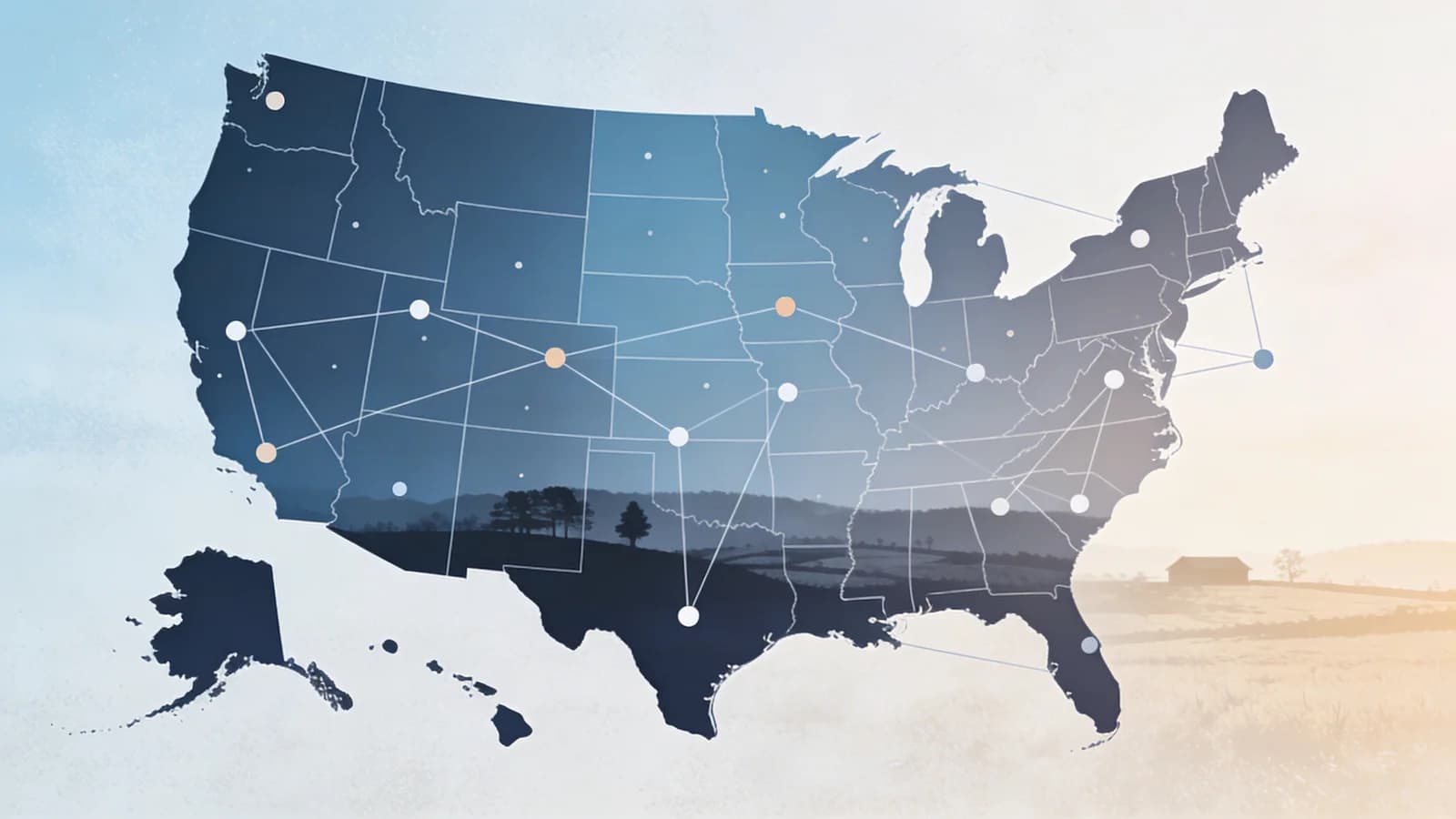
New statewide call and text service offers immediate help with ongoing follow-up support for Californians seeking opioid addiction treatment.
8 articles found
Browse Rainier Rehab's editorial coverage of Telehealth. Our writers track federal and state policy, peer-reviewed research, treatment innovations, and frontline reporting from the addiction recovery field. Each article in this collection cites primary sources — government datasets (SAMHSA, NIH, CDC), Medicaid and Medicare bulletins, JAMA and Lancet studies, and on-the-record statements from clinicians, regulators, and people in recovery — so readers can verify claims and dig deeper.
We update this tag whenever new telehealth reporting publishes. If you're a researcher, journalist, or family member trying to make sense of substance use disorder treatment, this is the working archive. For a directory of accredited treatment facilities, visit our facilities directory; to compare modalities, see our treatments overview and levels of care guide.


New statewide call and text service offers immediate help with ongoing follow-up support for Californians seeking opioid addiction treatment.

APA's July 2026 journal issues highlight emerging evidence for digital health tools and telehealth in treating substance use disorders in underserved communities

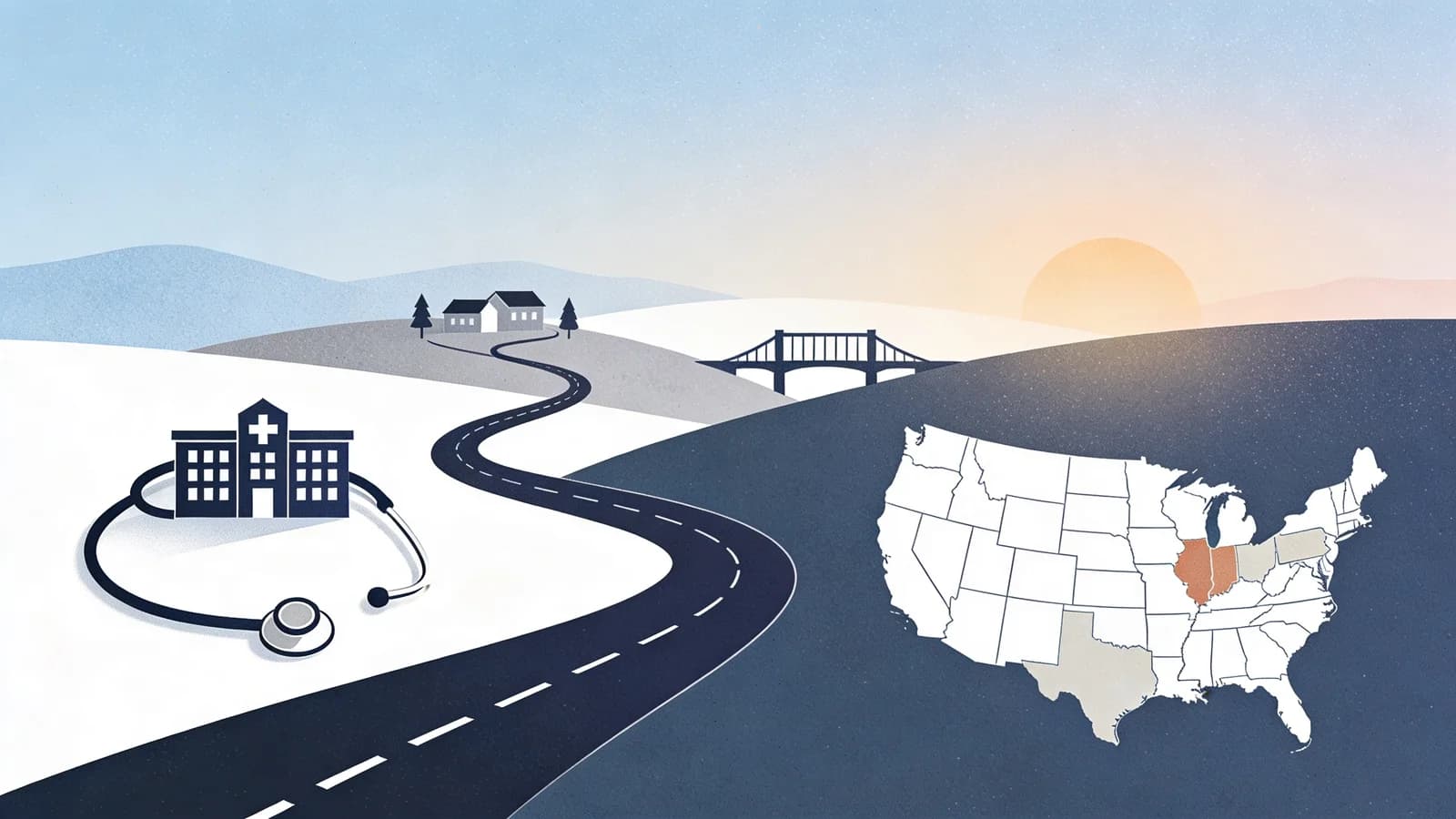
Missouri hospital launches innovative pilot program providing medication and guaranteed virtual addiction appointments within 72 hours to rural patients with opioid use disorder.

MSDH becomes one of few state health departments offering direct clinic-based SUD care, using technology to identify risk earlier and reduce barriers.

Despite rapid expansion of telehealth mental health services, a major JAMA study reveals only modest gains in reaching rural and underserved patients.

American Hospital Association urges federal investment in loan repayment and training programs to address severe provider shortages affecting 75% of rural health professional shortage areas.

New research reveals 40% of Americans face mental health provider shortages, with rural and low-income communities hardest hit. States respond with loan repayment programs, pipeline initiatives, and data-driven workforce planning.

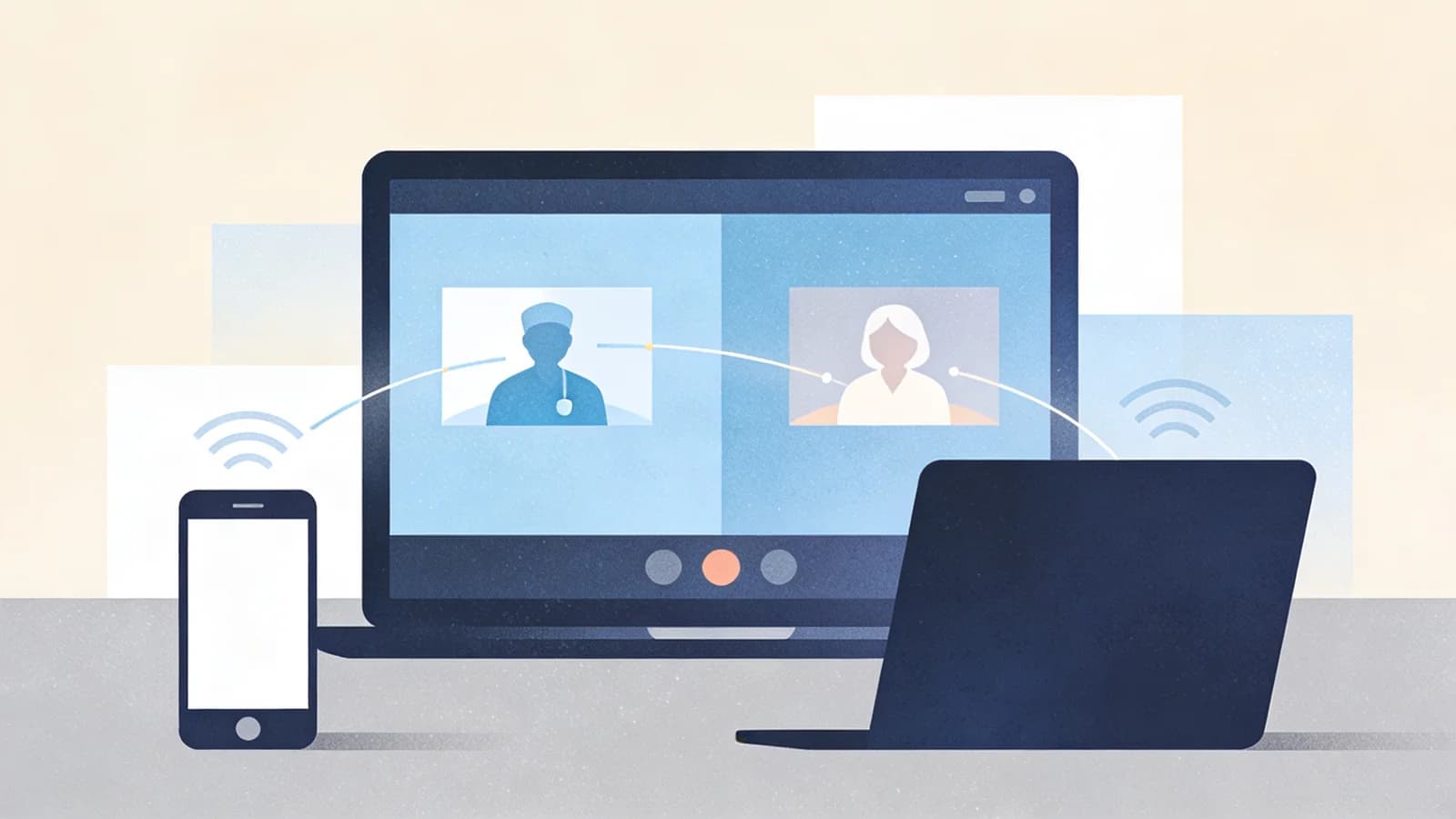
Leaked details reveal DEA plans to limit telehealth prescriptions for controlled substances, requiring 50% in-person visits and affecting buprenorphine access for opioid use disorder treatment.