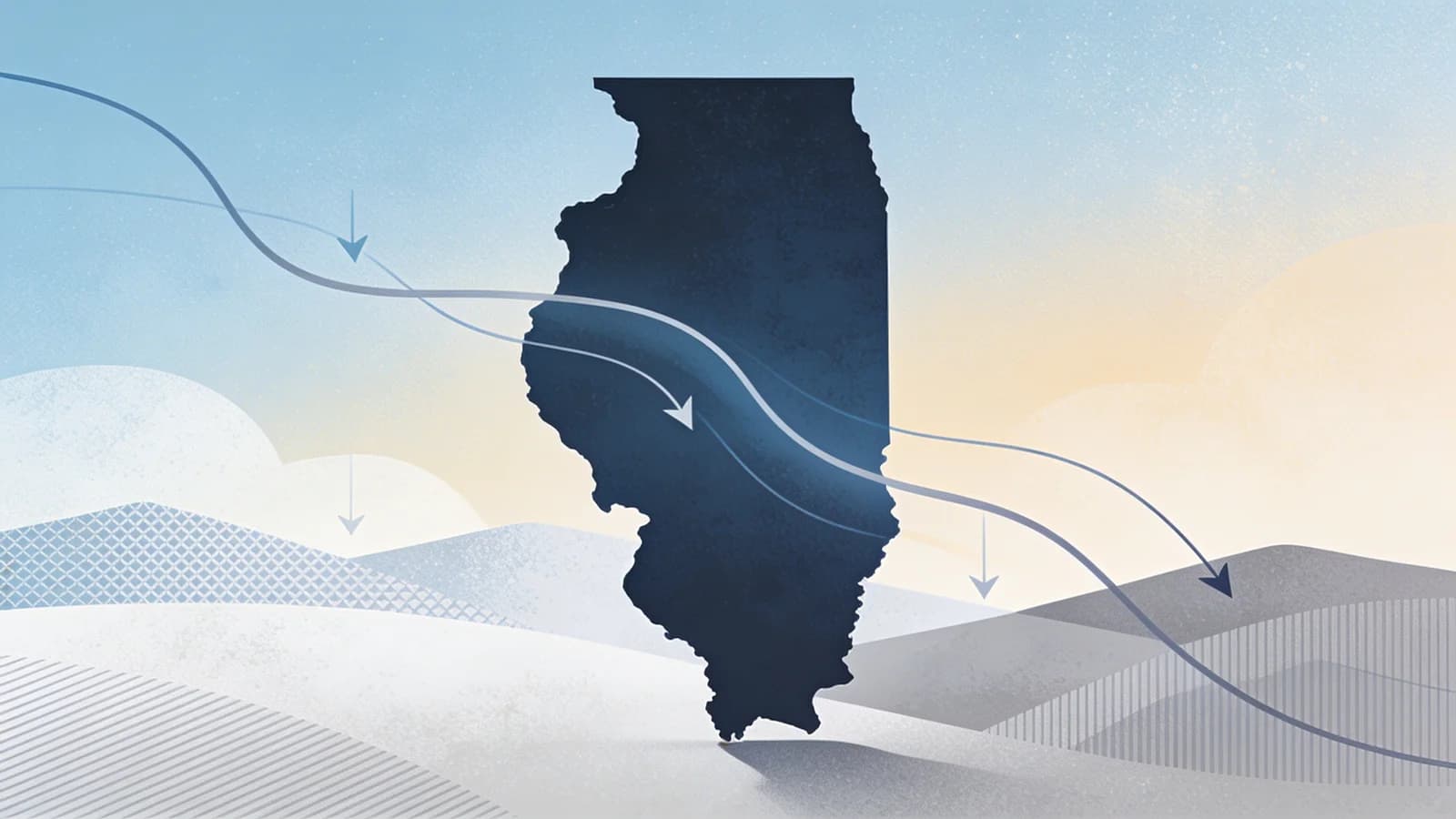
SAMHSA Opens $40 Million in Federal Grants to Expand Addiction Prevention and Mental Health Services
Eight new grant programs target child trauma, suicide prevention, and workforce development as part of the Great American Recovery Initiative.
23 articles found
Browse Rainier Rehab's editorial coverage of Treatment-access. Our writers track federal and state policy, peer-reviewed research, treatment innovations, and frontline reporting from the addiction recovery field. Each article in this collection cites primary sources — government datasets (SAMHSA, NIH, CDC), Medicaid and Medicare bulletins, JAMA and Lancet studies, and on-the-record statements from clinicians, regulators, and people in recovery — so readers can verify claims and dig deeper.
We update this tag whenever new treatment-access reporting publishes. If you're a researcher, journalist, or family member trying to make sense of substance use disorder treatment, this is the working archive. For a directory of accredited treatment facilities, visit our facilities directory; to compare modalities, see our treatments overview and levels of care guide.

Eight new grant programs target child trauma, suicide prevention, and workforce development as part of the Great American Recovery Initiative.

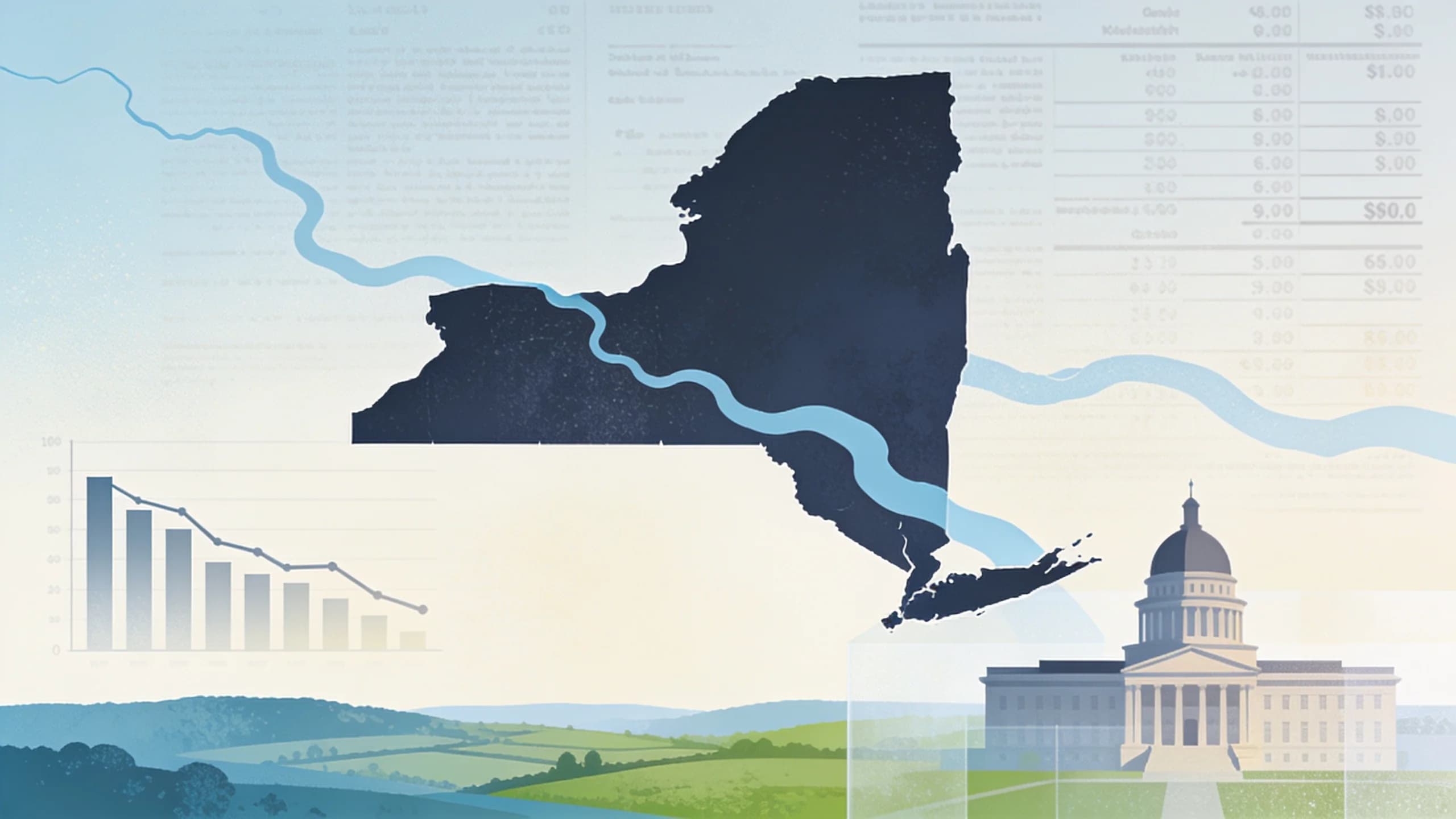
Columbia County, New York releases its first comprehensive report tracking opioid settlement funds, revealing declining annual payments and detailed spending priorities for addiction treatment.
Rhode Island overdose deaths fell to 219 in 2025, a 50% decline from 2022, surpassing the state's 2030 reduction goal. Learn how harm reduction and naloxone distribution contributed.

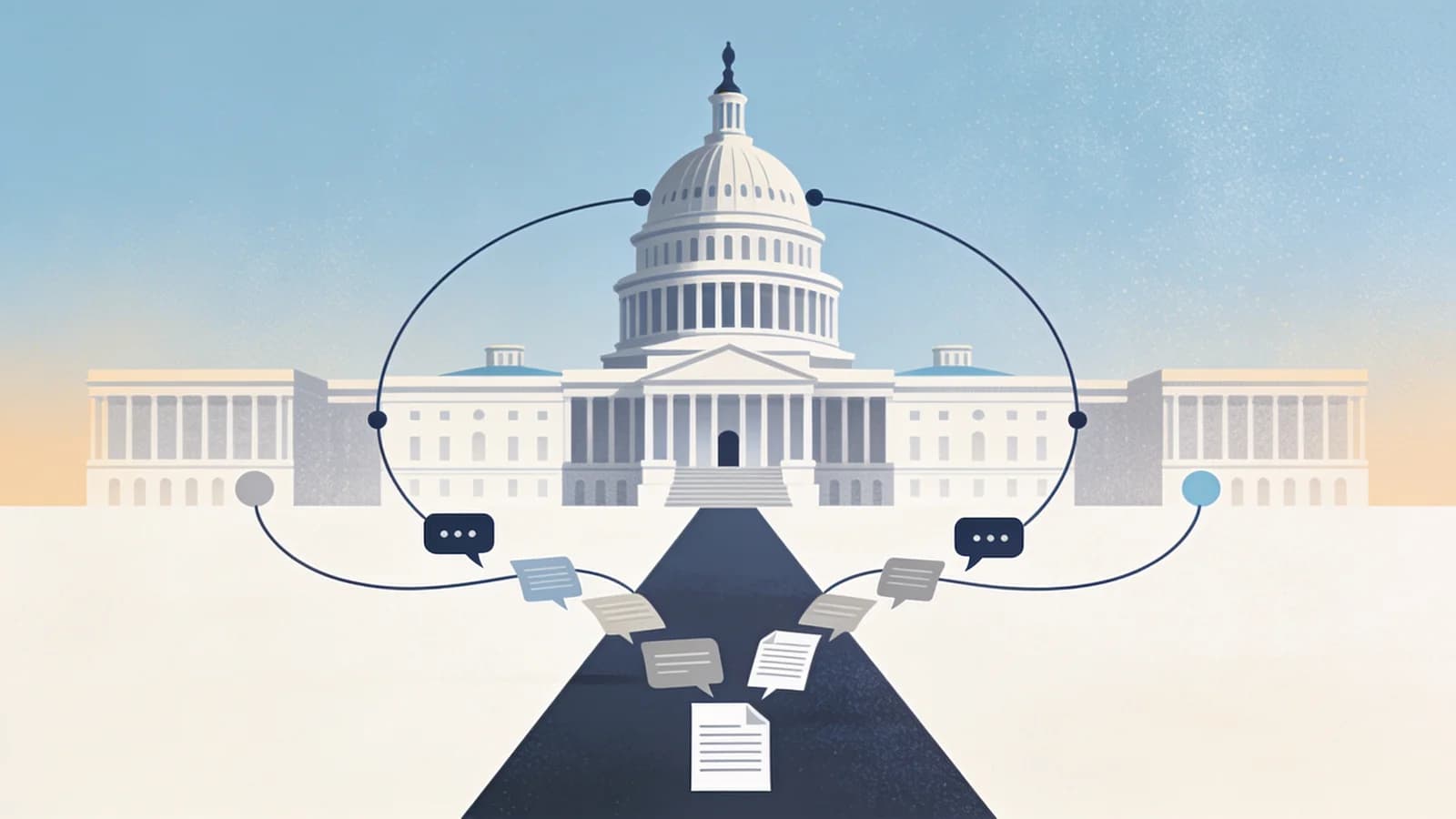
A new federal Request for Information invites patients, providers and researchers to tell HHS which addiction programs work — with comments due July 5, 2026.

In a major policy shift, the FDA now advises that buprenorphine and methadone should not be withheld from patients taking benzodiazepines or other CNS depressants.

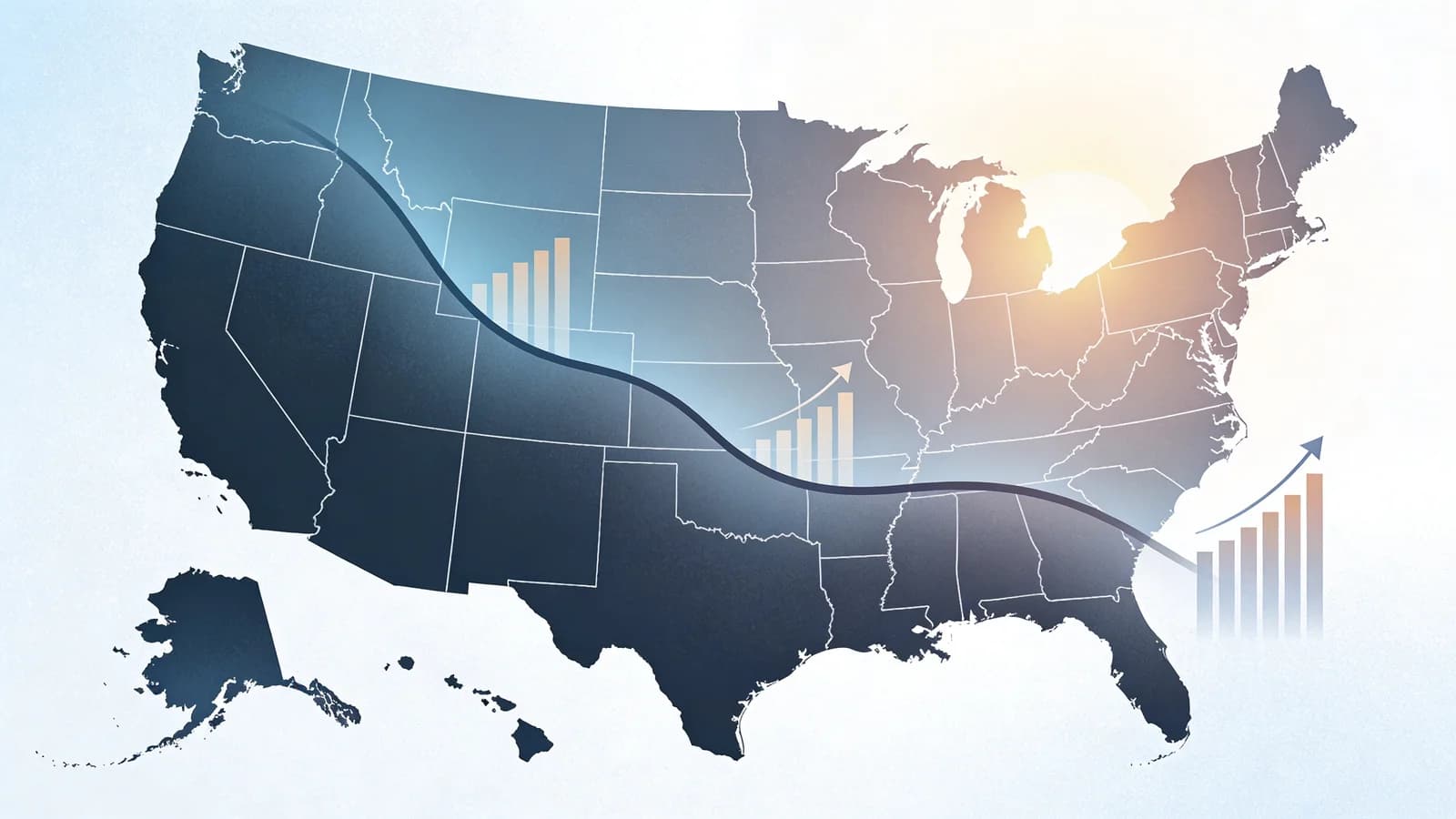
While U.S. overdose deaths dropped 14% in 2025, Arizona, New Mexico and North Dakota saw sharp increases amid evolving drug supply threats.

University of Arkansas Medical Sciences convenes statewide summit as data reveals 60% of adolescents in substance use treatment have co-occurring mental illness.

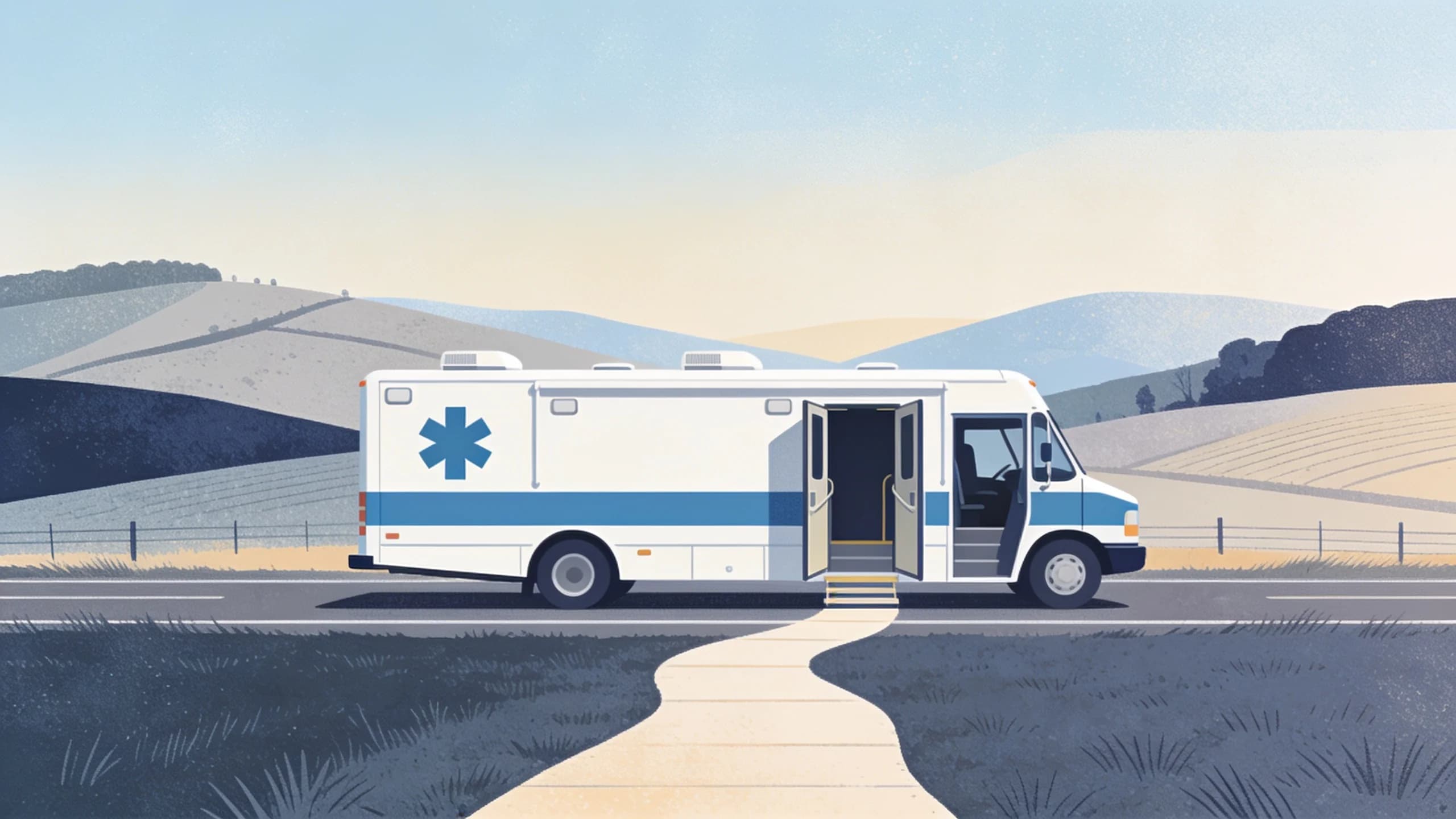
Missouri hospital launches innovative pilot program providing medication and guaranteed virtual addiction appointments within 72 hours to rural patients with opioid use disorder.

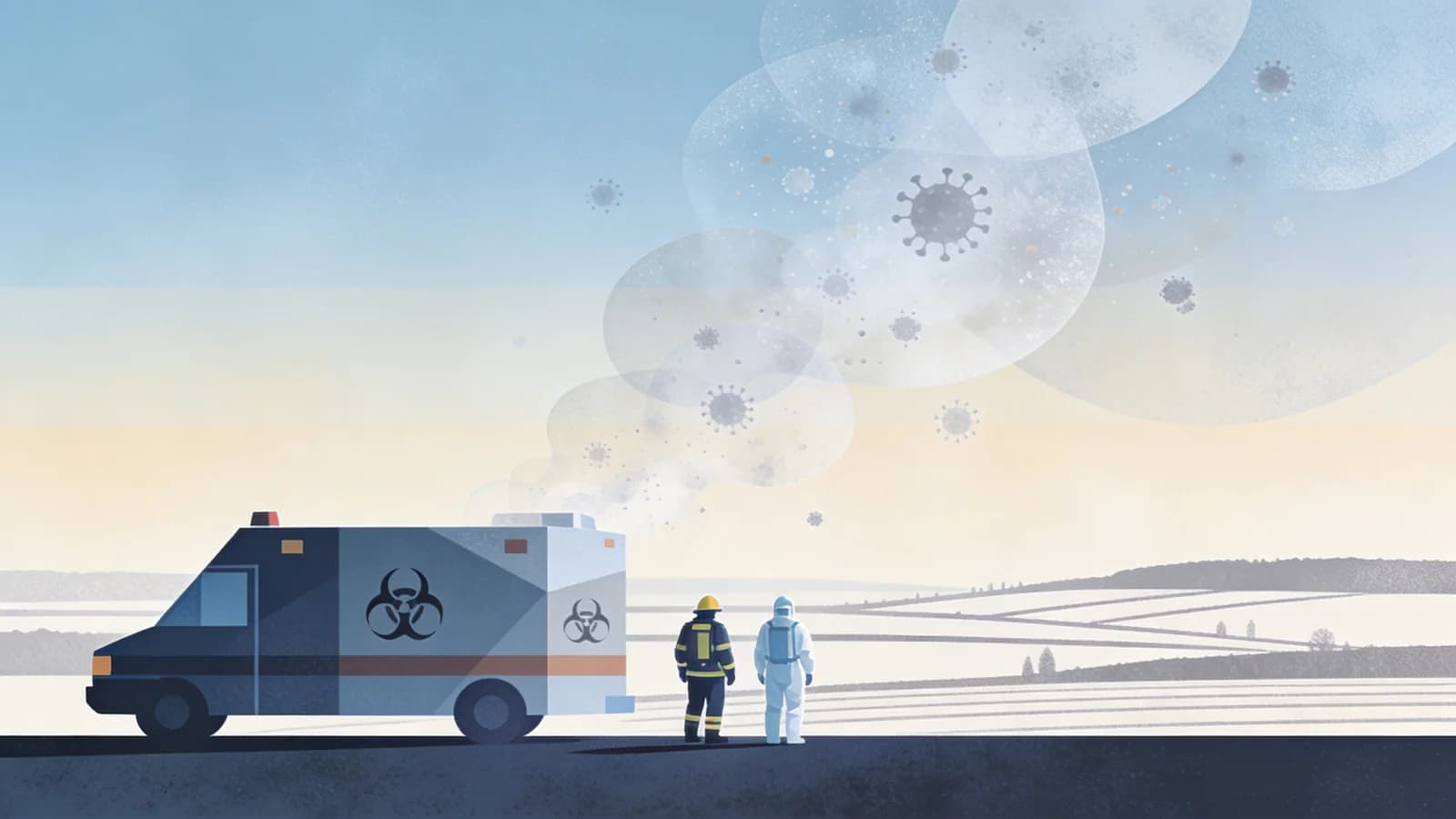
Three dead and 25 exposed including 18 first responders in Mountainair, New Mexico, revealing the escalating risks of potent fentanyl analogs

While overdose deaths fell 15% nationwide, Colorado and several Western states saw increases driven by fentanyl-methamphetamine combinations.

New real-world evidence shows extended-release buprenorphine significantly outperforms other medication-assisted treatments in preventing relapse and reducing healthcare costs.

Research published in the American Journal of Preventive Medicine reveals rising barriers to timely care for adolescents with cannabis use disorder, with younger teens and males most affected.

University of Cincinnati study demonstrates that embedding addiction treatment into primary care residency training expands patient access and boosts physician confidence in treating SUDs.

MSDH becomes one of few state health departments offering direct clinic-based SUD care, using technology to identify risk earlier and reduce barriers.
Michigan Attorney General Dana Nessel unveils comprehensive spending guidance and public reporting tools to ensure opioid settlement funds reach communities in need.

Despite rapid expansion of telehealth mental health services, a major JAMA study reveals only modest gains in reaching rural and underserved patients.

State auditor finds Arizona Department of Corrections may have unlawfully spent opioid settlement money without proving inmates contracted hepatitis C from IV drug use.

CDC reports nearly 70,000 overdose deaths in 2025, a 14% drop and the longest sustained decline in decades, though challenges remain in several states.

New research reveals 21% of opioid overdose survivors experience repeat overdoses within a year—far exceeding previous estimates—as fentanyl transforms the crisis landscape.

Trump administration's new drug control strategy includes national wastewater monitoring, artificial intelligence cargo screening, and expanded faith-based treatment options.

Preliminary CDC data shows approximately 70,000 Americans died of drug overdoses in 2025, the lowest since before the pandemic, though experts caution the crisis is far from over.

University of Kentucky researchers find that experimental Alzheimer's medication MW150 could reduce brain inflammation and neural damage during alcohol withdrawal, potentially lowering relapse rates.

Maryland's new public dashboard tracks $747 million in opioid settlement funds, setting a new standard for accountability in how states distribute restitution dollars from pharmaceutical companies.