

Overdose Deaths Fall Nationwide But Surge in Western States, CDC Data Shows
The Centers for Disease Control and Prevention released provisional data this week confirming what public health officials have cautiously observed for months: drug overdose deaths in the United States fell by approximately 14% during 2025, marking the third consecutive year of decline and reaching the lowest level since 2019. Yet beneath this encouraging national trend lies a more complicated regional picture that demands targeted policy responses.
According to CDC Vital Statistics data released in late May, approximately 69,973 Americans died from drug overdoses during the 12-month period ending December 2025—a decrease of roughly 13.9% from the previous year. The decline represents a stunning reversal from the summer of 2023, when overdose fatalities peaked at 112,418 deaths over a 12-month span.
Western States Defy National Trend
While most of the country experienced declining mortality, several western states recorded sharp increases in fatal overdoses during 2025. Arizona, New Mexico, and North Dakota all saw overdose deaths rise substantially even as neighboring states reported improvements. The divergence suggests that regional factors—including drug supply characteristics, treatment access variations, and policy implementation differences—continue shaping overdose patterns in ways that national averages obscure.
Arizona's spike has drawn particular concern from researchers. Dr. Beth Meyerson, who directs the Harm Reduction Research Lab at the University of Arizona's College of Medicine, attributes the state's troubling increase to evolving drug supply dynamics. "We're seeing more potent fentanyl and methamphetamine formulations entering Arizona markets," Meyerson explained in interviews following the CDC release. "The lethality of the supply is outpacing harm reduction expansion in some communities."
The Arizona experience illustrates a persistent challenge in overdose prevention: national trends can mask local crises. While headlines celebrate the third consecutive year of declining deaths, families in Phoenix, Tucson, and rural Arizona communities face escalating risks that require urgent attention.
What's Driving the National Decline?
Public health researchers attribute the overall mortality reduction to several interconnected factors rather than any single intervention. Expanded access to opioid addiction treatment—particularly medications like buprenorphine and methadone—has enabled more people to achieve stable recovery. Naloxone distribution programs have transformed overdose scenes, with bystanders increasingly equipped to reverse potentially fatal opioid intoxications before emergency responders arrive.
"Seeing this national decline, we should definitely be happy because we know some structural things have made a difference," Meyerson noted. "Access to naloxone has become widespread in communities. That's not an accident—that's the result of intentional policy decisions and community organizing."
The Cato Institute's analysis of the CDC data emphasizes that the decline cannot be attributed to enforcement-focused drug policies. Despite continued interdiction efforts and criminal penalties, overdose deaths fell in jurisdictions with divergent approaches to drug policy—from Portugal-inspired decriminalization experiments in Oregon to traditional enforcement models elsewhere. This pattern suggests that treatment access and harm reduction infrastructure matter more than policing intensity in driving mortality trends.
The Evolving Drug Supply
While fentanyl remains the primary driver of overdose deaths nationally, the drug supply continues evolving in concerning directions. Xylazine, a veterinary sedative increasingly mixed with fentanyl, complicates overdose reversal because naloxone does not address its respiratory depression effects. Medetomidine, another veterinary pharmaceutical, has emerged in some markets with similar challenges. And novel synthetic opioids—often more potent than fentanyl itself—periodically appear in toxicology reports before public health systems can adapt.
These supply dynamics may partially explain the western state disparities. Drug trafficking routes, cartel distribution decisions, and local market characteristics create regional variation in substance availability and potency. States experiencing supply transitions—whether the introduction of new adulterants or shifts in fentanyl purity—may see mortality spikes even as other regions benefit from harm reduction saturation.
Policy Implications
The CDC data arrives at a moment of significant policy uncertainty. The Trump administration's 2026 National Drug Control Strategy emphasizes prevention, recovery support, and public safety while proposing controversial surveillance mechanisms including wastewater testing and AI monitoring. Critics question whether these technological approaches address the fundamental treatment access barriers that public health researchers identify as primary drivers of mortality decline.
Meanwhile, harm reduction programs—widely credited with saving lives through naloxone distribution, fentanyl test strips, and syringe services—face funding uncertainties. Some federal grant programs that expanded during the Biden administration have been modified or discontinued, raising concerns that the infrastructure supporting mortality decline may erode just as it demonstrates effectiveness.
For western states experiencing overdose surges, the policy challenges are particularly acute. Arizona and New Mexico both rank among states with significant rural populations where treatment access remains limited. Medicaid expansion has improved coverage in these states, but workforce shortages—particularly for addiction medicine specialists—limit capacity regardless of insurance status. Telehealth expansion has mitigated some geographic barriers, but regulatory uncertainties surrounding controlled substance prescribing create compliance concerns for providers.
Looking Forward
The three-year decline in overdose deaths offers genuine cause for optimism. After decades of escalating mortality, the sustained reduction demonstrates that public health interventions can bend the curve of addiction-related deaths. Yet the regional disparities evident in the 2025 data caution against complacency.
For policymakers, the CDC release underscores the importance of maintaining and expanding the treatment infrastructure that has enabled mortality reduction. This includes medication-assisted treatment capacity, harm reduction services, and mental health integration—particularly in communities currently experiencing rising deaths. The western state experience suggests that even effective national strategies require local adaptation to address supply variations and access barriers.
For families and individuals affected by substance use disorders, the data offers both hope and continued urgency. The declining national trend demonstrates that recovery is possible and that systemic interventions can save lives. But the persistent toll—nearly 70,000 deaths annually—remains a public health crisis demanding sustained attention and resources.
As researchers analyze the complete 2025 data in coming months, the intersection of national progress and regional setbacks will likely yield important insights for overdose prevention. Whether those insights translate into effective policy responses may determine whether the current decline continues or proves temporary.
Editorial Board
LADC, LCPC, CASAC
The Rainier Rehab editorial team consists of licensed addiction counselors, healthcare journalists, and recovery advocates dedicated to providing accurate, evidence-based information about substance abuse treatment and rehabilitation.
Related Articles
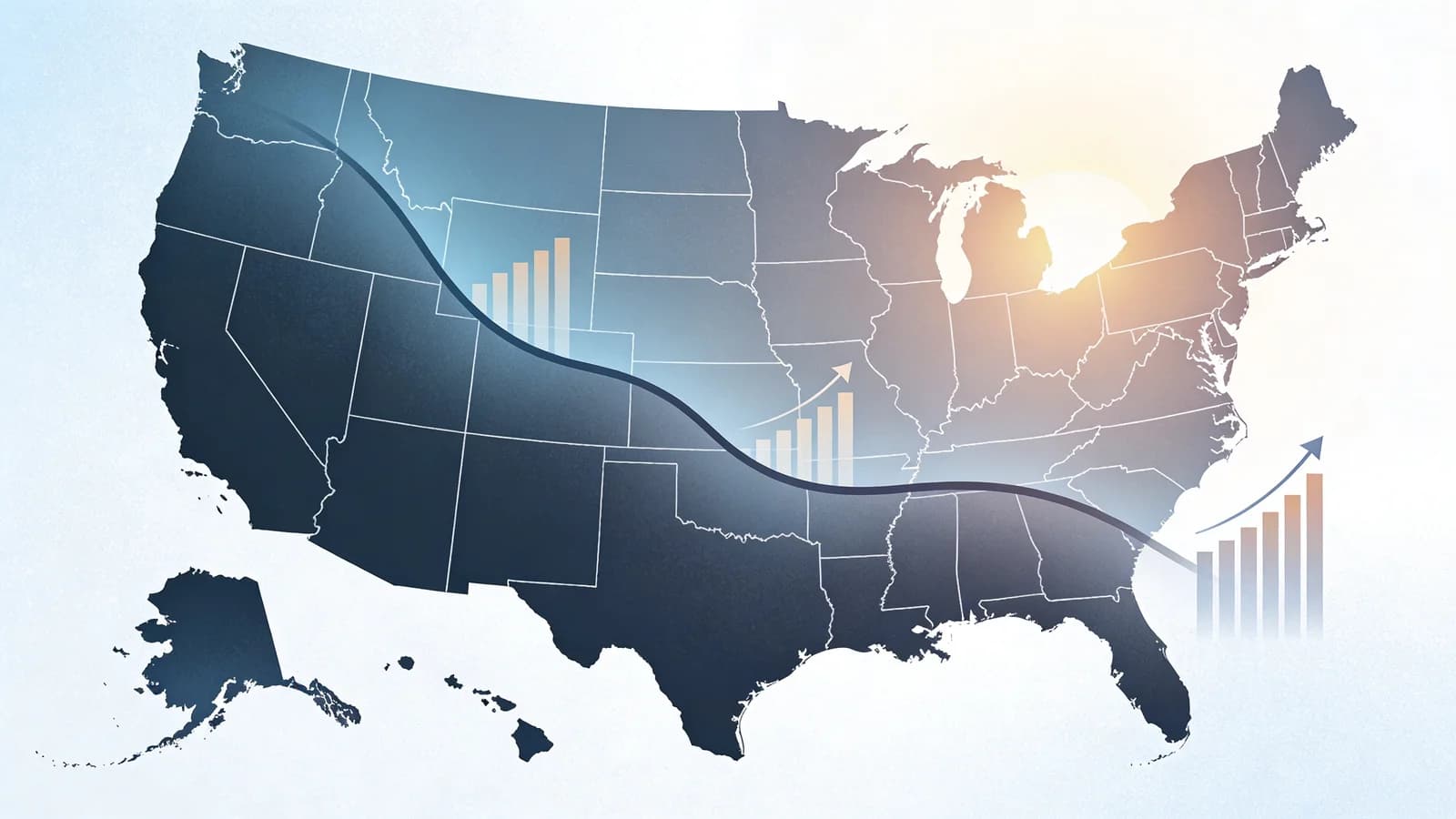
U.S. Overdose Deaths Fell 14% in 2025, Marking Third Straight Year of Decline
Preliminary CDC data shows approximately 70,000 Americans died of drug overdoses in 2025, the lowest since before the pandemic, though experts caution the crisis is far from over.

Floods Linked to 1,368 Opioid Overdose Deaths Across Rural Appalachia
A Penn State study in PNAS found opioid overdose deaths rose 26% in Appalachian counties after severe floods and stayed elevated for as long as a decade.
Illinois Sees Dramatic Drop in Opioid Overdose Deaths, Bucking National Trends
New state data reveals significant decline in opioid overdose deaths across Illinois, with Cook County and Chicago leading the reduction through expanded treatment access and harm reduction initiatives.