
U.S. Overdose Deaths Fell 14% in 2025, Marking Third Straight Year of Decline
About 70,000 Americans died of drug overdoses in 2025, representing a 14% decrease from the previous year and marking the third consecutive annual decline in what has become the longest sustained reduction in overdose deaths in decades, according to preliminary data released by the Centers for Disease Control and Prevention.
The 2025 total brings the nation back to roughly pre-pandemic levels, matching the overdose death count from 2019. The decline follows a devastating spike during the Covid-19 pandemic, when deaths peaked at nearly 110,000 in 2022 amid social isolation and disrupted access to addiction treatment services.
Broad Improvements Across Drug Categories
The reduction in fatalities was not limited to a single substance. Declines were observed across multiple drug types, including fentanyl, cocaine, and methamphetamine, suggesting the positive trend reflects systemic changes rather than isolated developments in any particular corner of the illicit drug market.
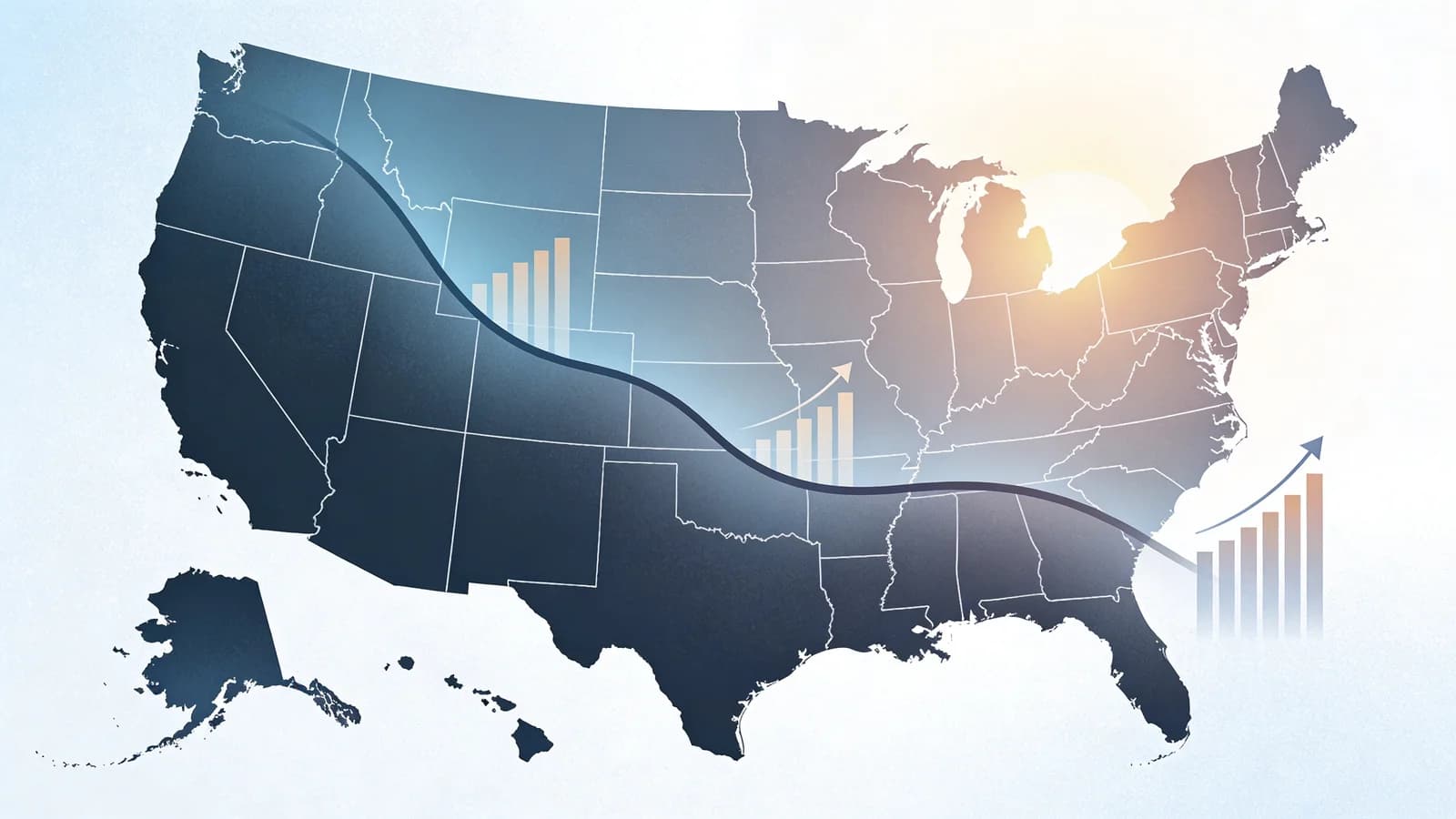
Geographically, the improvements were widespread but not universal. Overdose deaths fell in the vast majority of states, though seven states saw increases, including Arizona, Colorado, and New Mexico, where fatalities jumped by 10% or more. These regional variations highlight how the overdose epidemic continues to evolve differently across communities, influenced by local drug supplies, economic conditions, and the availability of treatment and harm reduction services.
Multiple Factors Driving the Trend
Researchers and public health officials point to a combination of factors that may be contributing to the sustained decline. The increased availability of naloxone, the overdose-reversal medication, has undoubtedly saved countless lives by allowing bystanders and first responders to reverse potentially fatal opioid overdoses. Expanded access to addiction treatment, including medications for opioid use disorder like buprenorphine and methadone, has helped more people enter and remain in recovery.
Changes in drug use patterns may also play a role. Some evidence suggests a shift away from injection toward smoking, which carries a lower overdose risk, though this change brings its own health complications. Additionally, the influx of billions of dollars in opioid lawsuit settlement money into states and localities has expanded prevention, treatment, and recovery services in many communities.
Demographic shifts may be contributing as well. Research indicates that fewer teenagers are initiating drug use, and the population of people at highest risk of overdose has been shrinking as the crisis has claimed lives over many years. Some scientists have also pointed to regulatory changes in China that appear to have reduced the availability of precursor chemicals used to manufacture fentanyl.
Cautious Optimism Amid Uncertainty
Public health researchers express tempered optimism about the data. Brandon Marshall, a Brown University researcher who studies overdose trends, described the decline as potentially representing "a fundamental change in the arc of the overdose crisis." At the same time, he and others warn that the situation remains fragile.
The pace of decline slowed in 2025 compared to previous years, and the absolute number of deaths remains extraordinarily high. With approximately 70,000 fatalities annually, drug overdoses continue to represent a leading cause of death in the United States, claiming more lives than motor vehicle accidents and firearms combined.
Experts worry that policy changes could quickly reverse the positive trend. Reductions in funding for harm reduction programs, restrictions on addiction treatment access, or shifts in the illicit drug supply could all contribute to rising deaths. As Marshall noted, "If deaths are going down rapidly, that means they can increase just as rapidly if we take our foot off the gas."
The Road Ahead
For communities affected by the overdose crisis, the declining numbers offer a measure of hope that sustained public health efforts can make a difference. The data demonstrates that even deeply entrenched epidemics can be turned back through coordinated investment in prevention, treatment, and harm reduction.
However, the regional variations in the data serve as a reminder that progress is not evenly distributed. States and communities that have seen increases in overdose deaths may require targeted interventions and additional resources to address local factors driving mortality.
The challenge now facing policymakers and public health officials is to maintain and accelerate the positive momentum while addressing the persistent gaps in the nation's response to substance use disorders. For people struggling with opioid addiction and their families, the data offers cautious hope that the worst of the crisis may be passing, even as the work of saving lives continues.
Related Articles

Overdose Deaths Fall Nationwide But Surge in Western States, CDC Data Shows
While U.S. overdose deaths dropped 14% in 2025, Arizona, New Mexico and North Dakota saw sharp increases amid evolving drug supply threats.

Floods Linked to 1,368 Opioid Overdose Deaths Across Rural Appalachia
A Penn State study in PNAS found opioid overdose deaths rose 26% in Appalachian counties after severe floods and stayed elevated for as long as a decade.
Illinois Sees Dramatic Drop in Opioid Overdose Deaths, Bucking National Trends
New state data reveals significant decline in opioid overdose deaths across Illinois, with Cook County and Chicago leading the reduction through expanded treatment access and harm reduction initiatives.