
DEA Warns 'Synthetic Soup' of Fentanyl Mixtures Is Overwhelming Naloxone and Reshaping Overdose Response
The warning arrived without fanfare but carried sobering implications for anyone working on the front lines of America's ongoing overdose crisis. In mid-May 2026, the U.S. Drug Enforcement Administration issued an advisory that confirmed what emergency responders and toxicologists had been observing with growing alarm: the illicit drug supply had evolved into something far more dangerous than fentanyl alone.
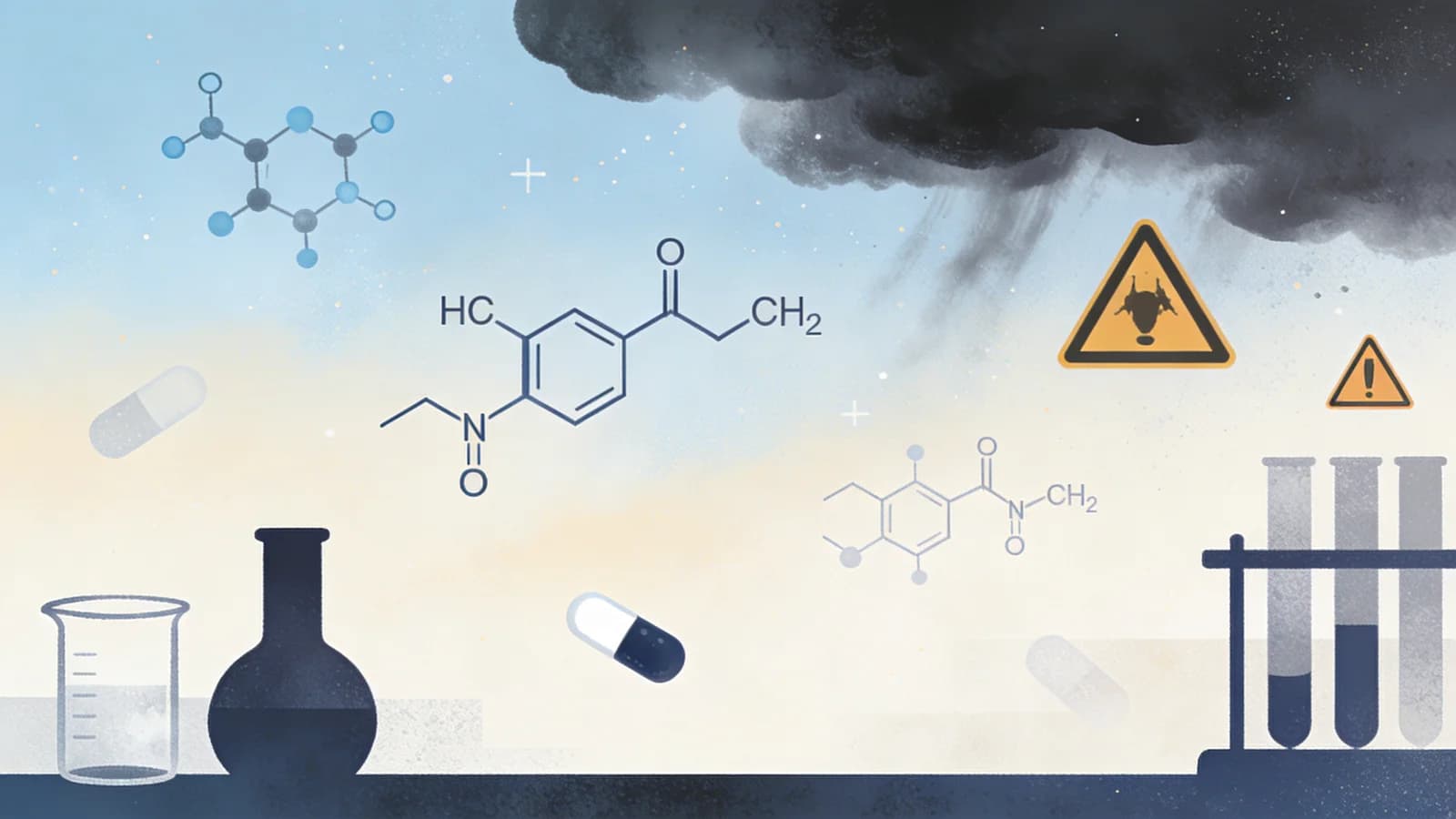
Illicit fentanyl, the synthetic opioid that has driven overdose deaths to unprecedented levels over the past decade, is increasingly being mixed with a dangerous array of synthetic substances. These include veterinary medications such as xylazine and medetomidine—both powerful sedatives used in animal surgery—and a new generation of synthetic opioids including nitazenes and cychlorphine, compounds so potent they make fentanyl appear mild by comparison.
"These combinations are making an already deadly drug supply even more lethal," the DEA advisory noted, highlighting a development that threatens to complicate overdose prevention efforts even as national death rates show signs of decline in some regions.
The Evolution of a Crisis
To understand the significance of the DEA's warning, one must appreciate how rapidly the illicit opioid market has transformed. A decade ago, the primary threat was prescription painkillers—oxycodone, hydrocodone, and their pharmaceutical cousins. When authorities cracked down on pill mills and prescribing practices, many users transitioned to heroin, which was cheaper and increasingly available.
Then came fentanyl. Initially appearing as an adulterant in heroin supplies, the synthetic opioid—50 to 100 times more potent than morphine—rapidly displaced heroin entirely in many markets. By 2023, fentanyl was involved in approximately 70% of all overdose deaths nationwide.
Now, that landscape is shifting again. As law enforcement has disrupted fentanyl precursor supply chains and public health initiatives have expanded access to naloxone—the opioid reversal medication that has saved countless lives—traffickers have adapted. The result is what some experts have termed a "synthetic soup": fentanyl mixed with an ever-changing array of other substances, each presenting unique dangers.
The New Adulterants
Among the most concerning additions to the illicit supply are the veterinary sedatives xylazine and medetomidine. Xylazine, known on the street as "tranq" or the "zombie drug," has been appearing in fentanyl supplies since approximately 2022, primarily in the Northeast and Mid-Atlantic regions. The drug causes profound sedation and, with repeated use, severe skin ulcers that can lead to amputation.
Medetomidine, a newer and more selective sedative, began appearing in drug supplies more recently. In January 2026, New York State health officials distributed 15,000 medetomidine test strips to harm reduction organizations across the state, acknowledging that the substance had become prevalent enough to warrant specific detection efforts.
Both drugs complicate overdose response in ways that fentanyl alone does not. As alpha-2 adrenergic agonists rather than opioids, they do not respond to naloxone. A person who has consumed fentanyl mixed with xylazine or medetomidine may have their opioid overdose reversed by naloxone administration, only to remain sedated and at risk of respiratory depression from the veterinary drug.
The Nitazene Threat
Perhaps more alarming than the veterinary sedatives is the emergence of nitazenes, a class of synthetic opioids first developed in the 1950s by pharmaceutical researchers but never brought to market due to their extreme potency. In recent years, clandestine chemists have resurrected these compounds, producing substances that can be up to 40 times more powerful than fentanyl.
The nitazenes include compounds with names like protonitazene, metonitazene, and isotonitazene—substances that require multiple doses of naloxone to reverse and that often prove fatal before help can arrive. Unlike fentanyl, which has a relatively short duration of action, some nitazenes remain active in the body for hours, requiring extended monitoring even after apparent reversal.
In May 2026, the Department of Justice announced the sentencing of conspirators who had distributed counterfeit pills containing "Pyro," a nitazene derivative approximately five times stronger than fentanyl, through darknet marketplaces. The case illustrated how these ultra-potent substances have moved from obscure chemical curiosities to active threats in the consumer drug market.
Implications for Harm Reduction
The evolving drug supply presents profound challenges for harm reduction strategies that have shown promise in reducing overdose deaths. Fentanyl test strips, which detect the presence of fentanyl in drug samples, cannot identify xylazine, medetomidine, or nitazenes. A user who tests their supply and finds no fentanyl might conclude the substance is safe, unaware that it contains something equally or more dangerous.
Similarly, naloxone distribution programs—the cornerstone of community overdose prevention—face new limitations. While naloxone remains essential for reversing opioid overdoses, it has no effect on the veterinary sedatives increasingly mixed with fentanyl. Responders may administer naloxone repeatedly, watching for a response that never fully materializes as the sedative component continues to suppress breathing.
For individuals struggling with opioid addiction, the message has become more urgent than ever: using alone is now riskier than at any point in the crisis, and even experienced users cannot reliably assess the contents of their supply.
Regional Variation and Surveillance
The synthetic soup is not uniform across the country. Different regions face different combinations of adulterants, with formulations changing rapidly as law enforcement disrupts specific supply chains and traffickers adjust their recipes. This variability makes national policy responses difficult and underscores the importance of local drug checking and surveillance programs.
New York State has emerged as a leader in tracking and responding to the evolving supply. The state's health department has implemented near-real-time surveillance of drug checking data, allowing officials to identify emerging threats and distribute appropriate test strips and public health warnings within weeks rather than months.
Other jurisdictions have been slower to adapt. Rural areas, already underserved by addiction treatment services, often lack access to sophisticated drug checking technologies like FTIR spectroscopy that can identify multiple substances simultaneously. These communities may learn of new threats only after multiple overdose deaths have occurred.
The Policy Response
The federal response to the synthetic soup has been mixed. While the DEA has increased warnings and enforcement efforts targeting precursor chemicals, public health funding for harm reduction has faced constraints. The Trump administration's 2026 National Drug Control Strategy emphasizes law enforcement interdiction while scaling back support for some harm reduction services that had expanded during previous administrations.
At the state level, approaches vary widely. Some states have moved to decriminalize fentanyl test strips and expand access to naloxone, recognizing that these tools remain valuable even if imperfect. Others have focused on increasing penalties for trafficking synthetic opioids, a strategy that public health experts warn may simply accelerate the evolution of the drug supply as traffickers seek to minimize legal risk by using novel substances not yet covered by existing laws.
Looking Forward
The synthetic soup represents more than a temporary challenge. It signals a fundamental shift in the nature of the illicit drug supply, one that is likely to persist and evolve regardless of specific policy interventions. As long as demand for opioids exists, suppliers will continue to innovate, seeking compounds that are potent, easy to synthesize, and not yet controlled.
For healthcare providers, first responders, and harm reduction workers, this reality necessitates new approaches. Training programs must now emphasize that naloxone, while still essential, may not be sufficient. Emergency protocols must account for the possibility of polydrug overdoses involving substances that do not respond to opioid antagonists.
Most importantly, the synthetic soup underscores the urgency of expanding access to medication-assisted treatment for opioid use disorder. Each person who transitions from illicit drug use to supervised treatment represents one fewer individual at risk of encountering the ever-changing dangers of the unregulated supply.
The DEA's warning, sobering as it is, arrives at a moment when the nation has more tools than ever to address opioid addiction. The challenge lies in deploying those tools effectively against a threat that refuses to stand still.
Editorial Board
LADC, LCPC, CASAC
The Rainier Rehab editorial team consists of licensed addiction counselors, healthcare journalists, and recovery advocates dedicated to providing accurate, evidence-based information about substance abuse treatment and rehabilitation.
Related Articles

DEA Whistleblower Alleges Agency Allowed 300,000 Fentanyl Pills to Flood New Mexico Streets
As New Mexico records the nation's highest overdose death increase, a whistleblower reveals DEA agents permitted massive fentanyl shipments to build larger cases.
Nitazenes: The Synthetic Opioids 40 Times Stronger Than Fentanyl Are Spreading Across America
Super-potent synthetic opioids called nitazenes are flooding the U.S. drug supply, causing hundreds of deaths and overwhelming harm reduction efforts.

Medetomidine-Laced Opioids Trigger Severe Withdrawal Crisis in Jails Nationwide
A powerful veterinary tranquilizer mixed with fentanyl is causing excruciating, complex withdrawal symptoms that many correctional facilities are unprepared to handle.