
New Mexico Fentanyl Incident Exposes Growing Danger of Para-Fluorofentanyl to First Responders
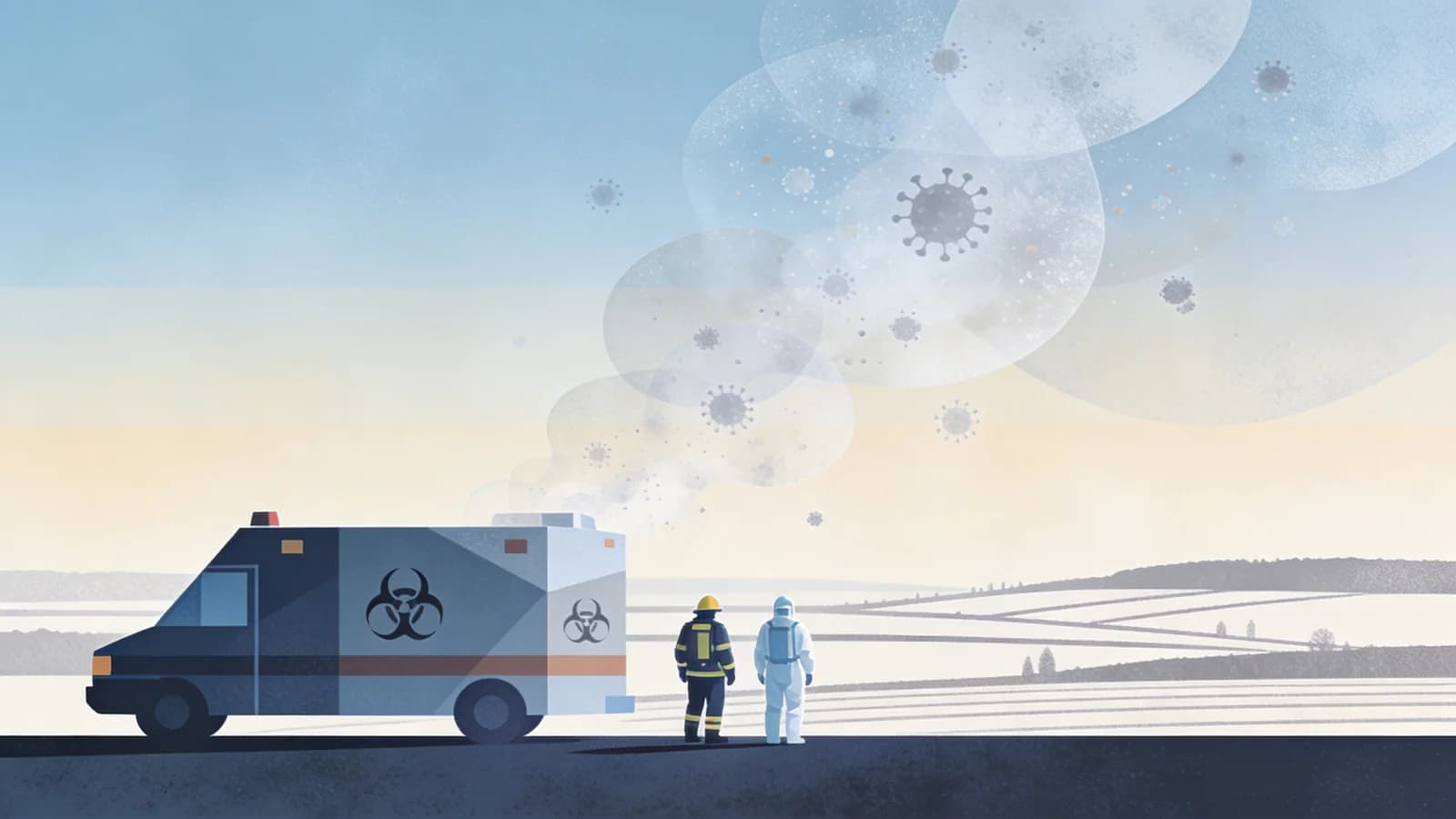
When emergency crews arrived at a home in Mountainair, New Mexico, on May 20, they expected a routine overdose call. Instead, they walked into a chemical exposure scene that would leave three people dead and more than two dozen others—including 18 first responders—sickened by a toxic combination of synthetic drugs that signals a dangerous evolution in America's ongoing opioid crisis.
State police later confirmed what had initially stumped investigators: the presence of para-fluorofentanyl, a potent fentanyl analog that has begun appearing in illicit drug supplies across the country. The incident represents one of the most serious mass exposure events involving first responders in recent memory, raising urgent questions about how emergency personnel can safely respond to calls involving unknown powdered substances.
A Scene of Chaos in Rural New Mexico
The emergency call came in Wednesday morning from the small town of Mountainair, located about an hour southeast of Albuquerque. Four people were found apparently overdosing inside the residence. By the time first responders arrived, the situation had already spiraled beyond a standard medical emergency.
Three residents died at the scene. A fourth survived after receiving Narcan, the opioid overdose reversal medication. But as police, firefighters, and emergency medical personnel worked to secure the area and treat victims, they began experiencing symptoms themselves—nausea, dizziness, and respiratory distress that signaled exposure to airborne contaminants.
By the time the scene was fully contained, 25 people had been exposed to the substances found inside the home. Twenty required medical treatment, including 18 first responders from Mountainair, Bernalillo and Torrance Counties, the New Mexico State Police, and the FBI Albuquerque field office. All were eventually decontaminated and hospitalized for observation.
Para-Fluorofentanyl: The New Threat
Laboratory analysis revealed a cocktail of drugs that has become increasingly common in overdose deaths nationwide: fentanyl, methamphetamine, and para-fluorofentanyl, all in powdered form. It was the presence of this last substance that likely contributed to the mass exposure event.
Para-fluorofentanyl, sometimes called P4 fentanyl, is a structural analog of fentanyl that has emerged in illicit drug markets over the past several years. Like its parent compound, it is extraordinarily potent—capable of causing overdose through minimal exposure. But its chemical properties may make it particularly dangerous in scenarios involving airborne powders, where first responders can inhale the substance without direct contact.
The Drug Enforcement Administration has been tracking the spread of para-fluorofentanyl across the United States, noting its increasing presence in seized drug samples. The analog is often mixed with other substances, creating unpredictable and frequently lethal combinations that challenge both users and medical personnel.
The Growing Risk to First Responders
The Mountainair incident highlights a reality that law enforcement and emergency medical agencies have been grappling with for years: the traditional protocols for responding to overdose calls may no longer be sufficient when synthetic opioids are involved.
Fentanyl and its analogs can be absorbed through the skin or inhaled as airborne particles, creating risks for anyone entering a contaminated environment. Standard personal protective equipment—gloves, basic masks—may not provide adequate protection against these potent substances.
For people struggling with opioid addiction, the proliferation of these ultra-potent analogs represents yet another layer of danger in an already perilous landscape. Each batch of street drugs carries unknown concentrations and combinations, making every use potentially fatal.
Rethinking Emergency Response Protocols
The New Mexico exposure has prompted calls for revised protocols when emergency personnel respond to suspected overdose scenes involving unknown substances. Some agencies have already begun implementing more stringent protective measures, including:
- Full respiratory protection for responders entering enclosed spaces where powdered drugs may be present
- Scene assessment protocols that treat unknown white powders as potential chemical hazards
- Decontamination procedures for personnel, equipment, and vehicles
- Enhanced training on recognizing symptoms of synthetic opioid exposure
The incident also underscores the importance of widespread naloxone distribution—not just to people who use drugs, but to first responders and community members who may encounter overdose situations. In the Mountainair case, the survivor's life was saved because Narcan was available and administered promptly.
A Pattern of Emerging Synthetic Threats
Para-fluorofentanyl is not the only novel synthetic opioid complicating the public health response to substance use disorders. Over the past several years, forensic laboratories have identified an expanding array of fentanyl analogs, nitazenes, and other synthetic compounds that evade standard drug tests and challenge existing treatment protocols.
These substances often circulate in regional markets before spreading nationally, creating localized outbreaks of overdose deaths that can overwhelm emergency services. The Mountainair incident demonstrates how quickly these situations can escalate, transforming a single residence into a hazardous materials scene requiring multi-agency coordination.
Public health officials emphasize that the emergence of new synthetic opioids makes harm reduction strategies more critical than ever. Access to naloxone, fentanyl test strips, and supervised consumption services can reduce the death toll even as the drug supply becomes increasingly unpredictable.
What This Means for Rural Communities
Mountainair, with a population of under 1,000 residents, illustrates how the opioid crisis has penetrated every corner of American society—not just major urban centers. Rural communities often face particular challenges in responding to drug-related emergencies, including longer response times, limited medical resources, and fewer specialized hazardous materials teams.
The incident also highlights the need for better coordination between local, state, and federal agencies when mass exposure events occur. The response to the Mountainair scene involved multiple jurisdictions and agencies, testing communication and command structures in a high-stress environment.
For policymakers, the New Mexico exposure adds urgency to ongoing efforts to track and regulate synthetic drug production, both domestically and internationally. The precursor chemicals used to manufacture fentanyl and its analogs often originate overseas, requiring international cooperation to disrupt supply chains.
Looking Forward
As the investigation into the Mountainair incident continues, public health officials are using the event as a case study for training exercises and protocol reviews. The goal is not simply to prevent similar mass exposures, but to ensure that first responders can continue their life-saving work without becoming casualties themselves.
The three deaths in Mountainair represent a fraction of the more than 70,000 Americans who died from drug overdoses in 2025. But the incident's impact on first responders—and its revelation of para-fluorofentanyl's potential for mass exposure—makes it a watershed moment in the ongoing effort to address the synthetic opioid crisis.
For communities across the country, the lesson is clear: the drugs circulating in 2026 are different from those of even five years ago, and the systems designed to respond to substance use must evolve accordingly. Whether through enhanced protective equipment, better drug checking technologies, or expanded access to addiction treatment, the status quo is no longer sufficient when a single residence can become a contamination zone capable of overwhelming an entire emergency response system.
Editorial Board
LADC, LCPC, CASAC
The Rainier Rehab editorial team consists of licensed addiction counselors, healthcare journalists, and recovery advocates dedicated to providing accurate, evidence-based information about substance abuse treatment and rehabilitation.
Related Articles

Nearly 10,000 Overdose Deaths Occurred in Hotels and Motels Over Three Years, CDC Finds
New CDC data reveals 9,651 drug overdose deaths in U.S. hotels and motels from 2022-2024, with bystanders present but failing to respond in most cases.

Los Angeles County Overdose Deaths Fall for Third Consecutive Year, Marking Longest Decline in Decades
LA County reports 2,298 accidental drug overdose deaths in 2025, down 6% from previous year and 29% from 2022 peak, driven by harm reduction investments

Colorado Overdose Deaths Defy National Trend, Rising 13% in 2025
While overdose deaths fell 15% nationwide, Colorado and several Western states saw increases driven by fentanyl-methamphetamine combinations.